
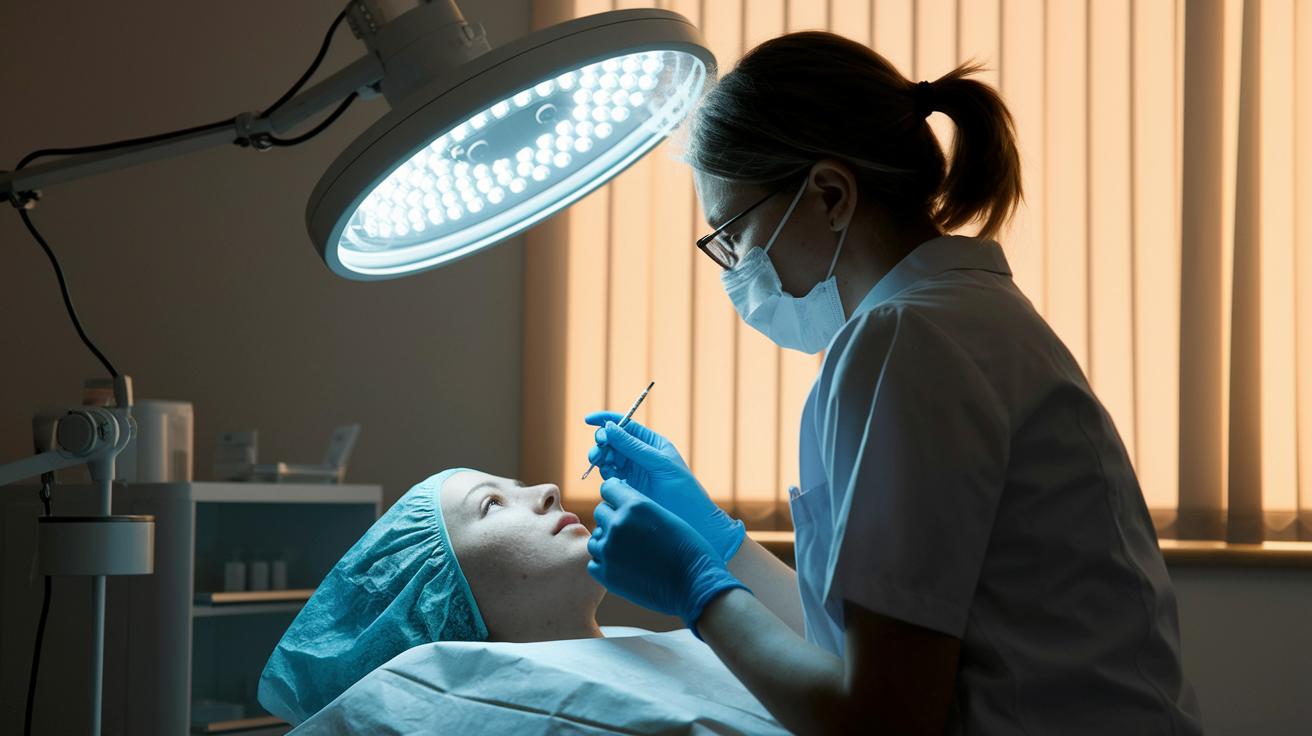

Quick take: An unusual skin spot may be harmless, but changes in size, shape, or color can mean it needs treatment.
Triage box:
• If the spot is painful, bleeding, or rapidly changing, call emergency services or see a doctor today.
• If the lesion appears new or worrisome, schedule a prompt evaluation.
• Otherwise, follow safe treatment steps and monitor the area.
Have you ever noticed an odd spot on your skin and wondered if it could be more than a simple blemish? In our post Radiant Healing, we show you safe ways to treat skin lesions and help you decide when to consult a doctor. Some treatments remove the area surgically while others use a gentle scraping method. We explain each option in plain language so that you can feel confident in your decisions and know exactly what steps to take.
Treatment Options for Skin Lesions: Radiant Healing
Quick take: Skin lesions may be managed with several treatment methods, and the right choice depends on the lesion’s look and risk factors.
If you notice any of these emergency signs, call emergency services immediately:
- Bleeding that does not stop
- Rapid growth or changes in color
- Severe pain or signs of infection
Urgent: See your doctor the same day if any of these changes occur.
Self-care: For stable lesions, follow your doctor’s advice and monitor any changes.
Skin lesions can be treated in many ways. Some need surgery to remove the lesion completely while others may be handled with non-surgical skin treatments. The surgical option, excision, cuts out the lesion along with a small border of normal skin. The removed skin is then sent to a lab (biopsy means checking the tissue under a microscope) to help determine if it is harmful. This method gives your doctor a strong chance to remove the entire problematic area, especially when there is worry about harmful growth.
Another option is curettage with electrodesiccation. This treatment uses a small, spoon-shaped tool (curette) to gently scrape off the abnormal skin
Evaluating Skin Lesion Characteristics and Treatment Selection
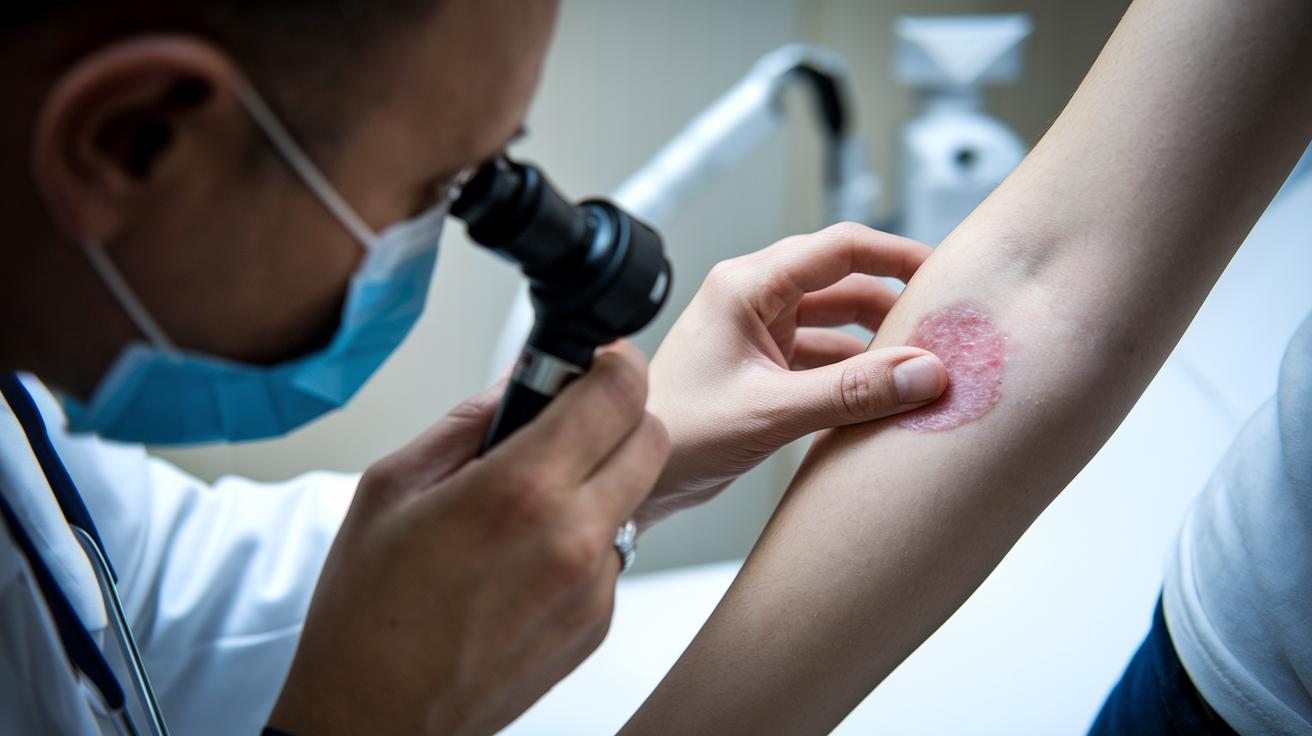
Quick take: Check your skin lesion closely with the right tools to decide on safe treatment.
Triage Box:
- Call emergency services now if you see rapid changes, bleeding, or significant pain.
- Seek same-day care if the lesion shows sudden color or size changes.
- Otherwise, monitor your lesion and follow up with your doctor as needed.
It’s important to examine skin lesions carefully to guide treatment. You or your clinician look at the lesion’s size, color, shape, and borders. A tool called a dermoscope (a device that magnifies the skin) helps reveal details you might miss with the naked eye.
For example, a doctor might point out that even tiny differences in a lesion’s pattern under a dermoscope can mean further checks are needed. This quick look helps decide if the lesion is harmless or if it needs more attention.
Follow these key steps:
- Review your history and note any changes in the lesion.
- Do a careful visual check of the lesion.
- Use a dermoscope to see small surface details.
- Do a skin biopsy if the lesion shows unusual growth or changes.
- Consider patch testing if an allergic reaction is suspected.
This clear, step-by-step approach helps rule out skin cancer and ensures that treatment plans match your particular risks and needs.
Standard Surgical Excision in Skin Lesion Treatment
Quick Take: Standard surgical excision safely removes a skin lesion and a small border of normal skin to help ensure all abnormal cells are taken out.
Triage Box:
- Call emergency services now if you have heavy bleeding, severe pain around the wound, or signs of infection (redness spreading, fever).
- Seek same-day care if you notice worsening pain, swelling, or pus from the area.
- Follow basic wound care instructions and monitor the site for any changes.
Standard surgical excision is a trusted method to remove a skin lesion along with a thin margin of healthy skin. This helps make sure that any abnormal cells, whether from a harmless growth or one that might be cancerous, are completely removed. The tissue taken is sent for a biopsy (a lab test to check the tissue) to confirm the diagnosis.
The procedure is done under local anesthesia, which numbs the area so you stay comfortable. The surgeon carefully cuts around the lesion and then uses stitches to close the wound. In practice, a doctor might say, "When examining a skin lesion, even small differences in color or texture can mean it needs complete removal." Such careful checks can guide the decision to use excision.
Key steps in the process include:
- Reviewing your medical history and noting any changes in the lesion.
- Doing a detailed look at the lesion.
- Removing the lesion with a thin rim of healthy skin.
- Sending the removed tissue for a biopsy.
- Closing the wound with stitches and giving instructions on caring for it.
After the procedure, keeping your wound clean is important to help avoid infection. It is normal to experience some swelling, mild pain, or bruising. Be sure to attend all follow-up visits so your healing can be checked and any issues can be addressed quickly. This procedure not only removes the lesion but also offers important diagnostic information through tissue analysis.
Mohs Micrographic Surgery for Skin Lesions
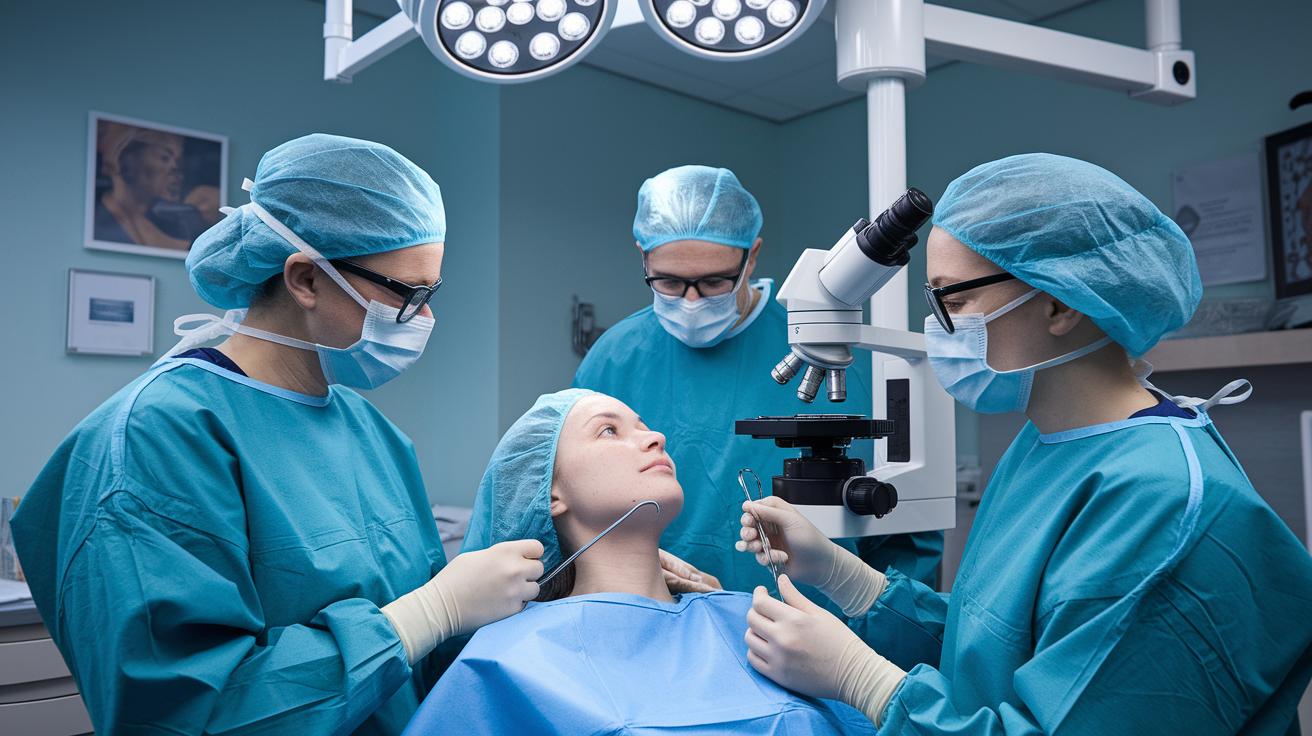
Quick Take: Mohs surgery removes skin cancer one layer at a time while keeping healthy skin safe.
Triage Box:
- Call emergency services now if you have severe pain, heavy bleeding, or signs of infection.
- Seek same-day medical care if you notice rapid changes in your skin lesion, like sudden swelling or redness.
- Follow your doctor’s care instructions after the procedure to help your skin heal.
Mohs surgery is a careful treatment for high-risk skin cancers, especially on the head, neck, hands, and feet. The doctor removes one thin layer of skin and then checks it under a microscope for any remaining cancer cells. Think of each layer like a page in a book that is read carefully to spot any bad cells.
This step-by-step method removes all the cancer while saving as much normal skin as possible. It works well in areas where keeping a good look and preserving function are important. Using this method also lowers the chance that you might need another surgery later.
After the procedure, you may feel some pain, swelling, or see a little bleeding. Infection is rare but can still happen. Follow your doctor’s special care instructions, like how to dress the wound and when to come back for a follow-up visit. This helps you heal well and get the best long-term results.
Minimally Invasive Skin Lesion Treatments: Curettage, Electrodesiccation, and Cryosurgery
Quick take: These procedures remove skin lesions quickly with little downtime.
If you notice any of these warning signs, call your doctor right away:
- Increased redness, swelling, or pain
- Fever or pus coming from the area
Curettage involves using a small, spoon-shaped tool to gently scrape away the lesion from the upper skin layers. Immediately afterward, electrodesiccation, using a controlled electric current, helps dry the area, stop any bleeding, and kill leftover abnormal cells.
Cryosurgery, on the other hand, uses liquid nitrogen to freeze the lesion. The fast freeze-and-thaw cycle destroys the unwanted cells while keeping the nearby healthy skin safe. This method is especially helpful when it is important to preserve as much normal skin as possible.
| Procedure | How It Works | Typical Uses | Recovery |
|---|---|---|---|
| Curettage with Electrodesiccation | Scrapes away lesion then uses a small electric current to dry the area | Used for actinic keratoses and superficial basal cell carcinomas | Mild swelling with healing in 1-2 weeks |
| Cryosurgery | Freezes the lesion with liquid nitrogen | Applicable for both benign and some malignant lesions | Crusting and slight redness; usually heals in 1-3 weeks |
After either procedure, you might see a bit of redness or a small crust forming. These are normal signs of healing. Always follow your doctor’s instructions on keeping the area clean and watch for any signs of infection. This careful approach helps treat the lesion while keeping your healthy skin intact.
Advanced Non-Surgical Skin Lesion Therapies: Laser, Photodynamic, and More
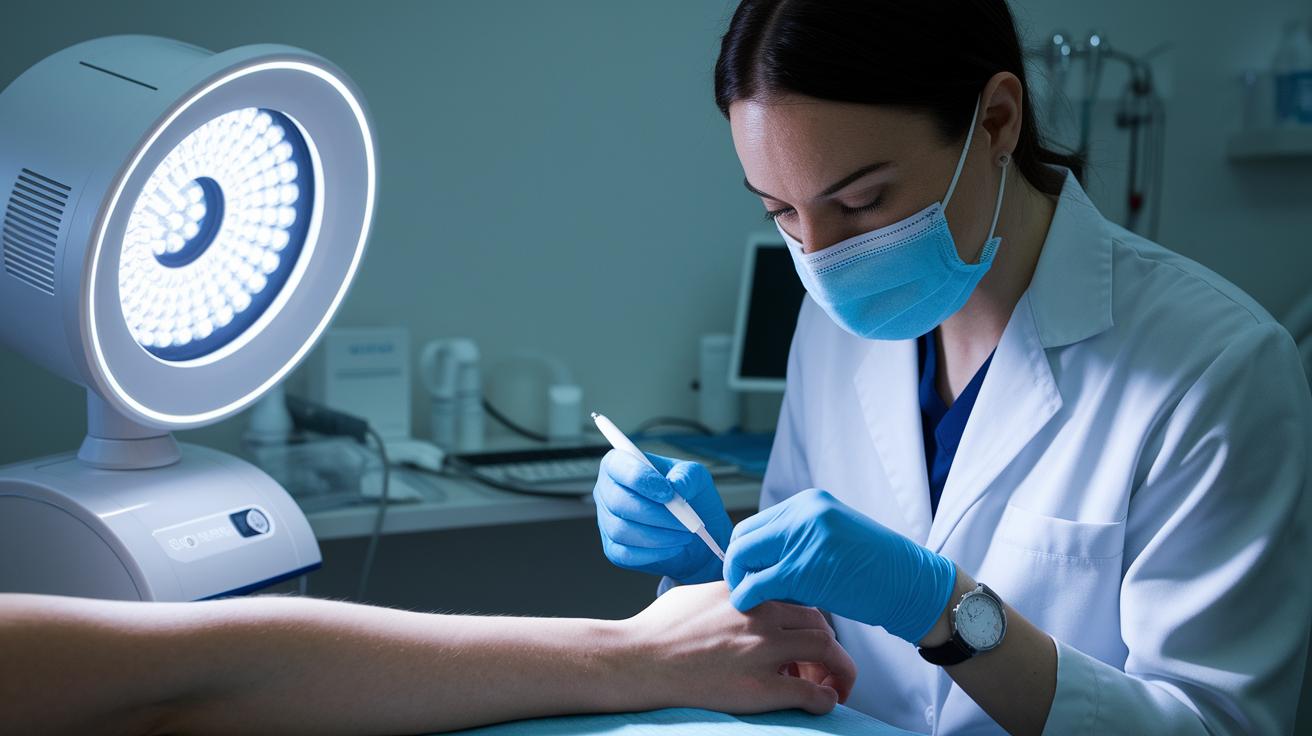
Quick take: You can treat skin lesions without surgery using focused light, special chemicals, or even natural remedies.
If you notice changes in your skin or have concerns about a lesion, please reach out to a trusted healthcare provider.
Laser therapy uses bright, focused light to break down harmful cells. It works quickly and carefully so more of your healthy skin stays intact. Doctors often choose this method when preserving nearby skin is important.
Photodynamic therapy (PDT) uses a two-step process. First, a light-sensitive medicine is applied to the lesion. Then, the area is exposed to a specific light that activates the medicine, helping to clear away unwanted cells while protecting healthy skin.
Chemical peels gently remove the top layer of your skin. This method works well if the skin issue is only on the surface. A special solution is applied to smooth out rough patches, allowing new, healthy skin to form.
Some natural remedies can support skin healing at home. For example:
- Apply tea tree oil lightly on the affected area.
- Use coconut oil daily to keep your skin moisturized.
- Enjoy an oatmeal bath to ease irritation.
| Therapy Type | How It Works | Main Benefit |
|---|---|---|
| Laser Therapy | Focused light energy breaks down abnormal cells | Precision treatment with minimal damage to healthy skin |
| Photodynamic Therapy | Special medicine activated by light destroys targeted cells | Targeted removal of problem areas while sparing nearby skin |
| Chemical Peel | A chemical solution removes the top skin layer | Renewal of superficial skin for a smoother appearance |
These non-surgical options blend advanced techniques with gentle care to help your skin heal and look its best.
Recognizing Urgent Red Flags in Skin Lesion Management
Quick take: If your skin spot changes suddenly or over time, get it checked the same day.
Watch for these signs:
- It grows fast.
- Its edges become uneven when compared with past photos or descriptions.
- It develops new or shifting colors.
- You feel ongoing or worsening pain around it.
- It bleeds, oozes, or shows infection signs like fever, swelling, or redness.
If you have any of these changes, especially with a history of skin cancer or a lot of sun exposure, see a doctor today.
Post-Treatment Care and Follow-Up for Skin Lesions
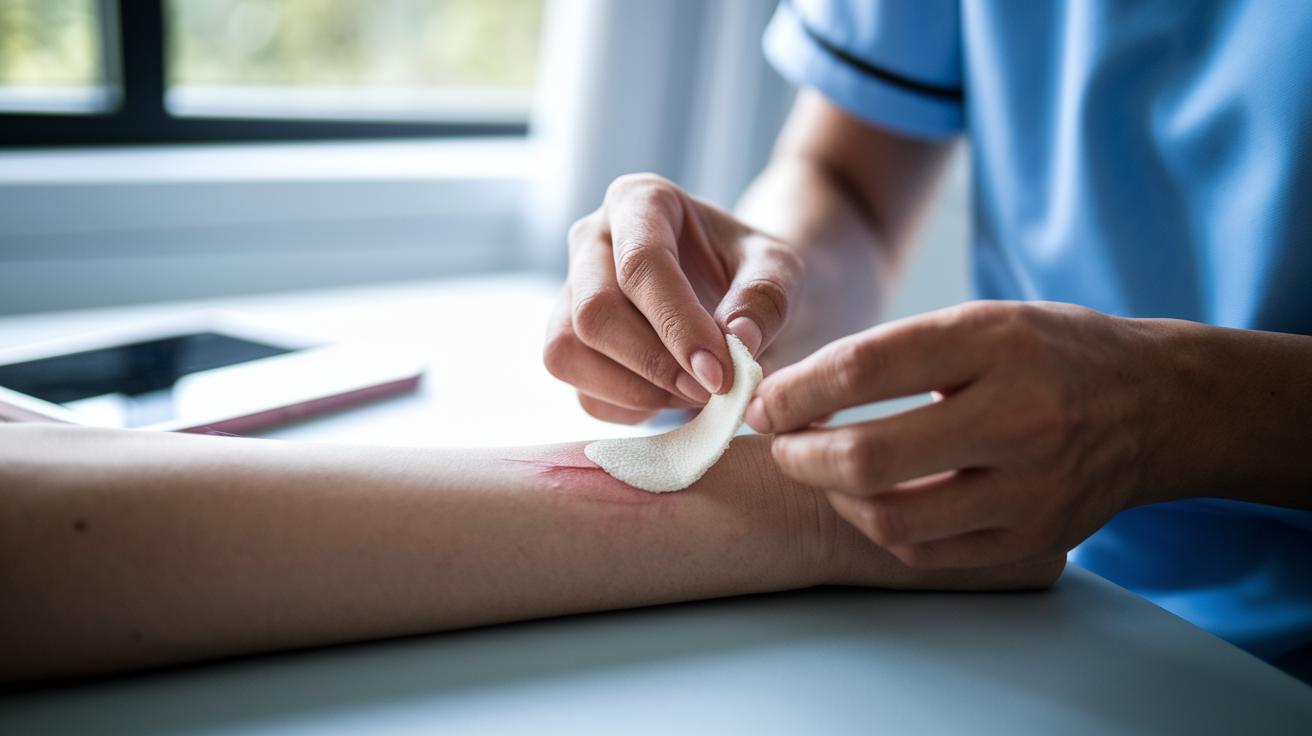
Quick take: Keep your wound clean, dry, and follow your doctor’s instructions to help it heal safely.
Triage Box:
- If you see increased redness, swelling, or discharge, call your doctor immediately.
- If the pain gets much worse, seek same-day medical attention.
After treatment, taking care of your wound is very important. Keep the area clean and dry. Use the dressing your doctor gave you to protect the wound. Your doctor might say, "Wash the area gently with mild soap and water and change the dressing every day to stop infection."
Key steps to follow:
- Change your wound dressing as directed.
- Clean the area often to avoid germs.
- Watch for unusual redness, swelling, or any discharge.
It is also important to attend your follow-up appointments. These visits let your doctor check for signs of infection or if the lesion comes back. At these appointments, you can discuss ways to lessen scarring. Your doctor might recommend a silicone gel or sunblock to help reduce scars.
Keep a record of your recovery by noting any changes in the wound. Your doctor may also suggest a simple nutritional plan or vitamins (like C and E) to help with tissue repair. Trusted printed guidelines or reliable websites can give you clear steps on wound care and what warning signs to watch for.
Following these steps helps your skin heal well and can improve your long-term results.
Final Words
In the action, this article detailed treatment options for skin lesions. We reviewed methods from surgical excision and Mohs micrographic surgery to minimally invasive techniques like cryosurgery and curettage with electrodesiccation. We also examined non-surgical therapies including laser and photodynamic treatments, and explained how to spot red flags that require urgent care. Follow post-treatment care steps and track healing with clear, simple checklists. Stay positive and proactive as you use these insights to guide your next steps toward better skin health.
FAQ
What do skin lesion pictures, including benign skin lesion pictures, show?
Skin lesion pictures show images of various skin abnormalities, covering both benign (non-cancerous) and malignant types. They help you compare shapes, colors, and sizes for early recognition.
What do types of skin lesion charts provide?
Types of skin lesion charts list different lesion categories along with their features. They offer clear comparisons to help you and your clinician differentiate common skin abnormalities quickly.
What treatment options exist for skin lesions?
Skin lesion treatment options include procedures like surgical excision, curettage with electrodesiccation, cryosurgery, Mohs surgery, and non-surgical therapies like topical creams and laser therapy to suit different lesion types.
How can skin lesions be removed yourself?
Removing skin lesions yourself carries risks. Home remedies or over-the-counter products may not safely address the lesion. It is best to seek professional evaluation for proper treatment and to avoid complications.
What are secondary skin lesions?
Secondary skin lesions develop from an initial lesion due to scratching, infection, or irritation. They include changes like scabbing or crusting, which may signal additional injury or an early sign of infection.
How is skin cancer treated?
Skin cancer treatment often involves surgical methods like excision or Mohs surgery. Additional options include cryosurgery, laser therapy, and topical treatments based on the cancer’s size, type, and location.
What causes skin sores that won’t heal?
Skin sores that won’t heal may indicate an infection, poor circulation, or, in some cases, skin cancer. Persistent sores require evaluation by a healthcare professional to determine the underlying cause and appropriate care.
What is the best treatment for skin lesions and how can a lesion be treated?
The best treatment for skin lesions depends on factors like size, type, and location. Doctors use a mix of excision, minimally invasive procedures, or topical therapies, with treatment plans often determined by a biopsy.
How do doctors treat skin infection lesions?
Doctors treat skin infection lesions using antibiotics, proper cleansing, and sometimes drainage if an abscess is present. Treatment is based on the infection type, its severity, and patient-specific factors.
What is the most common cause of skin lesions?
The most common cause of skin lesions is often related to factors like sun exposure, aging, and minor skin trauma. Many lesions are benign, such as moles, but any changes should be evaluated by a clinician.