


Quick take: A rapid check finds serious problems fast, while a full workup takes a closer look at your symptoms.
When you're in an emergency, a quick check (triage) spots urgent issues in just minutes to help save your life. Your doctor does this to decide if you need immediate care. Later, a full workup digs deeper, it gathers your complete history, does physical exams, and runs tests to find out what is really happening. Imagine being given a fast check to rule out immediate danger versus sitting down with your doctor for a detailed evaluation. This post explains how both steps work together and why understanding each one can help you get the care you need when it matters most.
Understanding Clinical Triage vs Diagnostic Processes
Triage means quickly checking a patient as soon as they arrive. It helps decide who needs help right away. For example, if you have chest pain, medical staff act fast so you can get life-saving treatment.
Diagnosis is a more detailed process that finds out what is causing your symptoms. This means your doctor takes a full history, does a physical exam, and may use tests like blood tests or X-rays (pictures of your inside) to be sure about the illness. For example, while triage quickly rules out emergencies in a cough, diagnosis may tell if the cough is due to an infection or another condition.
The main differences are in timing, purpose, and outcome:
- Triage happens immediately to rank how urgent care is.
- Diagnosis takes more time and confirms what is wrong.
- Triage sets the order for care, while diagnosis guides the treatment plan.
This clear approach helps health teams save time and give you the right care when you need it.
Triage Timing vs Diagnostic Evaluation

When you arrive at a facility, triage happens within minutes to quickly spot who may need urgent care. For example, if you suddenly feel chest pain, your vital signs (like heart rate and blood pressure) are checked fast to rule out life-threatening problems.
After triage, a diagnostic evaluation follows to find the exact cause of your symptoms. This process takes more time and includes asking about your health history, a physical check, and tests such as blood work or scans. For instance, while triage may flag severe symptoms, a diagnostic evaluation might use an EKG (a test that records your heart's electrical activity) to look for heart issues.
In short, triage is a brief, quick check, whereas diagnostic evaluation is a detailed follow-up to uncover the underlying problem.
Triage Classification Compared to Diagnostic Criteria
Triage quickly decides who needs help first, while diagnostic tests work to figure out what is wrong. Triage uses easy checks like vital signs to rank urgency. In contrast, diagnostic methods look deeper using tests, imaging, and guidelines such as ICD-10 (a disease coding system) and DSM-5 (mental health guidelines).
Both approaches rely on clear decision tools. Triage focuses on a fast check of vital signs and available resources. Diagnosis uses lab tests, scans, and symptom patterns to confirm a condition.
| Process | Focus | Tools |
|---|---|---|
| Triage Classification | Urgency Ranking | Vital signs, standardized scales |
| Diagnostic Criteria | Disease Confirmation | ICD-10, DSM-5, lab tests, imaging |
For example, if you are very short of breath, a triage nurse will quickly mark you as high priority to get help fast. Meanwhile, your doctor will use detailed tests and criteria to find out the exact cause.
Nurse Triage Roles vs Physician Diagnostic Roles
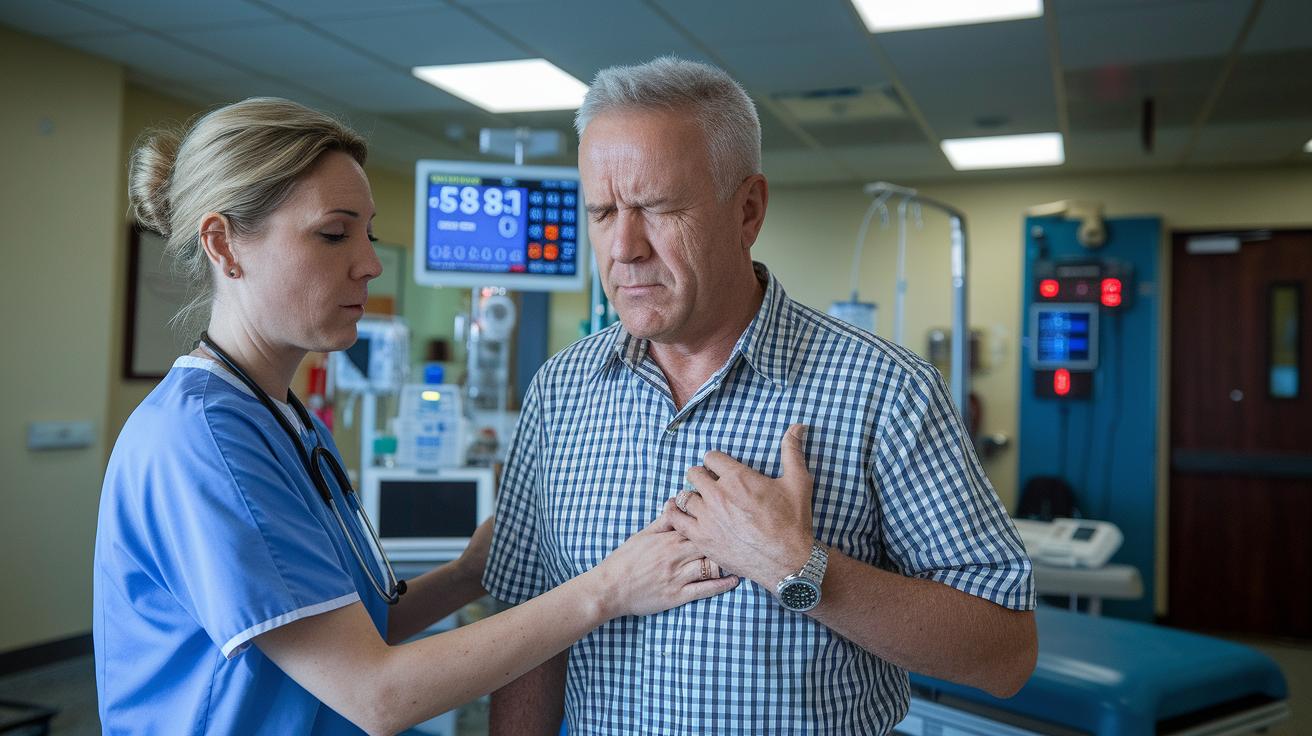
Triage and diagnosis both play important roles in patient care. Triage means quickly checking your vital signs (like blood pressure and heart rate) to see if you need help right away. For example, if you come in with chest pain, a triage nurse will quickly check your blood pressure and heart rate to spot any urgent problems. Later, a doctor will do a full exam, review your health history, and order tests to find the exact cause.
Consider a 54-year-old man with sharp chest pain. The nurse notes his blood pressure is 160/95 and his heart rate is 110, marking his case as urgent. After a full evaluation, the doctor confirms he is having an early heart attack.
Key differences in roles include:
- Training: Nurses follow set guidelines, while doctors use a full medical evaluation.
- Information gathered: Nurses check main symptoms and vital signs; doctors dig into detailed history and use test results.
- Decision outcomes: Nurses decide who needs help first; doctors confirm the specific health condition.
- Timing: Nurses make quick decisions in minutes; doctors take hours to days to complete their tests.
| Nurse Triage | Physician Diagnosis |
|---|---|
| Quick checks based on clear steps | Thorough exam with tests |
| Focus on vital signs and main complaint | In-depth review of history and lab tests |
| Sets immediate care priority | Confirms the exact health condition |
| Decisions made in minutes | Results come over hours or days |
Emergency Triage vs Routine Diagnosis Across Care Settings
Quick take: In emergencies, acts are swift to address life-threatening issues, while routine care uses careful, step-by-step checks.
Triage:
- If you experience chest pain or similar red flags, call emergency services.
- For non-urgent symptoms, schedule a visit with your doctor.
In emergencies, health teams quickly decide who needs immediate care. For example, if you have chest pain, they run an ECG (a heart test) right away and send you to a critical care unit. This speed helps avoid delays that might risk your life.
In urgent or primary care settings, doctors take their time. They ask about your history, do physical exams, and order tests over several visits to confirm a diagnosis. This slower process matches the less pressing nature of your symptoms.
Using these different methods ensures you get quick help when it’s most needed and thorough checks if your condition changes over time.
Digital Health Tools: Accuracy in Triage vs Diagnosis

Digital health tools like symptom checkers can help you decide when to seek care and may hint at a diagnosis. One review in npj Digital Medicine found that these tools vary a lot and are often not very accurate for either sorting out urgency or making a diagnosis. That means some systems can guide you quickly, but many might miss important signs or give the wrong advice on how urgent your condition is.
Online triage systems help by sorting patients and freeing up care resources. For example, a symptom checker might tell someone with mild symptoms to keep an eye on them at home, which helps keep emergency services available for serious cases. However, there are concerns about their reliability. Remember that even though digital tools give quick answers, they may not match the accuracy of an in-person check.
Developers are working on digital tools that use AI (artificial intelligence) and machine learning to improve access to care and make resource use more efficient. These systems review your symptoms and can tell you when you might need emergency care. Still, even the most promising tools need careful testing to make sure they are safe and effective. Always double-check digital advice with a healthcare provider, especially if your symptoms worsen.
In emergencies, the steps you need to follow are clearly set out. Some digital triage tools use the same guidelines found in in-person emergency care (see emergency management definitions – https://thequickesttips.com?p=1337). This shows that while digital health strategies can improve access and care, you must be cautious. Relying only on these tools without a professional check-up might delay the proper treatment you need.
Overall, digital health apps are a helpful extra resource while they are still being tested and improved.
Final Words
In the action, our guide broke down how triage quickly ranks care needs while diagnosis works to confirm illnesses using tests. We covered the timing, roles, and tools needed in both steps. The quick assessment in triage contrasts with the more detailed evaluation in a diagnosis. Remember, understanding the difference between triage and diagnosis helps you decide on immediate next steps. Stay informed, monitor your symptoms, and share this clear information with your clinician for more confident care. Stay positive and proactive about your health.
FAQ
What is the difference between diagnosis and triage?
The difference between diagnosis and triage is that diagnosis identifies an illness using signs, symptoms, and tests, while triage quickly sorts patients by urgency to guide immediate care decisions.
What diagnosis?
The term diagnosis refers to identifying a disease based on patient symptoms, physical exams, and test results that confirm what condition is present.
What does triage mean medically?
Medically, triage means quickly checking a patient’s condition to decide who needs immediate care and who can wait, ensuring those most at risk are seen fastest.
What are the three types of triage?
The three types of triage include emergency, urgent, and non-urgent systems that prioritize patients by how severe their symptoms are and the speed of needed care.