
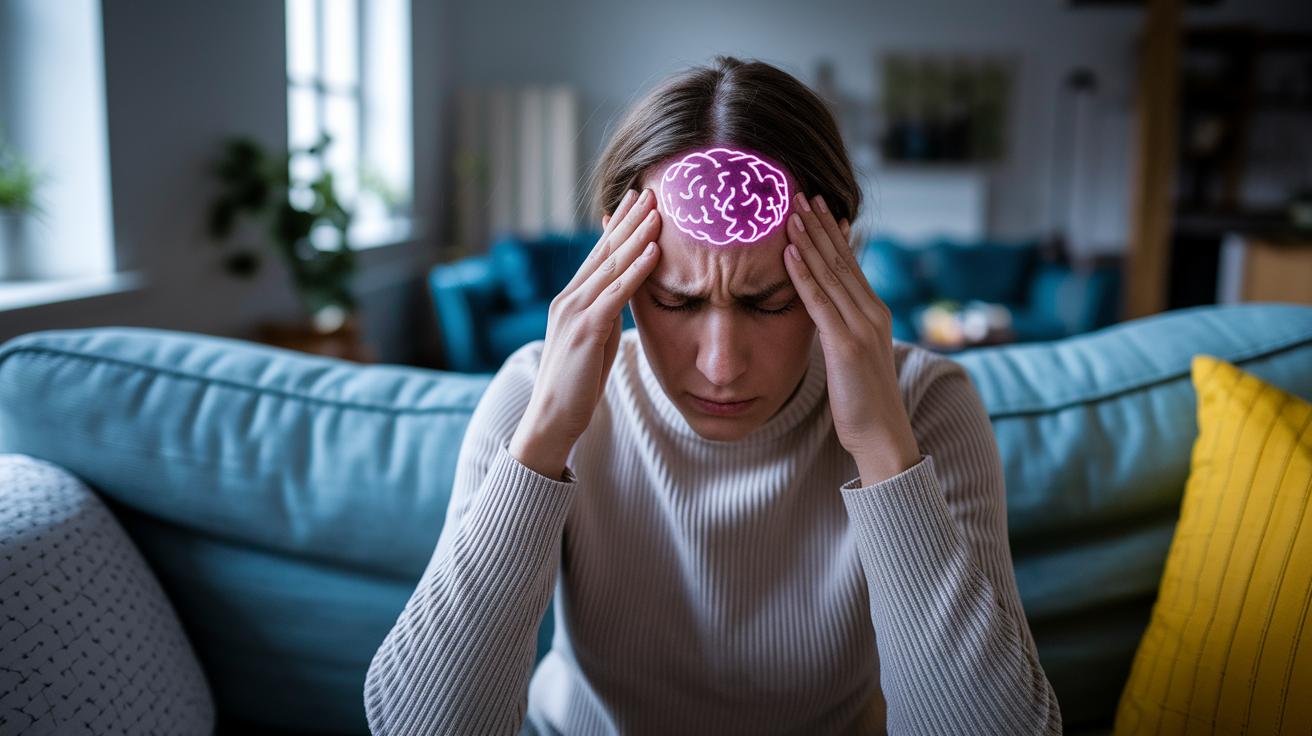

Quick take: A heavy head feeling can be a sign of stress.
Triage:
• Call emergency services now if you experience severe headache with confusion, trouble speaking, or weakness.
• Seek same-day medical help if the pressure grows worse or if other signs appear.
Stress or anxiety can make your head feel heavy. When you feel anxious, your body releases stress hormones (chemicals that prepare you for danger). These hormones make your muscles tense and your blood vessels narrow. That reaction can lead to a pressed or squeezed feeling in your head. This may be your body's way of showing that stress is affecting you. In this post, we explain how stress and anxiety may cause head pressure and offer simple steps to ease your discomfort.
Stress and Anxiety Can Cause Head Pressure
Quick take: Stress and anxiety can lead to head pressure, but simple steps might help ease it.
If you have any of these emergency signs, call emergency services now:
- Sudden, severe head pressure
- Blurred vision
- Fainting or feeling like you might pass out
Common causes:
Stress and anxiety trigger physical changes. When you feel anxious, your muscles tighten. This can slow blood flow and make your head feel heavy, tight, or full of pressure. Studies show that your body releases stress hormones (chemicals that signal your body to react) during anxious moments. This response makes the muscles in your scalp and neck tense up, much like when you are ready to fight or flee.
What you can do now:
- Try deep breathing: Breathe in slowly through your nose and out through your mouth.
- Take breaks: Step away from stressful tasks.
- Stretch gently: Relieve the muscle tension around your neck and shoulders.
Remember, occasional head pressure during stressful times is common. But if the pressure sticks around or gets worse, consider ways to reduce your stress. Keep track of your symptoms by noting the time, what you were doing, and any other signs you notice. This information can help you or your clinician decide if you need more help.
Physiological Mechanisms Linking Stress and Anxiety to Head Pressure
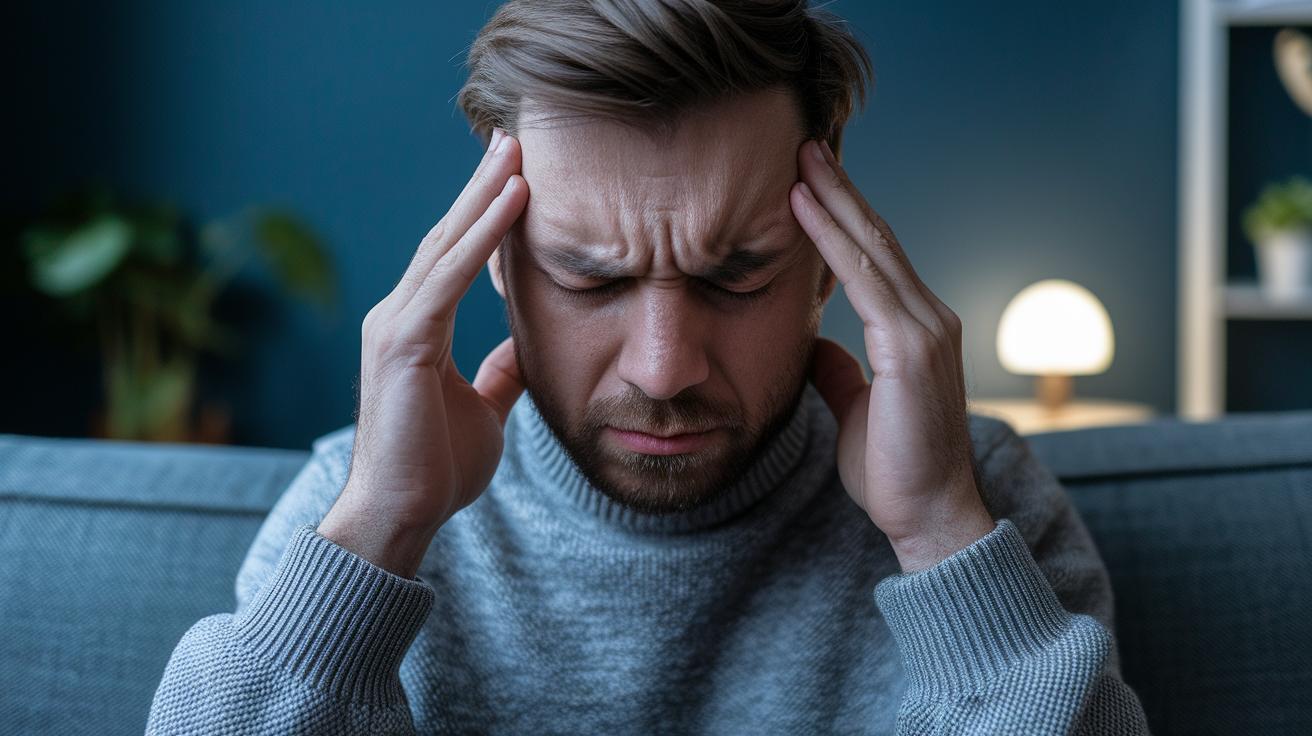
When you feel stressed or anxious, your body reacts in ways that can give you a heavy, pressured feeling in your head. Your body releases hormones like adrenaline and cortisol. These hormones cause the muscles in your scalp and neck to tighten. That tightening can squeeze blood vessels and nerves, much like a tight band around your head before a big speech.
Stress also affects your blood vessels. Higher levels of stress hormones can make your blood vessels narrow for a short time. This drop in blood flow adds to the pressure you feel and can become more noticeable when anxiety is strong.
Your nervous system also becomes more active under stress. Anxiety can make your nerves overly sensitive so that everyday sensations feel amplified. This increase in nerve activity can strengthen the feeling of heaviness and discomfort in your head.
| Mechanism | How It Affects Your Head |
|---|---|
| Muscle Tension | Tight scalp and neck muscles squeeze blood vessels and nerves, creating pressure. |
| Vascular Changes | Stress hormones narrow blood vessels, reducing blood flow and generating pressure. |
| Nervous System Activation | Anxiety makes nerves extra sensitive, so even normal signals feel stronger. |
Understanding these steps can help you see how stress and anxiety may lead to that persistent, heavy feeling in your head.
Distinguishing Anxiety-Induced Head Pressure from Other Headaches
Quick take: Anxiety can make your head feel heavy and full, not tight or band-like.
Triage Box:
- Call emergency services now if you suddenly develop a severe headache with confusion or vision changes.
- Seek same-day care if you experience pounding pain, nausea, or strong sensitivity to light or sound.
- If your head just feels heavy after a long period of worry, monitor your symptoms and rest.
Anxiety head pressure feels like a steady weight spread evenly over your head. It doesn’t come with a tight squeeze. With tension headaches, you often feel a band-like pressure around your head, as if something is gripping your temples after a long day at your desk.
Migraines are different. They often bring throbbing pain and extra signs like bright light or loud sounds bothering you. You might also feel nauseous or dizzy. These extra symptoms mean your headache may not be caused by anxiety alone. Knowing these differences can help you decide when to try home care and when to seek medical advice.
Red Flags: When Stress-Related Head Pressure Needs Medical Evaluation
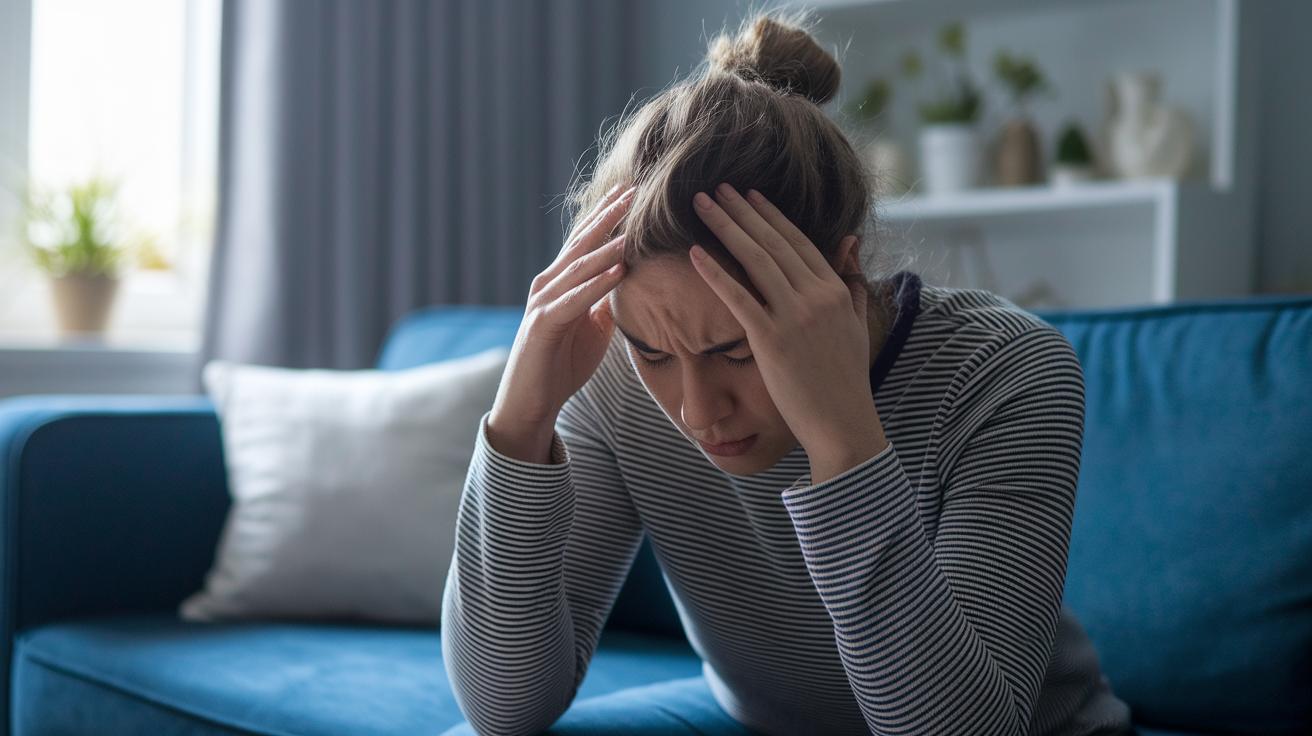
Quick take: If stress makes your head feel very heavy and comes with extra symptoms, you need to act fast.
If you have any of these emergency signs, call emergency services now:
- Sudden severe head pressure with dizziness
- Ongoing nausea with blurred vision
- Noticeable weakness or numbness
Stress and anxiety can sometimes make your head feel extra heavy. While many times this is just tension, a heavy head that hits suddenly or during a long period of stress might signal more serious issues. This head heaviness can show that your brain and nerves are under more pressure than usual. You might also notice dizziness, nausea, or blurry eyes. These symptoms mean you should watch your condition closely. If they get worse, please seek help immediately.
For more guidance, you can use a triage flowchart for headaches to know when urgent evaluation is needed (https://thequickesttips.com?p=1463).
Quick Home Remedies for Anxiety-Induced Head Pressure
Quick take: Anxiety can cause head pressure, but simple home steps may help ease the discomfort.
If you have any of these emergency signs, call emergency services now:
- Severe or sudden headache
- Numbness or weakness in your face, arm, or leg
- Confusion or trouble speaking
- Loss of balance or fainting
Common causes: Anxiety may make your head feel heavy due to muscle tension, poor breathing, dehydration, or bad posture. These tips work to relax tight muscles, improve blood flow, and ease the pressure so you can feel better fast.
What to do now:
- Breathe slowly: Inhale through your nose and exhale through your mouth to help lower stress hormones.
- Massage gently: Use your fingertips to lightly press on your temples, forehead, and the back of your head to ease muscle tightness.
- Drink water: Have a full glass of water. Staying hydrated supports your circulation.
- Straighten up: Sit or stand with your back straight and shoulders relaxed to reduce strain on your neck.
- Press gently: Apply a soft pressure between your eyebrows (a simple acupressure technique) to help relax head muscles.
- Use a compress: Place a warm or cool cloth on your forehead. The change in temperature can soothe discomfort and calm your muscles.
Record your steps: Write down which method helps the most and note any changes in your symptoms. If the head pressure continues or gets worse, call your clinician for advice.
Lifestyle and Relaxation Techniques to Prevent Stress-Related Head Pressure
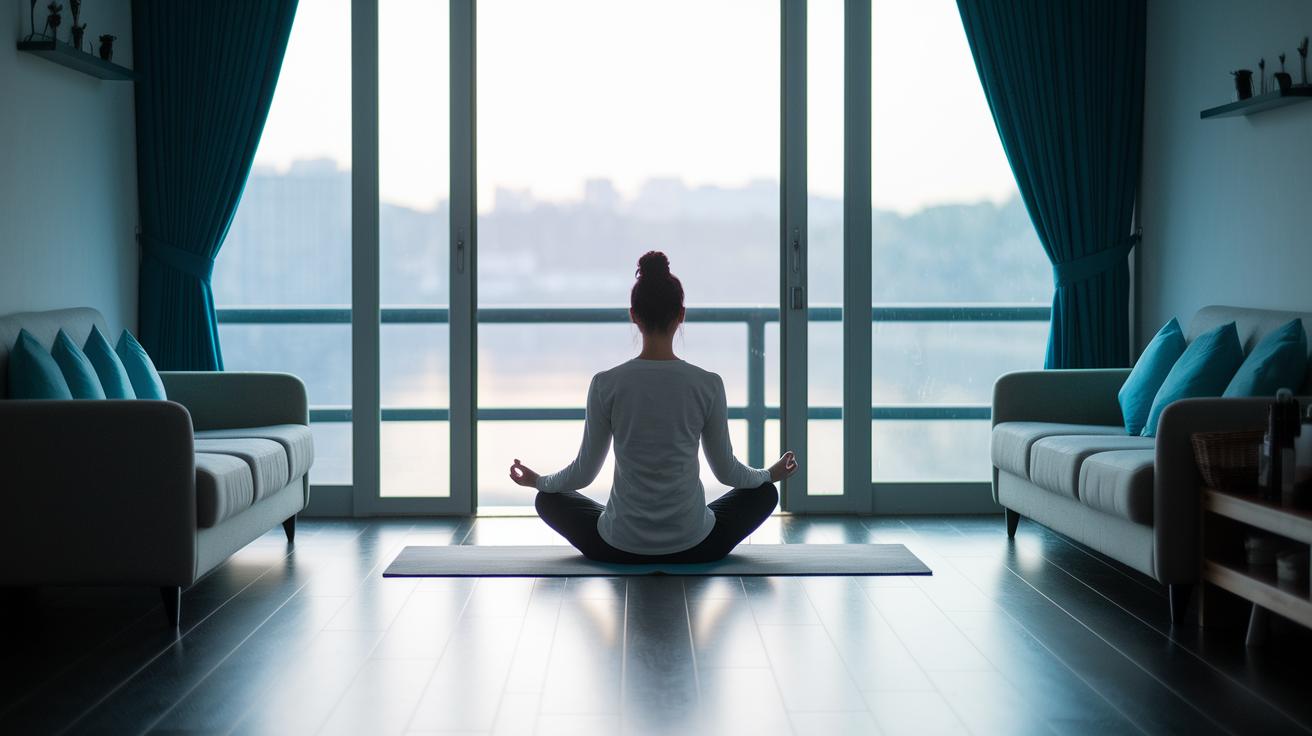
Taking a few minutes each day to practice meditation and deep breathing can help ease the tightness in your head. Sit quietly, breathe deeply, and notice how your chest rises and falls. This simple habit can lessen the stress that builds up and reduce head pressure on hard days.
Regular exercise and good sleep habits can also calm tension. Even a short walk or some gentle stretching can lower stress hormones that affect your head. Keep a steady sleep routine and make your bedroom cozy to help your body unwind and recover.
Making small changes to your work setup and adding mindful movement can bring long-term relief. Use a supportive chair and keep good posture when you work. Adding gentle yoga or tai chi to your routine can boost your body awareness. These practical steps help lessen stress and keep head pressure in check.
Professional Treatments for Chronic Anxiety Head Pressure
Quick take: Fast relief and steady care are possible when your head pressure is linked to anxiety.
If you have any of these emergency signs, call emergency services now:
- Severe headache that comes on suddenly
- Confusion or sudden changes in vision
- Intense pressure that quickly gets worse
For urgent help, seek same-day medical care if your symptoms feel out of control. Otherwise, monitor your feelings and follow up with your clinician.
Ketamine infusion therapy is a new option that can ease the heavy, uncomfortable head pressure fast. It works by calming brain pathways that are overactive. You get this treatment in a safe, controlled setting with certified anesthesia professionals watching you closely. Many patients feel relief soon after the treatment.
You may also work with a psychotherapist or psychiatrist to find the root of your anxiety. They help you learn ways to handle stress and ease the tension in your head over time.
For lasting care, programs like Partial Hospitalization Programs (PHP) and Intensive Outpatient Programs (IOP) offer structured treatment without the need to stay overnight in a hospital. These programs mix therapy, medication care, and group support. They help manage anxiety and reduce head pressure.
Experts say that using both fast-acting treatments like ketamine and more traditional therapies is key. This balanced plan meets your need for immediate relief and long-term progress.
Final Words
In the action, you learned that stress and anxiety can cause head pressure. The guide broke down how physical changes lead to head discomfort and offered clear steps, from home remedies to professional care. It also highlighted red flags that indicate when to seek medical help. Simple lifestyle tweaks and breathing techniques can help manage symptoms. With these insights, you can take control and feel more at ease. Remember, understanding how stress and anxiety cause head pressure empowers you to act safely and confidently.
FAQ
How do you relieve anxiety head pressure?
Relieving anxiety head pressure means easing tightness through techniques like slow breathing, gentle scalp massage, hydration, and relaxation to calm your body and mind.
Why do I experience head pressure every day?
Experiencing head pressure daily may be linked to ongoing stress or anxiety that causes muscle tension. This persistent sensation can indicate that your body is constantly under stress.
How does head pressure on one side relate to anxiety?
Head pressure on one side with anxiety may result from uneven muscle tension or a localized stress response. It can feel like concentrated tightness that varies with your stress levels.
Can anxiety cause head pressure in your eyes?
Anxiety can cause head pressure in your eyes by increasing tension around your head and eye muscles, leading to a dull, strained feeling that may affect both areas.
What does anxiety head pressure feel like?
Anxiety head pressure feels like a heavy, tight sensation that spreads across the head, often creating a general feeling of fullness or pressure without sharp pain.
How can head pressure be linked to dizziness and ear pressure?
Anxiety-related head pressure may come with dizziness and ear pressure as your body reacts to stress. This happens when tension and altered blood flow affect both your head and ears.
How can you tell if you’re having an anxiety attack?
An anxiety attack may include a rapid heartbeat, sweating, shortness of breath, and overwhelming head pressure, along with sudden intense feelings of panic or fear.
Can anxiety also cause pressure in the ears?
Anxiety can cause ear pressure by changing blood flow and muscle tension around the ears, leading to a tight, uncomfortable sensation that may affect ear comfort.
What should I do if my head feels heavy and pressured but without pain?
A head that feels heavy and pressured without pain might be from anxiety-induced tension. Monitor your symptoms and try relaxation techniques to help ease the sensation over time.
Can head pressure be caused by stress?
Head pressure can be caused by stress, as stress triggers muscle tension and changes in blood flow. This results in a feeling of tightness and heaviness across the head.