
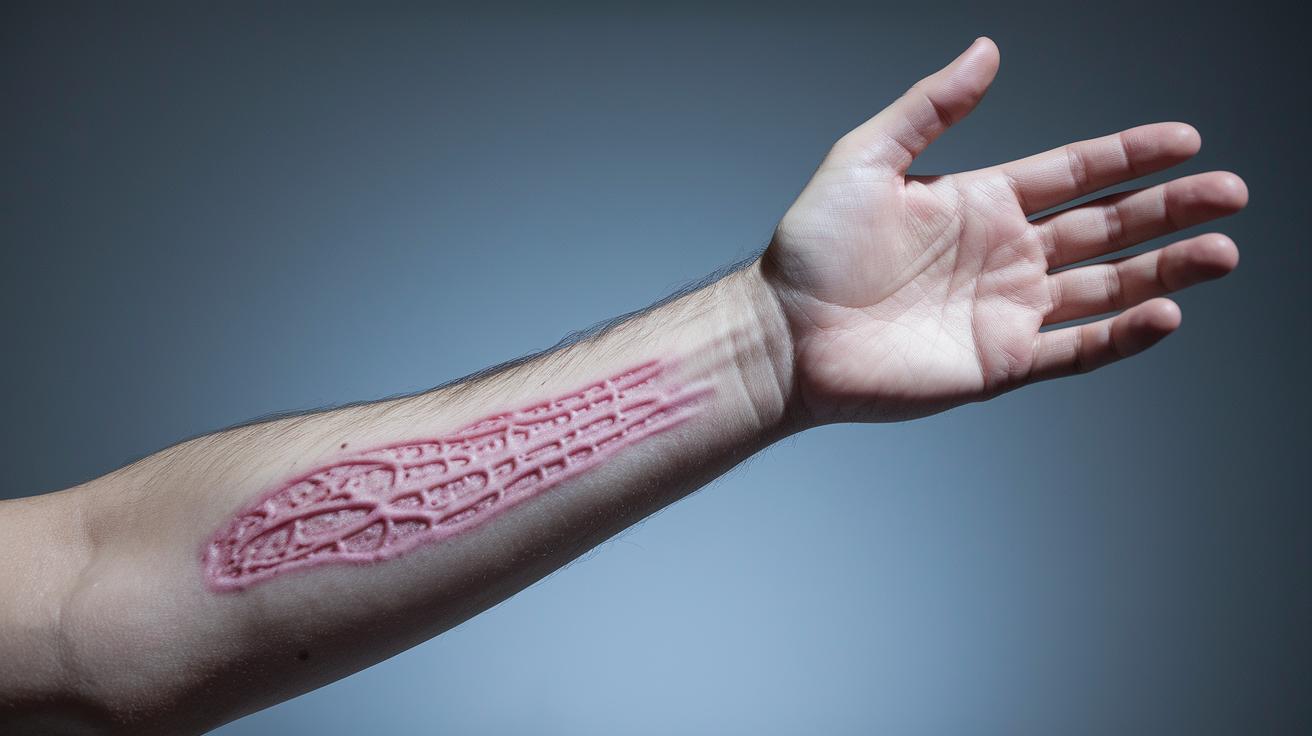

Quick take: Most red or purple skin patches are harmless, but watch for changes such as growth or new discomfort.
Triage Box:
• If the spot grows or changes size, call your doctor.
• If the patch becomes painful or starts to itch, seek same-day medical advice.
• If you feel worried by any new symptoms, get checked by a clinician.
Red or purple marks on your skin are often due to vascular lesions, which are clusters of blood vessels that show up as discolored spots. These marks are usually not dangerous. However, if you notice that the patch is growing or feels different, it is important to have it evaluated. In this guide, we explain what might cause these spots and share simple steps to track any changes. We also help you tell the difference between a harmless mark and one that needs more attention.
Understanding Vascular Lesions on Skin
Quick take: These skin changes are usually harmless but need checking if they start hurting, itching, or bleeding.
Red flags – Call emergency services now if:
• The lesion suddenly becomes very painful.
• It starts to itch badly or bleeds.
Urgent – See your clinician soon if:
• The lesion grows in size or changes color fast.
• You notice new spots that worry you.
Watch and self-manage:
• If the spots remain stable and don’t cause discomfort, monitor them.
Vascular lesions occur when your skin’s blood vessels don’t work right. They can appear at birth or sometime later in life. You might see red or purple patches caused by extra blood vessels or issues with the vessels you already have. You may notice tiny red lines on your legs or face that look like delicate webs.
These lesions happen for two main reasons. One reason is extra blood vessel formation (angiogenesis, which means new blood vessels growing). The other is malfunctioning vessels that don’t circulate blood well. When extra tiny vessels form, they cause spider veins that look like fine, web-like lines. In other cases, larger vessels may twist or bulge, a pattern seen in varicose veins.
Most vascular lesions are harmless and don’t cause pain. However, if a lesion starts to hurt, itch, or bleed, it could mean something is wrong and you should get it checked. Spider veins usually cause only cosmetic concerns. On the other hand, varicose veins might lead to discomfort, swelling, or even open sores. Keep track of any changes and share these with your healthcare provider to decide on the best care for you.
vascular lesions skin: Advanced Insights

Birthmark blood vessel problems happen when vessels don’t form correctly before you are born. These issues are often linked to changes in your genes. For instance, port-wine stains are caused by a change in the GNAQ gene (a gene that helps control blood vessel growth). A child with a port-wine stain may have this gene change, which can sometimes mean other tissues might be at risk. New studies show that differences in gene activity affect how stable these marks are and how they might respond to treatment.
Later in life, skin blood vessel marks can appear after events like an injury or hormonal changes. They usually look like red or purple patches and may show signs of swelling and uneven vessel growth. Doctors now use improved imaging tools and sometimes take small skin samples to check these marks and decide if treatments, such as laser therapy, are needed. You might also be asked to keep a simple diary of changes, noting the size and look of the patch, so your doctor can decide when it’s time to act.
vascular lesions skin: Bright Medical Insights
New research shows that doctors now use tools like high-frequency ultrasound (a type of sound wave imaging) to check how deep a lesion is and measure blood flow. This important information helps guide treatments like laser therapy and sclerotherapy (where a liquid is injected to shrink veins). These methods not only lessen the appearance of spider and varicose veins but also help ease discomfort and prevent further complications. One study even found that targeted laser treatments made the lesions much less visible after only a few sessions.
Researchers have also found that blending modern techniques with traditional ones improves outcomes. For instance, one team discovered that using both laser and radiofrequency treatments (which gently heats the tissue) reduced cosmetic concerns by 80% while also keeping an eye on symptoms like pain and bleeding. Regular check-ups with these advanced techniques enable doctors to adjust treatments as needed, ensuring you receive care that works best for you.
Diagnostic Approaches for Vascular Lesions Skin
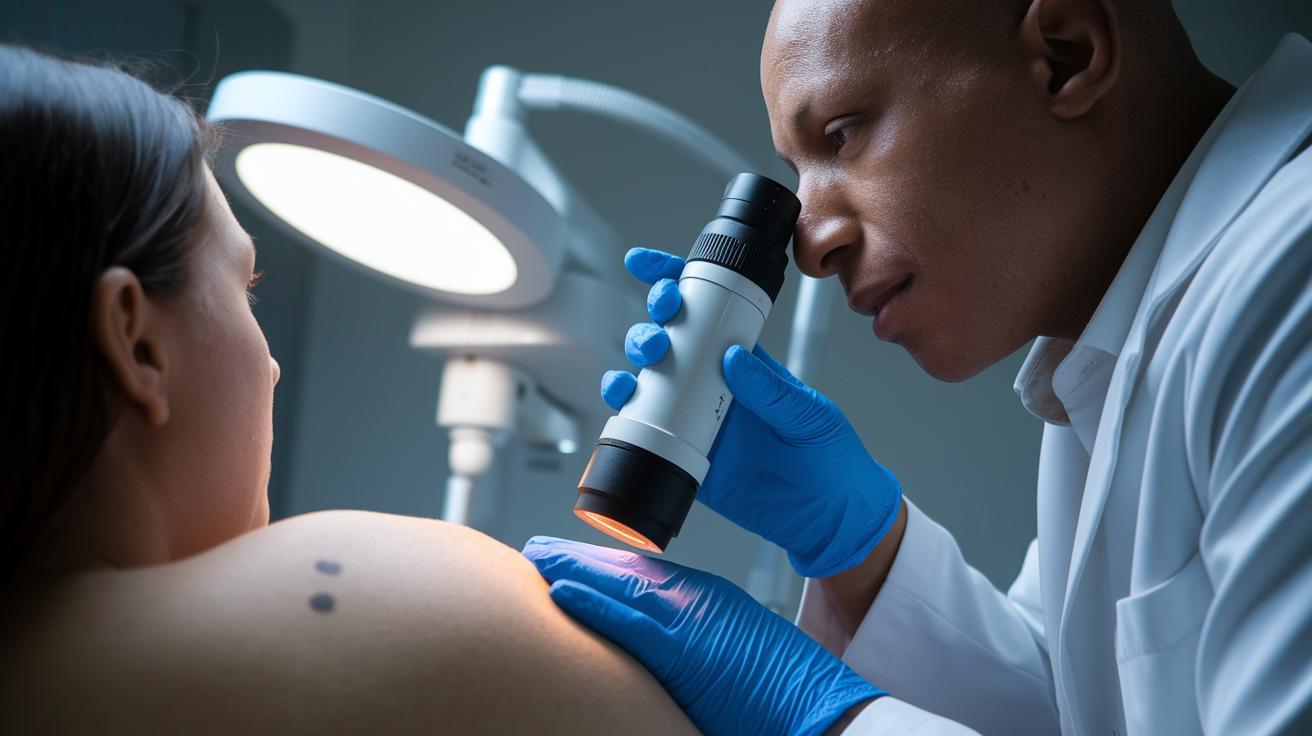
Quick take: Your dermatologist starts with a careful look at your skin and may use extra tests if anything seems off.
Triage:
- If the lesion changes color, shape, or texture quickly, call your doctor.
- If you notice bleeding or rapid growth, seek urgent care.
- Keep an eye on the lesion and note any new symptoms.
Your dermatologist begins with a close visual exam. They check the lesion’s color, shape, and texture to decide if it looks harmless or needs more tests. This first look helps rule out serious problems.
If the lesion still seems unclear after this exam, the doctor may use additional tools. They might use dermoscopy (a special tool that magnifies your skin) or take a small tissue sample (skin biopsy) for lab tests. These extra steps help confirm the type of lesion and guide a proper treatment plan.
Early testing is important to catch any issues fast and keep you safe.
Treatment Options for Vascular Lesions Skin
Quick take: Treatments vary based on your lesion's type, location, and seriousness. Read on for a friendly overview of common options and what they mean for you.
If you notice any unexpected symptoms like severe pain, heavy bleeding, or rapid changes in your skin, call emergency services right away.
Vascular lesion treatments are chosen based on what your doctor finds. Many treatments are gentle and work without major cuts. Laser therapy is a popular method that uses focused light to target unwanted blood vessels. Advanced lasers, such as Harmony XL PRO and Cutera Excel V, work precisely to remove these vessels with few side effects and a fast recovery. This treatment can help lessen red or purple patches on your skin.
Other options include sclerotherapy and surgical excision. Sclerotherapy involves injecting a special solution into the blood vessel, which makes it shrink and fade slowly. This method works well for smaller lesions and spider veins. For larger or stubborn lesions, your doctor might suggest surgical excision to remove the abnormal tissue directly. Your doctor will work with you to decide if one treatment or a mix of several is the safest and most effective choice.
| Treatment Modality | How It Works | Best For |
|---|---|---|
| Laser Therapy | Uses focused light to destroy unwanted blood vessels | Superficial lesions and spider veins |
| Sclerotherapy | Injects a solution to shrink and fade vessels | Small to moderate lesions |
| Surgical Excision | Removes tissue by cutting | Extensive or resistant lesions |
When to Seek Professional Care for Vascular Lesions Skin

Watch for any changes in the lesion. If you experience ongoing pain, notice the lesion growing fast, see new sores, or unexpected bleeding, call your doctor. These changes have been noted in our sections on Understanding Vascular Lesions on Skin, Diagnostic Approaches, and Treatment Options. Your provider can decide if further review is needed.
Keep a record of what you observe. Write down the date and details of any changes. For example, write: "6/1: lesion bled a little; 6/3: pain got worse and lesion grew noticeably." This record helps your clinician see how the lesion is changing and decide on the next steps if symptoms worsen.
Final Words
In the action of handling vascular lesions skin, this guide broke down what these blood vessel changes look like, their causes, and how treatment options work.
It outlined clear signs to watch for, including pain or unusual growth, so you know when to seek care.
By tracking symptoms and sharing details with your clinician, you’re taking smart, quick steps to stay safe. Keep focused on your health and trust that swift action goes a long way.
FAQ
Vascular skin lesions pictures
Vascular skin lesions pictures show red or purple patches and lines on the skin. They are images of conditions like spider veins and varicose veins used to illustrate blood vessel irregularities.
Vascular lesion examples and What is an example of a vascular lesion?
Vascular lesion examples include spider veins, which are small, thin red lines, and varicose veins, which appear as raised, bulging cords. Both are common examples seen in everyday practice.
What lesions is a vascular lesion?
What qualifies as a vascular lesion involves conditions where blood vessels in the skin form abnormally. These lesions include benign formations like spider veins and varicose veins resulting from irregular blood vessel functioning.
Vascular lesions face
Vascular lesions on the face present as red or purple spots or lines. They are similar to lesions on other parts of the body but occur in facial areas, usually remaining harmless and cosmetic.
Vascular lesion types
Vascular lesion types cover a range from small spider veins to larger varicose veins. They can be either congenital or develop later, with severity and symptoms varying between types.
Are vascular lesions dangerous?
Most vascular lesions are harmless and largely cosmetic; however, if they cause pain, bleeding, or rapid changes, consulting a clinician is advised to rule out complications.
Can vascular lesions be cancerous?
They are generally benign and not cancerous. Still, any lesion that changes in size, becomes painful, or starts bleeding should be evaluated by a clinician.
Vascular lesion symptoms
Vascular lesion symptoms include visible red or purple patches, lines, or bulges on the skin. While most are painless, some may feel tender or cause irritation if they begin to bleed.
What causes vascular skin lesions?
What causes vascular skin lesions is the abnormal formation or malfunction of blood vessels. These can be congenital, due to inherited factors, or acquired following hormonal changes or injuries.
How do you treat vascular lesions?
How you treat vascular lesions depends on the type, location, and severity of the lesion. Treatment options include laser therapy, sclerotherapy, or surgical excision to improve appearance and comfort.