
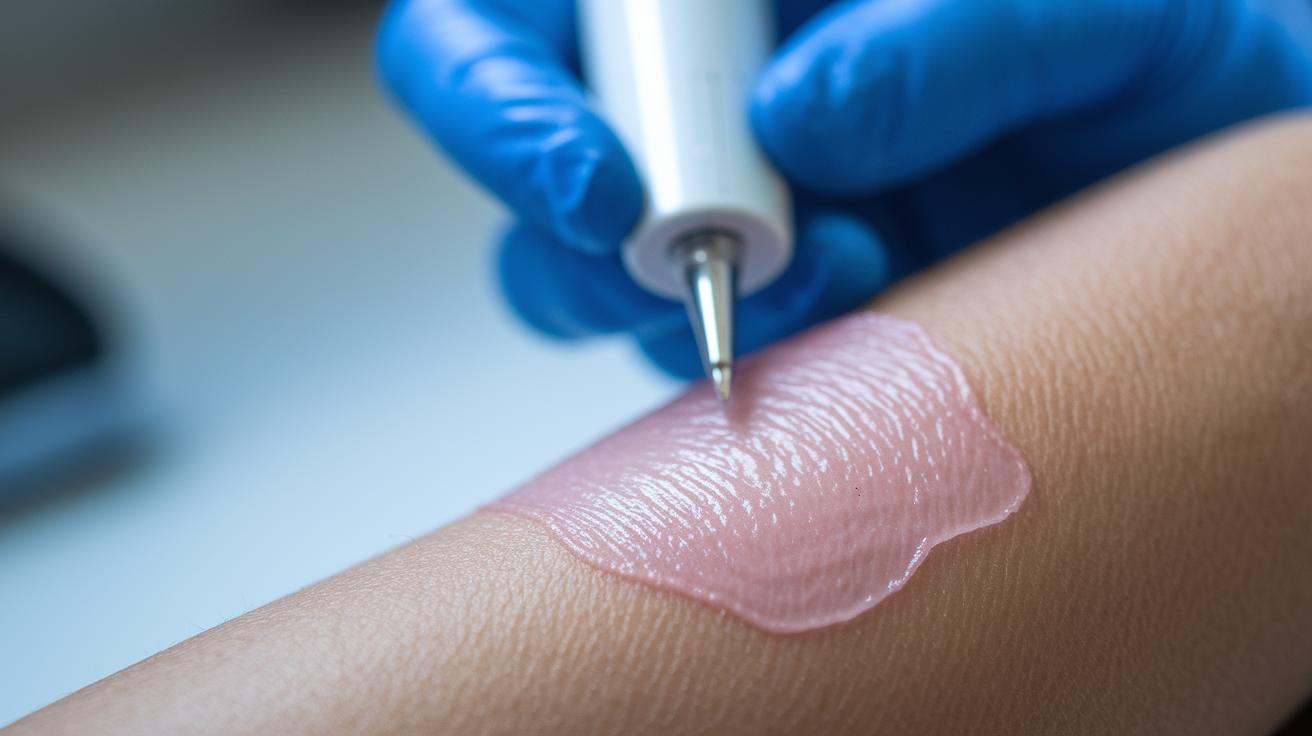

Quick take: A new skin spot may be harmless, but it can also hint at a change that needs closer care.
At first, a new spot might not worry you. However, sometimes what looks like a simple mark can indicate a change in your skin. This guide explains common causes and warning signs so you know when to monitor the spot and when it’s a good idea to get help.
Keep an eye on any changes in size, color, or shape. If you notice any differences or if the spot starts itching, bleeding, or feels different, it’s time to check in with your doctor. Knowing these signals can help you act early to protect your skin health.
Common Skin Lesion Causes and Risk Factors
Quick take: Skin lesions vary in appearance and can be a sign to act now if they change.
If you see any of these warning signs, contact your healthcare provider:
- A lesion that grows fast or changes shape
- A lesion that changes color or starts to bleed
- A lesion that becomes painful or very itchy
Skin lesions are changes or bumps on your skin that show up in different forms. There are two types. Primary lesions appear on skin that was clear before. Examples include moles, freckles, or small cysts. Secondary lesions develop from these original spots or arise when the skin is irritated by scratching, infection, or the healing process. For example, macules are flat, colored spots less than 1 cm, while patches are larger but still flat.
Knowing what can cause skin lesions helps you spot red flags early. If you notice a spot getting bigger, changing shape, or altering color, it might mean the skin is reacting to sun damage or other risks. These signs should prompt you to schedule an appointment with a dermatologist. Risk factors include spending long hours in the sun without protection, having a family history of skin cancer, or having many moles already.
Environmental and lifestyle factors also play a role. Sun exposure can increase melanin (a natural pigment) and harm skin cells, especially when you are out in the sun without sunscreen. Other causes might be related to chemical exposures or even minor injuries to the skin.
Keep an eye on any new or changing spots. Even small differences, like a spot that starts to bleed, are important. If you see these changes, it is best to get a professional evaluation as soon as possible.
Infection-Driven Skin Lesion Causes

Quick take: Skin changes like red, crusted, or blistering spots may come from bacteria, viruses, or fungal infections.
Triage Box:
• If you have a high fever (over 102°F) or very fast skin changes, call emergency services now.
• If lesions spread quickly or cause severe pain, seek urgent care.
• Keep watching your skin and note any changes if symptoms are mild.
Bacterial infections can trigger skin issues. For instance, impetigo (a common skin infection caused by bacteria) often shows up as red spots that ooze and then form yellowish crusts, especially on a child’s face.
Viral infections also impact your skin. Chickenpox, for example, makes small, fluid-filled blisters that later turn into scabs. Herpes simplex (a virus that causes sores) usually brings clusters of painful bumps around the lips. You might see tiny red bumps that soon evolve into itchy blisters. Before a rash spreads, spotting clusters early can help manage discomfort.
Fungal infections, such as ringworm or candidiasis (a yeast infection), can cause scaly, patchy areas with irregular or circular borders. These changes happen as your body’s immune system sends inflammation to the area, leading to bumps or pus-filled spots.
If you notice new spots or rapid changes in your skin lesions, jot down their size, location, and how they evolve. This simple record can guide you on when to get a checkup.
Autoimmune and Genetic Skin Lesion Causes
Quick take: Your skin changes may be linked to your immune system, your family’s genes, or a broader illness in your body.
Triage Box:
Red flags: If you notice skin lesions that are very painful, spread quickly, or come with a fever, call emergency services now.
Urgent: If new lesions appear or existing ones get worse, seek same-day medical help.
Self-care: Track changes in your skin, including size, color, and texture, and share these with your doctor.
Sometimes your immune system mistakenly attacks your own skin. Conditions like psoriasis, lichen planus, and eczema cause chemical messengers (cytokines) to gather immune cells in one spot. This can lead to red, scaly patches or raised, itchy bumps.
Your genes also have a strong role. If your close family members have skin changes such as moles or skin tags, you may notice similar changes over time.
Other body illnesses, such as lupus or Crohn’s disease, can cause skin lesions too. These conditions might give you rashes or other skin changes along with other symptoms. It helps to note when the lesions appear and if they occur with other health changes.
Keep a simple record of your skin changes:
- Note the size, color, and shape of each lesion
- Record any changes over time
- Mention other symptoms that come along
Sharing this information with your healthcare provider can help determine if your immune system or inherited factors are causing your skin changes.
Environmental and External Skin Lesion Causes
Sunlight overexposure can harm your skin. UV rays damage skin cells by altering their DNA (cell instructions) and can trigger extra melanin (the pigment that gives skin its color). This can lead to rough, scaly patches (actinic keratoses) or age spots (solar lentigines). If you spend long hours in the sun, especially without protection, your skin is at risk.
Harsh chemicals may also irritate your skin. Contact with industrial compounds or cleaning agents can cause red, inflamed skin or even chemical burns (contact dermatitis). If you work around these chemicals, be sure to wear proper protective clothing.
Radiation is another factor that can change your skin. Similar to UV light, radiation can damage skin cells, leading to redness or dark spots near the treatment area if you are receiving radiation therapy.
Even small mechanical injuries, like cuts, insect bites, or constant rubbing from items such as a watchband or backpack strap, can lead to minor skin lesions.
Follow these steps to protect your skin:
- Wear sunscreen and protective clothing when you’re outside.
- Use proper safety gear when handling chemicals.
- Keep an eye on your skin and note any new or changing spots.
Diagnostic Approaches to Determining Skin Lesion Causes
Quick take: A suspicious skin spot may show rough edges, mixed colors, or changes over time. If you see these signs, act quickly and talk to your doctor.
If you have any of these red flags, call emergency services now:
- Uneven shape
- Jagged borders
- Multiple colors in one spot
- Size larger than 6 mm (about ¼ inch)
- Any noticeable change over time
At your exam, your doctor checks for the ABCDE signs of melanoma. They look to see if the spot is uneven, has irregular edges, shows different colors, measures more than 6 mm, or has changed recently. These signs help decide if a spot is harmless or if it needs more tests.
Your doctor may use a dermoscope. This is a small, lighted tool that works like a magnifying glass for your skin. It shows details such as pigment networks and tiny blood vessel patterns. These extra details help to decide if further tests, like a biopsy, are needed.
When a spot looks worrisome, a biopsy might be performed. This means a small piece of the spot is removed and looked at under a microscope. Experts search for unusual cells that could mean skin cancer.
Use this checklist to monitor your skin:
- Write down the size and shape of spots.
- Note any changes in color or texture.
- Track if any spot changes over time.
Regular self-checks and yearly dermatologist visits are important to catch any changes early. Following these steps puts you in control of your skin health.
Preventive and Home Care Measures for Skin Lesion Causes
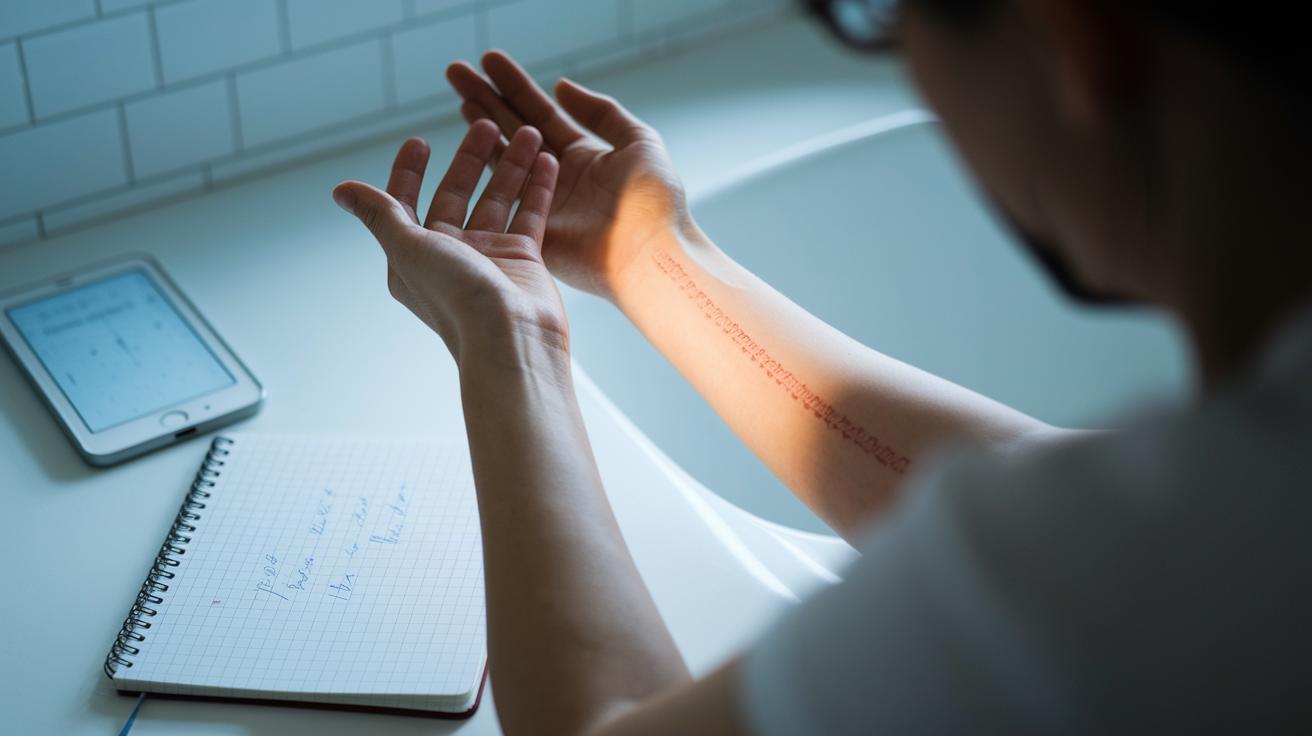
Quick take: Check your skin each month and act fast if you see any change in a spot.
If you notice any of these signs, contact your healthcare provider right away:
- A spot grows bigger or changes shape.
- The color fades or deepens.
- The texture becomes uneven or you feel discomfort.
For a thorough check, follow these steps:
• Look at your skin once a month in good light.
• Write down the date and note any spot's size, color, and shape.
• If you have many moles or spend lots of time in the sun, schedule an annual exam with a dermatologist.
To protect your skin from sun damage, use broad-spectrum sunscreen every day. Choose an SPF 30 or higher and reapply if you stay outdoors for more than 2 hours. Wearing hats and long-sleeved clothing adds extra protection. Keeping a clean routine and avoiding allergens also helps reduce the risk of skin irritation (dermatitis).
If you have harmless spots like warts, you might be able to manage them at home with over-the-counter creams, cryotherapy kits (tools that freeze skin growths), or even laser treatments. Always follow the instructions on these products and check with your healthcare provider if you’re unsure which treatment is best.
Keep a simple record:
| Date & Time | Spot Details (Size, Color, Shape) | Changes or Discomfort Noted |
|---|
This plan helps you catch early warning signs and supports a lifestyle that keeps your skin healthy.
Final Words
In the action, we reviewed common skin lesion causes including infections, immune responses, genetics, and environmental triggers. We explained how each factor can lead to changes in your skin and why it matters to watch for signs like shifts in size or color. We also covered useful diagnostic tips and home care steps to help you act safely. Keeping an eye on these risks and practicing prevention, such as sun safety, can guide you in deciding when to seek care. Stay positive and be proactive about your skin health.
FAQ
Skin lesions pictures
Skin lesions pictures show images of abnormal skin changes. They help you compare and learn about different lesion types for better recognition.
Types of skin lesions chart
Types of skin lesions chart provides a visual guide that classifies lesions into primary lesions (on healthy skin) and secondary lesions (developing from external factors or changes in primary lesions).
Secondary skin lesions
Secondary skin lesions are those that develop from primary skin lesions or result from factors like scratching, infections, or healing processes.
Primary and secondary skin lesions
Primary and secondary skin lesions distinguish between changes that appear on normal skin and those that occur due to external influences or modifications of an existing lesion.
Benign skin lesions pictures
Benign skin lesions pictures display images of non-cancerous skin changes such as moles and skin tags, which are typically harmless.
Papule Skin lesion
Papule skin lesion describes a small, raised bump on the skin, usually under 1 cm in diameter, that can be associated with infection or inflammation.
Primary skin lesions
Primary skin lesions are abnormal changes that appear on previously healthy skin, including moles, freckles, and cysts, and should be monitored for any changes.
Crust skin lesion
Crust skin lesion refers to a hard, dried layer on the skin often forming over a healing area after infection, irritation, or trauma.
What causes a skin lesion and What would cause a lesion?
What causes a skin lesion can include infections, autoimmune responses, genetic factors, UV exposure, or trauma. Each factor triggers skin changes that lead to the development of a lesion.
What is a lesion on an arm?
A lesion on an arm is an abnormal spot or growth on the arm that might look like a mole, papule, or patch. Monitor it if its appearance or size changes.
What are the 10 primary skin lesions?
The 10 primary skin lesions include macule, patch, papule, plaque, nodule, vesicle, bulla, pustule, cyst, and wheal. Each type has unique features noted during a clinical exam.