
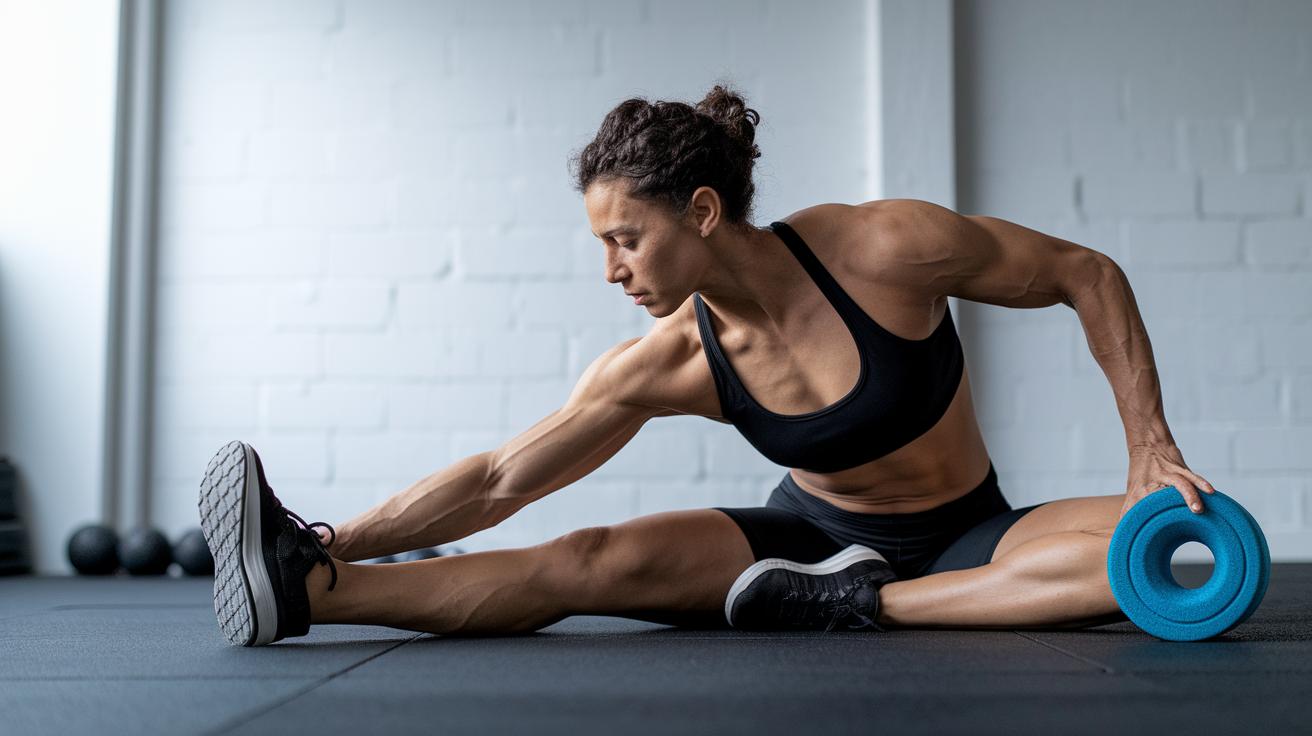

Quick take: Gentle stretches after exercise can ease muscle tension and speed recovery.
After a good workout, your muscles often feel tight and sore. Simple stretches boost blood flow (the movement of blood through your body) and help relax tense muscles. This guide shows you a few easy stretches to target the areas that usually feel the stiffest.
These moves can lower soreness, improve flexibility, and even help protect you from injury in your next workout. Small changes like adding gentle stretches to your cool-down routine can truly make a big difference in your recovery.
Essential Recovery Stretches to Improve Post-Workout Flexibility
After your workout, stretching helps your muscles recover. It boosts blood flow to bring nutrients in and flush out waste. This simple step eases soreness and lets your muscles relax.
Aim to hold each stretch for 30–45 seconds. If you're just starting out, hold for 15–20 seconds so you don’t stretch too far.
Each stretch below targets a muscle group that can feel tight after exercise. Try these moves to ease discomfort, boost your range of motion, and lower your risk of injury.
-
Cross-Body Shoulder Stretch
• Target: Back of the shoulder (posterior deltoids) and upper back
• How to: Cross one arm over your body. Use your other arm to pull it closer while keeping the shoulder relaxed.
• Hold: 30–45 seconds (15–20 seconds for beginners) -
Overhead Triceps Stretch
• Target: Triceps and shoulders
• How to: Raise one arm overhead and bend the elbow. Gently press the bent elbow with your other hand.
• Hold: 30–45 seconds -
Thread the Needle
• Target: Shoulder muscles (rotator cuff) and shoulder blade
• How to: Start on your hands and knees. Slide one arm under your chest and let your shoulder rest on the floor.
• Hold: 30–45 seconds -
Standing Biceps Stretch
• Target: Biceps
• How to: Place your arm against a wall with your palm facing up. Slowly lean away to feel a gentle pull.
• Hold: 30–45 seconds -
Forearm and Wrist Flexor Stretch
• Target: Forearms
• How to: Extend your arm straight ahead and gently pull back your fingers with your other hand.
• Hold: 30–45 seconds -
Door Frame Chest Stretch
• Target: Chest muscles
• How to: Place your hand and arm inside a door frame. Lean forward until you feel a stretch in your chest.
• Hold: 30–45 seconds -
Prayer Stretch
• Target: Wrists and forearms
• How to: Press your hands together in front of your chest. Push outward gently to feel the stretch.
• Hold: 30–45 seconds -
Behind-the-Back Hand Clasp
• Target: Shoulders and chest
• How to: Clasp your hands securely behind your back and gently lift your arms. Keep your shoulders relaxed.
• Hold: 30–45 seconds
Alternate these stretches by grouping similar areas, and mix upper and lower body moves. Do them right after your workout when your muscles are still warm. This routine helps relieve tightness and gets you ready for your next session.
The Science Behind Recovery Stretches After Workouts
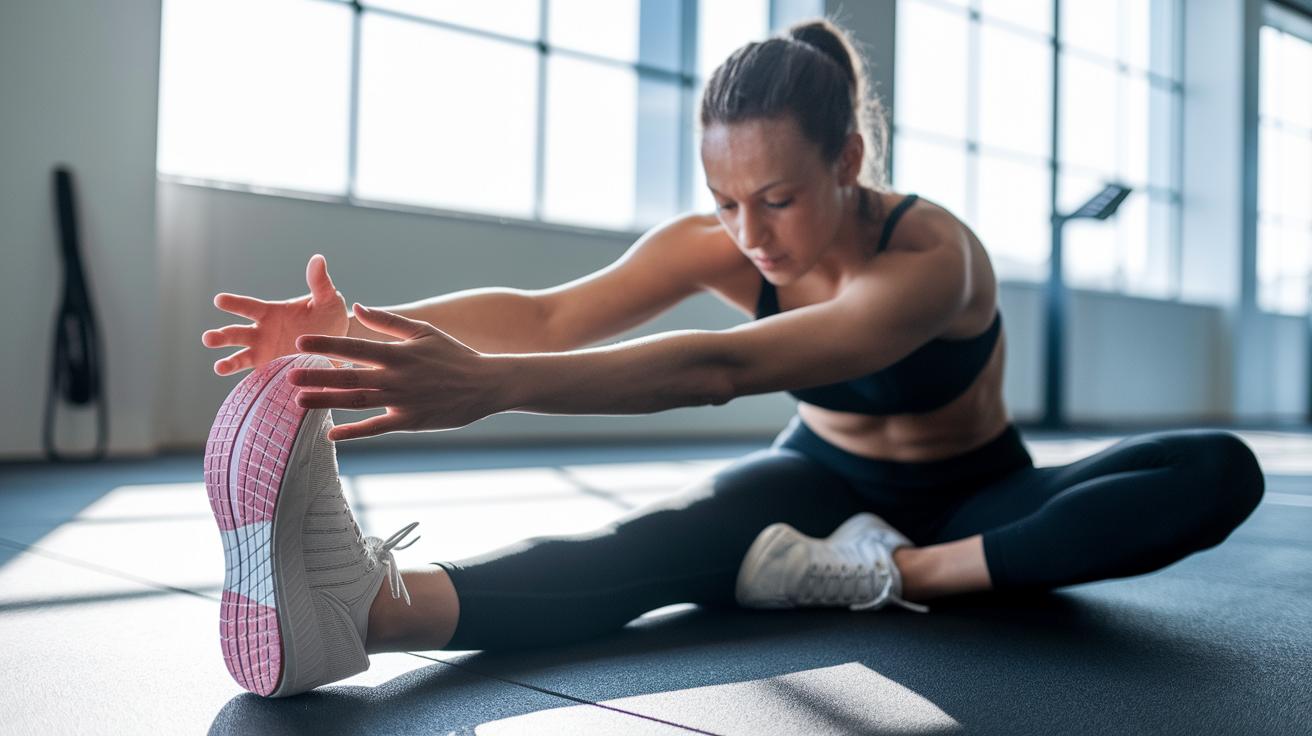
After exercise, stretching gets your blood moving. This helps deliver oxygen and nutrients to your muscles so they can repair and regain energy. Think of each stretch as a pump that clears away waste, like lactic acid (a build-up that can make muscles feel sore).
Lowering lactic acid means your muscles feel less tight and stiff. When your body clears out these byproducts, you reduce the chance of cramps and discomfort. This helps you move from hard work back to rest faster.
After your stretch routine, try the RICE steps: rest, ice, compression, and elevation. You might also switch between ice and heat to reduce swelling and boost blood flow. Adding protein-rich foods gives your body the materials it needs to rebuild muscle. Light workouts may recover in about 24 hours, but tougher sessions could take 42 to 72 hours.
Static vs Dynamic Recovery Stretching After Workouts
Dynamic stretches warm up your muscles by moving them through a full range of motion before exercise. These smooth, controlled movements for 5–10 minutes boost blood flow and raise your body temperature, just like revving an engine before you drive. For example, you might gently swing your arms or perform leg lunges to get your body ready.
After your workout, static stretches are ideal. When your muscles are warm, holding each stretch helps them relax and recover. Aim to hold these stretches for 30–45 seconds, or 15–20 seconds if you are just starting out. This practice helps reduce soreness and improves flexibility over time.
| Stretch Type | Purpose | Ideal Timing | Hold/Duration |
|---|---|---|---|
| Static Stretch | Helps muscles relax and boosts flexibility | After workouts | 30–45 seconds (15–20 seconds for beginners) |
| Dynamic Stretch | Warms up muscles and increases mobility | Before workouts | 5–10 minutes of movement |
Using these techniques correctly can lower your injury risk, improve your performance, and support a smooth recovery.
Adjusting Recovery Stretches After Workouts Based on Workout Intensity
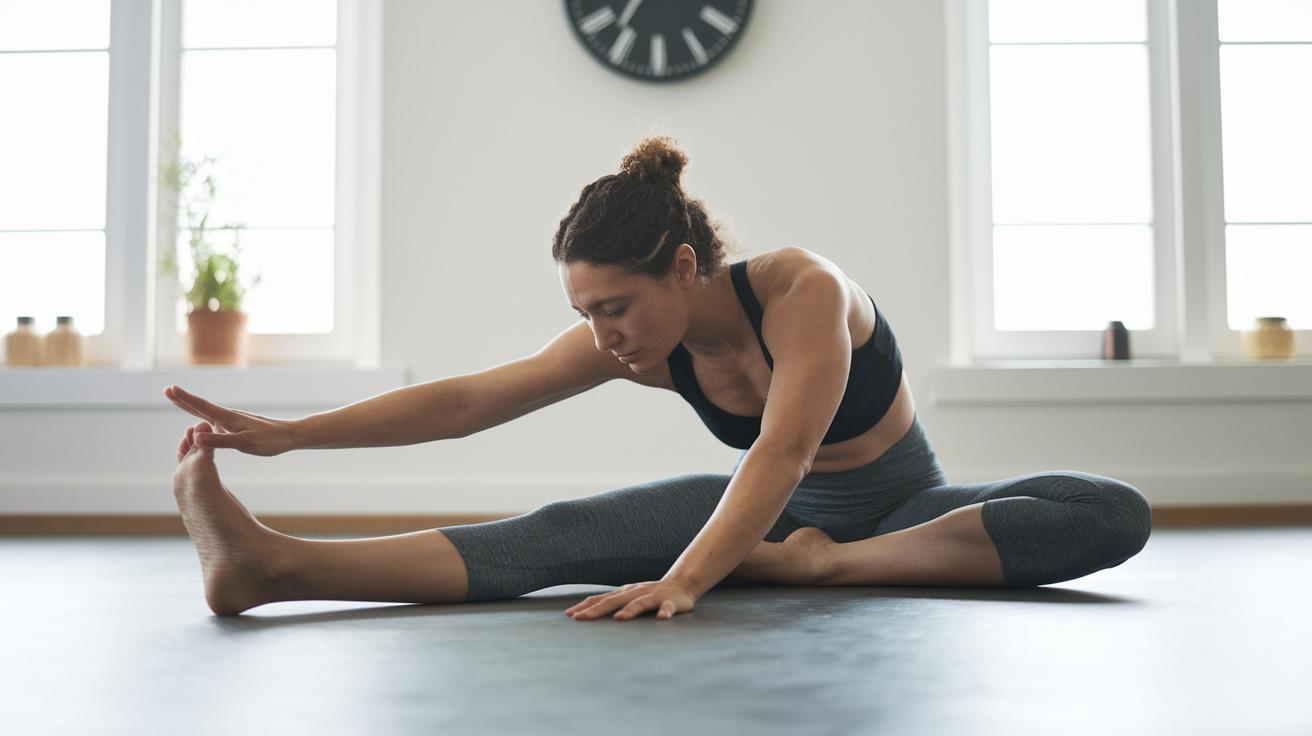
Quick take: Match your stretches to how hard you worked and how much recovery you need.
For light workouts with a 24-hour recovery period, stick to slow, gentle stretches. Keep movements controlled and hold each stretch just long enough to ease a bit of tension. Listen to your body and ease into recovery as if you are gently nudging your muscles to relax.
After a tough workout that needs 42–72 hours of recovery, add gentle drills that keep you moving. Try simple joint movements like rocking back and forth to boost blood flow without straining tired muscles. If you feel extra fatigue or some ache, follow usual recovery steps before slowly resuming very light flexibility work.
Adjust how deep and long you stretch based on how your muscles feel. If they are very tight, shorten the stretch or make it less intense. Gradually increase your time only when your muscles signal they are ready, ensuring each session fits the strain of your workout.
Common Mistakes to Avoid in Recovery Stretches After Workouts
Stretching after exercise is key to recovery, but a few common errors can lead to more harm than good. These mistakes can cause extra muscle strain or even injury if you’re not careful.
• Bouncing during stretches: Don’t bounce. Use smooth, gentle movements to protect your muscles from tiny tears.
• Holding stretches too long: Aim to hold each stretch for 30–45 seconds. Holding a stretch for more than 60 seconds may slow you down.
• Skipping a warm-up: Always start with a brief warm-up to get your blood flowing. This helps your muscles warm up and reduces the risk of injury.
• Ignoring breathing techniques: Breathe slowly and steadily. Holding your breath can build tension in your muscles.
• Overstretching cold muscles: Ease into deeper stretches gradually. Avoid trying a deep stretch on muscles that haven’t warmed up yet.
Stick with a careful routine. Use controlled movements and proper timing for every stretch. This approach helps ease muscle tension, boosts flexibility, and keeps you safe from injury.
Recovery Stretch Routines After Workouts for Major Muscle Groups
Hamstrings
For your hamstrings, start with a straight-leg hinge. Stand with your feet about hip-width apart and slowly bend forward at your waist. Keep your legs straight but not locked so you feel a gentle pull along the back of your thighs. If you can’t reach your toes, try bending your knees a bit or use a yoga block for help. Hold the position for 30–45 seconds to let your muscles relax and lengthen.
Quadriceps
To stretch your quadriceps, stand on one leg and grab the ankle of your opposite leg. Keep your knees together and push your hips forward while standing tall. If you need extra balance, lean on a wall or chair. Hold this stretch for 30–45 seconds to ease tightness in the front of your thigh.
Calves
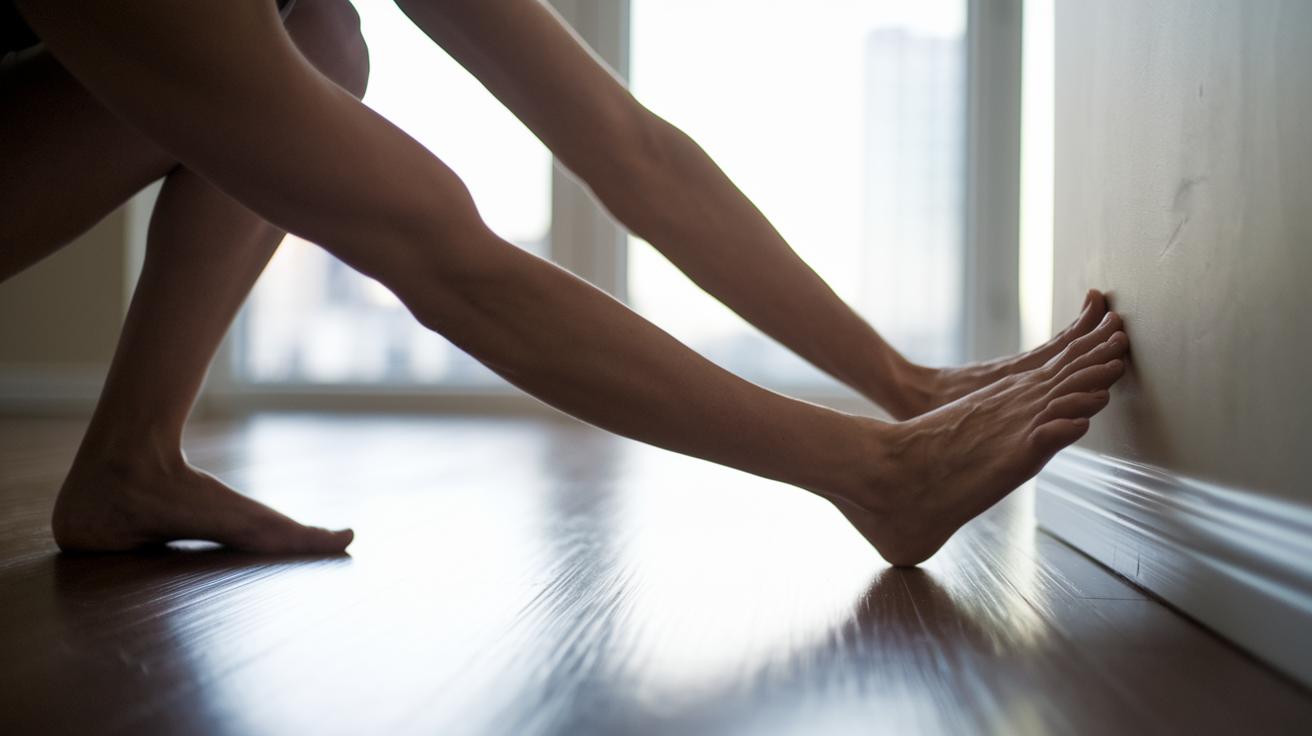
Face a wall and lightly rest your hands on it. Step one foot back and press your heel down while keeping that back leg straight. Adjust your foot until you feel a pull along your calf muscle. Stay in this position for 30–45 seconds before switching legs.
Shoulders
Reach one arm across your chest for a cross-body shoulder stretch. Use your other arm to gently pull it closer to your body. You should feel the stretch across the back of your shoulder and upper back. Relax your neck and keep your shoulder blades active. Hold for 30–45 seconds on each side.
Hips
Step into a kneeling lunge to stretch your hip flexors. Keep your upper body straight and gently push your hips forward. Adjust the depth of your lunge if it feels too intense, and engage your core for balance. Make sure your pelvis tilts slightly forward to enhance the stretch. Hold this position for 30–45 seconds.
Scheduling Recovery Stretches After Workouts for Optimal Results
Quick take: Stretching right after your workout can speed up recovery and lessen soreness.
Triage box:
• Red flags: If you feel sharp pain or unusual swelling during or after stretching, stop and call your clinician.
• Urgent: If intense soreness or pain lasts more than a few days, seek same-day medical advice.
• Basic care: Ease into gentle movements and listen to your body.
Right after you finish your workout, take a few minutes to stretch while your muscles are still warm. Begin with light, moving stretches, like leg swings or arm circles, to get your blood flowing. Then shift to holding a stretch in one position (static hold) for about 20 seconds. This helps your muscles relax and clear out lactic acid, so you can recover faster.
On your rest days, try to spend just a few minutes doing gentle stretches. Even short sessions can boost your muscle flexibility and keep them strong over time.
Make recovery stretches a part of your weekly routine. Consistent, mindful stretching after exercise not only eases soreness but also helps build strength and prevents injuries. Stick with it, and you’ll notice a smoother transition back into your workouts.
Final Words
In the action, you learned how recovery stretches after workouts can boost flexibility, improve blood flow, and ease tension. Step-by-step instructions guided you through eight key stretches while highlighting the differences between dynamic and static techniques. We also reviewed how to adjust routines based on workout intensity and avoid common mistakes. This article shows you practical ways to protect your muscles and optimize post-workout recovery. Keep going, stay active, and trust in your body's ability to heal and grow stronger each day.
FAQ
What are the benefits of stretching after a workout?
The benefits of stretching after a workout include increased blood flow, reduced muscle tension, improved flexibility, and quicker recovery, as these moves help deliver nutrients while removing waste from tired muscles.
How do full-body post-workout stretches aid recovery?
Full-body post-workout stretches promote overall recovery by enhancing circulation, reducing soreness, and lengthening muscles. They help remove lactic acid, which speeds up healing and improves your range of motion.
How do leg stretches, including for men, support recovery?
Leg stretches after a workout enhance blood flow to thigh and calf muscles, easing tightness and soreness. This practice supports overall lower-body recovery and improves muscle readiness for your next workout.
How do cool down stretches for the upper body and chest work?
Cool down stretches for the upper body and chest relieve muscle tension and restore proper alignment. They ease tightness in your arms and chest, helping to reduce muscle soreness and promote faster recovery.
Is it beneficial to stretch on recovery days?
Stretching on recovery days is beneficial. Gentle static or controlled dynamic stretches maintain flexibility and blood flow without overtaxing your muscles, which helps ease residual tightness and supports ongoing recovery.
Can leg stretches before a workout prepare muscles properly?
Leg stretches before a workout help warm up your muscles by enhancing blood flow and easing stiffness. This pre-workout routine prepares the muscles for activity, lowering the risk of injury during exercise.