
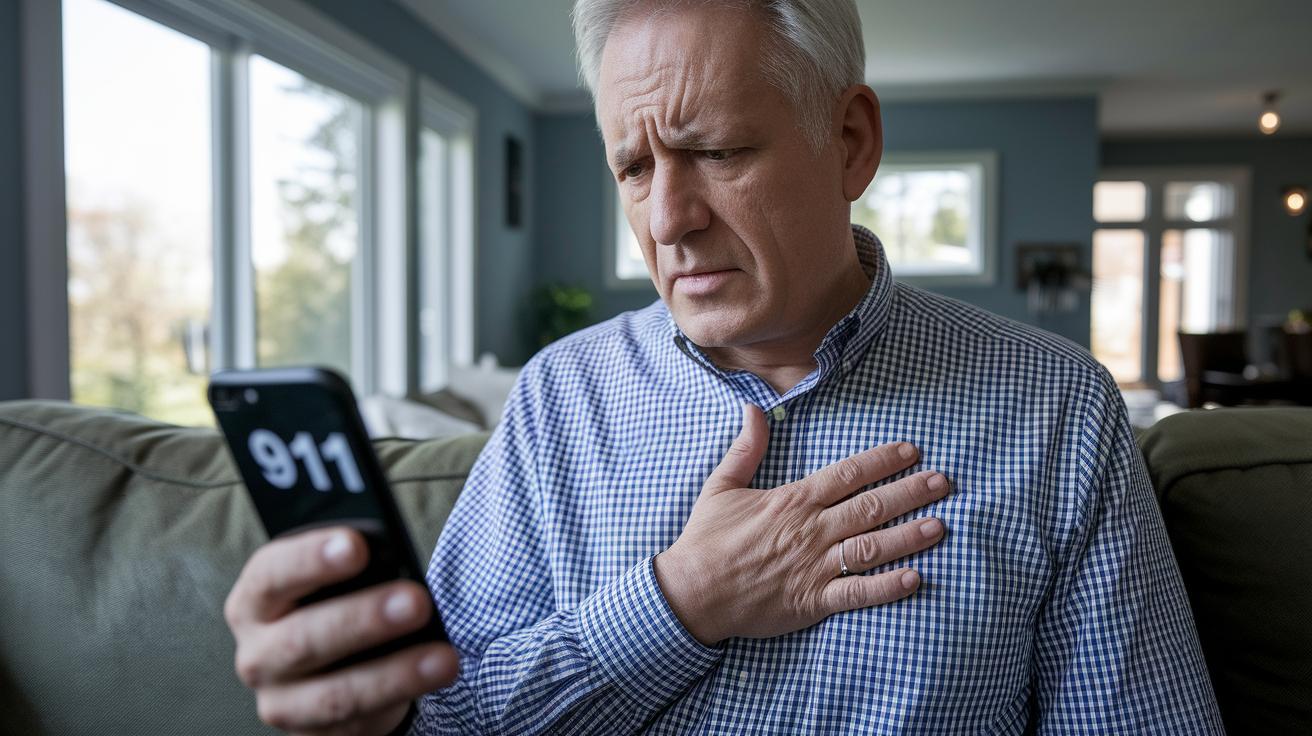

Quick take: Chest pain that lasts over 5 minutes or comes with shortness of breath, cold sweat, or nausea needs immediate attention.
If you have any of these signs, call emergency services now.
Have you ever felt a tight, heavy pressure in your chest and wondered if it meant danger? It can start as a small worry and become a warning sign of a serious heart problem. When your chest pain lasts more than 5 minutes or flares up along with shortness of breath, cold sweating, or nausea, it’s time to act fast. This guide explains the clear signs that mean you should call 911 to get help right away.
Critical Chest Pain Symptoms That Require a 911 Call
Quick take: Certain chest pain signs are an emergency. If your chest pain lasts more than 5 minutes or comes and goes, call 911 right away.
When you feel chest pain that lasts longer than 5 minutes or comes back repeatedly, it could signal a serious heart problem. If you also have shortness of breath, cold sweating, nausea, or dizziness, do not wait, call 911 immediately. If the pain spreads from your chest to your back, left arm, shoulder, neck, jaw, or even a tooth, treat it as a heart emergency.
Doctors tell us that both men and women can have dangerous heart issues, even if the pain may feel different for each person. Many experience an intense, crushing pressure, especially during physical activity, that eases when resting. But if the pain does not stop, self-care is not enough and you must get help now.
For example, imagine someone who felt a heavy chest pressure that moved to the shoulder, lasted more than 7 minutes, and came with sweating and shortness of breath. These signs are life-threatening and need emergency care.
Watch for these key signals:
- Chest pain lasting more than 5 minutes or coming back.
- Shortness of breath, nausea, cold sweat, or dizziness.
- Pain radiating to your back, left arm, shoulder, neck, jaw, or tooth.
Do not try to drive yourself to the hospital. Call 911 immediately so that trained professionals can help you quickly and possibly reduce heart damage.
Stepwise Self-Assessment of Chest Pain Severity Before Calling 911
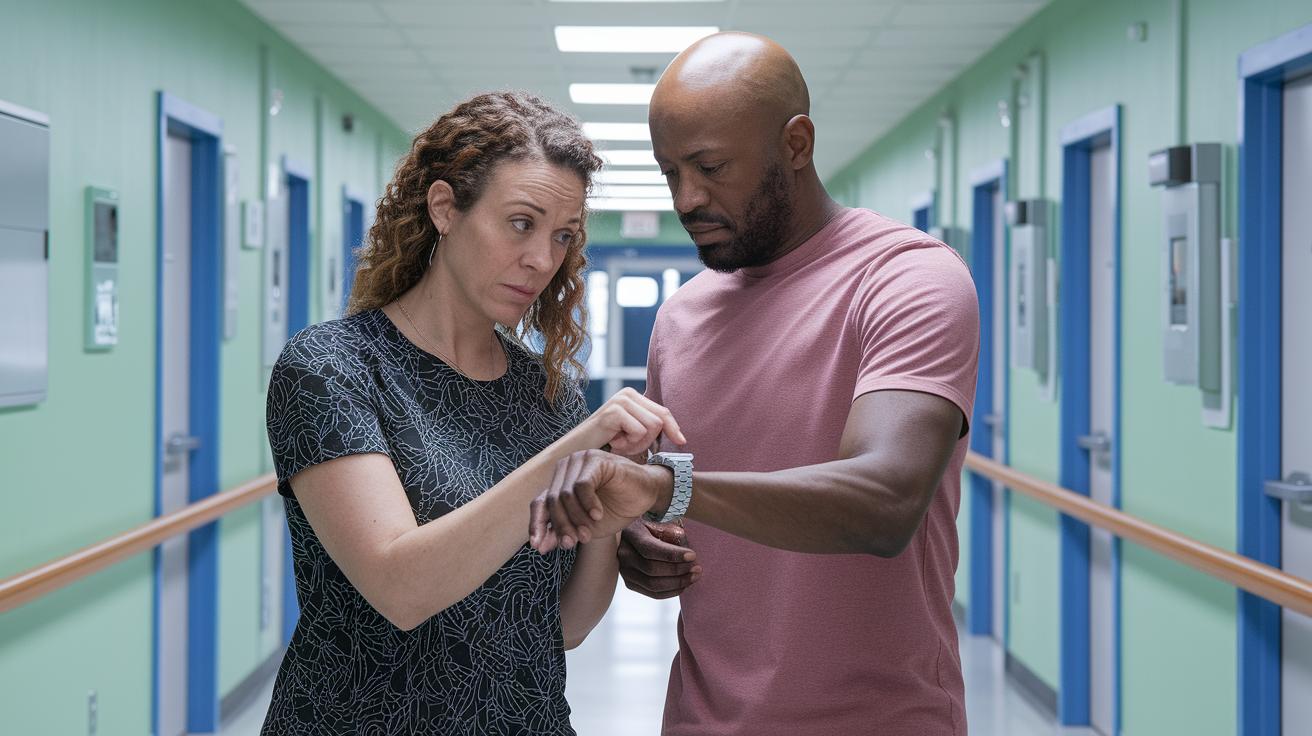
Quick take: Check your chest pain closely. If it stays high or comes back quickly with extra signs, call 911.
Start by keeping track of how long the pain lasts and what seems to trigger it. Chest pain might get worse when you move and ease off when you rest. But if the pain lingers or returns soon, it could be dangerous.
Begin by rating your pain on a scale of 1 to 10. For example, if you feel a 3 during a brisk walk but it jumps to an 8 after a short burst of activity, that change is a red flag. Next, time how many minutes the pain lasts. If a short rest does not bring relief and the pain stays high or returns, call 911 immediately.
Also, check for these warning signs:
- Shortness of breath
- Cold sweat
- Nausea
- Dizziness
If you notice any of these signs along with your chest pain, act fast. Ask yourself if the pain is stopping you from doing everyday tasks. If yes, it’s best to call 911 right away.
Record all the details, such as how long the pain lasts, what triggers it, and any changes in its intensity. This information can help emergency responders care for you more quickly.
Distinguishing Life-Threatening Chest Pain from Benign Causes
Quick take: Some chest pains are emergencies, recognize the signs and act fast.
If you have any of these emergency signs, call emergency services immediately:
• Heavy, crushing pressure in your chest lasting more than 5 minutes.
• Pain that spreads to your left arm, neck, or jaw.
• Shortness of breath, cold sweat, or nausea.
True heart pain feels like a heavy, crushing pressure that lingers even when you rest. It can spread to your left arm, neck, or jaw. If you have these symptoms, get help right away.
Chest pain from indigestion or a pulled muscle feels different. It is usually a sharp or burning pain in one spot that comes and goes quickly. This type of pain might happen after eating or physical activity.
Anxiety can also cause chest tightness and fast breathing. This pain is usually brief and goes away on its own.
Key points:
• Short, localized burning or sharp pain may be less serious.
• Persistent, heavy, and spreading pressure needs urgent evaluation.
Recognizing these differences can help you seek the right care at the right time.
Home Care and Stabilization During a Chest Pain Emergency
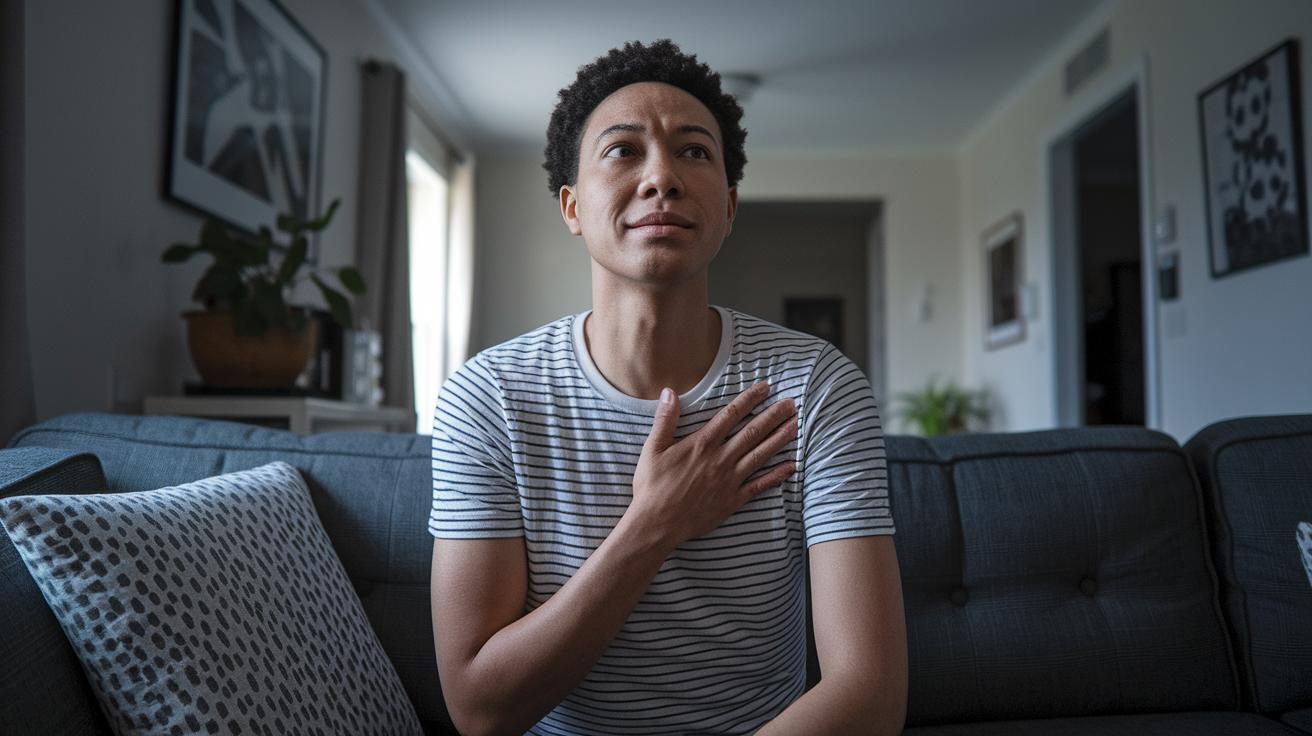
When you experience chest pain, every second counts. After calling 911, stop what you're doing right away. Don’t try to drive yourself because moving may make your heart work harder. Instead, sit up or lie down in a way that makes breathing easier.
Loosen any tight clothing around your chest and neck so you can breathe more freely. Pay close attention to how you feel. Write down if your pain gets worse, eases up, or shifts to another spot.
Follow these steps until help arrives:
- Stop all activity and rest quietly.
- Loosen belts, ties, or any tight clothing.
- Watch your symptoms for any sudden changes or increased discomfort.
- Stay calm to help keep your heart rate steady.
Remember, no medicine you pick up at a store can replace emergency medical care. Keep calm and watch your condition closely while you wait for the responders.
Proper Protocol for Contacting 911 with Chest Pain
If you have chest pain along with signs like shortness of breath, sweating, or feeling dizzy, call 911 immediately. Tell the dispatcher exactly when your pain started, rate it from 1 to 10, and mention any extra symptoms, such as pain that spreads to your left arm, back, neck, or jaw. For example, you might say, "I've had chest pain for 7 minutes at an 8 out of 10, and I'm feeling short of breath with pain moving to my left arm."
When you call 911, follow these steps:
- Say when the chest pain began.
- Rate the pain on a scale from 1 to 10.
- Report extra symptoms like shortness of breath, sweating, or dizziness.
- Mention if the pain spreads to other areas.
- Tell them you are waiting for help and not driving yourself.
Do not drive yourself to the hospital. Providing these details quickly helps emergency teams respond faster and give you the care you need.
What to Expect After Calling 911 for Chest Pain
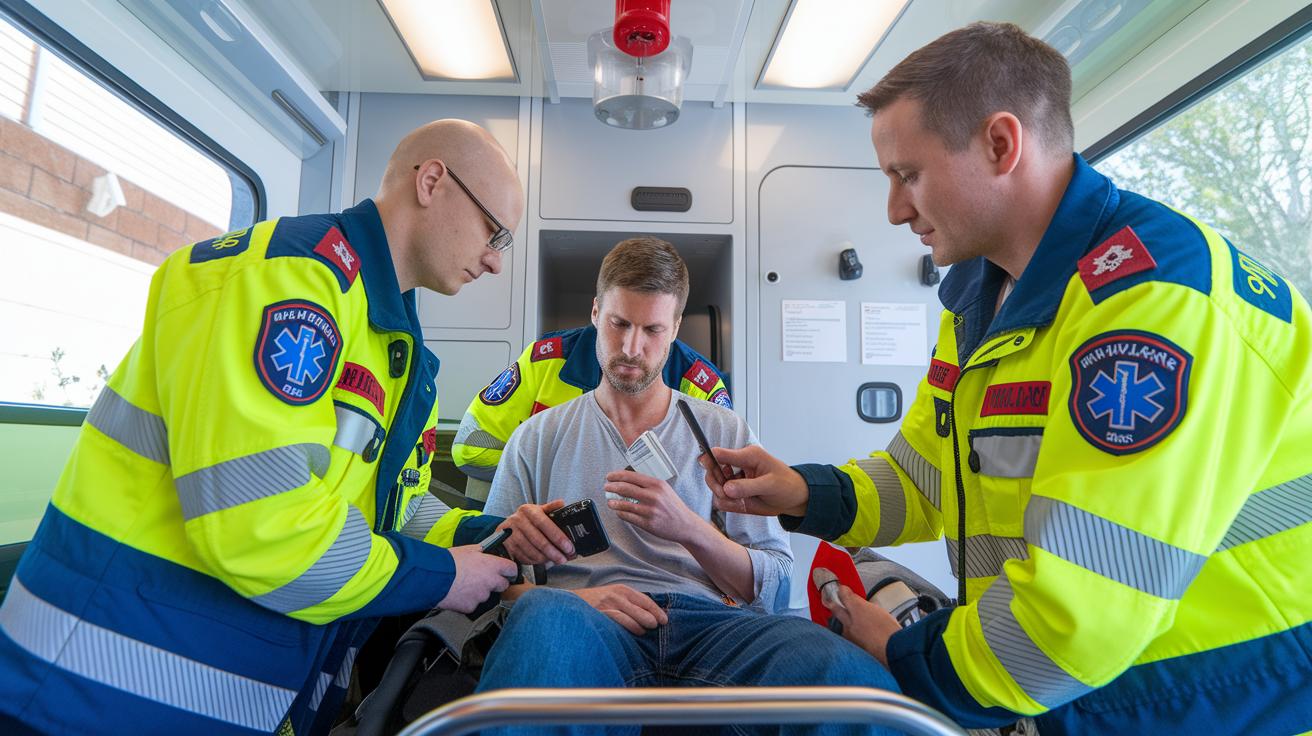
Quick take: Emergency responders will check your vital signs and begin treatment immediately.
Call emergency services now if you experience:
- Severe, crushing chest pain
- Difficulty breathing or lightheadedness
- Fainting or a sudden change in alertness
When you call 911, the EMS team springs into action. They check your heart rate and blood pressure right away and may give you oxygen or aspirin if your symptoms hint at a heart event. They will clearly explain what they are doing as they start treatment.
At the hospital, doctors perform quick tests like an ECG (electrocardiogram, which monitors your heart's rhythm) and blood tests to spot any heart damage. This fast evaluation helps them choose the best treatment plan because getting help early can really improve your chances.
During transport, the EMS team keeps a close watch on you. They monitor your condition and are ready to change treatments if your symptoms shift. Their careful and fast work is a vital part of keeping you safe. Emergency care plans are designed to cut the time between your symptoms starting and the treatment you need.
Final Words
In the action, this article breaks down critical chest pain signs, offering a clear self-check list and home care steps. It helps you spot symptoms that may signal a heart attack versus less serious issues. The guide tells you when to call 911 for chest pain, detailing what to share with emergency dispatchers. It also explains what happens after you contact EMS. Stay calm and prepare to share useful details with clinicians. Acting fast and knowing your signs can make a big difference in protecting your heart and well-being.
FAQ
How to relieve chest pain at home?
Relieving chest pain at home means stopping any activity, sitting or lying down upright, loosening tight clothing, and monitoring symptoms closely. If the pain persists or worsens with added symptoms, call 911 immediately.
What is the proper first aid for chest pain, especially on the left side?
Addressing chest pain, particularly on the left side, starts with ceasing all activities and resting. If you experience shortness of breath, sweating, or pain radiating to your arm, neck, or jaw, seek emergency help by calling 911.
How can you tell if chest pain is serious and when should you call the ER?
Determining serious chest pain involves checking if the pain lasts over five minutes, worsens with exertion, or comes with shortness of breath, nausea, or dizziness. In these cases, call 911 immediately without delay.
What does the chest pain management protocol involve?
The management protocol for chest pain includes assessing pain intensity and duration, checking for accompanying symptoms, and clearly communicating these details to 911 dispatchers to ensure a swift and appropriate emergency response.
What causes chest pain in kids?
In children, chest pain is usually due to muscle strain, anxiety, or mild respiratory infections. However, if the pain is severe or recurrent, it should be evaluated by a clinician to rule out rare, serious conditions.
What are the 3 P’s of chest pain?
The 3 P’s of chest pain refer to pain, pressure, and panic. These cues help you recognize when the discomfort may be heart-related and require immediate professional medical evaluation.
What does a chest pain patient education PDF include?
A chest pain patient education PDF typically explains potential causes, outlines self-assessment steps, lists red-flag symptoms, and provides clear guidelines on when to call 911 to ensure you understand and act promptly on your symptoms.