


Quick take: Belly pain can have many causes, and sometimes it needs quick care.
If you notice any of these emergency signs, call emergency services now:
• Severe, sudden pain that lasts more than a few minutes
• Pain with fever, vomiting, or blood in your stool or vomit
• Dizziness, fainting, or a rapid heartbeat
If your pain is mild:
• It might be due to overeating or eating spicy foods.
• It could simply be poor digestion.
• Watch your symptoms for the next 24 hours.
A sudden pain in your belly can be scary, and it might leave you wondering if it’s nothing serious or something that needs urgent care. Sometimes, eating too much or enjoying spicy foods can upset your stomach. Other times, belly pain might be a hint of something more important to check right away.
In this article, we break down the common causes of belly pain and guide you on when to act fast. Understanding these reasons can help you feel more in control and know the right moment to seek help.
What Causes Abdominal Discomfort: Feel Better Today
Quick take: Belly pain can come from simple causes like overeating or signal a serious issue.
Triage Box:
If you have any of these emergency signs, call emergency services now:
- Sharp pain that spreads quickly
- High fever (over 102°F)
- Vomiting blood or severe, repeated vomiting
- Blood in your stool
- Pain that lasts more than 3 days
Urgent:
If your pain grows worse or you feel very unwell, seek same-day medical help.
Watch and self-manage:
For mild discomfort, track your symptoms and try basic care.
Abdominal pain is common. It can feel like mild cramps or be very sharp. Sometimes it happens after a heavy meal or spicy food. Other times, it comes and goes because of issues like gas or menstrual cramps.
There are three main reasons for belly pain:
- Temporary causes: Overeating or eating fatty and spicy foods can upset your stomach.
- Ongoing issues: Conditions like irritable bowel syndrome (IBS) or food intolerances (for example, problems with dairy or gluten) may cause repeated pain.
- Acute causes: Problems such as appendicitis, gallstones, or kidney stones can lead to sudden, severe pain and need quick care.
Common causes include:
- Indigestion from overeating or rich foods
- Gas and bloating from your diet
- Menstrual cramps in women
- Viral gastroenteritis (stomach flu)
- Irritable Bowel Syndrome (IBS)
- Food intolerances (like lactose or gluten)
- Acid reflux (burning pain from stomach acid)
Keep a simple log of your symptoms:
| Date/Time | Symptom | Severity (mild/moderate/severe) | Other Signs | What Helped or Made It Worse |
|---|
Watch your symptoms closely. If the pain gets worse or continues for several days, please see a doctor to rule out any serious issues.
Digestive Disorders and Post-Meal Discomfort
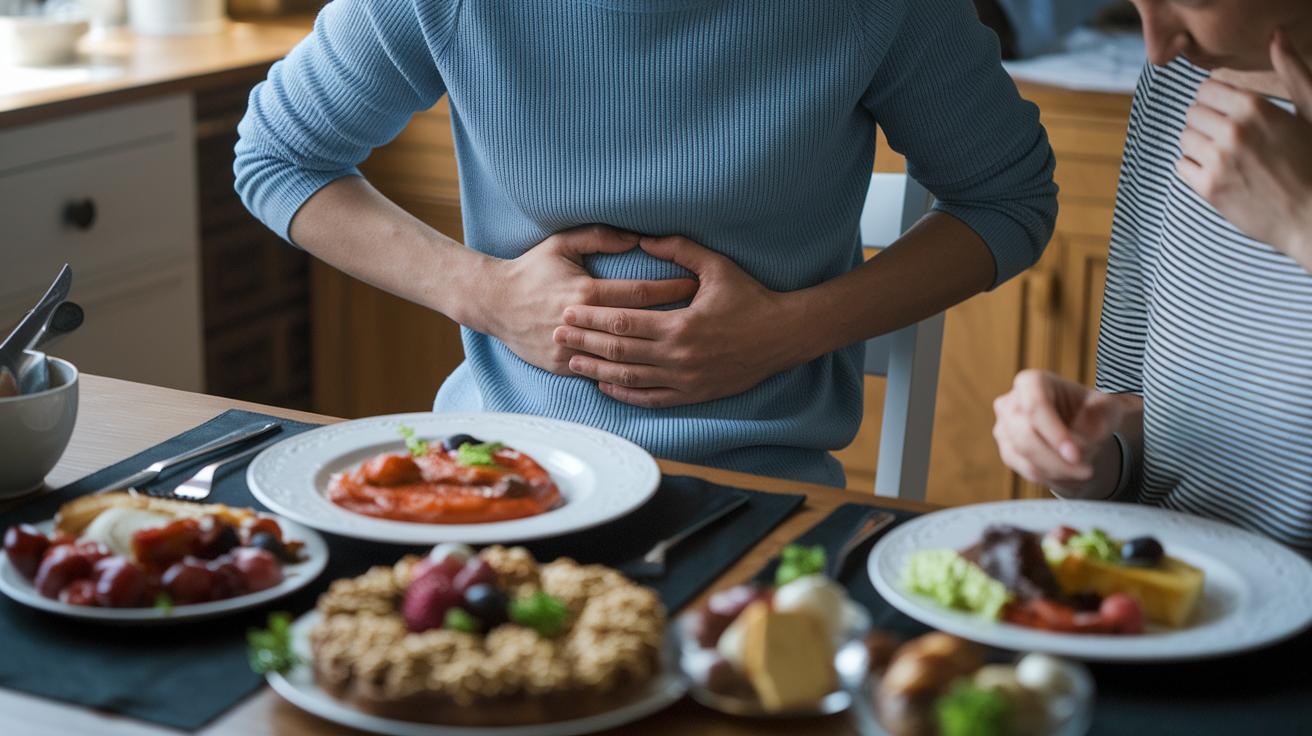
Eating meals that are high in fat, spice, or very large portions can lead to discomfort. Your digestive system can become overloaded, causing pain that might come and go or stick around. For example, belly pain that appears intermittently may mean your body struggles to process what you eat.
Indigestion often happens when you eat too much or choose foods that are hard to digest. You might feel cramps, a queasy sensation, or heartburn (a burning feeling behind your breastbone) after a heavy meal. These symptoms can last for a few hours. Avoiding large meals or very rich foods may help ease the discomfort.
Irritable Bowel Syndrome (IBS) affects the large intestine. It can cause cramps, bloating, gas, and swings between diarrhea and constipation, along with fatigue and sleep problems. Unlike occasional upset, IBS tends to stick around and disrupt your daily life. Eating smaller meals and keeping a food diary can help you spot patterns and identify trigger foods.
Acid reflux, which often occurs with GERD (gastroesophageal reflux disease), brings a burning, sour taste, nausea, and bloating, especially after eating spicy or greasy foods. This happens when stomach acid flows back into your esophagus, causing irritation.
Food poisoning usually shows up with sudden cramps, diarrhea, vomiting, and sometimes fever. These symptoms generally clear up in a few days. Keeping a 24-hour food log can help you identify which foods might be the cause and give your clinician better information to work with.
Food Intolerances, Infections, and Microbial Imbalances
Quick take: Abdominal pain after eating can signal a food intolerance or an infection that may need attention.
Triage Box:
- Call emergency services now if you experience very severe, sudden abdominal pain, blood in your stool, or high fever.
- Seek same-day medical care if pain comes with persistent vomiting or signs of dehydration.
- Monitor milder symptoms like cramps, bloating, or gas and track what you eat.
Food intolerances are a common cause of stomach discomfort. For example, if you're lactose intolerant (your body has trouble breaking down milk sugar), you may get cramps, bloating, gas, and diarrhea after eating or drinking dairy. People with celiac disease might feel quick, sharp stomach pain when they eat foods containing gliadin (a protein found in gluten), along with diarrhea, extra gas, tiredness, or even mood changes. If you notice these symptoms often after certain meals, talk with your doctor about testing. The right tests can help you adjust your diet and ease your pain.
Infections or imbalances in your gut can also trigger pain. For instance, small-intestinal bacterial overgrowth can lead to extra gas and a general feeling of discomfort. Viral or parasitic infections, such as those from norovirus, may cause sudden cramps and diarrhea. Changes in the natural bacteria in your gut might even worsen ongoing discomfort by affecting how your body takes in nutrients. If your symptoms continue or feel intense, get in touch with a doctor. They can test for infections or bacterial overgrowth and help you find the right treatment to improve your gut health.
Inflammatory Diseases and Serious Abdominal Conditions
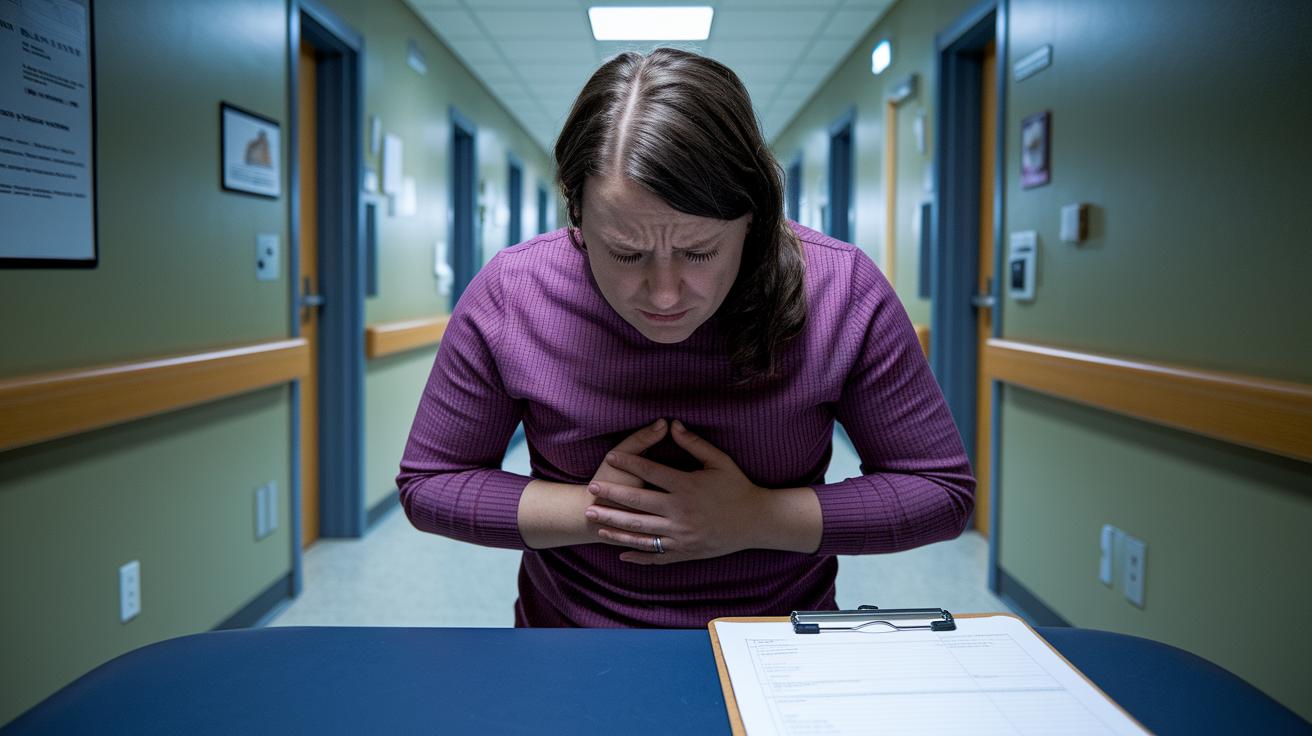
Abdominal inflammation can cause sharp, intense pain along with other worrisome signs. It may develop from bacterial infections, too much use of certain medications, or lifestyle habits like smoking and drinking. This pain can interfere with your day and might mean you need urgent care.
Gastritis happens mainly because of H. pylori (a type of bacteria), long-term use of pain relievers (NSAIDs), injury, or eating spicy and acidic foods. You may feel a burning pain, nausea, vomiting, and indigestion.
Peptic ulcers are breaks in the stomach’s protective lining. They make your stomach burn, and eating can make the pain worse. If food makes your pain stronger, it’s important to see a doctor.
Pancreatitis causes sudden, severe pain in the upper belly that sometimes spreads to your back. You might also have nausea and a fever. This condition can become dangerous very fast, so act now if these symptoms appear.
Cholecystitis is often linked to gallstones and causes a sharp pain in the right upper part of your belly. The pain usually starts after a fatty meal. It is important to take this condition seriously to avoid further problems.
Inflammatory bowel disease (IBD), which includes Crohn’s disease and ulcerative colitis, can lead to cramping, ongoing diarrhea, loss of appetite, tiredness, and sometimes blood in the stool. These persistent symptoms can affect your overall health and usually need long-term care.
Appendicitis often starts as a general pain that later settles in the lower right part of your belly. It may come with a fever and nausea and usually requires surgery.
Doctors use imaging tests like an ultrasound or CT scan to confirm these conditions and decide on the best treatment.
| Condition | Key Symptom | Typical Onset |
|---|---|---|
| Gastritis | Burning pain, nausea | Gradual |
| Peptic Ulcer | Increased pain with meals | Variable |
| Pancreatitis | Severe upper belly pain spreading to the back | Sudden |
| Cholecystitis | Sharp pain in right upper belly post fatty meal | Acute |
| Crohn’s Disease | Cramping and diarrhea | Chronic |
| Appendicitis | Lower right belly pain | Acute |
Warning Signs and When to Seek Medical Attention for Abdominal Pain
Belly pain can sometimes go away without help, but certain signs mean you need action fast. Here’s what to watch out for:
• Sudden, severe pain in your stomach.
• Pain that lasts over 3 days.
• A high fever of 102°F or above or very bad chills.
• Blood in your stool or continuous vomiting.
• Trouble breathing or yellowing of your skin or eyes (jaundice).
If you notice any of these signs, act now. Check your symptoms with a triage tool like the Triage Flowchart for Abdominal Pain. If your pain is unexplained or getting worse, contact a healthcare provider right away.
Final Words
In the action, we examined common causes of abdominal discomfort, from simple indigestion and gas to more serious conditions such as appendicitis and inflammatory diseases. We discussed how digestive disorders, food intolerances, and infections can affect your stomach and when these symptoms need urgent care. We also shared clear home-care tips and ways to track symptoms for your discussions with clinicians. This guide aims to help you understand what causes abdominal discomfort so you can act confidently and keep moving forward with your health.
FAQ
What are the types of stomach pain seen in females and males, including pain that comes in waves and the three basic categories?
The types of stomach pain include cramping, sharp, and dull aches. They can be constant, intermittent, or wave-like and often tie to indigestion, gas, menstrual cramps, or digestive issues.
What causes lower abdominal pain in non-pregnant females, including lower left pain?
The causes of lower abdominal pain in non-pregnant females include digestive issues, menstrual cramps, ovarian cysts, or other gynecological concerns. Pain location helps pinpoint possible causes that might need evaluation.
What causes constant stomach pain lasting for days?
Constant stomach pain for days may indicate persistent digestive issues or more serious conditions like inflammation or infection. It is important to seek medical advice if the pain does not improve.
Why do I have an uncomfortable feeling in my abdomen?
An uncomfortable feeling in your abdomen is often linked to indigestion, gas, or mild digestive upset. Monitoring dietary habits and other symptoms can help identify triggers for discussion with your healthcare provider.
What is the treatment for abdominal discomfort?
Treatment for abdominal discomfort depends on the underlying cause. Options can include dietary adjustments, over-the-counter medications, or prescribed therapies aimed at reducing pain and managing symptoms.
How can I tell if abdominal discomfort is serious?
Abdominal discomfort is serious when accompanied by high fever, blood in stool, persistent vomiting, or worsening pain. These red flags mean you should seek medical attention promptly.
When should I worry about abdominal pain during pregnancy?
Abdominal pain during pregnancy is concerning if it is severe, persistent, or comes with fever, bleeding, or contractions. In such cases, prompt evaluation by a healthcare provider is needed to ensure safety.