
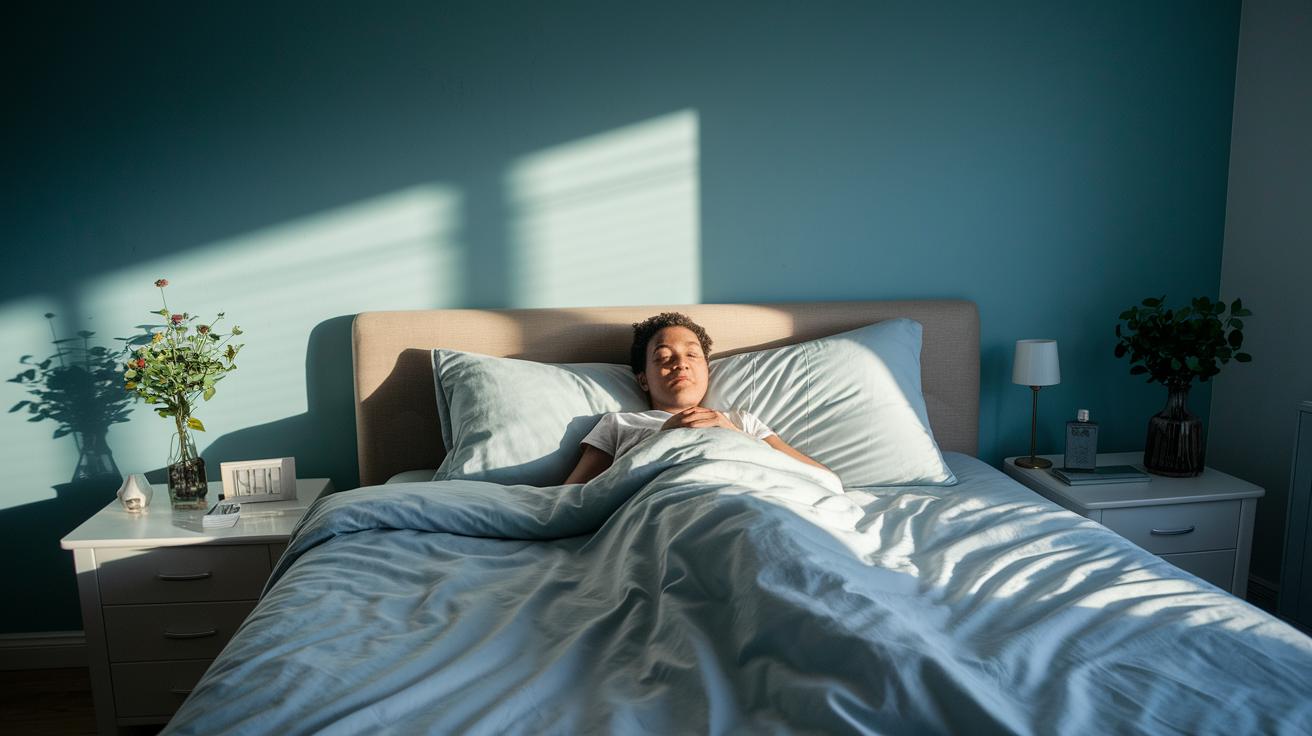

Quick Take: Finding the right mix of deep sleep and short naps can really help you recover faster.
Triage Box:
• Emergency: If you suddenly feel extremely confused, have trouble breathing, or experience chest pain along with unusual sleepiness, call emergency services immediately.
• Urgent: If your sleep pattern changes suddenly or you find it very hard to wake up during the day, seek same-day medical help.
• Self-Care: Stick to a balanced routine that includes a full night’s deep sleep and a brief, refreshing nap if needed.
When you’re sick, getting the right amount of sleep matters. Deep sleep helps your body fix important cells and keeps your immune system strong. A short nap, on the other hand, can give you a quick boost of energy. This guide breaks down the key sleep habits that can speed up your healing and helps you know exactly how much rest you need for a quick recovery.
Key Rest Benchmarks for Illness Recovery
Quick take: Good sleep and brief naps power up your immune system and help you bounce back faster.
When you're sick, your body needs 7-9 hours of sleep at night. This solid sleep time helps repair immune cells and boosts cytokines (messenger proteins that fight germs). Experts say this sleep range speeds up healing and supports recovery.
Short naps, lasting 20-30 minutes, can give you a quick boost without messing up your night’s sleep. A 25-minute nap, for example, can refresh you, while longer naps might make you feel groggy and disturb your sleep pattern. Even a few minutes of gentle stretching or a quick walk improves circulation and aids your recovery.
Balancing a full night's sleep with brief naps and light active breaks is key for getting better quickly. Too much sleep can actually slow healing, so stick to these rest benchmarks to help your body recover and get you back on your feet sooner.
Sleep Stages and Immune Boosting During Illness
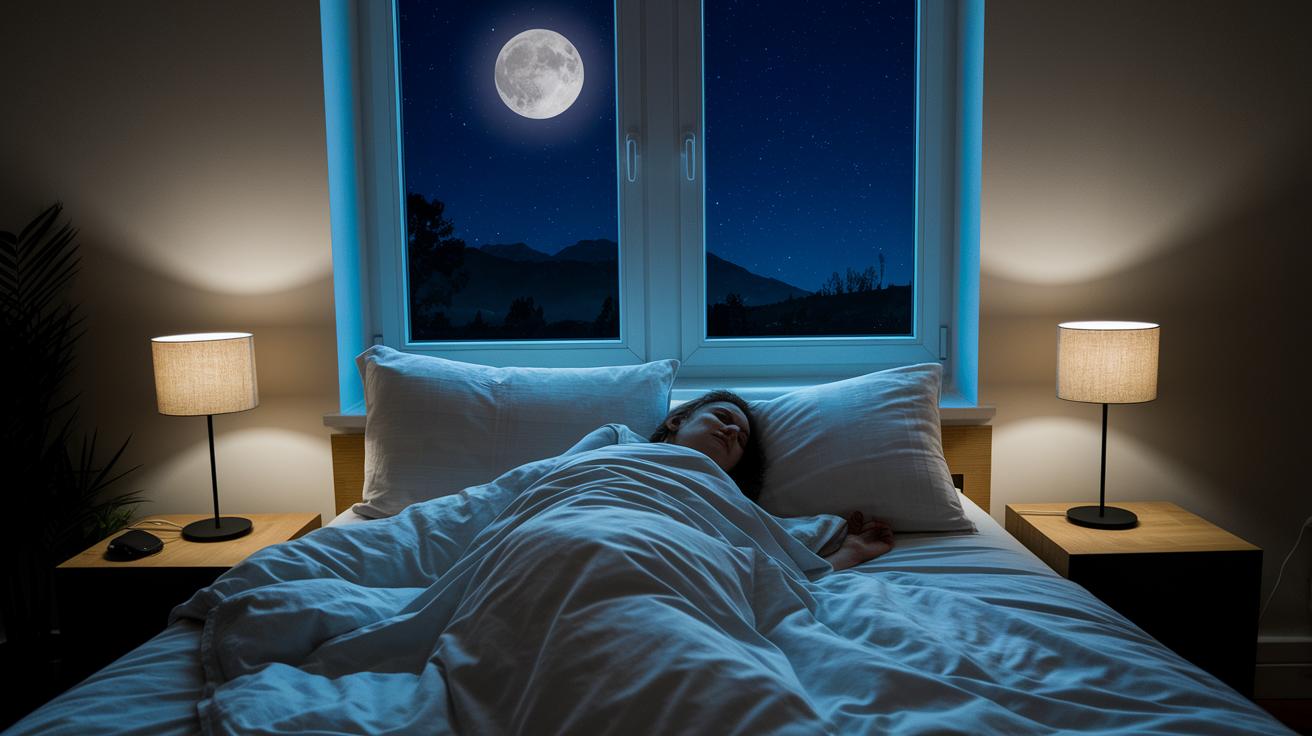
When you sleep, your body gets busy fixing itself. Deep sleep (also called slow-wave sleep) increases proteins called cytokines that help fight infections and repair immune cells. REM sleep (the dream phase) also works to keep your nerves and immune system strong. If your sleep gets interrupted, it may slow your recovery.
Try to keep your sleep undisturbed. A quiet, comfy room lets your body work through each sleep stage smoothly. This uninterrupted rest is like giving your body a chance to rebuild and regain strength.
Getting plenty of deep sleep each night is one of the best ways to help your immune system. Let your natural sleep cycle take its course, and you might find yourself feeling better sooner.
Optimizing Sleep Timing: Scheduling Strategies for Recovery
A regular sleep routine keeps your body in tune with its natural rhythm. When you stick to set bedtimes and wake-up times, you train your internal clock to help you get deep sleep that repairs your body. Getting morning light within 1 hour of waking tells your body it is time to start the day and resets your sleep cycle. This planning can boost the quality of your sleep and speed up recovery when you are sick.
Keep naps short and early. A 20- to 30-minute nap in the early afternoon can give you a quick energy boost without messing up your night sleep. Try not to nap within 4 hours of your bedtime. This helps you sleep in full 90-minute cycles that let your body repair and refresh. Use light each day to reinforce your sleep plan and keep your sleep cycle on track.
| Schedule Element | Recommended Timing |
|---|---|
| Morning Light Exposure | Within 1 hour of waking |
| Nighttime Sleep | 7–9 hours, fixed bedtime |
| Afternoon Nap Window | 1–3 p.m., 20–30 minutes |
| Wake-Up Time | Same time daily |
Incorporating Active Rest and Gentle Movement

Quick take: Light movement like gentle yoga and short indoor walks can ease stiffness and clear your mind while you heal.
If you experience severe dizziness, chest pain, or extreme fatigue, stop immediately and seek help.
When you’re feeling unwell, blending rest with soft activities is key. Active rest means doing simple tasks that boost blood flow without draining your energy. It can ease aching muscles and help sharpen your focus while keeping your strength intact.
Here are some easy activities you can try:
| Activity | Description |
|---|---|
| Gentle yoga sequences | Slow movements and light stretches |
| Chair-based stretching | Simple stretches while seated |
| Short indoor walks | Slow, steady walking in your home |
| Guided breathing exercises | Deep, calm breaths to relax and energize |
| Light household tasks | Easy chores that keep you gently active |
Combining these light activities with ample rest helps you conserve energy while keeping your body moving. A few minutes of movement every day can boost your blood flow and help prevent the stiffness that often follows long periods of bed rest.
Remember to keep your pace slow and listen to your body. If you start to feel overworked or tired, it’s best to rest. This balanced approach supports a steady recovery and helps you feel better over time.
Mental Downtime Strategies to Complement Physical Rest
When you spend too much time on bright screens or reading stressful content, it can raise your stress hormones and disturb your peace. Try setting specific times to check your devices and focus on uplifting content. This simple switch can ease mental overload and help your body recover faster when you're sick.
Adding a few minutes of mindfulness exercises or reading each day also helps calm your mind. Spend a little time breathing deeply, meditating, or enjoying a peaceful book. These small breaks can lower your stress, improve focus, and strengthen your resilience during your recovery.
Environmental Factors: Light, Nutrition, and Comfort for Better Recovery
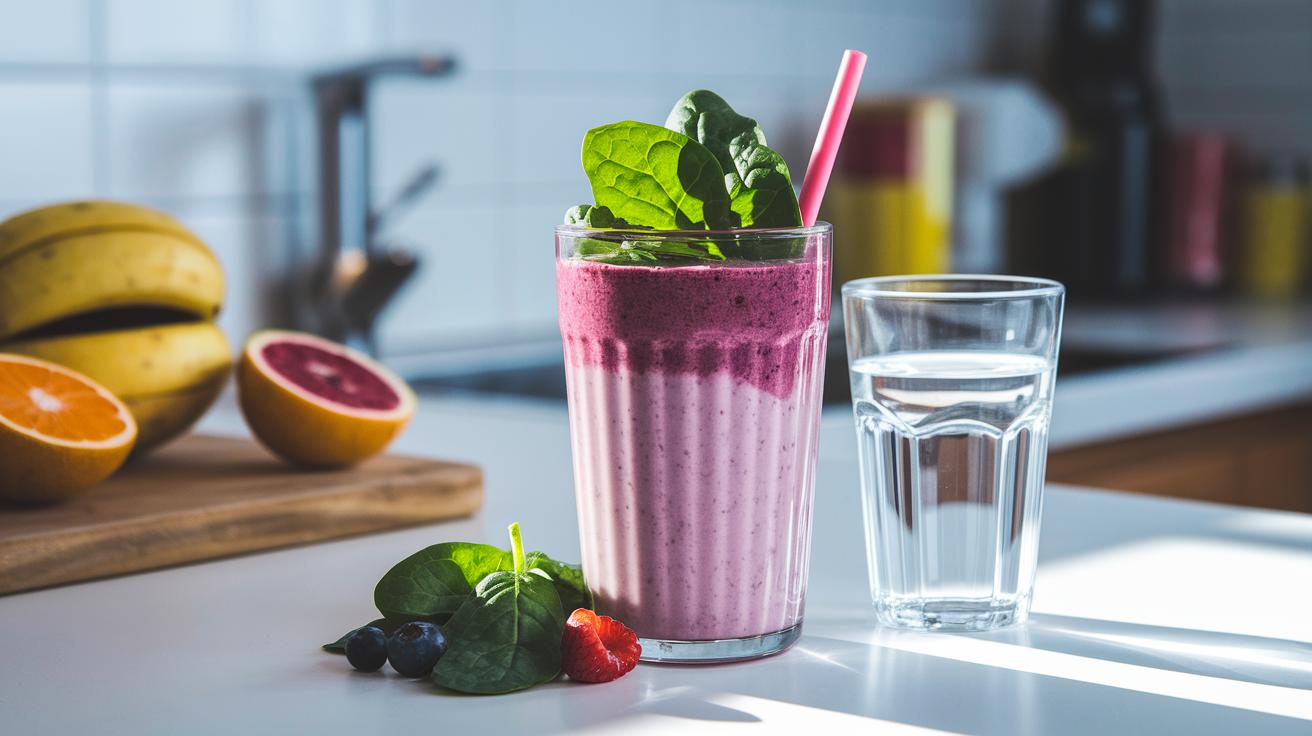
A healthy diet gives your body the building blocks it needs to repair itself and stay energized. Eating foods like lean proteins, fruits, vegetables, and whole grains provides important vitamins and minerals that help rebuild your cells. For example, try starting your morning with a smoothie made from spinach, berries, and Greek yogurt to boost tissue repair.
Staying hydrated is a key part of recovery. Drinking water moves nutrients through your body, helps wash out toxins, and keeps your cells working well. Keep a water bottle nearby and take sips throughout the day, it's like stopping for fuel during a quick pit stop.
While proper light exposure and a cool, quiet space can also help, pairing good nutrition with comfortable rest is a powerful way to improve your healing and overall energy.
Monitoring Convalescence: Signs You Need More Rest or Medical Help
Quick take: If you feel overly tired and notice worsening symptoms despite proper sleep, it may be a sign you need extra rest or a checkup.
Even after 7–9 hours of sleep at night and a 20–30 minute nap, you may still feel very tired. This can mean your body isn’t recovering as it should. If you notice you’re unusually tired after plenty of sleep or if your fever lasts over 7–10 days with a viral infection, these are warning signs. Struggling with everyday tasks like cooking, showering, or moving around may also mean your recovery process is stalled. These issues can increase the risk of further complications.
Here’s what you can do now:
- Keep a daily log of your sleep, energy levels, and any symptoms you notice.
- Track if tasks like personal hygiene or preparing meals become harder to do.
- Monitor your temperature and any other changes in your condition.
If your symptoms get worse or you still feel very tired despite rest, contact your healthcare provider right away. Documenting your progress in a symptom diary can help you and your clinician decide if further care is needed. Remember, if you’re not improving within the expected timeframe, reach out to your doctor for guidance.
Final Words
In the action, this guide breaks down sleep benchmarks, timing strategies, gentle movement, and mental downtime tactics to support your recovery. It highlights sleep stages that boost your immune function and outlines clear signs that you might need extra care. Use the tips provided to track your progress and adjust your routine. By following these steps, you'll know rest and recovery: how much is enough when sick. Keep focused, and remember that better days are ahead.
FAQ
Can you oversleep or sleep too long when you’re sick?
Oversleeping when you’re sick can slow your recovery by disrupting your natural sleep cycles and delaying gentle activity. Consistent, balanced rest with recommended sleep durations supports the immune system best.
How can you sleep well when you’re sick with the flu?
Sleeping well when you have the flu means sticking to a regular sleep schedule, keeping naps short (20–30 minutes), and ensuring a cool, quiet sleep environment to help your body restore its energy.
What happens if you don’t get enough rest when you’re sick?
Not getting enough rest when you’re sick can prolong recovery by interrupting deep sleep phases that boost immune function. This may lead to persistent symptoms and a slower healing process.
What qualifies as proper rest when you’re sick?
Proper rest when you’re sick includes both sufficient nighttime sleep (7–9 hours) and brief daytime naps, combined with gentle movement or low-key activities. This mix supports healing and helps avoid oversleeping.
Is rest the best remedy for a cold?
Rest is a key remedy for a cold because it allows your body to repair and fight infection. While it helps most individuals, pairing rest with proper hydration and nutrition often leads to faster recovery.