


Quick take: Chest tightness after eating may be a sign of acid reflux or a food reaction.
If you have any of these signs, call emergency services now: severe chest pain, trouble breathing, pain spreading to your arm or back.
• If your chest pain keeps getting worse or lasts longer than expected, seek same-day medical care.
• For milder symptoms, track what you feel and when it happens, and follow up with your clinician if it doesn’t improve.
Have you noticed a tight or heavy feeling in your chest right after meals? This sensation can be linked to acid reflux (when stomach acid moves up into the esophagus) or a reaction to certain foods. Your esophagus (the tube that carries food from your mouth to your stomach) might be strained by the trigger. In this guide, we list common causes and give you simple ways to record your symptoms. We want you to feel reassured and clear about the next steps. Keep reading to learn how to tell when this feeling is minor and when you should seek help urgently.
chest tightness when eating: Feel Reassured Now
Quick take: Chest tightness when eating is most often linked to your digestion, but be alert for warning signs.
Triage Box:
• Red Flags: If you experience severe pain, shortness of breath, pain that spreads to your arm or jaw, or lightheadedness, call emergency services now.
• Urgent: If the discomfort lasts longer than 5 minutes or worsens soon after eating, seek same-day medical help.
• Self-care: If the pain is mild, track your symptoms and avoid foods that trigger it.
Common Causes:
• Acid reflux/GERD (stomach acid flows back into your food pipe, causing burning)
• Gallbladder issues (fatty meals can trigger extra strain and pain)
• Esophageal disorders like esophagitis or spasms (muscle contractions in the food pipe)
• Peptic ulcers (sores in the stomach lining can send pain to your chest)
• Heart-related issues, such as angina (chest pain from extra work for your heart)
What to Do Now:
• Write down when you feel the tightness and note your meal details.
• Mark the pain as mild, moderate, or severe.
• Avoid trigger foods and eat slowly.
• Share your tracker with your doctor if symptoms continue or worsen.
Recognizing these causes can help you manage your symptoms better and decide when to seek care. Discuss your concerns with a trusted clinician to ensure proper evaluation and safe steps forward.
Meal-Time Chest Tightness and Acid Reflux

Quick Take: Mild chest pain and burning after meals can be signs of acid reflux, often managed with lifestyle changes.
Triage Box:
• If you experience sudden, severe chest pain, pain spreading to your arm or jaw, or difficulty breathing, call emergency services immediately.
• If the pain worsens or lasts longer than expected, seek same-day medical care.
• For mild symptoms, try simple home care and monitor your discomfort.
Acid reflux happens when your stomach acid flows up into your esophagus. This backflow can cause a burning feeling or sharp pain that many confuse with heartburn. Often, heavy, spicy, or fatty meals relax the muscle (lower esophageal sphincter) that normally keeps your stomach contents in place. This makes reflux more likely during and after meals.
To help ease the discomfort, try having smaller, more frequent meals. Sitting upright for 30 to 60 minutes after eating can also keep the acid where it belongs and reduce chest tightness. Some people find relief with over-the-counter remedies like antacids, H2 blockers, or proton pump inhibitors (PPIs), but it’s best to check with your clinician before trying these.
Tracking your symptoms can be very useful. For instance, note the time of the discomfort, what you ate, and how bad the pain was. You might write down something like: "After a fatty meal, I felt a burning chest for about 5 minutes." This record can help you spot patterns and decide on changes to your diet.
Meal-Triggered Chest Tightness from Esophageal Disorders
Quick Take: Chest tightness with meals may signal an esophageal problem.
If you have severe chest pain, trouble breathing, or pain that spreads to your arm or jaw, call emergency services now.
Common Causes:
• Esophagitis (inflammation of the esophagus)
• Motility issues (problems with muscle movement)
• Diffuse esophageal spasms (sudden, sharp muscle contractions)
What to Do:
- Notice if swallowing feels blocked or if solids cause extra pain.
- Write down what you ate and how strong the pain was.
- Share this tracker with your doctor for a clearer picture.
Tests Your Doctor May Use:
• Endoscopy (a thin tube with a camera to view your esophagus)
• Esophageal manometry (a test that measures muscle contractions)
• Barium swallow imaging (an X-ray test using a special liquid)
Tracking your symptoms helps your doctor decide the best next steps.
Chest Tightness When Eating Linked to Cardiac Conditions
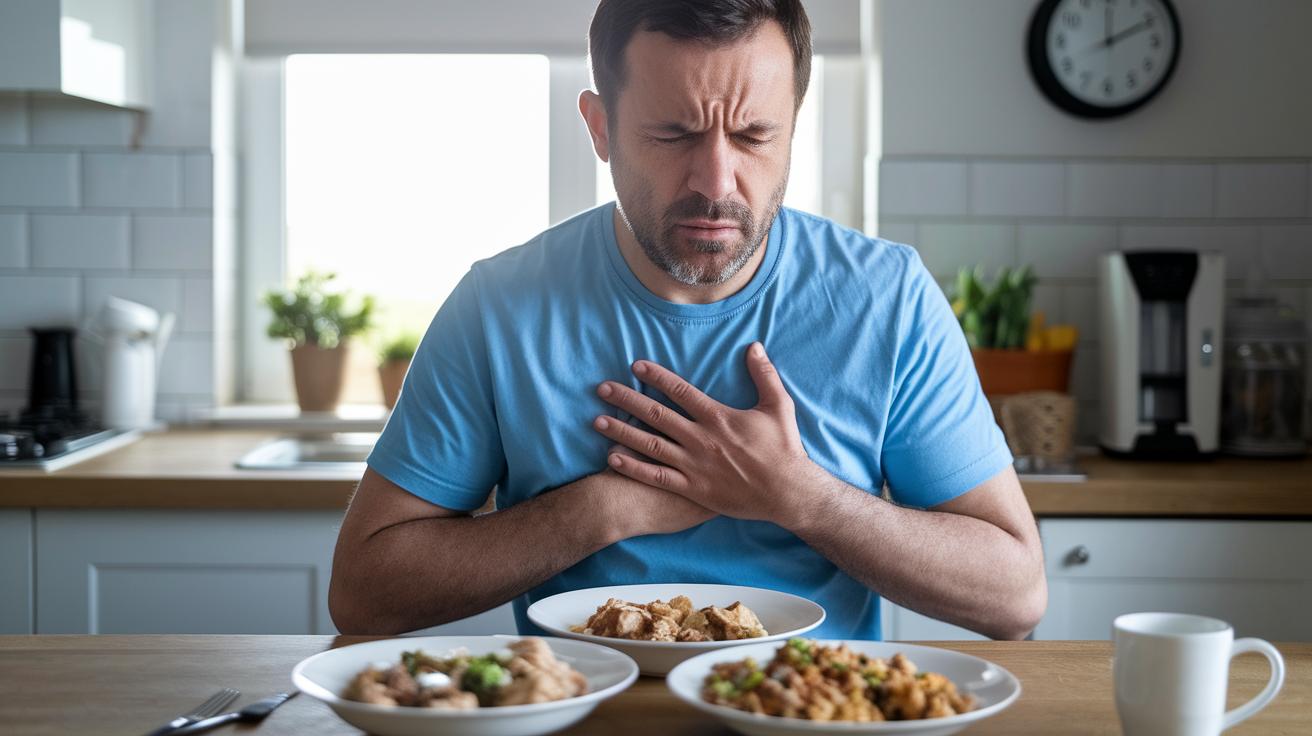
Quick take: Chest tightness after eating may be a sign of a heart issue that needs attention.
Triage Box:
If you have any of these emergency signs, call emergency services now:
- Severe chest pain that spreads to your jaw or arm
- Shortness of breath
- Persistent dizziness or sweating
Sometimes, chest tightness after a meal happens when the heart isn’t getting enough oxygen, a condition called angina (chest pain due to reduced blood flow). This is more likely after a large meal that forces your heart to work harder.
You might also notice:
- Feeling short of breath
- Sweating a lot
- Feeling dizzy
- Pain that spreads to your jaw or arm
These signs suggest your heart is under extra stress during digestion. Risk factors like high blood pressure, diabetes, obesity, or a family history of heart disease can increase your chances of having these symptoms. In rare cases, heavy meals can even trigger a heart attack.
If your symptoms get worse or do not go away, get help right away. Keeping a simple record of your meals and any symptoms, such as noting that a heavy meal was followed by chest pain and shortness of breath, can really help your doctor understand what’s happening.
Chest Tightness After Meals: Gallbladder, Ulcers, and More
Quick take: Chest tightness after eating may signal an issue with your gallbladder or ulcers.
Triage Box:
• If you have severe chest pain, trouble breathing, or pain that spreads to your arm, call emergency services now.
• If the pain is strong and does not go away, seek same-day medical care.
• If the symptoms are mild, monitor them and note any changes.
Sometimes, a tight or burning feeling in your chest right after a meal can point to digestive problems like gallstones or peptic ulcers (sores in the stomach lining). This discomfort may start soon after you eat, especially following a fatty or heavy meal.
Watch for these signs:
- Sharp pain after eating fatty foods.
- A burning or gnawing sensation that begins with your meal.
- Discomfort that intensifies as digestion proceeds.
Keep a food and symptom diary. Write down what you eat, the time you eat, and how severe your pain is. For example, you might note: "Had fried food at 7 pm; chest pain began at 7:30 pm and was moderate."
This record will help your doctor spot triggers and decide if further tests are needed.
Emergency Warning Signs of Chest Tightness When Eating

Quick take: Chest tightness with these symptoms can be a heart emergency, act now.
If you feel your heart racing or beating irregularly, or you break out in a cold sweat during or after a meal, pay close attention. These signs are now part of our emergency red flag list. Watch for:
• Chest pain that lasts more than a few minutes.
• Pain that spreads to your arm, jaw, or neck.
• Severe trouble breathing.
• Nausea.
• Dizziness or feeling like you might faint.
If any of these symptoms show up, call emergency services immediately.
How Chest Tightness During Eating Is Diagnosed
Quick Take: Your doctor uses your story and simple tests to find out what is causing your chest tightness when you eat.
If you have any emergency signs, call emergency services now:
- Severe, crushing chest pain.
- Trouble breathing or feeling very lightheaded.
- Fainting or rapid, irregular heartbeat.
Your doctor starts by asking clear questions about your chest tightness during meals. They want to know when it happens, what you eat, and if anything seems to make it worse.
Next, your doctor will use a step-by-step process to check what might be causing your symptoms:
- Your doctor may choose an endoscopy to look down your food pipe (esophagus) for signs of irritation or sores.
- They might use esophageal manometry (a test for muscle movement) or a barium swallow test (where you drink a special liquid to show your esophagus on X-rays) to check for problems with how your food moves down.
- An ECG (electrocardiogram, a heart monitoring test) and a stress test help rule out heart issues.
- An abdominal ultrasound looks at your gallbladder and other nearby organs to catch any digestive causes.
- Simple blood tests check for markers like heart enzymes or signs of inflammation.
This careful check helps the doctor decide if your chest tightness comes from acid reflux, spasms in the esophagus, gallbladder issues, or heart problems.
Managing Chest Tightness When Eating: Treatments and Home Strategies
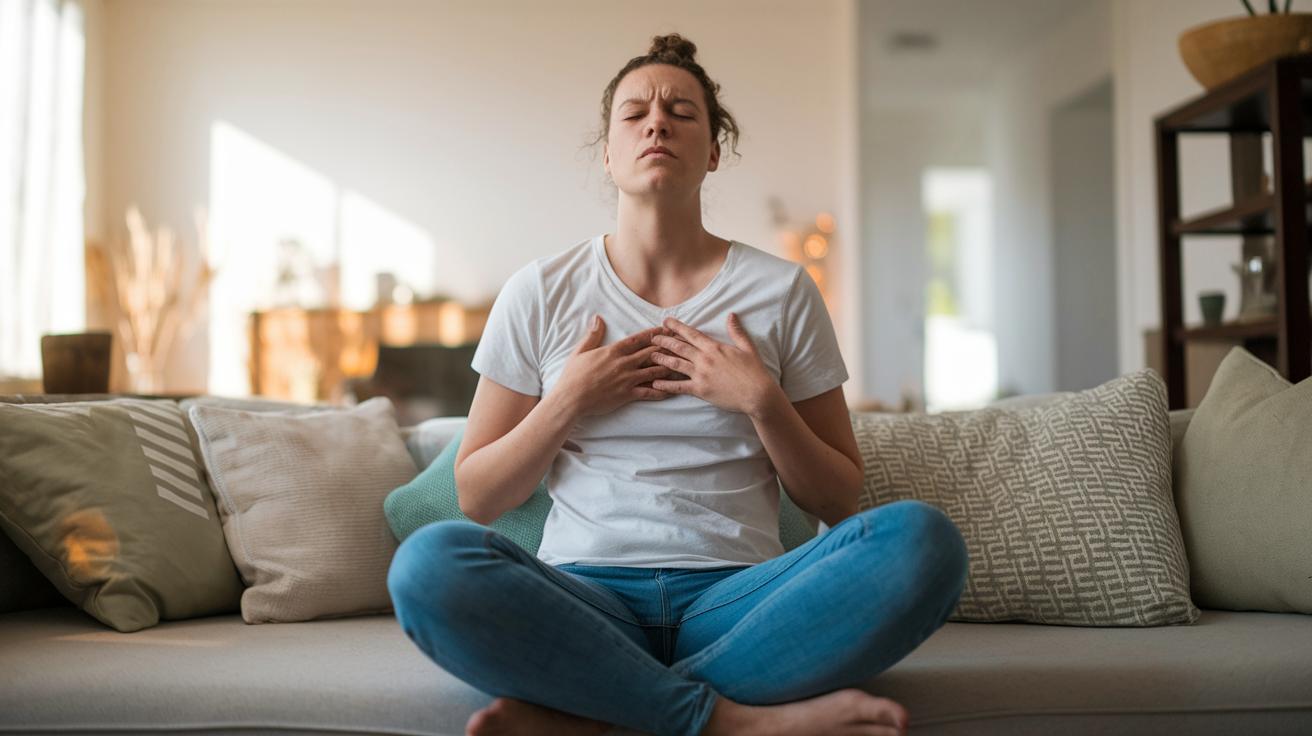
Quick take: Chest tightness after a meal is often mild but can signal a bigger problem if it gets worse.
If you have any of these signs, call emergency services now:
- Severe chest tightness with trouble breathing
- Tightness lasting more than 3 days
- New or worsening symptoms
For milder symptoms, try these steps at home and watch how you feel.
Posture matters. After eating, sit up straight with your back supported. Use a cushion if you need extra support. Staying upright for 30–60 minutes can help keep stomach acid where it belongs.
Slow, deep belly breaths can ease tension. Breathe in through your nose for 4 counts, hold for 1 count, then breathe out through your mouth for 6 counts. Try this 5–10 times to help relax your esophageal muscles.
It can help to keep a simple journal. Write down what you ate, when you ate, and how strong the tightness felt (mild, moderate, or severe). Tracking these details can show a pattern and guide conversations with your doctor.
If your symptoms worsen, last longer than 3 days, or you start having trouble breathing, stop these home methods and contact your doctor right away.
| Home Strategy | Action |
|---|---|
| Posture Adjustment | Sit upright for 30–60 minutes after eating; use a cushion if needed |
| Breathing Exercise | Breathe in for 4 counts, hold for 1 count, exhale for 6 counts; repeat 5–10 times |
| Journaling | Record meal details and symptoms to detect patterns |
Final Words
In the action, we broke down common triggers behind chest tightness when eating, from acid reflux and esophageal spasms to possible cardiac events. We covered red-flag symptoms and outlined clear diagnostic steps plus home strategies.
Keep track of your symptoms and take action when needed. Use our tips to decide if you require emergency care, same-day evaluation or home monitoring. Stay proactive and share your findings with your clinician for a faster, clearer response to chest tightness when eating.
FAQ
How do I stop chest tightness or pain after eating?
The chest tightness after meals can often be eased by eating smaller portions, avoiding spicy or fatty foods, and using over-the-counter antacids. If pain persists or worsens, it’s wise to consult your clinician.
How do I get rid of chest pain when swallowing?
Chest pain when swallowing typically signals an esophageal issue such as spasms or inflammation. Soothe discomfort by drinking warm water and avoiding very hot or cold foods, and seek medical advice for persistent symptoms.
What is esophagitis?
Esophagitis is inflammation of the esophagus, which can cause pain when swallowing. It is often linked to acid reflux and may be managed with dietary changes and medications prescribed by your clinician.
Where is GERD chest pain usually located?
GERD chest pain is typically felt in the middle chest region and may extend to the throat. It occurs when stomach acid irritates the esophagus, often after eating trigger foods.
What causes chest tightness while eating?
Chest tightness during meals can be caused by acid reflux, gallbladder issues, or esophageal spasms. Recognizing these causes helps in choosing the right treatment and knowing when to seek professional advice.