


Quick Take: Your neck pain could be causing your headache.
If you experience head pain along with a stiff neck or poor posture, you may have a cervicogenic headache (head pain triggered by neck issues). This guide explains the common signs and simple steps to help ease your discomfort.
Triage:
• Call emergency services now if you have sudden, severe headache, fever, or weakness.
• If your pain worsens or stops you from doing everyday activities, seek same-day medical advice.
• For mild symptoms, try self-care with gentle neck stretches, warm compresses, and rest. Note your progress to share with your clinician.
Cervicogenic headaches start in the neck. Poor posture or a stiff neck may be the real cause of your head pain, rather than a common migraine. By tracking your symptoms, like when your pain begins and how severe it is, you can help guide your care.
I know it feels worrisome to experience pain. Follow these steps and monitor your symptoms. Acting now can help you feel better and ensure you get the care you need.
cervicogenic headaches: Reliable insights for swift relief
Quick Take: Your headache might be coming from neck problems. Check for red flags and address neck issues early.
Triage Box:
- Red flags: If you notice sudden weakness, numbness, or trouble speaking, call emergency services now.
- Urgent: If your pain grows worse or you feel very dizzy, see your doctor today.
- Self-care: Maintain good posture, take regular breaks, and try gentle neck stretches.
Cervicogenic headaches are head pains that start in your neck. Nearly 96% of people get a headache at least once, but when the pain comes from neck issues, it is called cervicogenic. This headache is secondary, which means it is caused by neck problems instead of the brain. The pain can act like a migraine, so it may be confusing at first.
Common causes include sitting at a desk for too long, poor posture, and muscle strain in your neck. These issues can put stress on the cervical spine (the neck bones) and trigger pain that moves from your neck into your head.
Mechanical problems such as strained muscles or misaligned neck bones can irritate nerves. This irritation sends pain signals that can spread. Because these signs are similar to other types of headaches, keeping an eye on neck-specific symptoms is important. Knowing the pain starts in your neck will help you choose the right treatment and find lasting relief.
Identifying Cervicogenic Headaches: Diagnostic Criteria
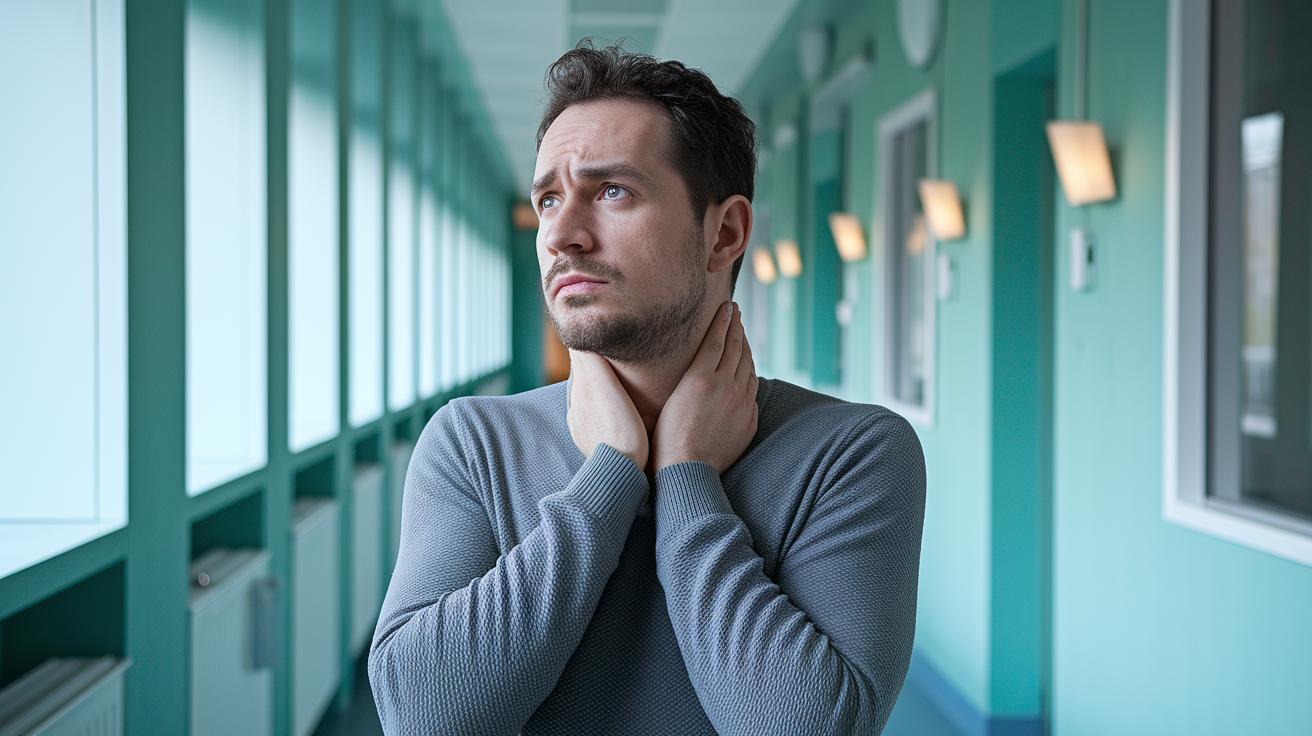
Quick take: Cervicogenic headaches start in your neck and feel different from migraines or tension headaches.
If you have any of these emergency signs, call emergency services now:
- Sudden, severe neck pain with headache
- Numbness or weakness in your arms
- Trouble with vision or balance
Urgent: See your doctor if your headache follows a neck injury or if the pain is getting worse with even small movements.
Cervicogenic headache comes from problems in your neck (cervical spine). It may feel like a tension headache or migraine, but the cause is in the neck. Common triggers include holding your head in a strange position for a long time, making repeated neck movements, or putting pressure on your neck for a while.
Here are the key signs doctors use to decide if a headache is cervicogenic:
- There is proof from a physical exam or imaging (like an X-ray or MRI) that shows a neck problem.
- The headache starts when you move your neck or hold it in an awkward position.
- The pain is mostly in the back of your head or upper neck, and sometimes it spreads to the front.
- The headache gets a lot better or goes away within 3 months after treating the neck issue.
Doctors use these clear clues to link your headache to what’s going on in your neck. This approach helps them treat the real problem, not just the pain.
Recognizing Symptoms of Cervicogenic Headaches
Cervicogenic headaches start with pain in your neck that travels upward into your head. The pain usually shows up on one side at the back of the head near the base (occipital area) and gets worse when you move your neck or hold it in an uncomfortable position. Unlike a migraine that often has a throbbing feel, cervicogenic headache is a steady, deep ache. It usually comes with neck stiffness that limits your movement, meaning the source of the headache is in your neck (cervical spine).
A key sign of this headache is that changing your head position can quickly change how bad the pain feels. If you notice your neck feels stiff and you have a limited range of motion, the headache is likely tied to your neck rather than being a typical migraine. Watch for one-sided pain at the back of your head, tightness in your neck, and pain that is triggered when you move your head.
Differentiating Cervicogenic Headaches from Other Headache Types
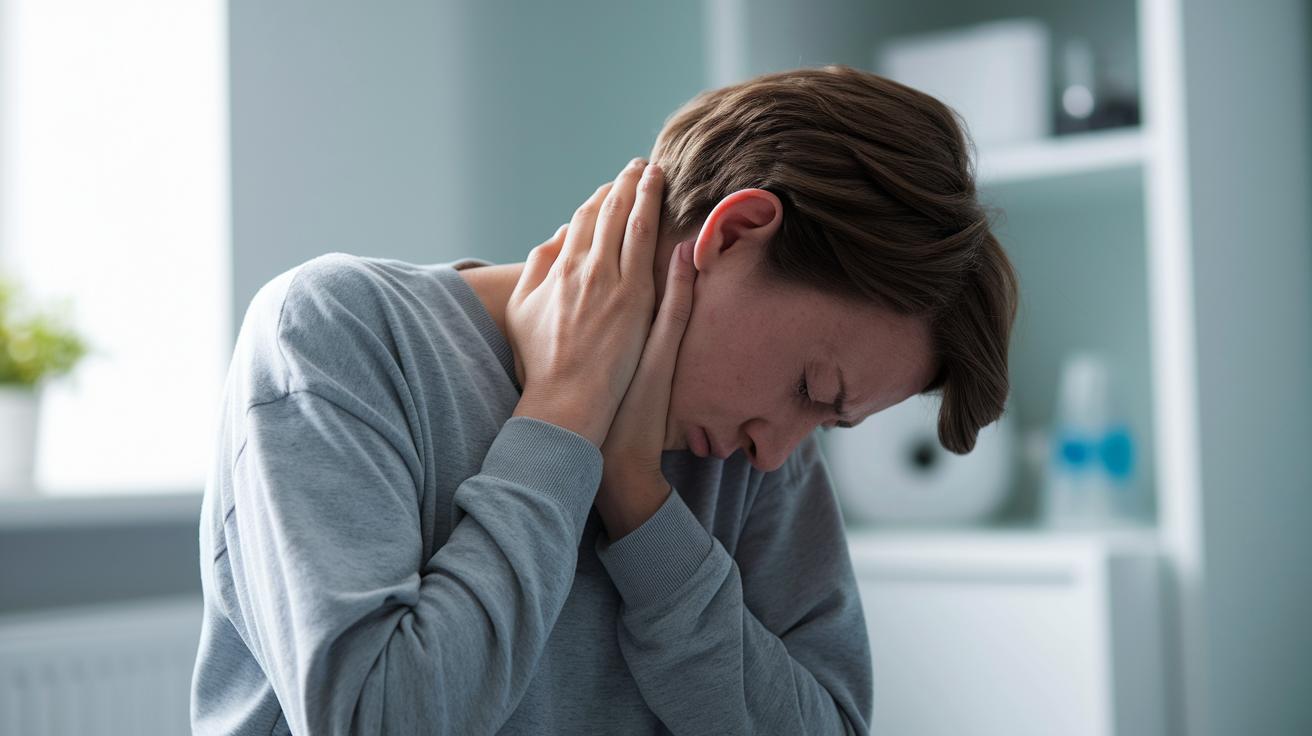
Quick take: If your headache starts with neck pain that spreads upward, it may be cervicogenic; but if it begins in the head with signs like light or sound sensitivity, it could be a migraine or tension headache.
Cervicogenic headaches come from problems in your neck. The pain usually begins in the neck and then moves up into the head. When your pain gets worse with neck movement or by staying in one uncomfortable position, it suggests your neck may be the source. In contrast, migraines and tension headaches start in the head, not the neck, and often come with extra symptoms.
Here are some clues to help you tell the difference:
- Where it starts: Neck pain that travels upward points to a cervicogenic headache, while pain beginning in the head usually means a migraine.
- Triggers: Pain that worsens with moving your neck hints at a cervicogenic cause. Headaches triggered by stress, bright lights, or loud sounds lean more toward a migraine.
- How it feels: Cervicogenic pain is deep and steady. Migraines often feel throbbing or pounding.
- Other symptoms: Neck stiffness occurs with cervicogenic headaches, but migraines may include nausea or sensitivity to light.
- Response to treatment: If neck-focused exercises or therapies ease your pain, it likely comes from your neck. Little change with these treatments might mean you have a different type of headache.
Noticing these details can help you share clear information with your doctor. This leads to better care and the right treatment plan for your headache pain.
Causes and Risk Factors of Cervicogenic Headaches
Bad posture, especially leaning your head forward from long hours at a desk or constant device use, can trigger cervicogenic headaches. When you lean forward often, extra pressure builds on your neck bones and soft tissues (the muscles and ligaments around them). This pressure stresses your neck joints and muscles, leading to strain and irritation. Over time, repeated awkward positions wear down your neck’s support system, making everyday activities a source of pain that can start in the neck and move up into the head.
Neck joint problems also play a big role. When the joints in your neck don’t move as they should, it can cause extra stress. The cushion-like discs (shock absorbers between your neck bones) may wear out with age or stress. Daily tension from stress and poor posture makes muscles tighten. Tight muscles restrict movement and can lead to ongoing discomfort. These issues, mechanical strain, joint wear, and muscle tightness, together raise your risk of cervicogenic headaches. Maintaining good posture and regular self-care can help reduce these risks.
Management and Treatment Options for Cervicogenic Headaches
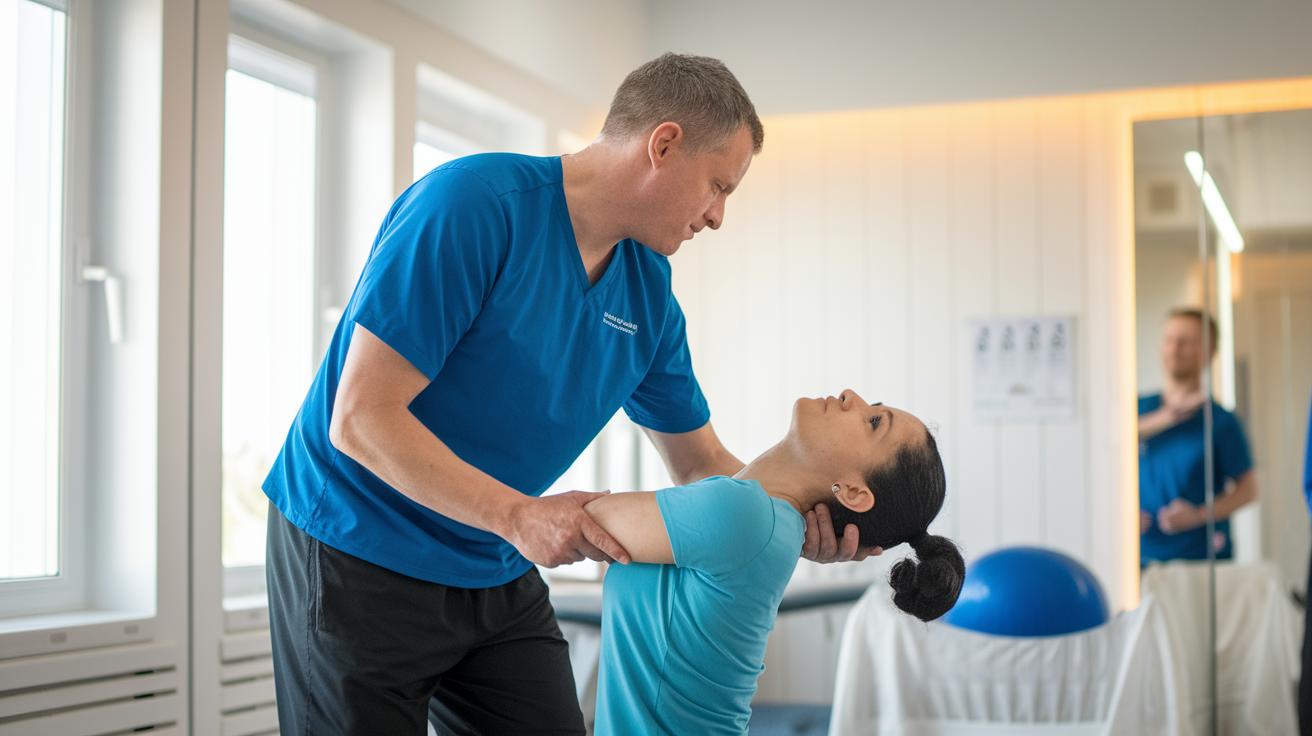
Physical therapy is a key way to ease cervicogenic headache pain. Daily neck stretches and simple exercises help reduce tension and improve movement. For example, try a gentle neck stretch by tilting your head to one side and holding it for 10–15 seconds. Do these stretches every day so your muscles and joints can slowly get stronger. A clear physical therapy plan also teaches you how to stand and sit properly to ease the strain on your neck.
Manual therapy is another important step in treatment. With a trained therapist, you can get gentle movements that help realign your neck and ease muscle tightness. This hands-on help works well with the exercises you do at home. Following professional advice for posture can also reduce stress on your neck. Work together with your therapist and stick to your self-care routine to see improvements over time.
If the pain does not improve enough with these methods, your healthcare provider might suggest medicine or other treatments. For example, nonsteroidal anti-inflammatory drugs (medications that reduce pain and swelling) can help during flare-ups. In some cases, treatments like trigger point injections or nerve blocks may be recommended if your headache keeps bothering you. Combining these treatments can help lower pain, address the cause, and improve your overall quality of life.
Exercises and Posture Strategies for Cervicogenic Headaches
Quick take: Simple neck exercises and good posture can ease your headache by reducing tight muscles. If your pain grows or you feel very uncomfortable, please call your doctor.
Regular neck exercises and mindful posture can help ease headaches caused by neck tension. Adding a few simple moves into your day keeps your neck moving and reduces muscle tightness. For example, tilt your head gently to each side and hold for 10–15 seconds to ease tightness and help your neck stay in a good position. These exercises not only strengthen your neck muscles but also remind you to keep your head and spine aligned during your daily routine. They are very useful if you spend long hours at a desk or using digital devices, as they help lower stress on your neck and reduce headache pain.
Here are some simple moves to try:
- Chin tucks: Gently pull your head back until your ears line up with your shoulders.
- Lateral neck stretch: Tilt your head toward your shoulder and hold for 10–15 seconds.
- Scapular squeezes: Squeeze your shoulder blades together and hold briefly.
- Slow neck rotations: Turn your head slowly in a full circle with smooth movements.
- Isometric holds: Press your forehead into your hand without moving your head, feeling the resistance.
- Shoulder blade depression: Lower your shoulders away from your ears to ease neck strain.
- Posture reset: Stand against a wall and check that your head, shoulders, and back are aligned.
Doing these exercises every day can help ease your cervicogenic headache. Over time, strengthening your neck muscles and resetting your posture builds a strong base for your neck. This proactive approach gives you relief now and helps protect you against future neck pain.
Home Management Strategies for Cervicogenic Headaches

Quick take: Adjust your setup at work and home to ease neck pain and feel more comfortable.
If you feel sharp or worsening pain, call emergency services now. If your pain increases after making these changes, see a clinician today. Otherwise, start with these self-care steps.
Workstation tips:
• Raise your computer screen to eye level.
• Place your keyboard so your arms rest naturally at your sides.
• Use an ergonomic chair and desk setup to keep your head and spine aligned.
• Take frequent breaks to gently stretch your neck and shoulders.
Sleep tips:
• Pick a pillow that supports the natural curve of your neck.
• Try different pillows until you find the best fit.
• Practice deep breathing to relax tight muscles.
These small changes can help reduce tension and protect your neck over time.
Red Flags and When to Seek Help for Cervicogenic Headaches
If you have neck pain with a headache and also notice signs like weakness, numbness, or trouble speaking, this could be more than just tight muscles. If your pain starts suddenly after a neck injury, gets worse quickly, or does not improve with home care, you should see a doctor. Also, take extra care if you have a fever or feel generally unwell.
These symptoms mean you need to act now. They could signal a problem that might require specific treatment.
If you start to have trouble doing everyday activities or if the pain does not lessen when you rest, it might be a sign of something serious. Use a trusted headache triage tool to help decide if you need urgent care. Write down any changes in your symptoms so you can share them with your healthcare provider, and seek help right away if these warning signs show up.
Final Words
In the action, we broke down what cervicogenic headaches are and how they differ from other head pains. We covered key diagnostic points, common symptoms, and clear treatment steps. Practical home-care tips and posture strategies were also discussed so you feel empowered to manage discomfort safely. This guide gives you a quick pathway to decide when to seek help and how to share focused information with your clinician. Stay proactive and positive as you take charge of your neck health.
FAQ
How do you treat cervicogenic headaches (including at-home treatment)?
The cervicogenic headache treatment typically involves a mix of professional care and self-care. Treatments include physical therapy, corrective exercises, and manual techniques, while home care focuses on proper posture and regular stretching.
What cervicogenic headache exercises help reduce pain?
Cervicogenic headache exercises work to relieve neck tension by strengthening cervical muscles. Common moves include chin tucks, lateral neck stretches, and slow neck rotations, which help improve mobility and reduce discomfort by easing muscle tightness.
Are cervicogenic headaches dangerous?
Cervicogenic headaches are generally not dangerous, but they can signal underlying neck issues. While they are treatable with proper care, persistent or severe symptoms warrant evaluation to rule out more serious cervical spine disorders.
What causes cervicogenic headaches?
Cervicogenic headaches are caused by neck dysfunction stemming from poor posture, muscle tension, degenerative disc changes, or cervical joint issues. These factors disrupt normal neck movement and trigger head pain.
What does a cervicogenic headache feel like and what are its symptoms?
A cervicogenic headache typically feels like a steady, deep pain centered at the back of the head or neck, often accompanied by neck stiffness and pain triggered by neck movement or prolonged posture.
What are the trigger points for cervicogenic headaches?
The trigger points for cervicogenic headaches are specific tender spots in the neck muscles, where compressed nerves or tight muscles cause referred pain in the head. Identifying these points can help focus treatment and relieve discomfort.
What discussions are common about cervicogenic headaches on Reddit?
Discussions on Reddit about cervicogenic headaches often include personal experiences, treatment tips, and advice on exercises. Users share practical insights and recommendations, though information should be cross-checked with professional guidance.
What information is available on cervicogenic headaches from Physiopedia?
Information on Physiopedia about cervicogenic headaches describes them as secondary headaches linked to neck issues. It details diagnostic criteria, treatment options, and the importance of differentiating these headaches from other types for proper therapy.