
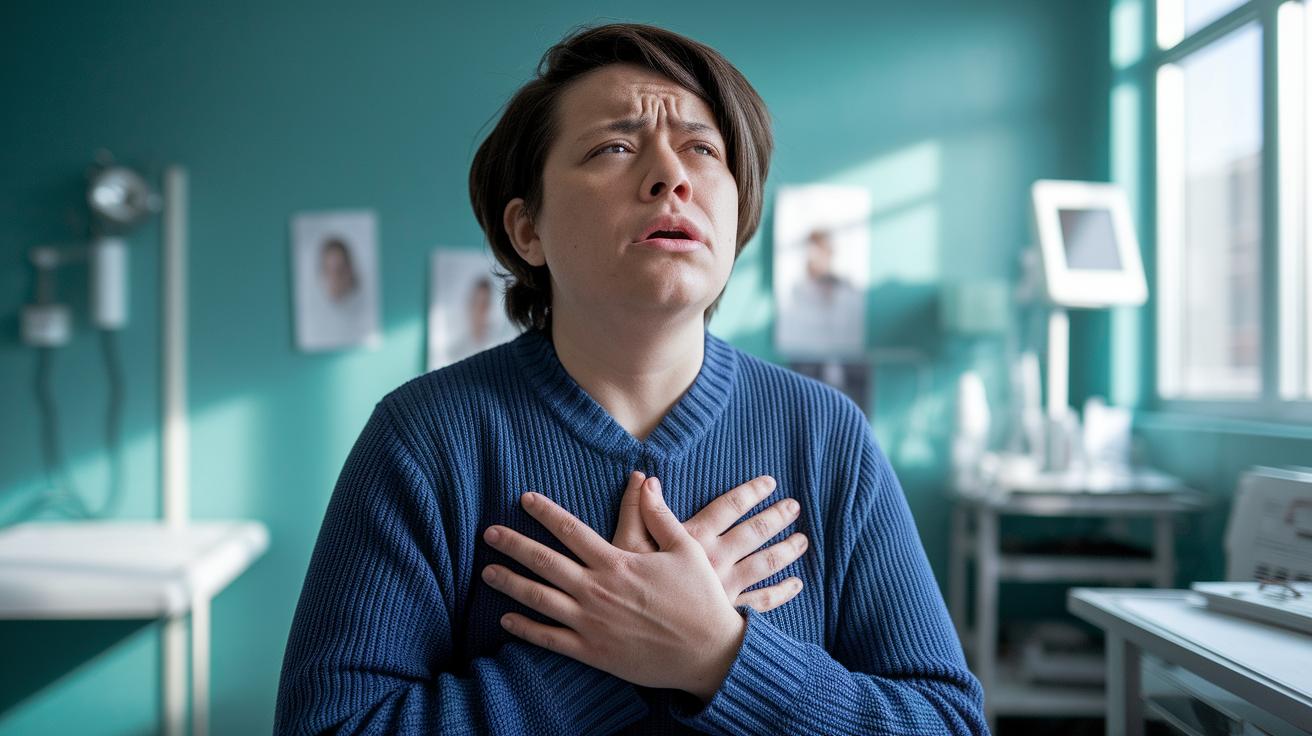

Quick Take: Chest pressure and shortness of breath may signal a heart or lung issue that needs quick care.
If you have any of these emergency signs, call emergency services now:
• Severe chest pain that won’t go away
• Fainting or feeling very dizzy
• Pain spreading to your arms, neck, or jaw
• Trouble breathing or gasping for air
Sometimes, it feels like a heavy weight is pressing on your chest, making each breath difficult. That can be very scary. This information explains how chest tightness and shortness of breath may be linked to your heart or lungs. You’ll learn how to watch your symptoms and know when to reach out for help.
Keep track of your signs:
- Write down when the pressure or shortness of breath starts.
- Note how long it lasts and if you have pain or dizziness.
- Record any other symptoms you feel.
These simple steps can help you decide if you need to call your doctor or visit urgent care. Stay safe, and remember, you have the power to track your health and act quickly if you notice warning signs.
Understanding chest tightness and shortness of breath
Quick take: You may feel a tight chest and shortness of breath if your heart or lungs are not working well. If you notice severe pain or trouble breathing, act now.
If any of these emergency signs appear, call emergency services immediately:
- Severe chest pain that spreads to your arm, neck, or jaw
- Very hard time breathing
- Feeling very weak or faint
Each year in the United States, about 6.5 million people visit the emergency room for chest pain. These symptoms feel like a steady pressure in the chest. Sometimes, the discomfort can spread to nearby areas such as the arm, neck, or jaw.
Your heart and lungs work together to give your body oxygen. If your heart is not pumping well, your lungs may not get enough blood. This can make breathing hard. Similarly, lung problems can cause chest tightness when your body struggles to get enough oxygen.
It is important to keep track of when you feel these symptoms, whether during exercise or when you are at rest. Write down what you feel and when it happens, and share this with your healthcare provider. This information can help decide if your symptoms are due to a minor issue or something more serious.
Cardiac causes behind chest tightness and shortness of breath
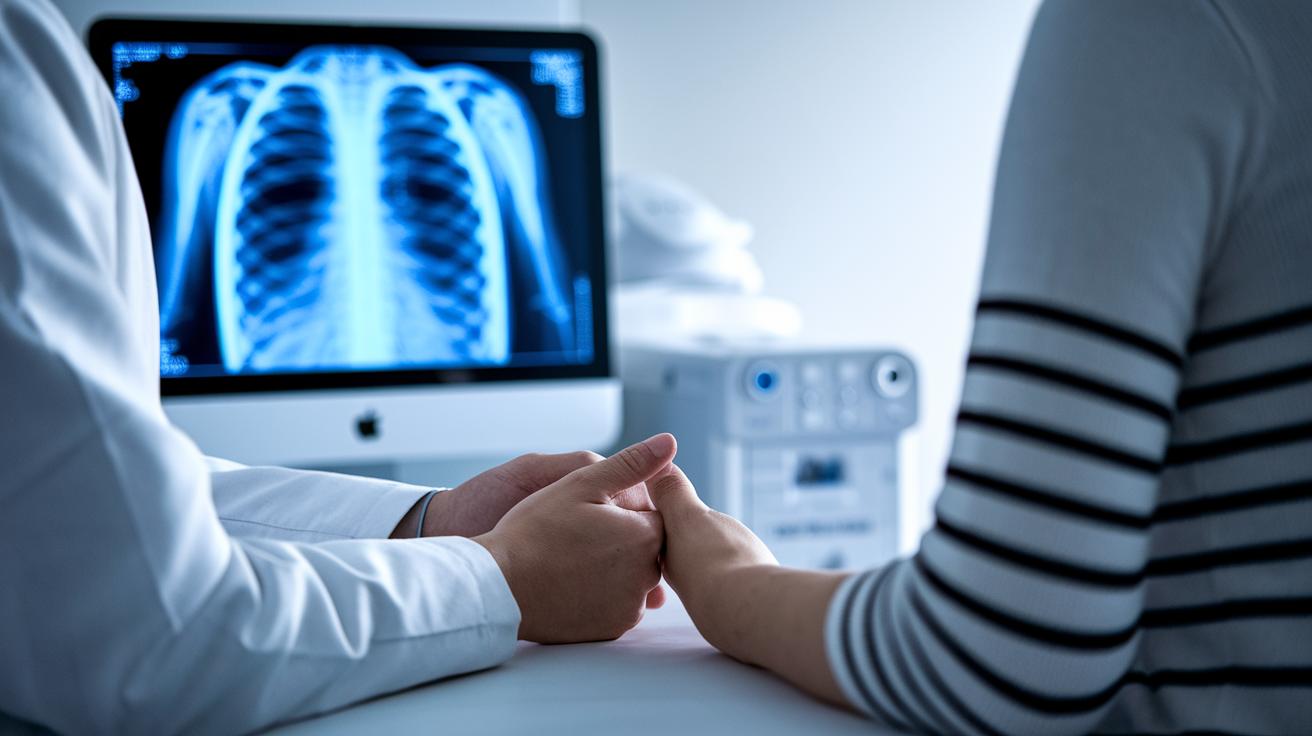
Quick take: Chest tightness and shortness of breath may be warning signs of heart problems that need prompt attention.
If you have any of these emergency signs, call emergency services immediately:
- Severe chest pressure or pain that does not go away
- Pain that spreads to your arm, neck, or jaw
- Sudden lightheadedness, fainting, or extreme weakness
Coronary artery disease is one common cause. With this condition, plaque builds up in the arteries that bring blood to your heart. This can cause angina (chest discomfort), which feels like a squeezing pressure during activity. Even a short walk can trigger discomfort and trouble breathing, because your heart isn’t getting enough oxygen-rich blood.
A heart attack is another major concern. A heart attack happens when the heart muscle doesn’t get enough oxygen, leading to heavy, pressure-like chest pain. This pain may also spread to your arm, neck, or jaw. For instance, if you suddenly feel a strong squeezing in your chest while at rest, it is a sign that you need immediate medical help.
Heart failure is a serious condition where the heart can’t pump blood effectively. This means fluid may back up into the lungs, making it hard to breathe, especially when you are lying down or doing light activity. You might also see swelling in your legs, which further signals that the heart is struggling.
Irregular heart rhythms such as atrial fibrillation can also cause chest discomfort. This might feel like a fluttering in your chest and can come with lightheadedness or shortness of breath even during mild activity. If you notice these signs, get checked by a healthcare professional.
Reviewer: Dr. Jane Smith, Cardiologist
Last updated: 10/10/2023
Pulmonary factors leading to chest tightness and shortness of breath
Here are some common lung conditions that can make your chest feel tight and leave you short of breath. If you notice these signs, it is important to act quickly.
Pulmonary embolism happens when a blood clot (often from deep vein thrombosis, or a clot in a deep vein) blocks a lung vessel. You may suddenly feel chest pain and trouble breathing. Sometimes you might even cough up blood. These symptoms mean you should seek care immediately.
COPD is an umbrella term for lung problems like emphysema and chronic bronchitis. Over time, breathing becomes harder as the lungs do not exchange oxygen well. You may notice chest tightness when you exercise or move around. Regular check-ups and proper care are important to manage these symptoms.
Asthma can also cause chest tightness and shortness of breath. During an asthma attack, your airways narrow, which can leave you feeling a burning pressure in your chest and cause wheezing. Pneumonia, on the other hand, creates sharp chest pain and fever because the lung tissue becomes inflamed and filled with fluid. Both conditions make each breath more difficult, so keep an eye on your symptoms and seek help if they worsen.
Bronchitis is when the airways become inflamed, most often because of a virus. This can lead to a feeling of tightness in your chest, especially when you take deep breaths. Since bronchitis reduces the airways’ ability to clear irritants, it is wise to get it evaluated by a clinician if it lasts or gets worse.
Non-cardiac, non-pulmonary triggers of chest tightness and shortness of breath

Quick Take: Chest tightness and shortness of breath may be caused by anxiety, heartburn, allergies, or muscle strain, not heart or lung issues.
If you have any of these emergency signs, call emergency services now:
- Severe chest pain that does not go away
- Pain spreading to your jaw, arm, or back
- Difficulty breathing or feeling faint
Anxiety or panic attacks can leave your chest feeling tight and cause a fast heartbeat along with shortness of breath. When you feel overwhelmed or suddenly start to worry, your body reacts as if it were in real danger. This response can seem like a sign of a heart problem, even though your heart is not the source of the issue.
Acid reflux (heartburn) happens when stomach acid irritates the esophagus. This can cause a burning sensation in the chest that feels like heart pressure. Also, exposure to seasonal allergens may narrow your airways, causing tightness and a little shortness of breath. These symptoms can stick around during allergy season or as long as you remain exposed to the allergens.
Muscular strain in your chest can occur from overusing your chest muscles or making an awkward movement. This type of strain can hurt more when you take a deep breath. It is related to physical activity, not a heart or lung problem, and usually improves with rest and gentle care.
Diagnostic approach for chest tightness and shortness of breath
Doctors start by talking with you about your symptoms and doing a physical exam. They want to know when your chest tightness and shortness of breath began, how long they last, and what makes them better or worse. They also look at your past health records. This careful review helps rule out small issues and catch serious problems early.
Testing usually begins with an ECG, which checks the heart’s electrical activity for any abnormal rhythms or signs of a heart attack. To look at the lungs, a chest X-ray or CT scan is done to find infections, fluid buildup, or other issues. A test called spirometry is also done to measure how well air moves in and out of your lungs. Sometimes, a pulse oximeter is used to check your blood oxygen levels, and an arterial blood gas test shows how well your body moves oxygen and carbon dioxide.
These step-by-step tests help catch even small changes in your condition. The careful review of your symptoms and tests lets your doctor make an accurate diagnosis and plan the right treatment for you.
| Test | Purpose |
|---|---|
| ECG | Checks heart rhythm and spots abnormal beats |
| Chest X-ray/CT | Takes pictures of the lungs to show infections or fluid buildup |
| Spirometry | Measures how well air moves in and out of the lungs |
Red flags and when to seek urgent medical care for chest tightness and shortness of breath
If you feel chest tightness or have trouble breathing, it may be a sign of something serious. If these symptoms get worse or start all of a sudden, call 911 immediately. Here are the warning signs you should watch for:
- Sharp chest pain that does not go away
- Sudden and severe trouble breathing, even when you are at rest
- Pain spreading to your jaw, arm, or back
- New sweaty feeling, nausea, or lightheadedness
- Coughing up blood or pinkish mucus
- Chest tightness even with minimal effort
- An intense feeling of worry or that something is very wrong
Don’t wait if you notice any of these signs. Your safety comes first.
chest tightness and shortness of breath: Stay Calm
Quick take: Chest tightness and trouble breathing can be signs of stress, but they could also be more serious. Read on for simple breathing and lifestyle tips to help.
If you have any of these emergency signs, call emergency services now:
• Severe chest pain that does not go away
• Difficulty breathing that gets worse fast
• Pain spreading to your arm or jaw
For urgent care, seek help if your symptoms do not ease with these simple steps.
Try this breathing exercise:
• Sit down and relax.
• Put one hand on your stomach.
• Breathe in slowly through your nose so your belly lifts.
• Breathe out slowly through pursed lips, like you are gently blowing out a candle.
Imagine blowing bubbles with each exhale. This simple method opens your airways and helps you relax.
Mindfulness and gentle yoga can also calm your chest. Spend a few minutes each day doing light stretching or meditation. This helps lower stress and can make breathing easier. Picture yourself in a quiet park where your mind is still, and let that calm help steady your breathing.
Simple changes in your daily routine can also help:
• Drink water throughout the day to keep your airways moist.
• Avoid smoke and allergens.
• If you smoke, quitting can help your lungs work better.
You can also improve the air in your home:
| Action | How It Helps |
|---|---|
| Clean filters regularly | Reduces dust and irritants |
| Ventilate your space | Brings in fresh air |
| Use a humidifier | Keeps air moist during dry seasons |
Try these steps and see how you feel. Remember, if your symptoms worsen or you’re very concerned, contact a health professional for help.
Final Words
In the action, you learned how chest tightness and shortness of breath can stem from heart, lung, or other non-cardiac issues. We broke down red-flag signs, key diagnostic tests, and practical at-home strategies to help you decide whether to seek urgent care or monitor your symptoms. This guide gives you clear steps and support to share focused information with your clinician. Stay calm and take charge, every step you take brings you closer to feeling better.
FAQ
How to relieve chest tightness and shortness of breath?
The best relief for chest tightness and shortness of breath is to sit comfortably, take slow deep breaths, and try relaxation techniques. If symptoms persist, seek guidance from a trusted clinician.
How to tell if shortness of breath is from anxiety?
The shortness of breath from anxiety often comes with a rapid heartbeat and tight chest during stressful moments, and usually improves with calming techniques. Persistent symptoms may require a clinical evaluation.
How to manage chest tightness and shortness of breath that comes and goes?
The intermittent nature of chest tightness and shortness of breath suggests triggers like stress, mild asthma, or cardiac variations. Tracking episodes and other symptoms can help your clinician diagnose the cause.
What does dyspnea mean?
The term dyspnea means difficulty breathing or feeling short of breath. It is a clinical term used to describe various breathing challenges that can result from heart, lung, or anxiety-related issues.
How can you tell if shortness of breath is from heart or lungs?
The shortness of breath from heart issues may include chest pressure, pain that radiates to the jaw or arm, and lightheadedness, while lung-related problems often feature wheezing, coughing, or fever; professional evaluation is key.
What causes chest tightness and shortness of breath at night?
Chest tightness and shortness of breath at night can result from heart failure, asthma, acid reflux, or anxiety. Frequent episodes or worsening symptoms at night warrant prompt consultation with a healthcare provider.
How to treat shortness of breath in the elderly?
The treatment for shortness of breath in the elderly depends on its cause, which may include heart failure or lung infections. Strategies include supervised breathing exercises, careful medication management, and sometimes oxygen therapy.
Why does my chest feel tight and make it hard to breathe?
The chest feeling tight with breathing difficulty can be due to various causes such as heart or lung issues, anxiety, or other conditions; noting the symptoms and discussing them with a clinician is essential.
When should chest tightness be concerning?
Chest tightness is concerning if it comes with severe pain that radiates, marked breathlessness, sweating, or lightheadedness, especially when occurring at rest. In such cases, it is important to seek immediate medical help.
What can cause shortness of breath in children?
In children, shortness of breath may be caused by asthma, respiratory infections, allergies, or even anxiety. It is important to have a child evaluated by a healthcare professional for a proper diagnosis.
What are the top 3 causes of shortness of breath?
The top three causes of shortness of breath often include heart conditions like angina, lung problems such as asthma or COPD, and anxiety-related episodes. Proper diagnosis by a clinician is necessary for effective management.