


Quick take: Small daily choices can boost your energy.
Ever wonder how some people seem to have endless energy? This easy health checklist shows you how everyday habits add up to a strong, healthy life. You track your eating, exercise, sleep, and stress using simple yes or no answers.
What to do:
• Check if you ate a balanced meal.
• See if you fit in some exercise.
• Note if you got enough sleep.
• Mark whether you managed your stress.
This tool helps you spot what you’re doing well and where you might need a boost. Use it to take control of your habits so you can feel vital and balanced every day.
Core Lifestyle Health Checklist Overview
This checklist is a simple tool to help you track your daily health habits. It uses yes/no answers to show if you’re following a healthy plan. You can quickly see if you are eating well, exercising, and keeping track of key numbers like blood pressure (the force of your blood against your blood vessels).
This guide mixes your daily actions with clear numbers to give you an overall picture of your health. It helps you check off important tasks and spot areas that might need extra care.
Here are the main areas to review:
- Nutrition and balanced diet essentials
- Physical activity and exercise routine
- Mindfulness and stress reduction practices
- Sleep quality and management
- Preventive screenings and immunizations
- Hydration and supplement intake
- Self-care planning and progress logging
Each day, answer yes if you are meeting your goal and no if you need to improve in that area. This easy routine helps you stay on track and remind you to care for your health every day.
Nutrition and Balanced Meal Planning for Your Checklist
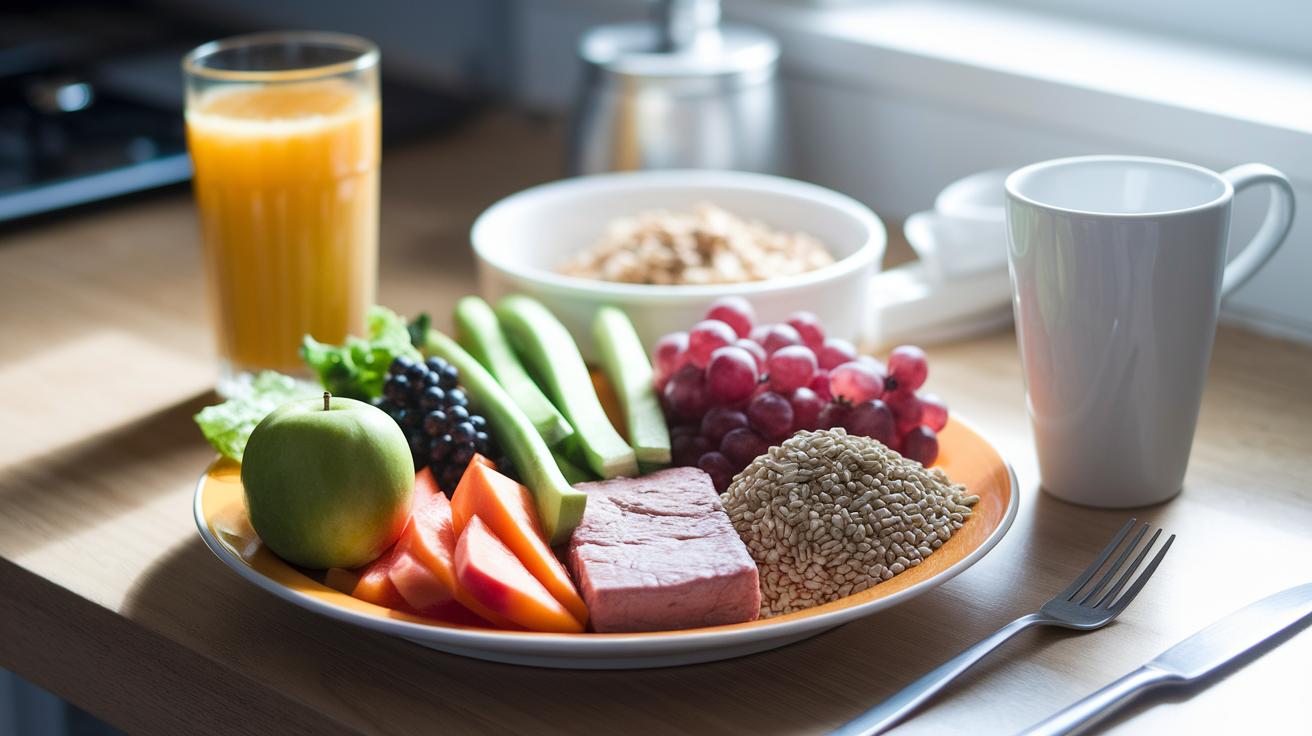
Eating a balanced diet is the key to a strong, healthy body. Your food choices shape your energy today and your health tomorrow. There isn’t one perfect diet for everyone; what works for you will depend on your goals, like managing your weight or preventing disease. A checklist can help you make sure you get a mix of nutrients every day.
Watch your portions and aim for a good mix of carbs, proteins, and fats. Use whole foods such as fruits, vegetables, lean meats, and healthy fats to build balanced meals. Adding anti-inflammatory foods like turmeric, berries, and leafy greens can help lower inflammation. A simple dietary checklist lets you track your habits by day and week so you can adjust as needed.
Mindful eating is another important step. Listen to your body and notice when you are really hungry or full. Take time to eat slowly and savor each bite. Writing down when you pause before meals can show you that even a few deep breaths help you feel more satisfied. This practice helps you better understand your hunger and keeps your nutrition balanced over time.
Core Lifestyle Health Checklist Overview
This checklist uses a simple yes/no method to help you keep track of your daily habits and key health numbers. It covers lifestyle choices like eating well and checking important signs like blood pressure. Record your progress every day to improve your energy and overall health.
What you can monitor:
- Healthy eating and balanced diet
- Regular exercise and physical activity
- Techniques for reducing stress
- Quality of your sleep
- Scheduled screenings and immunizations
- Daily water intake and use of supplements
- Self-care activities and progress notes
Nutrition and Balanced Meal Planning for Your Checklist
Quick take: A balanced meal plan is a simple way to boost your long-term health.
If you notice troubling changes like unusual tiredness or digestive problems, please talk with your doctor.
What you eat affects your health over time. There is no one perfect diet because your goals, such as losing weight or lowering disease risk, change what you should include on your plate. Use a checklist to make sure each meal has balanced portions and a mix of different nutrients.
Plan your meals in advance. Make a weekly menu and a shopping list filled with lean proteins (like chicken or fish), whole grains (such as brown rice), fruits, and vegetables. For example, you might grill chicken and chop fresh veggies on Sunday so that weekday dinners are easier to build.
Track your meals to see the benefits. Mark meals that include a mix of food groups and anti-inflammatory items (like leafy greens, berries, and turmeric). Note if you feel more energetic or have better digestion over time.
Exercise Tracking and Balanced Workout Schedule
Quick tip: A balanced workout routine mixes heart-pumping exercise, strength moves, and stretching to keep you strong and flexible.
Start by planning your workout to include three parts:
• Aerobic exercise: Aim for 150 minutes each week of activities like brisk walking or light jogging. This helps your heart and burns calories.
• Strength training: Do two sessions per week using body-weight moves such as squats, push-ups, or lunges. These help build muscle and boost stability.
• Flexibility work: Add daily stretching to ease muscle tension and improve joint mobility.
Try mixing up your activities. A brisk walk can raise your heart rate nearly as much as jogging but is gentler on your joints. Use simple household items for light weight training if you don’t have gym equipment. Even short stretching breaks can make a big difference.
To keep track of your workouts, use a simple checklist:
| Activity Type | Minutes or Sessions |
|---|---|
| Aerobic Activity | 150 minutes per week |
| Strength Training | 2 sessions per week |
| Stretching | Daily breaks |
Recording your progress can be as simple as noting the type of exercise, how long you did it, and how you felt afterwards. This will help you see improvements over time and adjust your routine if needed.
Each bit of effort counts. Whether it’s an early morning walk or a quick circuit at lunch, small steps help you build a healthier life. Stay consistent, and remember that every move makes a difference.
Mindfulness, Stress Reduction, and Sleep Management

Chronic stress and not enough sleep can upset your feelings and harm your overall health. When stress sticks around, it drains you and keeps your body in a constant state of alert. Not getting enough sleep can raise your risk for sleep apnea (when breathing stops during sleep) and trouble with thinking clearly, making it even harder to handle stress.
Mindfulness practices backed by research can lower stress and lift your mood. Try simple exercises like deep breathing, listening to guided meditations, or taking a short, mindful walk. Focusing on the good parts of your day can help shift away from negative thoughts. Adding these habits to your routine can clear your mind and ease anxiety.
Regular breaks for stress relief help you relax and recharge. Pick specific moments during your day for a quick meditation, some stretching, or a few peaceful minutes with calming music. These short pauses can steady your mood and keep stress from building up.
Good sleep habits are key to feeling your best every day. Stick to a regular bedtime, even on weekends, to help set your body clock. Turn off screens before bed and keep your room quiet and dark. This sleep setup can help you fall asleep faster, enjoy deeper sleep, and wake up refreshed.
Preventive Wellness Steps: Screenings, Vaccinations, Heart Monitoring
Quick take: Routine check-ups help catch hidden issues early, keeping you on track to good health.
Triage Box:
• If you notice chest pain, shortness of breath, or feel very dizzy, call your doctor immediately.
• If you're unsure about any new symptoms, seek advice from a clinician right away.
Regular physical exams can find problems like high blood pressure, high cholesterol, or early signs of cancer even when you feel fine. These visits give you a chance to discuss your daily habits and make changes that keep you healthy over the long run. Preventive care is not just about addressing problems, it is about stopping them before they start.
Caring for your heart is key. A cholesterol test (a simple blood test) helps your doctor guide you about your diet, exercise, or if you need medicine. Checking your heart often can also reveal risks such as high blood pressure, sometimes called the silent killer. Your healthcare provider will tailor advice to your age and personal risks to keep your heart strong.
You can use your personal health checklist to track your exams. Answer yes or no to each step so that nothing important is missed.
| Screening | Frequency | Recommended Age |
|---|---|---|
| Blood Pressure | Annually | 18+ |
| Cholesterol Panel | Every 5 years | 20+ |
| Mammogram | Every 2 years | 50+ |
| Colonoscopy | Every 10 years | 45+ |
| Pap Smear | Every 3 years | 21+ |
| Flu Shot | Annually | All ages |
| COVID-19 Booster | As recommended | Varies |
Tracking these steps empowers you to stay on top of your health and keep your energy high.
Lifestyle Health Checklist: Boost Your Vitality
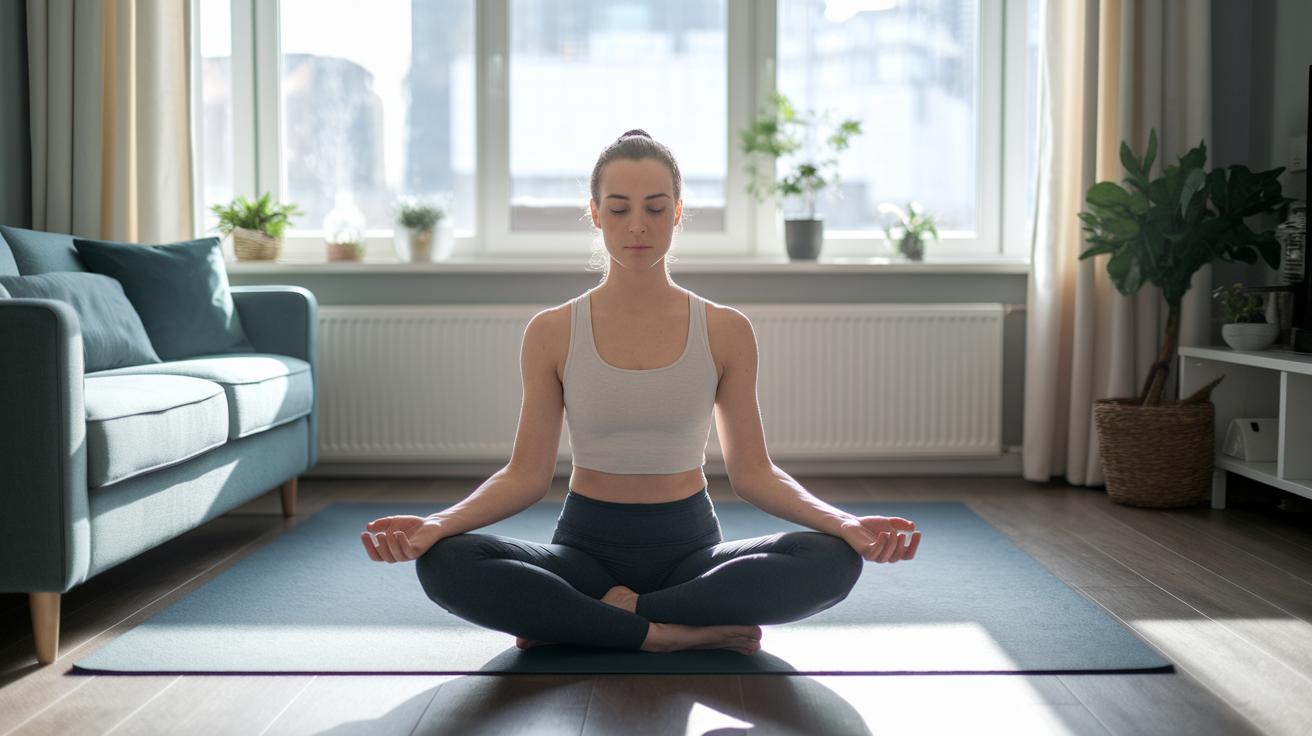
Staying well starts with good hydration. You should drink 8 cups (64 oz) of water every day to keep your energy up and your body working properly. Use a simple water tracker to mark each cup you drink. This helps ensure your cells get refreshed and your metabolism runs smoothly.
Every day, take a moment to check on your supplements. See if a daily multivitamin or vitamin D (a vitamin that helps with bone health) fits your needs. A quick yes or no on your checklist can remind you to review and adjust your routine if needed. This steady check can boost your overall health without overloading your day.
Add small self-care tasks to your daily routine. Schedule time for quick skin checks, short relaxation breaks, or brief moments of mindfulness. These steps help ease stress and support healthy skin. Mark your checklist as you go to stay on top of your wellness.
Tracking Tools, Progress Logging, and Lifestyle Improvement Guide
Quick take: Tracking your daily numbers helps you see real progress over time.
Use a simple checklist every day:
- Pick an app, a spreadsheet, or printed logs.
- Record key numbers such as blood pressure, weight, mood, and energy.
- Mark yes/no responses for daily habits.
Regular tracking shows how small changes add up to big health wins. Apps and spreadsheets can make it easy for you to notice trends and spot areas to adjust when something isn’t working.
Choose a tool that fits your routine. Many health apps let you set SMART goals (clear targets that are Specific, Measurable, Achievable, Relevant, and Timely) so you can turn simple daily actions into lasting improvements.
Here are some options to consider:
| Tool Type | Description |
|---|---|
| Health Apps | Checklist apps with simple yes/no entry options |
| Spreadsheet Trackers | Customizable sheets to log details like blood pressure and weight |
| Printable Logs | Paper forms to track daily physical activity |
| Journals | Daily mood and energy journals to capture how you feel |
| Combined Tools | Systems that track multiple metrics, such as blood pressure and weight |
Review your data every month to see clear trends in your progress. By checking your logged measurements, you can quickly pinpoint what to adjust. Regular reviews are a key part of staying on track with your wellness goals.
Final Words
In the action, you explored a clear guide covering daily nutrition, exercise, stress management, and essential screenings. You learned how to track your habits and vital markers using a simple yes/no approach in your lifestyle health checklist.
Each section provided practical tools for self-assessment and progress logging. Small, steady steps build strong wellness habits that empower you to feel better every day. Keep at it and let this checklist guide your journey to improved health.
FAQ
What does a healthy lifestyle checklist PDF include?
The healthy lifestyle checklist PDF provides a yes/no tool that helps you track key behaviors and measures like nutrition, physical activity, sleep, and blood pressure to monitor overall health.
What does the Life Essential 8 calculator and questionnaire do?
The Life Essential 8 calculator and questionnaire work together to assess your daily habits, helping you calculate your adherence to practices that support heart and overall health.
What is the My Life Check assessment or quiz?
The My Life Check assessment or quiz offers a simple self-assessment using yes/no questions to highlight areas where you can improve your daily wellness routine.
What are heart healthy lifestyle habits?
Heart healthy lifestyle habits include a balanced diet, regular exercise, stress management, quality sleep, routine screenings, proper hydration, and thoughtful self-care planning.