
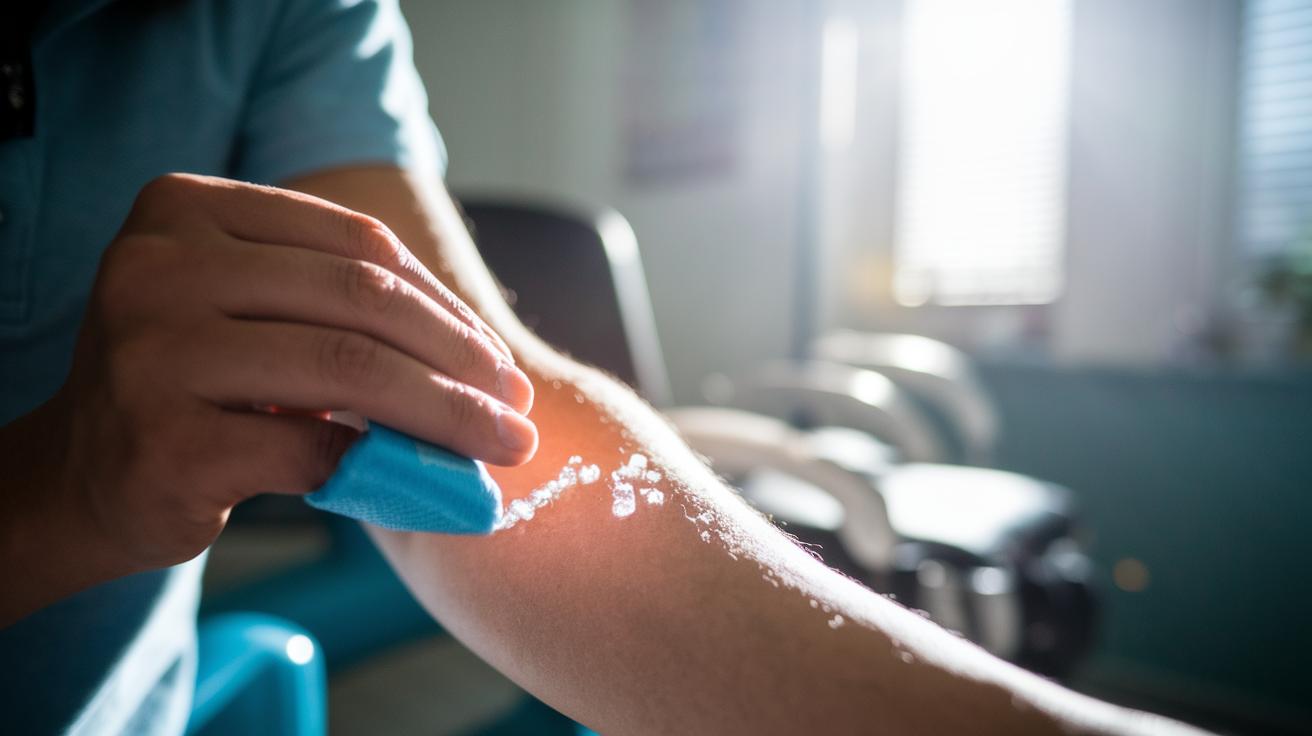

Quick take: A sting can be serious. Act fast.
If you see these emergency signs, call emergency services now:
• Trouble breathing or swallowing
• Swelling of the face, lips, or throat
• Dizziness or fainting
A sting may seem small but can lead to dangerous symptoms if not treated quickly. When you get stung, every second counts. The venom can spread quickly, making your symptoms worse.
Here’s what you can do:
• Stay calm and move to a safe place.
• Remove the stinger gently (try scraping it off with a flat edge like a credit card).
• Keep an eye on how you feel. Write down the time and any changes like increased swelling, pain, or trouble breathing.
Remember, these steps will help you find relief fast and lower the chance of a more serious reaction. If your symptoms get worse or you notice any red flags, seek help immediately.
Immediate First Aid Steps for Stings
Quick take: Act fast and stay calm. Limit movement to slow the venom (toxin from the sting) spread and check for serious symptoms.
If you have any of these signs, call emergency services now:
• Trouble breathing or chest tightness
• Very fast heartbeat (over 100 beats per minute)
• Severe swelling or confusion
Here's what you can do next:
- Help the person sit or lie down so they stay calm.
- Look for a stinger and gather any needed tools to remove it.
- Use a pen to mark the bite area so you can track swelling.
- Write down the time of the sting and any first aid steps you take.
- Check their pulse, breathing, and alertness regularly.
- Note any changes every 15 to 30 minutes.
By following these steps, you can slow the spread of the venom and catch any dangerous signs early, which helps guide further care if needed.
Removing Stingers and Cleaning Wounds
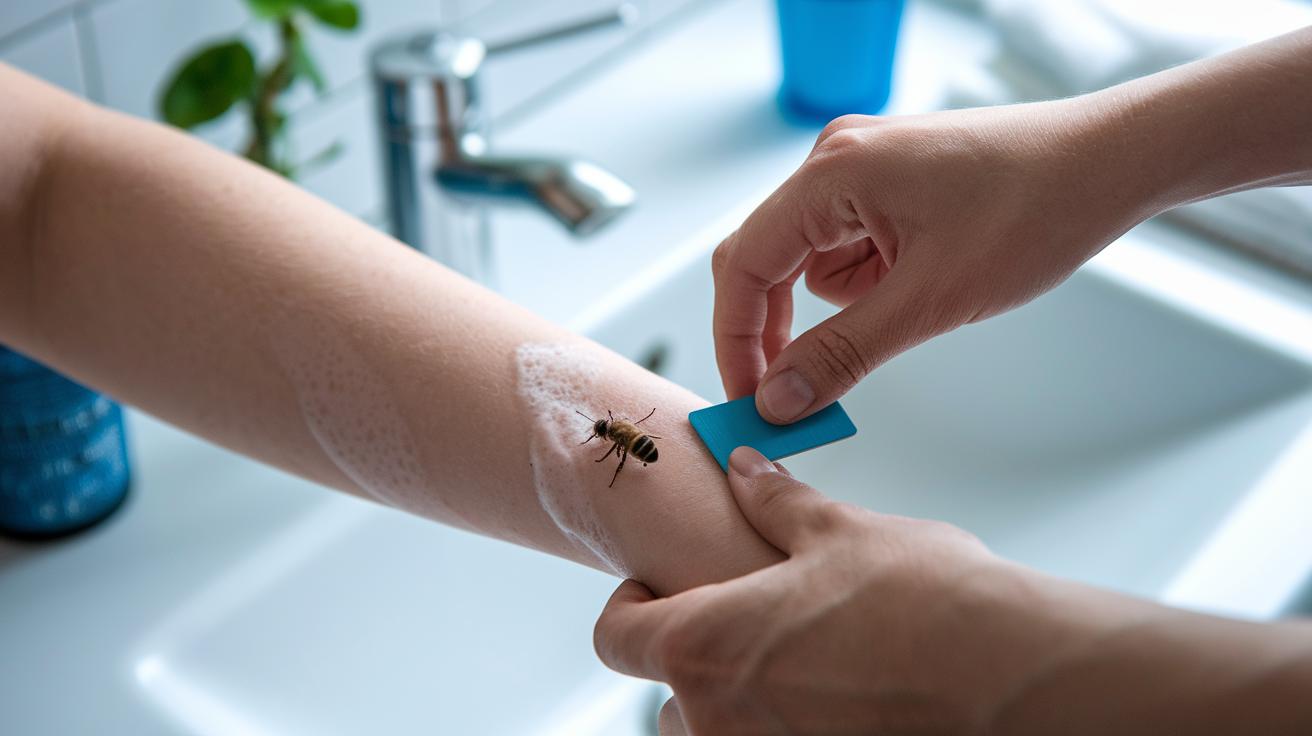
If you're stung by a bee, a barbed stinger (a small spine) with a venom sac may stay in your skin. Do not pinch it with your fingers or tweezers since that can squeeze extra venom in. Instead, use a flat edge like a credit card to gently lift it out. This simple move helps stop more toxin from spreading.
Clean the area right away. Rinse the sting under running water with mild soap for about 30 seconds. The water washes away leftover toxins, and the soap cleans the skin without harsh chemicals. This gentle cleaning helps lower irritation and gets the wound ready to heal.
Finally, pat the area dry with clean gauze. Rubbing can push any leftover venom deeper. By gently drying, you keep the wound clean and lower the risk of more toxins spreading. These steps can help you manage symptoms until you get further care if needed.
Cooling and Pain Relief Techniques in First Aid for Stings
Quick Take: Cooling the affected area can slow the venom and ease pain, but watch for signs of a severe reaction.
If you have any of these emergency signs, call emergency services now:
- Trouble breathing
- Swelling of your face, lips, or throat
- Severe, worsening pain
Cooling the sting is very important. Use an ice pack or a cold cloth on the sting for 10 minutes. Then remove it for 10 minutes. This on-and-off pattern helps slow the spread of venom, cuts down on swelling, and numbs the pain.
You can also use creams or gels you buy at the pharmacy. Try a topical antihistamine gel or 1% hydrocortisone cream to help with itching and swelling. Follow the label instructions and note the time you apply each dose. Keeping track of this can help you decide if you need to get further help.
If you’d rather use a natural remedy, you have options too. For a bee sting, mix a small amount of water with baking soda to make a paste, and gently apply it to the sting. For a jellyfish sting, rinsing the area with vinegar may help neutralize the toxin. If you can, raise the injured limb to lessen swelling and boost blood flow for better healing.
Recognizing Allergic Reactions After a Sting
Quick take: A sting can cause a small skin reaction or a serious allergic response.
If you have any of these emergency signs, call emergency services now:
- Trouble breathing or throat tightness
- Widespread, itchy red bumps (hives)
- Rapid heartbeat, dizziness, or nausea
- Swelling that spreads quickly
Mild Reactions
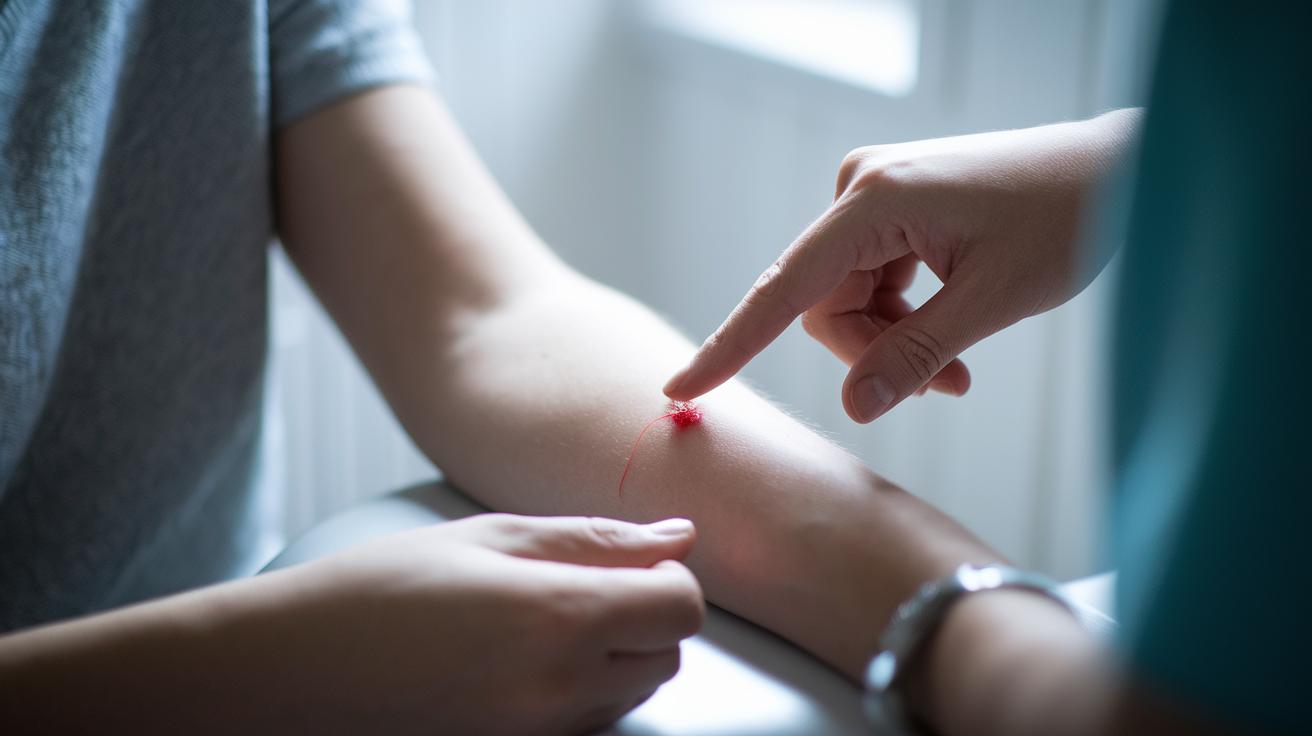
After a sting, you may notice a small red, swollen spot (often less than 5 cm wide). This is a normal body response to the venom and does not always mean you are allergic. You might also feel mild itching. To help track the reaction, mark the edge of the red area with a pen and check for any changes. A cool compress can ease the discomfort if you feel irritated.
Severe Reactions and Anaphylaxis
Sometimes, a sting can trigger a full-body reaction. You could see widespread hives, feel tightness in your throat, or have trouble breathing with a wheezy sound. Other signs include nausea, dizziness, or a fast heartbeat. These symptoms are serious and may quickly turn into anaphylaxis, a life-threatening reaction where your airway is at risk. If you notice any of these signs, use an epinephrine auto-injector if you have one, and call emergency services immediately. Keep track of when the symptoms began and note any steps you take every 15 to 30 minutes. This record is very useful when you speak with your doctor.
First Aid Protocols for Common Sting Types
Quick take: Follow these clear steps after a sting and act fast if you notice severe signs.
Bee Stings
If you get stung by a bee, start by scraping the stinger off gently with a flat tool like a credit card. Then, apply an ice pack for 10 minutes (10 minutes on, 10 minutes off) to ease pain and swelling. Watch for red flags such as trouble breathing or severe swelling. If you see these signs, call emergency services right away.
Wasp and Hornet Stings
Wasp and hornet stings come from insects that can sting more than once because they have a smooth stinger. First, clean the area with soap and water. Then, use a cold pack to help reduce discomfort. Stay alert for swelling or symptoms that spread. If these occur, seek same-day medical care.
Jellyfish Stings
For a jellyfish sting, rinse the affected area immediately with vinegar. Carefully remove any leftover tentacles with tweezers. Next, soak the area in water heated to 104°F for 20 to 45 minutes. This helps neutralize the toxin and ease pain. If you experience increased pain or allergic symptoms, get medical help immediately.
Stingray Injuries
With stingray injuries, immediately soak the wound in hot water up to 110°F to help deactivate the venom and reduce pain. If you notice that the spine is still there or if the pain stays severe, seek urgent medical assistance.
Stonefish Stings
Stonefish stings are very serious. Start by immersing the sting in hot water. Because this sting can be dangerous, get urgent care if your symptoms worsen or if a clinician suggests anti-venom treatment.
| Sting Type | Immediate First Aid | When to Seek Medical Help |
|---|---|---|
| Bee Stings | Remove stinger; ice for 10 minutes | If you have trouble breathing or severe swelling |
| Wasp/Hornet Stings | Clean with soap and water; apply cold pack | If swelling spreads or symptoms worsen |
| Jellyfish Stings | Rinse with vinegar; remove tentacles; soak in 104°F water | If pain intensifies or allergic signs occur |
| Stingray Injuries | Soak in hot water (up to 110°F) | If the spine remains or the pain persists |
| Stonefish Stings | Immerse in hot water | If symptoms worsen or anti-venom may be needed |
Assembling a Sting Response Kit
Quick take: A ready kit helps you act fast to stop venom spread and ease pain.
Triage:
• Emergency: If you have trouble breathing, swelling in your face or throat, or severe pain, call emergency services now.
• Urgent: If you feel dizzy, confused, or see a rapidly spreading rash, seek same-day medical care.
• Self-care: Use your kit to remove a stinger, clean the wound, or reduce swelling as you monitor your condition.
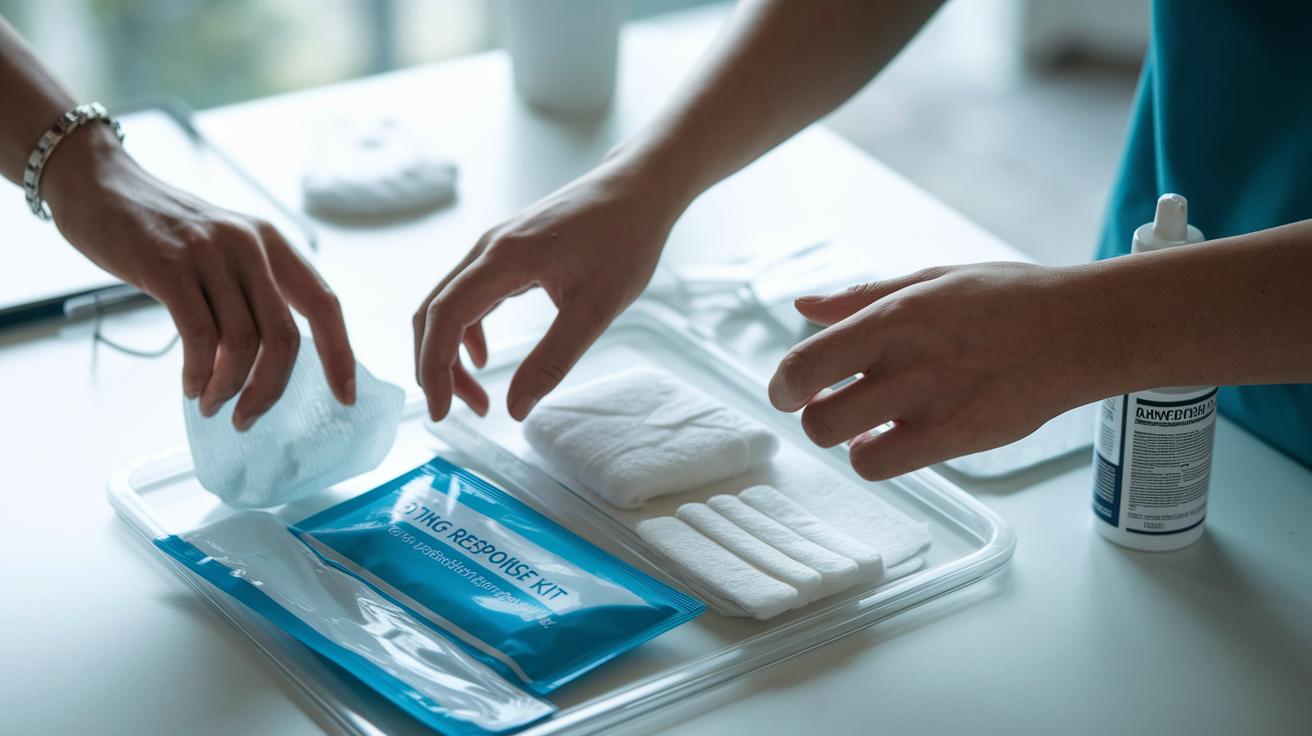
A sting response kit gives you the essential tools to act immediately when you are stung. With a few well-chosen items, you can slow the spread of venom, ease pain, and limit further damage while you wait for help.
Make sure your kit includes the basics. Keep tweezers for carefully removing stingers, antiseptic wipes to clean the area, sterile gauze to cover injuries, and instant cold packs to reduce swelling. You can also add topical treatments like hydrocortisone cream, antihistamine gel, and baking soda packets to relieve itching and calm irritation.
If you spend time outdoors, consider adding a few extras. Disposable gloves help keep things clean and vinegar packets may further neutralize toxins. Sting-relief pads offer extra comfort, while a small flashlight is useful in low light situations. Check your kit often to ensure all items are within their use-by dates and in good condition.
A well-maintained kit can boost your confidence and help you respond quickly and effectively if you are stung.
Preventive Measures and Safety Tips Against Stings
Watch your movement when you’re outdoors. If you see insects, move slowly and avoid quick swats because hitting them hard can make them aggressive. For instance, if you notice bees near a flower patch, step away gently.
Your clothes and gear also matter. Wear light, non-perfumed clothes. Check your shoes, bags, and other equipment before you use them because tiny bugs can hide there.
Make sure everyone in your family learns to spot places where insects gather. Always look around your home or picnic area for insect nests. At picnics, cover your food and drinks so bugs will not come near. This careful approach can help reduce the risk of getting stung.
Final Words
In the action, clear steps can help ease sting injuries. Immediate actions like calming the person, safely removing a stinger, and applying cooling relief make a difference. First aid for stings outlines a simple plan: check for red flags, track your symptoms, and maintain a ready sting response kit. Tackling each step, from first intervention to monitoring for allergic reactions, ensures you stay safe and prepared. Keeping practical measures in mind brings reassurance and control. Stay calm, act quickly, and follow these steps for a smoother recovery.
FAQ
What is the first aid procedure for stings?
The first aid procedure for stings involves calming the person, having them sit or lie down, checking for and removing the stinger safely, marking the affected area, recording the time, and monitoring vital signs closely.
What should you do immediately after a sting?
Immediately after a sting, you should calm the person, position them comfortably, inspect and remove the stinger using a flat edge like a credit card, note the time of the sting, and watch for any changes in breathing or alertness.
How do you draw out a stinger safely?
To safely draw out a stinger, gently scrape the area with a flat object such as a credit card instead of pinching it, which helps prevent additional venom release while removing the embedded apparatus.
What is the best first aid treatment for a bee sting?
The best first aid treatment for a bee sting is to quickly remove the stinger by scraping it off, clean the wound with soap and water, apply a cold compress, and use a topical antihistamine or hydrocortisone cream to ease pain and swelling.
Where can I find presentation or PDF guides on bites and stings first aid?
Resources like PPTs and PDFs on bites and stings first aid are available online from trusted health websites and clinical guides, providing step-by-step protocols and visual aids to help with immediate treatment.
How can I identify insect bites using pictures?
Identifying insect bites with pictures involves comparing your symptoms to clear images available on reputable medical and first aid websites, which show common bite appearances to help you recognize red flags and typical patterns.