


Quick take: A solid emergency plan at work can save lives when danger strikes.
Have you ever stopped and thought if your workplace is truly ready for an emergency? When every second counts, having simple steps in place can make a big difference. Check for hazards regularly and map out safe exits so you and your coworkers know where to go. This guide will help you build an emergency plan that works. Start by forming a response team, then set up a quick way to alert everyone if danger appears. Keep the plan clear and simple so you can act fast and stay calm when it matters most.
Workplace Emergency Protocol: Confident Safety Steps
Quick Take: Follow these clear steps to keep everyone safe when an emergency hits your workplace.
If you see any active danger, such as flames, blocked exits, or someone hurt:
- Call emergency services immediately.
- Tell your Emergency Response Team right away.
- Evacuate using the nearest safe exit.
Start by checking your workplace for hazards. Walk through every area. Look for fire risks like blocked exits or flammable materials. Write down any problems you find.
Next, form an Emergency Response Team. Choose a team leader, a person to send safety messages, and someone to give first aid. Each team member should know exactly what to do when an emergency occurs.
Set up clear ways to leave the building. Mark all exit paths and put up signs that lead to safe meeting spots outside. Make sure these routes stay clear at all times.
Arrange several ways to share alerts quickly. Use alarms, loudspeaker announcements, and text messages so everyone gets the information fast. Keep an updated list of emergency contacts and test your systems regularly.
Plan regular training sessions and drills. Practice with your team and take notes on how the drill went. Use this feedback to make your plan even better.
Keep first aid supplies accessible and ensure trained helpers are on site. This can make a big difference if someone gets hurt during an emergency.
Finally, review and update your emergency plan often. Learn from drills and any new hazards to keep your workplace as safe as possible.
Conducting a Hazard Risk Assessment for Workplace Emergencies

Quick take: Begin by checking your entire facility for hazards and note any areas that could cause harm.
If you see blocked fire exits, dangerous spills, or spots with high injury risk, act immediately to improve safety.
Start by walking through every room, hallway, and outdoor area. Look for hazards such as:
- Obstructed fire exits and blocked paths
- Areas where chemicals could spill or heat might build up
- Places with a risk for physical injury or violence
- Zones that could be affected by severe weather
Write down your findings in a risk assessment toolkit. For example, you might note, "In the warehouse corner, spilled oil creates a slip hazard; immediate cleaning and safety signs are needed." This clear language helps everyone know what to do during an emergency.
Check maintenance logs and past incident reports to add detail. The more information you gather, the better you can plan steps to improve safety.
This careful, step-by-step approach lays the foundation for a safer work environment.
Designing an Effective Workplace Emergency Action Plan
An effective workplace emergency action plan is a written guide that spells out clear roles, duties, and steps for different incidents. It helps you act quickly when unexpected events occur, and it must fit your business, building layout, and local risks.
Start by listing the emergencies you might face. Think about fires, medical issues, workplace violence, and natural events. For example, you might note, "For fires, one person uses a fire extinguisher while another directs everyone to exit." This clear direction makes it easier for everyone to know what to do in an emergency.
Assign specific roles to team members. Use a table like the one below to show who does what:
| Role | Responsibility |
|---|---|
| Team Leader | Oversees the response and contacts emergency services |
| Safety Communicator | Sends alerts and instructions to employees |
| First Aid Officer | Provides immediate help for injuries |
Next, adjust the plan for specific hazards. For example, handling a chemical spill will be different from a medical emergency. Share the plan with all employees and run training sessions so every team member understands their role.
Finally, review and practice your plan regularly. Use checklists to note any updates or improvements. For instance, after a quarterly drill, you might write that you tested evacuation routes and made small changes to exit signs.
By keeping your plan clear, organized, and updated, you set the stage for a quick, confident response in any emergency.
Mapping Workplace Evacuation Procedures and Exit Strategies

Plan clear evacuation routes in your building. Choose a main path and a backup route that lead everyone out fast. Make sure all exits are free of clutter and display bright signs so they stand out.
Set up safe spots outside where everyone can gather away from danger. These areas should be far from any hazards and big enough for everyone. Regular drills help confirm that these spots stay clear and work well.
Key steps include:
- Mark main exits with bright, sturdy signs.
- Create backup routes in case the primary path is blocked.
- Choose safe gathering spots that are easy to find.
Use backup lighting to keep exits visible during a power outage. This small step can make a big difference in an emergency. Check your exit paths and lights regularly to ensure they remain clear and bright.
Remember, a good evacuation plan is not just about planning routes, it’s about practicing them. Regular drills and updates keep everyone safe when an emergency happens.
Establishing Integrated Workplace Emergency Communication Systems
Quick Take: A layered alert system helps you reach everyone fast during an emergency.
Triage Steps:
- Test every alert channel immediately.
- Update your emergency contacts right away.
- Check that all systems work during drills.
To send fast alerts, use several methods. Fire alarms warn everyone right away. A public address system gives live, clear instructions. Text messages and digital dashboards add backup so all staff get the message wherever they are. For example, trigger the fire alarm and then send a quick text saying, "Exit using the nearest route."
Keep your emergency contact list current. Regular checks help you see if every message reaches all employees. If someone misses an alert, fix it quickly.
Consider a system that offers on-call support with a central command center. This setup lets you coordinate in real time, so every alert is watched closely and responded to fast.
Essential actions:
- Test all alert channels frequently.
- Update contact lists when staff changes occur.
- Review the performance of fire alarms, public address systems, texts, and digital dashboards during drills.
This layered method makes sure that critical information gets to everyone fast, helping you keep the workplace safe when unexpected events happen.
Defining Workplace Emergency Response Team Roles and Responsibilities
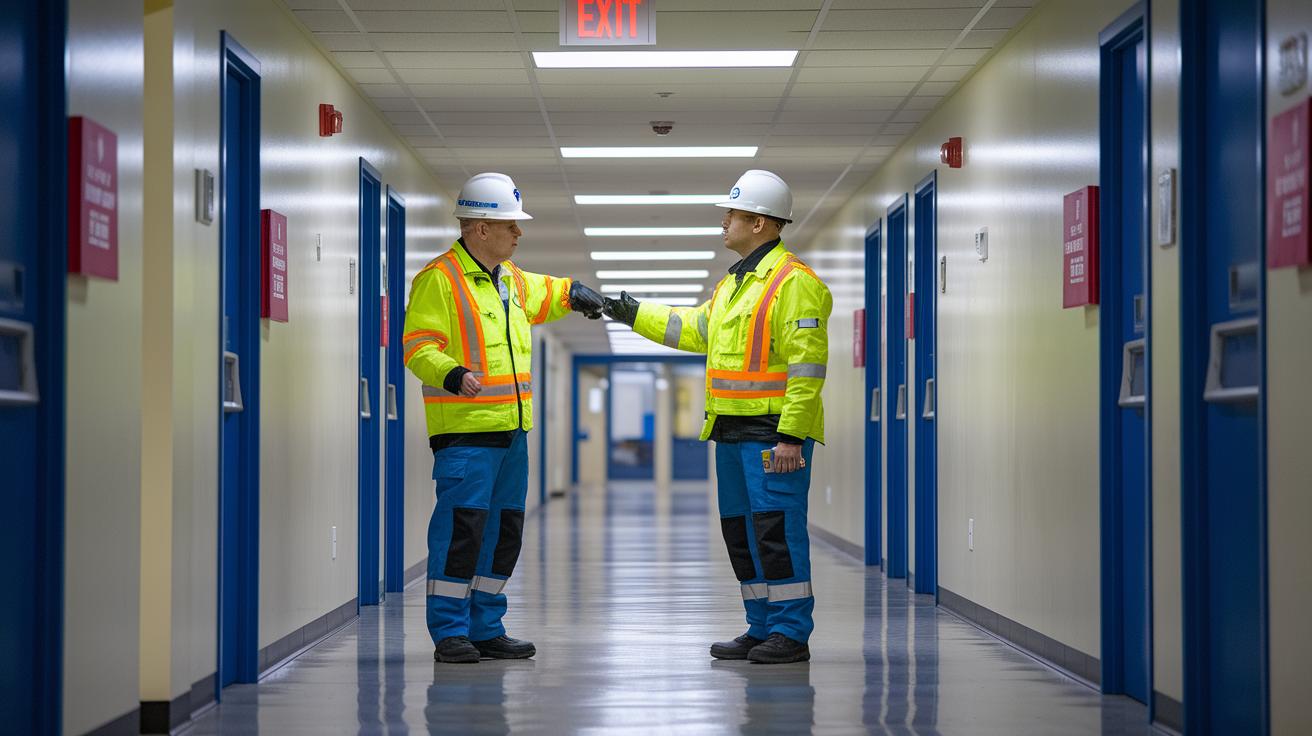
These roles help everyone know what to do when an emergency happens at work. They are a key part of your overall emergency action plan.
| Role | Responsibilities |
|---|---|
| Team Leader | Manages emergency actions, makes quick decisions, and works with outside support groups. |
| Safety Communicator | Sends out alerts, makes public announcements, and keeps both internal and external groups updated. |
| First Aid Officer | Offers immediate on-site medical help, checks first aid supplies, and cares for anyone hurt. |
| Equipment & Command Monitor | Checks that emergency tools work, and runs the command center during a crisis. |
Giving each team member a clear role makes your response faster and more efficient. Regular practice drills build hands-on experience, from checking equipment to communicating in real time. This helps everyone feel more confident and acts quickly when an incident occurs.
For example, during a drill the Equipment & Command Monitor simulated a power outage by first checking the emergency lights and then informing the Team Leader.
Implementing Training Programs and Routine Workplace Emergency Drills
Quick take: Regular drills and training keep you safe in an emergency.
If you have any of these emergency signs, call emergency services now:
- Fire alarms sounding abnormally or continuous alarms
- Uncontrolled on-site injuries or dangerous spills
- Unknown security threats or suspicious activity
Regular training sessions help reduce stress during an emergency. They also show you the proper steps to take when something goes wrong. Running fire, medical, and security drills means every team member learns their role in a safe, controlled way.
Plan fire drills by setting off a designated alarm. Then ask everyone to use a clearly marked primary route and, if needed, a backup path. Next, simulate a lockdown if there is a security threat. These drills test your ability to make sound decisions quickly.
Try scenario-based simulations to challenge everyone. For example, imagine a spill hazard and follow spill control steps. Or think about an injury far from immediate help and practice using first aid supplies. These exercises show you how to care for injuries and solve problems quickly.
Make first aid training a regular part of your drills. Practice simple steps like calling for help and using basic care methods. In one exercise, have a chosen first aid officer attend to an injured worker while others practice clear communication.
After every drill, meet as a group for a quick debrief. Use a checklist to review what went well and what needs fixing. This feedback lets you update your safety plans and improve future drills.
Actions to take now:
- Schedule routine drills for fire, medical, and security emergencies.
- Run simulation exercises that test evacuation routes and decision-making.
- Hold debrief sessions to capture lessons and update safety protocols.
Maintaining Compliance and Reviewing Workplace Emergency Protocols

Quick take: Regular checks help you keep your emergency plan safe and up to date.
Start by running routine checks on your emergency plan. These reviews make sure your training logs (records of your training), drill reports, and incident notes are complete and correct. They show you if your plan meets OSHA rules and local building codes and if any gaps need fixing.
Mark your calendar for review sessions. Hold a review at least once a year or any time your work changes, new hazards appear, or safety rules are updated. Each time, compare your procedures with the latest local codes and OSHA guidelines. For example, a drill might reveal the need for a new exit plan, or updated training may be required after new safety rules.
Keep a record of what you find. Use this simple checklist:
- Write down dates of audit sessions and reviews
- Note updates to training logs or drill reports
- Identify spots where incident reports show room for improvement
- List any recommended changes to the plan
This clear record not only meets legal rules but also strengthens your safety plan. Regular reviews keep your emergency plan practical and effective so that every employee stays safe.
Managing Post-Incident Reporting and Continuous Improvement of Workplace Emergency Protocols
Quick take: Record every detail right away to help you learn, improve, and keep your workplace safe.
Right after an event, write down everything while it’s still fresh in your mind. Note what happened, the time it occurred, and the steps you took during the process. These clear notes help you build a solid report and show where your plan might need changes.
Tell regulators and key team members as soon as you can. By sharing accurate details, you meet legal rules and build trust with your staff. Keep your record simple, include dates, times, and specific actions. For example, you might write, "Evacuation took 3 minutes; one exit was blocked during the drill."
Soon after, gather everyone involved for a quick review. Ask questions like:
- What went well during the response?
- Which steps took longer than expected, and why?
- Were our initial ideas about the situation correct?
Write down any gaps or ideas for improvement. If the evacuation took too long, consider changing your exit routes. If drill participation was low, add extra training sessions.
Regularly track key numbers like evacuation time and how well everyone followed the plan. This helps you see what is working and what needs a fix. Always update your emergency protocol log to keep a cycle of improvement that keeps your workplace safe.
Final Words
In the action, this article detailed key elements of a workplace emergency protocol. We broke down steps from risk assessment to post-incident review, offering clear guidelines for drafting, practicing, and updating plans. We also explained the roles of emergency teams and the importance of drills. Each step builds toward a robust strategy to safeguard your work environment.
Keep these insights in mind as you create a solid workplace emergency protocol to protect lives and property. Stay prepared and confident in your safety measures.