
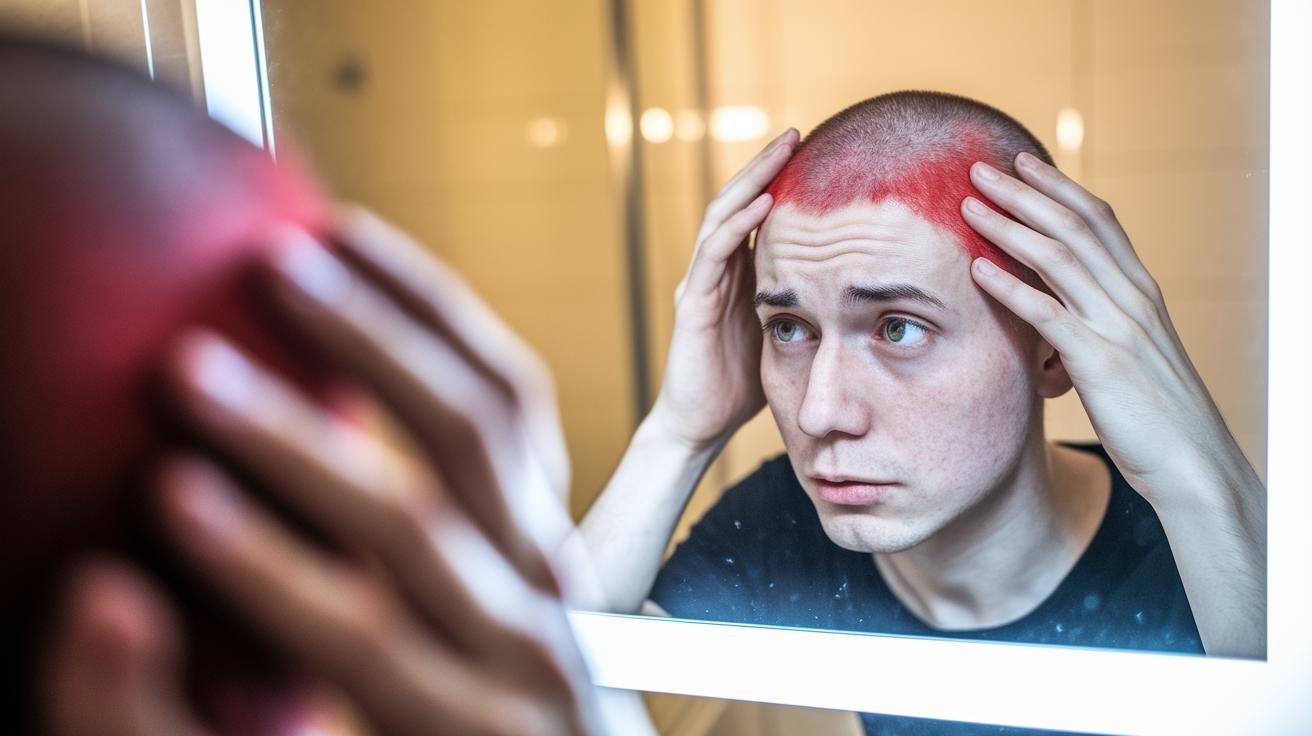

Quick Take: Red bumps on your scalp may be due to dry skin, irritation from hair products, or a small infection.
If you have any of these signs, seek help immediately:
• Severe scalp pain or swelling
• Worsening redness or warmth
• Fever (100°F or higher)
Otherwise, try these steps at home:
• Use gentle hair care products.
• Moisturize your scalp.
• Avoid harsh chemicals.
You might notice your scalp feeling sore or itchy because of simple dry skin or product irritation. Sometimes, a tiny infection could also be the cause. This guide offers clear answers and easy steps to help ease the discomfort and calm the itch. Keep a watch on your symptoms, and if they get worse, reach out to a clinician right away.
Understanding Common Causes of Red Bumps on Scalp and Itchiness
Quick take: Red bumps and itchiness on your scalp can be more than just annoying; they might signal different issues that need careful care.
When you notice red bumps on your scalp along with constant itchiness, it can disrupt your day and make you feel uncomfortable, embarrassed, or frustrated. That nagging itch can pull your attention away from work or school, especially when stress or changes in weather make things worse. These symptoms need to be addressed quickly to ease your discomfort.
Here are five common causes of those red, itchy bumps:
- Dry scalp: Not enough moisture can make your skin feel tight and flaky.
- Dandruff or seborrheic dermatitis: This happens when yeast (tiny organisms) grows too much, causing greasy, red patches with white or yellow flakes.
- Reaction to hair products: Some products with fragrances, dyes, or preservatives can trigger allergic or contact dermatitis, leading to burning and redness.
- Folliculitis: An infection in the hair follicles can cause small red bumps or pimples that might be tender to touch.
- Tinea capitis: A fungal infection that leads to round, scaly patches and sometimes hair loss.
Sometimes these issues overlap, making it hard to tell what exactly is causing your symptoms. It’s important to notice any changes and share them with a clinician so you can get the correct treatment plan.
Itchy Red Bumps Along the Hairline: Contact Dermatitis and Lice
Contact Dermatitis
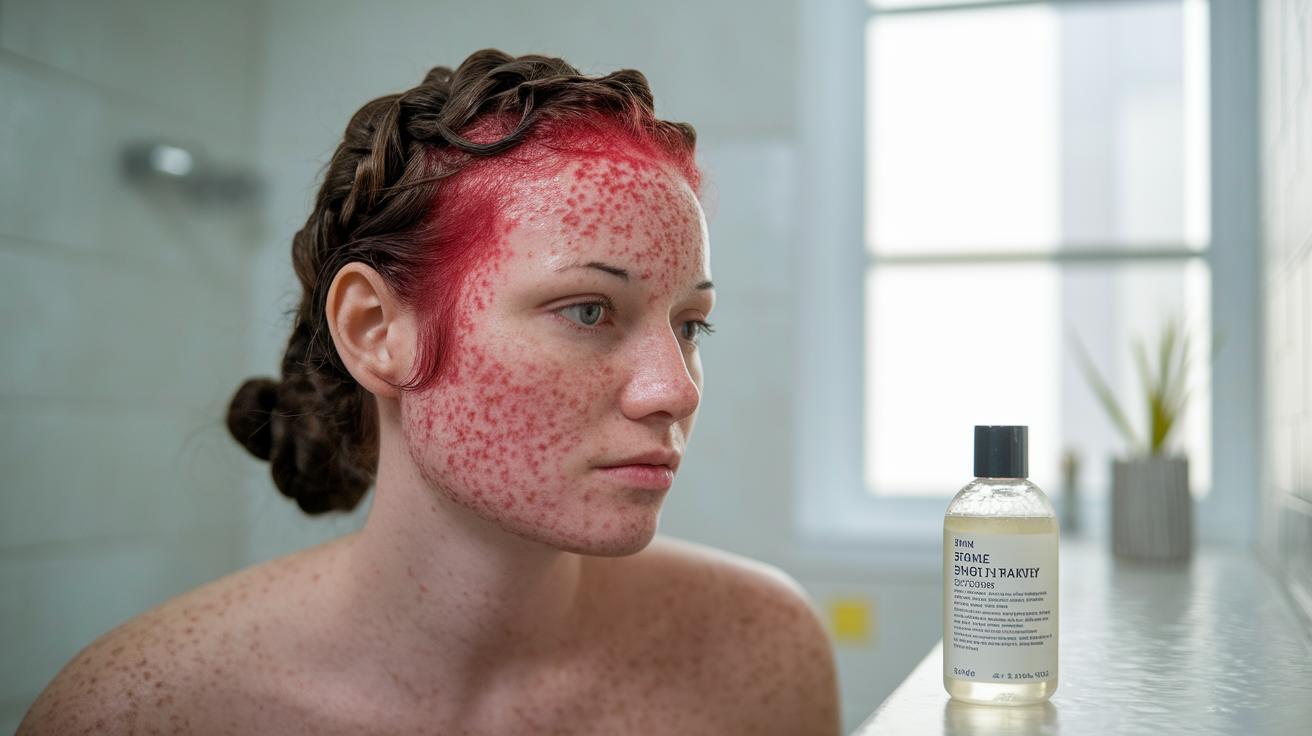
Contact dermatitis is a quick reaction your skin might have after using a harsh hair product. Within minutes of using products with strong fragrances, preservatives, or dyes (coloring chemicals), you may notice a burning, red rash along your hairline. The area can feel tender and even swollen. If you have sensitive skin or a history of allergies, you’re more likely to experience this reaction. Try to identify the product that triggered the flare-up and switch to a gentler formula. If the irritation becomes severe or doesn’t improve, contact your doctor.
Head Lice
Head lice can cause itchy bumps, especially around the ears and the back of the neck. You might even spot tiny nits (lice eggs) clinging to your hairs. This problem is very common in children and can spread easily through close contact. A careful look or using a fine-tooth comb can help you detect an infestation. Over-the-counter lice treatments, combined with regular combing, can remove both the lice and the nits. It also helps to frequently wash your clothes, combs, and bedding. Follow the treatment steps as instructed, and if you see signs of lice coming back, act quickly by reaching out to your healthcare provider.
Folliculitis: Pimple-Like Lesions Causing Scalp Red Bumps
Quick Take: Red, pimple-like bumps on your scalp may signal an infected or irritated hair follicle.
• If you have severe pain, a high fever, or redness that quickly spreads, call emergency services now.
• If you notice rapid hair loss or worsening bumps, seek same-day medical care.
• For mild cases, gently wash your scalp and use over-the-counter treatments as instructed.
Definition and Symptoms
Folliculitis happens when your hair follicles get infected or inflamed. It shows up as small red bumps or pus-filled pimples on your scalp. These spots can be itchy, tender, and may form a crust. In worse cases, you might even notice a patch of hair falling out temporarily. Spotting these signs early can help you prevent further problems.
Common Triggers and Risk Factors
Folliculitis can be triggered by constant friction on your scalp. Shaving and tight hairstyles that rub your skin can cause irritation. Hot weather and sweating may block pores and let bacteria grow. Also, using too many hair products can add to the irritation. If your scalp often faces friction or high moisture, you could be more prone to these bumps. Avoiding these triggers can help reduce flare-ups.
Initial Home Remedies
At home, start by using over-the-counter antibiotic creams and antibacterial shampoos that contain benzoyl peroxide (a germ fighter). Wash your scalp gently and skip harsh hair products to help the bumps heal. Be sure to follow the product instructions and keep an eye on your symptoms. If you don’t see improvement, call your doctor for further advice.
Red Bumps on Scalp Itchy: Quick Relief Awaits
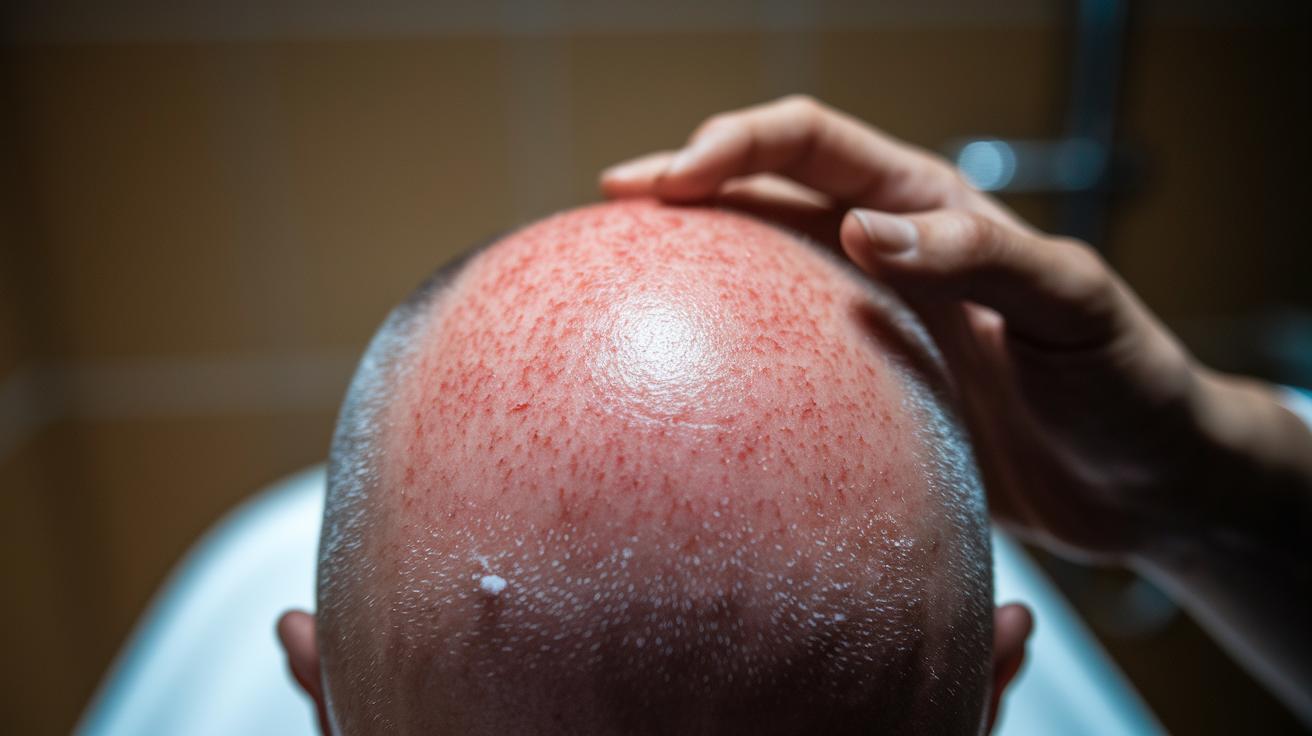
Quick take: You may have one of several common scalp conditions that can cause red, itchy bumps. Act now if you see severe pain or signs of infection.
● Red flags: If your scalp becomes very painful, swollen, or you have a fever, call emergency services immediately.
● Urgent: If you experience rapid worsening of symptoms or extreme discomfort, seek same-day medical care.
● Self-care: For mild to moderate symptoms, try using at-home treatments and monitor your skin.
Seborrheic dermatitis happens when a yeast (Malassezia) grows too fast on your scalp. This can lead to red, oily patches with white or yellow flakes. Cold weather and stress may worsen these patches, making your scalp feel greasy and inflamed. Using a medicated shampoo with antifungal ingredients can help reduce the yeast build-up and soothe the irritation.
Atopic dermatitis, also known as eczema, creates dry, red, and itchy patches on your scalp. If you have asthma or allergies, you may be more likely to experience this type of irritation. Even gentle hair products can sometimes trigger a flare-up. To ease the itch, try cool compresses and fragrance-free moisturizers. Keeping your scalp hydrated and avoiding harsh cleansers can provide relief while you wait for improvements.
Psoriasis is a long-term autoimmune condition where your body causes thick patches of skin with silvery scales. These plaques may spread beyond your hairline and are often inflamed and itchy. Over-the-counter products might not be enough to control the symptoms. A dermatologist-approved treatment, such as prescription medicated shampoo or topical medications, can help manage the condition and quickly ease discomfort.
Fungal Infections of the Scalp: Ringworm and Red Head Sores
Quick take: Ringworm is a common scalp fungus that causes red, scaly patches. Act now to prevent it from spreading.
If you have any of these signs, call emergency services immediately:
• High fever above 102 F
• Severe swelling around the scalp or neck
• Rapid, heavy hair loss or intense scalp pain
Urgent: If you notice the infection worsening or does not improve in a few weeks, seek same-day medical attention.
Watch and self-manage: If symptoms are mild, follow these steps:
• Keep your hair and scalp clean
• Avoid sharing hats, brushes, or towels
• Follow your doctor’s advice on treatment
Ringworm (tinea capitis) shows up as round, scaly patches on your head. They are red and itchy and can lead to hair loss. You might see small hairs broken off in little black dots. Sometimes, the nearby lymph nodes swell and you might run a mild fever, indicating your body is fighting the fungus. This condition is common among children and can get worse if not treated early.
Your doctor will check your scalp carefully and might take a small skin sample to test the fungus. Once ringworm is confirmed, you will usually be given oral antifungal medicine like griseofulvin or terbinafine. You’ll need to take the medicine for about 6 to 8 weeks. Follow your doctor’s instructions closely to clear up the infection and stop it from spreading.
Fast Relief and Proven Treatments for Scalp Itch and Red Bumps

Quick take: Many scalp issues can be eased fast with the right treatments.
If you notice any of these warning signs, call emergency services now:
• Severe pain or swelling
• Pus or intense redness that spreads
• Fever or signs of infection
For less urgent symptoms, here’s what you can do at home:
• For dandruff from seborrheic dermatitis (a skin condition that causes flaky skin), use a medicated shampoo with zinc pyrithione or ketoconazole.
• For mild contact dermatitis (skin irritation from contact with an allergen), apply a 1% hydrocortisone cream to calm your skin.
• If you have folliculitis (small, infected bumps), a topical antibiotic ointment can help clear it up.
• For ringworm (a fungal infection), an antifungal cream works well.
A warm compress on your scalp may ease discomfort and cut down on redness. A diluted tea tree oil rinse can also help with mild irritation. Be sure to use gentle combs and avoid harsh cleansers that may worsen the problem. If your symptoms do not get better or if they worsen, please contact your healthcare provider for stronger treatments.
| Condition | Treatment Type | Key Ingredient | Typical Duration |
|---|---|---|---|
| Seborrheic Dermatitis | Medicated Shampoo | Zinc Pyrithione or Ketoconazole | 2–4 weeks |
| Contact Dermatitis | Topical Steroid | Hydrocortisone 1% | 1–2 weeks |
| Folliculitis | Topical Antibiotic | Benzoyl Peroxide | 7–10 days |
| Tinea Capitis (Ringworm) | Oral Antifungal | Griseofulvin | 6–8 weeks |
| Psoriasis | Coal Tar/Shampoo | Coal Tar | 4–6 weeks |
Daily Care and Prevention Strategies for Itchy Red Scalp Bumps
Quick take: Gentle care can ease your itchy, red scalp.
Triage Box:
- Emergency: If you experience severe swelling, intense pain, or signs of infection (spreading redness, pus, or fever), call emergency services now.
- Urgent: If your symptoms quickly worsen or you develop new signs of infection, seek same-day medical care.
- Self-Care: If symptoms are mild, follow these home care steps.
Choose products that calm your scalp without causing more irritation. Use a fragrance-free shampoo 2–3 times per week. Look for labels that say "Gentle and effective for sensitive skin" to know it will clean without taking away natural moisture.
When you wash, use lukewarm water instead of hot water. Let the water soothe your scalp instead of rubbing hard. Rinse well and pat your head dry with a soft towel. This gentle routine helps keep your scalp clean and calm.
- Use a fragrance-free shampoo 2–3 times weekly
- Try an anti-dandruff or antifungal shampoo once a week
- Keep your scalp moisturized with a light lotion or oil that won’t clog pores
- Avoid tight hairstyles and too much heat from styling tools
- Stay away from harsh chemical treatments
- Gently massage your scalp to boost circulation
Support a healthy scalp with good daily habits. Eat a balanced diet rich in omega-3 fatty acids and drink plenty of water. Protect your head from too much sun and manage stress with walks or deep breathing. These routines help reduce flare-ups and relieve itchiness.
Final Words
In the action, you reviewed why red bumps on scalp itchy can happen and learned about common causes like dryness, dermatitis, folliculitis, and ringworm. You also got clear tips for home care, OTC options, and when to seek professional help.
These insights help you act quickly and safely. Keep a close eye on your scalp conditions and share this focused information with your clinician. Stay proactive in caring for your scalp and embrace positive steps toward relief.
FAQ
Frequently Asked Questions
What is an effective remedy for itchy bumps on the scalp?
The remedy for itchy bumps on the scalp involves gentle cleansing with a fragrance-free shampoo and using OTC treatments like 1% hydrocortisone cream or benzoyl peroxide for folliculitis. Seek care if symptoms persist.
What do bumps on the scalp and itchy bumps on the scalp look like?
The bumps on the scalp often appear as small, red or pus-filled spots with slight scaling. They can signal conditions such as folliculitis or contact dermatitis, and a clinician’s evaluation can provide clarity.
What do pimple-like bumps on the scalp that hurt indicate?
The pimple-like bumps that hurt on your scalp suggest inflammation from folliculitis, where hair follicles become infected. OTC topical antibiotics may help, but consult a clinician if the pain increases.
What is scalp folliculitis and how does it appear?
Scalp folliculitis is an infection of hair follicles causing red, pimple-like lesions. It typically requires improved scalp hygiene and sometimes topical antibiotic treatment, with a clinician guiding the best approach.
How can I cure an itchy scalp?
The cure for an itchy scalp often includes using a gentle, fragrance-free shampoo, treating underlying conditions like dandruff or dermatitis with OTC hydrocortisone, and consulting a clinician if symptoms continue.
What does a red raised bump on the scalp mean?
The red raised bump on the scalp can indicate irritation or inflammation from conditions like contact dermatitis or folliculitis. Avoid irritants and use anti-inflammatory products, and see a clinician if it persists.
Why is my head itchy with red bumps?
The head being itchy with red bumps is usually due to conditions such as dermatitis, folliculitis, or a fungal infection. A proper diagnosis is needed to choose the right treatment, whether it’s antifungal or anti-inflammatory.
What causes folliculitis in kids?
Folliculitis in kids may be caused by bacterial infections, irritation from sweating, or friction from tight headwear. Using gentle cleansers and non-irritating hair products helps, but have a clinician evaluate if it worsens.
How do I get rid of red bumps on my scalp?
Getting rid of red scalp bumps depends on the cause; treatments include medicated shampoos, hydrocortisone creams, or antibacterial ointments. A clinician’s guidance is important if the bumps do not improve.
How can I tell if an itchy scalp is caused by a fungal infection?
Determining if an itchy scalp is fungal involves checking for round, scaly patches with patchy hair loss. A clinician may perform tests to confirm tinea capitis and prescribe appropriate antifungal medication.