
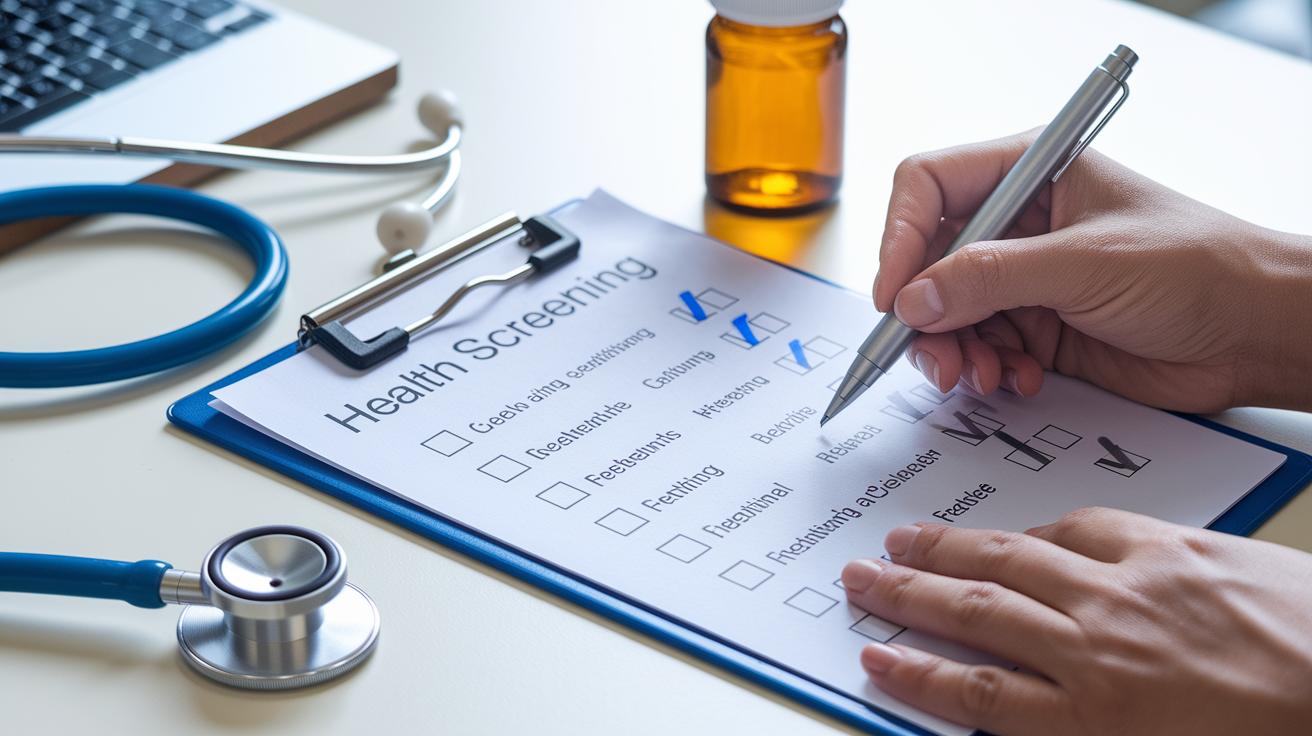

Quick take: Routine checkups can catch hidden problems early, helping you act before serious issues develop.
Regular health screenings let you spot issues that otherwise might remain silent. A quick test can reveal things like plaque buildup (clogged arteries) or early signs of weak bones (osteoporosis). This easy checklist shows how you can stay ahead of trouble. With some tests taking just 15 minutes, you have a simple way to protect your well-being. Follow this guide to take charge of your health and build a safer tomorrow.
A Comprehensive Preventive Health Screening Checklist
Regular screenings help you catch problems early. Non-invasive tests like lung CT scans, calcium score tests for your heart, bone density scans, and full-body scans (except the head and brain) find issues before you feel any symptoms. They use fast CT technology that usually takes less than 15 minutes. This means you can act quickly before a small problem grows.
For example, one routine calcium score test found plaque buildup in an artery before any pain showed up. That early warning can save your life and lower future treatment costs.
A clear checklist can make sure you don’t miss any important tests. Here’s what to do:
- Get a lung CT scan to spot early signs of lung problems.
- Have a calcium score test to check for plaque buildup in your heart.
- Schedule a bone density scan to catch early signs of osteoporosis.
- Consider a full-body scan to review the overall health of your organs.
These screenings give you useful information to discuss with your healthcare provider. By keeping up with your tests, you stay one step ahead and improve your chances for long-term health.
Age-Based Health Screening Recommendations

Regular checkups catch problems early. Every year, have your blood pressure checked because high blood pressure shows no warning signs. Untreated, it can lead to a heart attack, stroke, or kidney problems.
If you are a young adult, get your cholesterol checked every 4-6 years. This is extra important if you have diabetes or heart disease. Also, check your blood sugar if you are overweight or at higher risk for type 2 diabetes.
As you get older, more tests become important. Between ages 65 and 75, think about a colorectal cancer screening. This may be a home stool test or a colonoscopy, both of which can find cancer early or stop it before it starts. Women over 65 should talk to their doctor about when to start mammograms, which are done every 1-2 years. They should also get a bone density test at age 65 or earlier if they have risk factors. Men with risk factors for low bone density should ask about this test too.
Make sure to have your skin checked each year for new or changing spots. These screenings together give a clear picture of your health and help you act fast if something seems wrong.
| Age Group | Recommended Screenings | Frequency |
|---|---|---|
| 18-39 | Blood pressure, Cholesterol, Blood sugar (if at risk) | Annually (BP), 4–6 years (Cholesterol) |
| 40-64 | Blood pressure, Cholesterol, Blood sugar | Annually (BP), 4–6 years (Cholesterol) |
| 65-75 | Blood pressure, Cholesterol, Colorectal cancer | Annually (BP), As advised (Colorectal) |
| 65+ Women | Mammogram, Bone density screening | 1–2 years (Mammogram), At 65 or earlier (Bone density) |
| All Ages | Skin exam | Annually |
Gender-Specific Health Screening Checklist
Women should get regular screenings to catch changes early. If you are 65 or older, have a mammogram every 1–2 years. A mammogram can spot small changes in your breasts that might need treatment. Your doctor will advise you on cervical screening based on your personal risk. These tests can reveal abnormal cell changes or early signs of cancer even before any symptoms appear. Keep a record of your screening dates and discuss any concerns with your provider to stay on top of your health.
Men should talk with their doctor about starting prostate exams. When to start and how often depends on your family history and other risk factors. Prostate exams help find early changes that might lead to bigger issues later. An exam might pick up subtle signs that need follow-up. Track your screening history and family health details to support a tailored approach for your care.
Health Screening for Key Risk Factors

Quick take: If you have personal or family health issues, you may need to get screened sooner to catch problems early.
Triage:
• If you notice sudden chest pain, shortness of breath, or severe weakness, call emergency services immediately.
• If you experience any rapid changes in your health, seek urgent medical advice.
If you are overweight or have a family history of diabetes, ask your doctor to check your blood sugar more often. High blood sugar rarely makes you feel different, so regular tests can catch Type 2 diabetes before symptoms appear.
Your heart needs extra care, too. If you have diabetes or known heart issues, you should have cholesterol tests done more frequently. A calcium score test (which shows how much calcium is in your arteries) can also help spot heart attack risks before you feel any signs.
Vascular health screenings, such as scans for arterial blockages, are important. These scans can pick up narrow spots in your blood vessels, even when you have no early warning signs, and help prevent strokes and heart attacks.
For kidney health, especially if you have a family history of kidney stones or cancer, an ultrasound or scan is essential. Early detection using these tests lets you adjust your care to prevent more serious problems.
• Check your blood sugar regularly if you are at risk for diabetes.
• Get cholesterol and calcium score tests if you have heart disease risk factors.
• Consider vascular scans to catch arterial blockages.
• Use kidney ultrasounds if there is a family or personal history of kidney issues.
Preparing for and Tracking Your Health Screening Checklist
Quick take: Getting organized with your health screenings makes your doctor visits smoother and less stressful.
If you feel confused about what tests or instructions to follow, talk with your primary care provider now.
Planning matters. Write down any questions you have about lab tests, medicine changes, or vaccines. Use a simple checklist (like the 2026 Health Action Plan) to record what comes next, such as follow-up steps and referrals to specialists. Your primary care provider is there to help, schedule follow-ups based on your test results and their advice.
Before your lab work, check the latest vaccine guidelines and see if you need to fast or adjust your medication. Keeping track of your screening dates, contact details, and test names can help you avoid last-minute surprises.
A great tip is to link your screening schedule with your calendar. This way, you have plenty of time to arrange any special instructions and gather past lab results. These records can help you and your doctor spot trends over time.
Here are five simple tips to get started:
- Write a checklist with test names, dates, and provider contacts.
- Set calendar reminders 1 month before each screening.
- Gather previous lab results to review trends with your doctor.
- Confirm any fasting or medication changes needed before tests.
- Ask about your next screening date during your visit.
Acting on Your Health Screening Results

When you get your health screening report, review it carefully. Look for any test result that isn’t in the normal range. Even results that are only slightly off need attention. Schedule a visit with your provider as soon as possible.
Ask clear questions about the next steps and whether you need additional tests. If your provider suggests more checks, get a referral to a specialist without delay.
Keep a simple plan to track any changes in your condition. Write down new symptoms or treatment changes. Maintain a checklist of your appointments, lab results, and your healthcare team’s advice.
Regularly review your report. Acting quickly today can help protect your future health.
Advanced Scanning Technologies in Your Health Screening Checklist
The new SOMATOM go.All CT Scanner uses improved imaging rules to give clear, detailed pictures while lowering the dose of radiation you receive. Its design helps show your lungs, heart, blood vessels, bone density, and full body scans (except the head) following the latest clinical guidelines.
Calcium score tests still play a key role in checking for plaque buildup in your arteries. These better measurements can find early signs of blockage so you can get treatment faster.
These modern scanning tools now form part of routine health checks. They give you and your doctor a clear, accurate view of your overall health.
Final Words
In the action, you learned about key tests from blood pressure checks to modern CT scans that help spot problems early on. The post broke down age-based, gender-specific, and risk-based screening tips, so you can be clear on your next steps. You also got practical ways to track your screenings and prep for follow-ups with your doctor.
Keep proactive by using a simple health screening checklist. Staying informed and organized helps you take charge of your health every day.
FAQ
What are the recommended health screenings by age and gender?
The recommended health screenings by age and gender include tests such as blood pressure, cholesterol, blood sugar, and various cancer screenings. They also involve gender-specific tests like mammograms for women and prostate exams for men, all guided by evidence-based protocols.
How does a men’s health screening checklist PDF help with preventive care?
A men’s health screening checklist PDF details tests like blood pressure, cholesterol, blood sugar, and prostate exams. It provides a clear overview of recommended evaluations based on risk factors and clinical guidelines to promote early detection.
How can I find preventive health screening near me?
Preventive health screenings near you can be found by contacting local health clinics, hospitals, or community health centers. They offer evaluations based on age, risk factors, and established guidelines to help detect health issues early.
What is included in a health screening?
A health screening typically includes a physical exam, blood pressure check, blood tests (for cholesterol and sugar), and sometimes imaging or cancer screenings. It also reviews your medical history to guide further care.
What are the 5 main tests for a full body checkup?
The 5 main tests for a full body checkup often include blood pressure measurement, cholesterol evaluation, blood sugar test, comprehensive imaging scans (excluding the head), and cancer screening. Each test helps catch potential health issues early.
What are the typical health screenings one should have?
Typical health screenings include tests for blood pressure, cholesterol, diabetes, various cancers, and bone density. They also cover age-related and gender-specific evaluations, all designed to catch issues before they become serious.
What do they test for in a health screening?
In a health screening, clinicians test for common conditions like high blood pressure, high cholesterol, blood sugar irregularities, and signs of potential cancers and bone issues. This helps guide early interventions and ongoing care.