
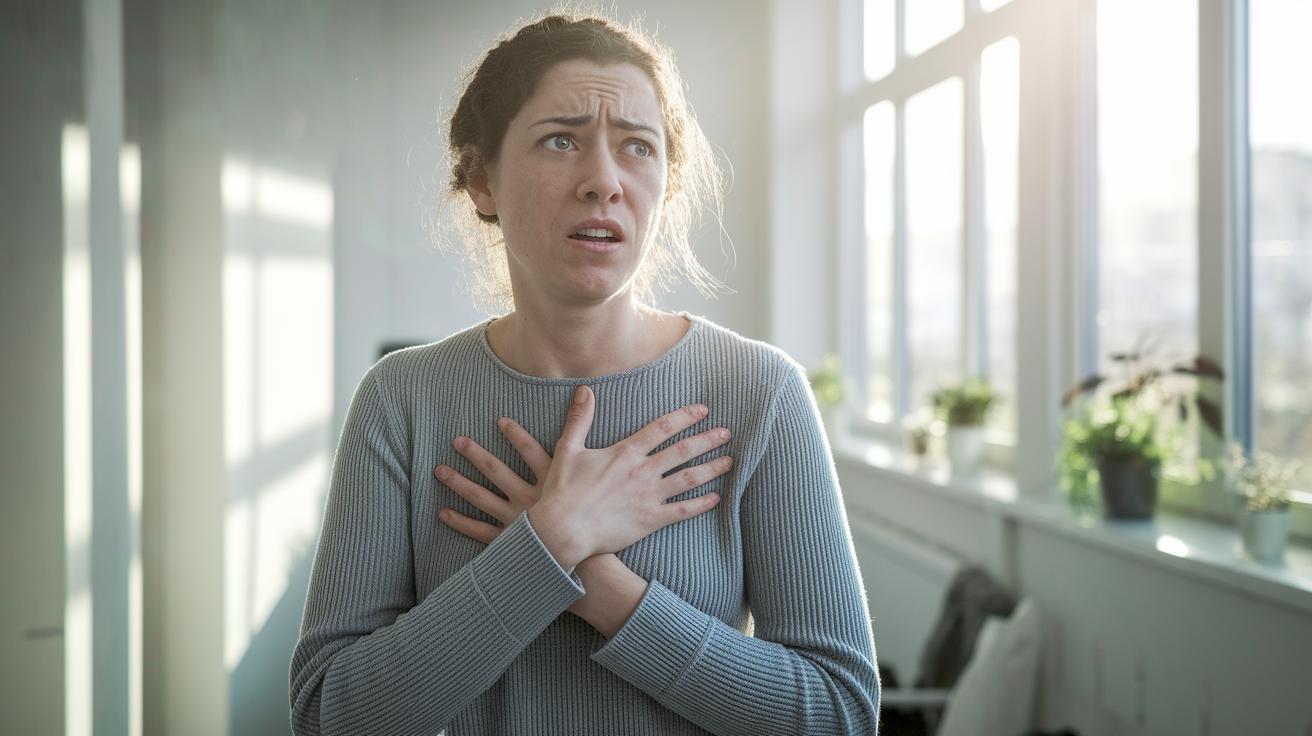

Quick take: Months-long chest tightness might signal a heart issue and needs attention.
If you experience a tight chest that has lasted for months, it could hide a heart problem. Even if the discomfort seems mild, adding symptoms such as shortness of breath or pain in the arm can point to a bigger issue.
If you feel severe chest pain, notice unusual shortness of breath, or experience pain spreading to your arm, call emergency services immediately.
To keep yourself safe, track any changes in your symptoms and talk to your doctor as soon as you can. Trust your body, and don’t delay getting checked.
Evaluating Prolonged Chest Tightness: Identifying Serious Signs
Quick take: Months-long chest tightness with any of the warning signs below needs immediate care.
If you notice any of these emergency signs, call emergency services now:
- Pain that moves to your arm, neck, or jaw
- Sudden shortness of breath
- Heavy sweating
- Nausea or vomiting
- Irregular heartbeat or strong palpitations
- Feeling dizzy or on the edge of fainting
Chest tightness lasting for months can be very worrisome. It might mean there is a serious heart issue. Even if the pain feels mild, adding symptoms like shortness of breath or pain in other areas should not be ignored.
One example is a young father who had ongoing chest pain. His condition worsened, and he needed surgery within 24 hours. This shows that even mild, recurring chest tightness can hide a major problem. If your chest pressure comes with leg pain (from poor blood flow) or sudden heart rhythm changes, it needs extra attention.
Stay alert and act quickly if these signs appear. Getting checked early can help rule out life-threatening conditions and get you on a safe path to recovery.
Cardiac Causes of Months-Long Chest Tightness

Quick take: Long-lasting chest tightness might point to a heart issue. Read on for when to act and what to watch for.
Triage Box:
• If you have crushing chest pain that comes with nausea, shortness of breath, or pain that doesn’t ease with rest, call emergency services now.
• If you notice sharp chest pressure with an irregular heartbeat or feel lightheaded, seek same-day medical help.
• Otherwise, note your symptoms, rest, and follow up with your doctor if the pain continues or worsens.
Angina
Angina is a kind of chest tightness caused by reduced blood flow to your heart. With stable angina, the pain usually shows up during physical effort or stress and eases with rest or medication like nitroglycerin. Unstable angina is more worrisome because the pain can start when you rest and may last longer. Even mild activity can trigger it. If you think you have unstable angina, get medical help right away.
Myocardial Infarction (Heart Attack)
A heart attack may start as a heavy, crushing pressure in the chest that slowly builds up over weeks or months. The pain might spread to your jaw, neck, or back, and you could feel sick or have difficulty breathing. Women often experience unusual tiredness or sweating along with the pain. These signs mean your heart might not be getting enough blood, which is very serious. Act now if you experience these symptoms.
Arrhythmias
Arrhythmias make your heart beat irregularly. This might feel like your heart is skipping a beat or fluttering, and it can come with chest pressure. You may also feel lightheaded or uneasy during these episodes. It’s important to get this checked by a doctor so they can see if your heart’s rhythm needs treatment.
Chest Tightness for Months: Embrace Better Health
Quick take: Ongoing chest tightness may signal a lung issue that needs careful checking.
Triage steps:
- If you have severe shortness of breath or sudden, sharp chest pain, call emergency services now.
- If your symptoms worsen quickly, seek urgent care.
- Otherwise, monitor your symptoms and follow up with your doctor.
Chest tightness that lasts for months can come from several lung problems. A blood clot in your lung, called a pulmonary embolism (a blockage that stops blood flow), can cause sharp chest pain and make you feel very short of breath. This is serious and needs fast treatment.
Infections like pneumonia and acute bronchitis can also make your chest feel tight. These infections often lead to ongoing discomfort, hard breathing, and weakness for several weeks. Doctors often use chest X-rays to tell lung issues apart from heart or muscle problems so they can give you the right treatment.
Another condition, pleurisy (inflammation of the tissues around your lungs), causes pain that gets worse when you breathe deeply or cough. And with chronic obstructive pulmonary disease (COPD), the airways in your lungs narrow and lung capacity drops, leading to unexpected, hard-to-explain breathlessness.
Common causes include:
- Pulmonary embolism
- Pneumonia
- Acute bronchitis
- Pleurisy
- Chronic obstructive pulmonary disease
If your breathing gets much worse or you have a sudden change in symptoms, it’s important to act quickly and get help right away.
Gastrointestinal Triggers of Extended Mid-Body Strain

Quick take: Acid reflux and related conditions can cause ongoing mid-body discomfort.
If you have any of these emergency signs, call emergency services now:
- Trouble swallowing
- Severe chest pain
- Vomiting blood
If you notice these urgent issues, seek same-day medical help:
- Pain lasting more than 2 days
- Intense burning after meals or when lying down
For general discomfort, try these self-care steps:
- Stay upright after eating
- Avoid large meals before bedtime
- Use an over-the-counter antacid as directed
Acid reflux happens when stomach acid flows back into your esophagus (the tube that connects your mouth to your stomach). This backflow causes burning and tightness in your chest because the acid irritates the lining. If the irritation continues over time, it can keep the esophagus inflamed for months.
When you experience these symptoms often, it is called GERD (gastroesophageal reflux disease). GERD can cause long-lasting pressure and burning in your upper stomach. Other problems, like a hiatal hernia, where part of the stomach pushes through the diaphragm (the muscle below your lungs that helps you breathe), or esophagitis (inflammation of the esophagus), can also lead to ongoing discomfort.
Common causes include:
- GERD
- Hiatal hernia
- Peptic ulcer disease (sores in the stomach lining)
- Esophagitis
Your doctor may recommend tests like endoscopy (a test using a small camera to see inside your throat and stomach) or pH monitoring (which checks the acid level in your esophagus). These tests help find the exact cause and guide the proper treatment.
Musculoskeletal Inflammation and Persistent Rib Cage Discomfort
Quick take: Your chest pain might be caused by costochondritis, muscle strain, or chest wall inflammation. Check for red flags and act safely.
If you have any of these emergency signs, call emergency services now:
• Severe, crushing chest pain that makes it hard to breathe
• Pain spreading to your arm, jaw, or back
If you notice these urgent issues, seek same-day medical care:
• Worsening pain that limits your daily activities
• Pain that steadily increases despite self-care
Otherwise, watch and manage your symptoms if:
• The pain is mild and seems linked to touch or movement
• It improves when you rest or change your posture
Costochondritis is inflammation where your rib cartilage meets your breastbone. This can feel like heart pain but usually hurts more when you press on it or move your chest. Muscle strain from overuse or poor posture can cause a similar, steady midline ache. In some cases, chest wall inflammation creates recurring soreness and stiffness without involving the heart.
Rest and careful self-care are key. Try a warm compress or alternate with ice to help ease inflammation. Over-the-counter pain relievers like ibuprofen may also help reduce the pain. If your discomfort keeps going, limits your daily tasks, or gets worse over time, see a healthcare professional. Adjust your posture and avoid activities that strain your chest. Listen to your body, and if the pain does not improve, get help from your doctor.
Anxiety-Related Pressure Episodes and Psychosomatic Tightness

Quick take: Anxiety can cause tight, uncomfortable chest feelings even without a heart problem.
If you have any of these emergency signs, call emergency services now:
- Severe, crushing chest pain
- Sudden shortness of breath or fainting
- Extreme weakness or numbness
When stress and worry become too much, your body reacts with real physical symptoms. You might feel a tight chest that lasts for months, a fast heartbeat, sweating, or even a choking sensation. These signs can be very frightening, almost like a heart attack, but they often come from anxiety rather than a heart or lung issue.
These episodes are called psychosomatic. That means your body shows physical signs because of strong emotions, not because of an underlying heart condition. Conditions like panic disorder, generalized anxiety, PTSD, hyperventilation syndrome (breathing too fast), and somatic symptom disorder (physical symptoms from emotional stress) can lead to these feelings.
When you notice chest tightness after a stressful event, try to calm your body. Practice deep breathing (breathe in slowly through your nose, hold for a moment, then breathe out through your mouth) and note the events that trigger your anxiety.
If your symptoms continue or get worse, speak with a mental health professional. With support and practical techniques, you can help ease both your mind and body and feel better over time.
Diagnostic Approach for Unexplained Thoracic Tightness
If you've had chest tightness for months, a full check-up is a must. This complete evaluation helps show whether your discomfort comes from your heart, lungs, or even from your stomach and intestines (gastrointestinal issues). Getting a solid medical review may lead to the proper treatment and lower the risk of missing a serious problem. Your doctor uses several tests to find the root of your pain and plan your next steps.
Your doctor usually starts with key tests such as an EKG (a test that checks your heart rhythm) and a chest X-ray (an image of your lungs and chest wall). When these tests don’t give a clear answer, they may need to do more tests. Additional tests like a stress test, a CT scan (which produces detailed images of your chest), or an endoscopy (a look inside your digestive tract with a tiny camera) might be used to check for heart, lung, or digestive causes of your symptoms. Sometimes, if the results remain unclear, you may be sent to a heart specialist or a gastroenterologist for a closer look. You can also check your test results, set up follow-up appointments, and send messages to your care team easily through your patient portal.
After your tests, set up an appointment with your doctor to review any abnormal findings. If your chest tightness continues or if you have issues like an irregular heart rhythm, trouble breathing, or pain that stops you from your daily activities, ask your doctor about more evaluation. Keeping an eye on your test outcomes and appointment dates through your patient portal helps your healthcare team quickly send you to a specialist if needed.
At-Home Strategies and Holistic Relief for Long-Term Chest Tightness
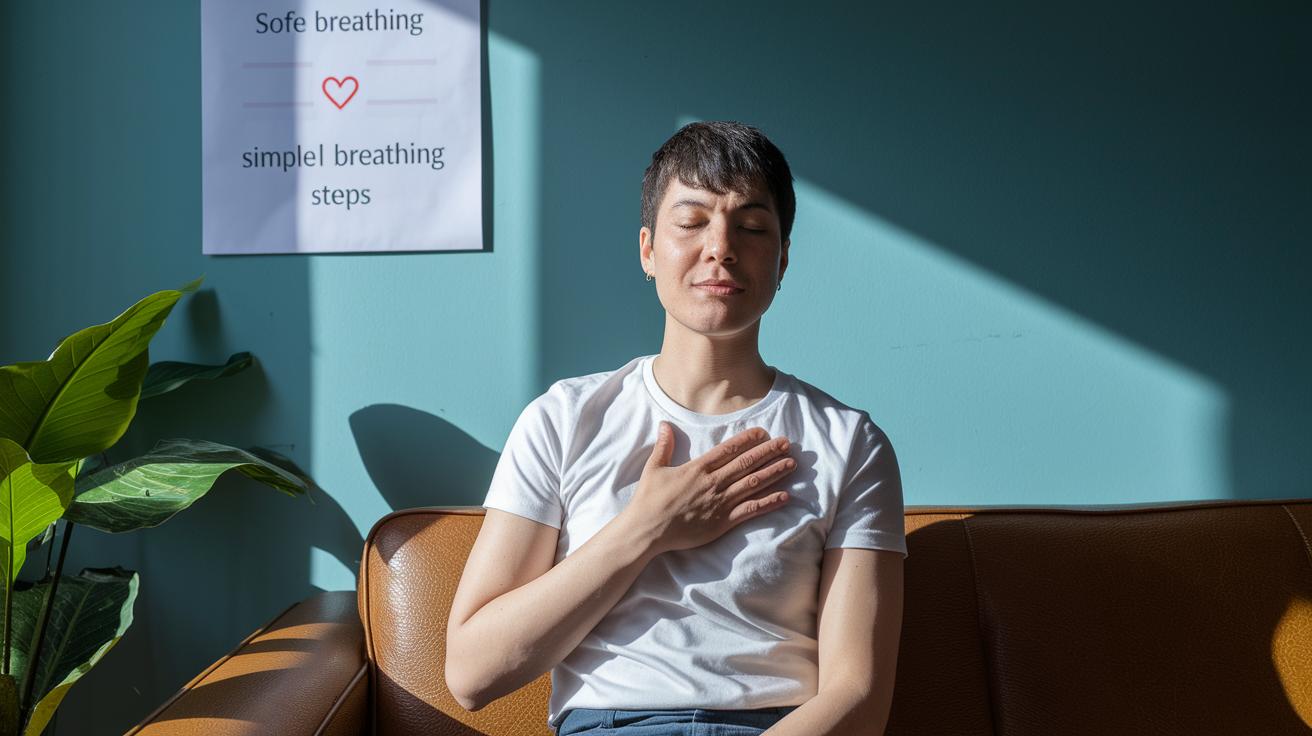
Quick take: These home strategies may gradually ease chest tightness if your symptoms are stable.
If you have any of these red flags, call emergency services now:
- Chest pain that spreads to your arm, neck, or jaw
- Sudden shortness of breath
- A quick, irregular heartbeat
If you notice any of these urgent signs, get help immediately. Otherwise, try these simple steps to manage your chest tightness at home.
Many people find that simple changes can help ease long-term chest tightness. For example, diaphragmatic breathing (deep belly breathing) brings more oxygen into your body while quieting your muscles. Making small adjustments like improving your posture while sitting and standing can also lower muscle tension.
Other steps can include:
- Using warm compresses on your chest to relax tight muscles
- Enjoying gentle stretches for the chest muscles
- Choosing a diet with low-acid foods to help cut down acid reflux symptoms
- Sipping herbal teas like chamomile or ginger for comfort
- Practicing mindfulness or meditation to lower stress
Regular practice of these techniques might slowly reduce your discomfort. Breathing exercises and good posture can help relax muscles. A balanced diet and calming teas may ease irritation from acid reflux. Mindfulness can keep stress low and boost a positive outlook.
If your chest tightness stays the same, gets worse, or you experience new signs like pain spreading to other parts of your body, don’t wait. Reach out to a healthcare professional right away to rule out more serious issues.
Final Words
In the action, we explored causes of prolonged chest tightness, from heart and lung issues to digestive, musculoskeletal, and anxiety-related triggers. We walked through red-flag symptoms, diagnostic tests, and practical home-care tips. Each section provided clear steps to help you track symptoms and decide when urgent care is needed.
Remember, if you experience chest tightness for months along with any warning signs, seek immediate evaluation. Stay alert and take charge of your health.
FAQ
How do I relieve chest tightness?
The way to relieve chest tightness involves deep breathing, rest, and gentle movement. Self-care tips can help, but if symptoms worsen, please see a clinician immediately.
What does it mean when I have chest tightness with no other symptoms or pain?
The feeling of chest tightness without additional symptoms may be linked to anxiety or muscle strain. Persistent or worsening sensations need a professional evaluation to rule out serious issues.
What does unexplained chest pain for years indicate?
Unexplained chest pain lasting for years can point to chronic conditions like acid reflux, musculoskeletal issues, or even heart problems. A detailed evaluation by a clinician is advised.
What causes chest pain in women or pain in the middle of the chest for females?
The cause of chest pain in women can vary from heart conditions and digestive issues to muscle strain or anxiety. Women might experience subtler symptoms such as fatigue along with chest discomfort.
Can chest tightness last for months and why might it not go away?
The persistence of chest tightness for months may signal ongoing conditions like angina, GERD, or anxiety disorders. If the tightness does not improve with home care, a clinical check-up is essential.
When should I worry about a tight chest?
You should worry when chest tightness comes with radiating pain, shortness of breath, or dizziness. These signs could signal a heart issue and require immediate medical attention.
Can non-cardiac chest pain last for months?
Non-cardiac chest pain from causes like acid reflux, costochondritis, or anxiety may last for months. Persistent symptoms need a thorough evaluation to confirm the cause and to set up proper treatment.