
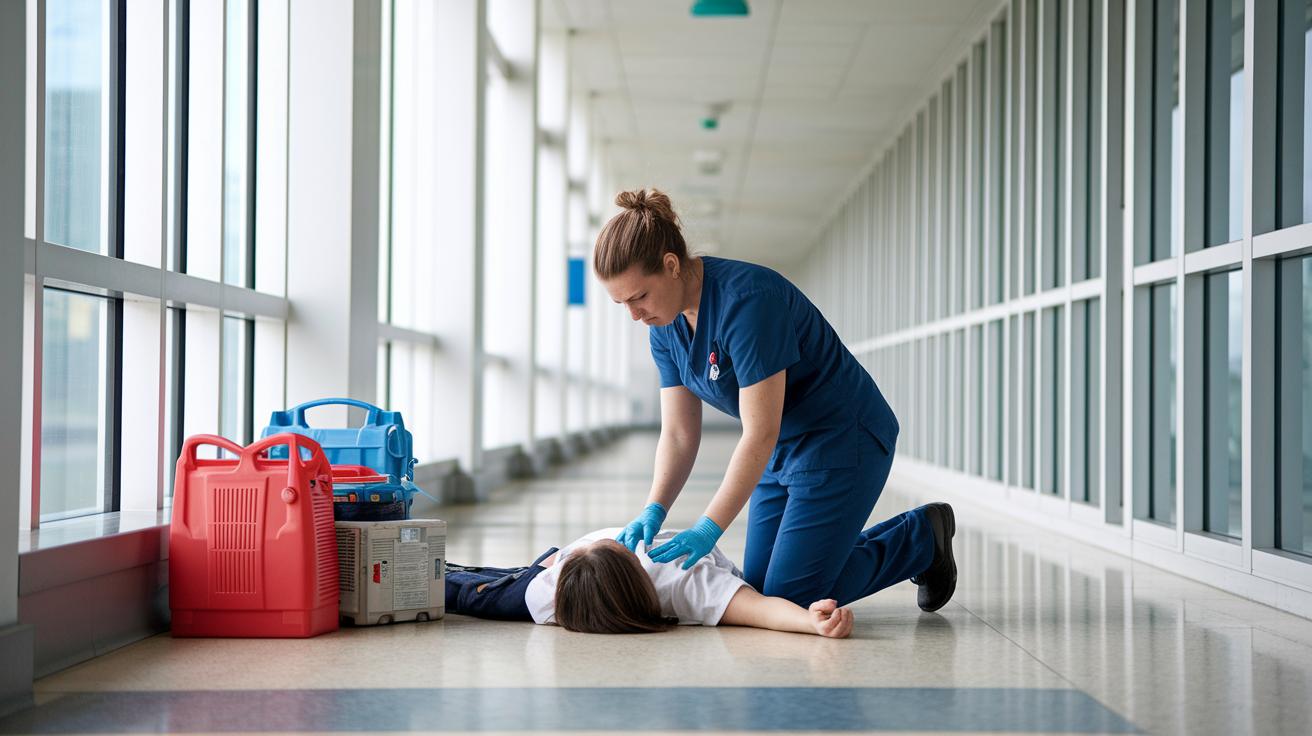

Quick take: Seconds count in an emergency. Follow these simple steps: check safety, call for help, and start care right away.
When an emergency happens, every moment matters. Seconds can mean the difference between lasting harm and staying safe. Here’s what to do:
• First, make sure you are safe.
• Next, call for help immediately.
• Then, begin care as soon as you can.
This clear plan gives you the confidence to act fast when it matters most. Keep these steps in mind so you are ready to protect yourself or someone else in a crisis.
Core Framework of Emergency Treatment Protocols
Quick take: Act fast with clear steps to give life-saving help.
Triage:
Call emergency services immediately if:
- The person is unresponsive
- They aren’t breathing normally
- There are hazards around you
Step 1: Check
Make sure you and the victim are safe. Look around for any dangers. Quickly see if the person responds or breathes normally. This fast check helps you decide what to do next.
Step 2: Call
If the person isn’t responsive, call emergency services right away. Don’t wait. Fast communication gets professional help on the way.
Step 3: Care
If the victim is unresponsive and not breathing normally, start hands-only CPR. Use an AED (automated external defibrillator, a machine that gives electric shocks to restart the heart) as soon as it is available and follow its instructions. Early CPR and AED use can make a big difference and help prevent long-term harm.
At the hospital, doctors run quick tests to figure out the problem. This helps them decide the best treatment for the person. Each step shows a clear guide for quick and safe emergency care.
Triage and Rapid Assessment Procedures in Emergency Protocols
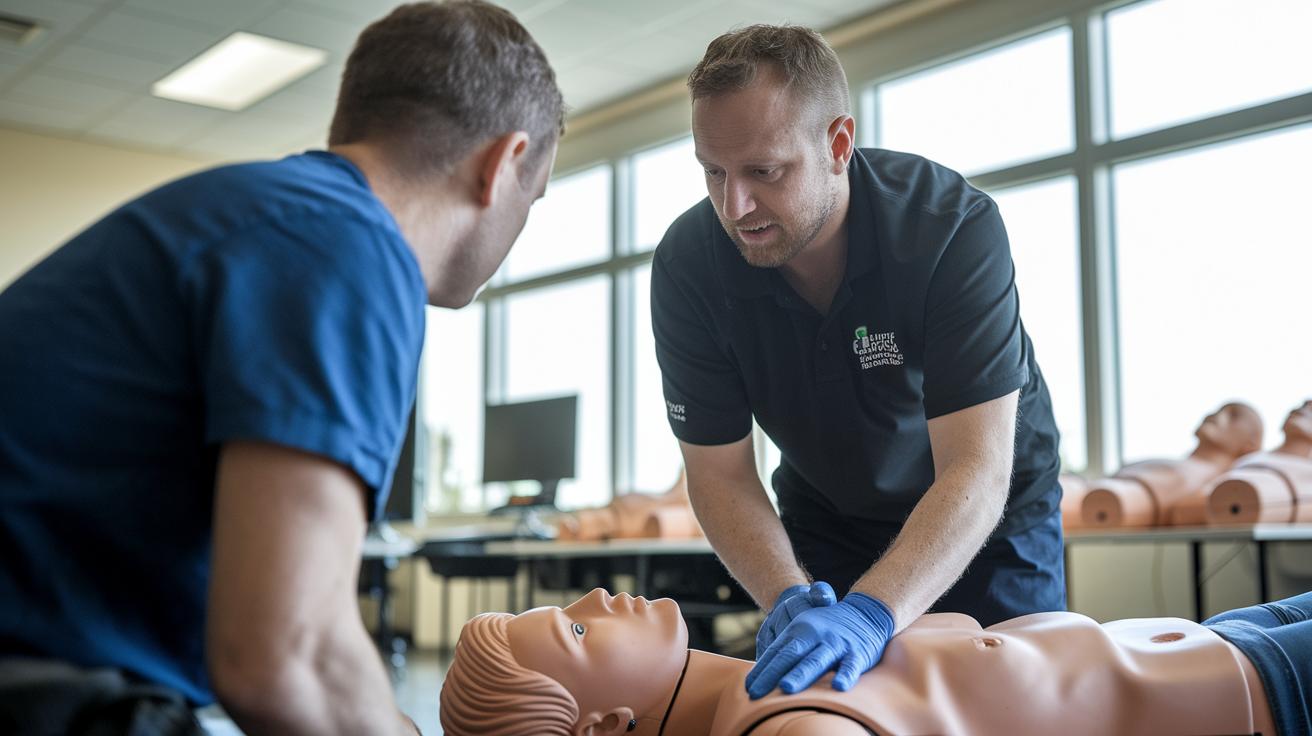
Quick take: Use a fast primary survey to check airway, breathing, and circulation. If you see signs like unresponsiveness or strange breathing, call emergency services now.
When a crisis happens, you must act fast. Patient triage helps you sort people by who needs help most. A rapid assessment (a quick, systematic check) focuses on three key areas: the airway (a clear breathing path), breathing (how fast or slow, and whether it is regular), and circulation (pulse and skin color).
Call emergency services immediately if you see any of these red flags:
- Unresponsive patient
- Abnormal or very irregular breathing
Next, follow these basic steps:
- Check the airway to see that it is clear.
- Assess the breathing to note if it seems fast, slow, or uneven.
- Evaluate circulation by feeling for a pulse and looking at skin color.
- Look for any obvious injuries.
Then, check vital signs like heart rate, blood pressure, and oxygen levels. These numbers help you decide whether the patient needs emergency treatment, same-day urgent care, or watchful self-care. A clear, step-by-step approach lets responders quickly choose the right level of care.
By following these rapid assessment steps, first responders can act quickly to save lives and reduce risks during emergencies.
Airway, Breathing, Circulation Interventions in Emergency Treatment Protocol
Quick take: In an emergency, clear the airway, help with breathing, and support circulation with chest compressions to keep blood moving.
If you notice any of these signs, call emergency services now:
• The victim is unresponsive or cannot breathe.
• There is no measurable pulse.
• The person shows signs of severe distress.
Then follow these steps:
• First, check the airway. If something is blocking it or if swelling is visible, clear the airway immediately using standard techniques.
• Next, support breathing. If the person is breathing poorly or not at all, use a bag-valve mask (a device that helps push air into the lungs) or begin hands-only CPR. Both methods can improve oxygen flow until normal breathing resumes.
• For circulation, start strong chest compressions. Press on the chest at a rate of 100 to 120 beats per minute. Doing this helps push blood and oxygen to the brain and other vital organs.
• Use an automated external defibrillator (AED) if one is available. The AED checks the heart’s rhythm and can deliver a shock to reset an irregular heartbeat.
Emergency responders make these steps one by one. They switch from clearing the airway to helping with breathing and then to chest compressions and defibrillation based on what the victim needs. This simple, step-by-step care can make a big difference in saving a life.
| Intervention | When to Use | Equipment Needed |
|---|---|---|
| Airway Clearance | When the airway is blocked or the victim is choking | Fingers, suction tools |
| Assisted Breathing | When breathing is slow or has stopped | Bag-valve mask, oxygen mask |
| Chest Compressions | If there is no heartbeat or a weak pulse | CPR knowledge, firm flat surface |
| Defibrillation | When the heart has a life-threatening rhythm, such as ventricular fibrillation | AED device |
Cardiac Arrest Response in Emergency Treatment Protocol
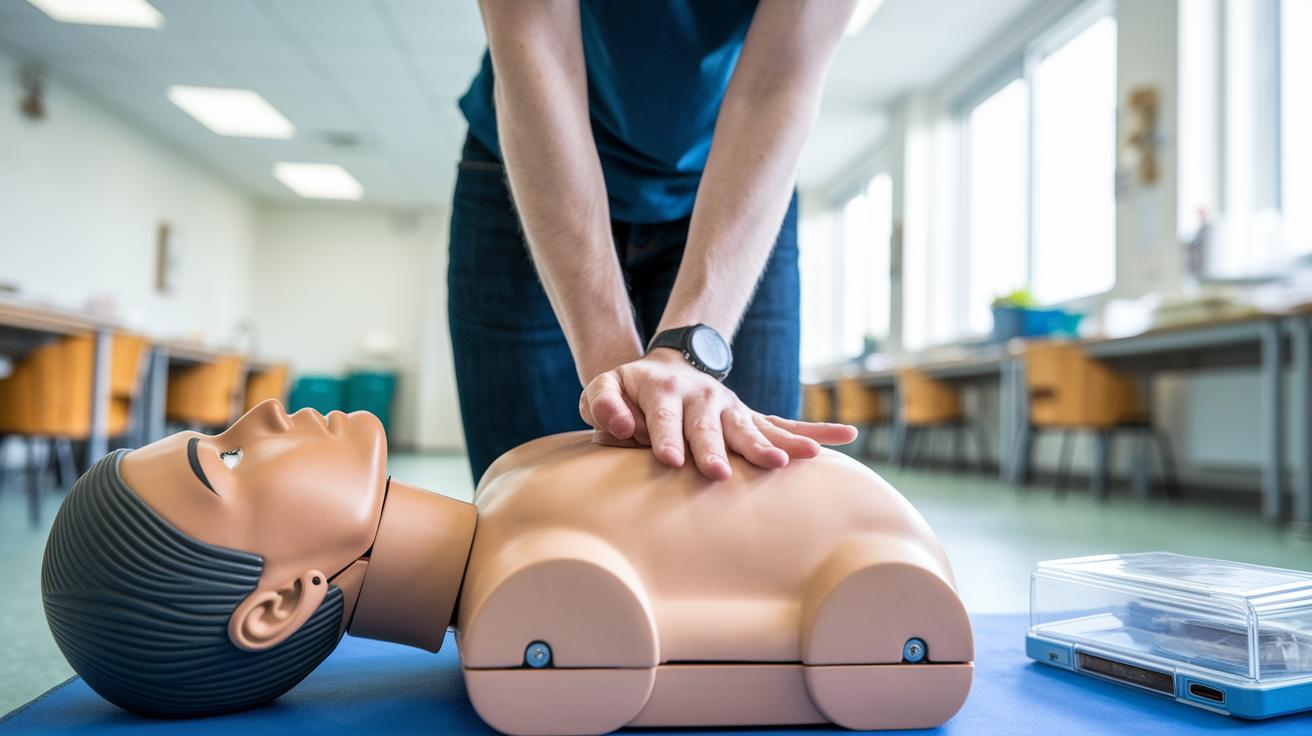
If you find someone unresponsive and not breathing normally, act fast. First, call emergency services right away. Then start hands-only CPR by pushing hard on the center of the chest at a rate of 100 to 120 beats per minute. Place one hand on the center of the chest and the other on top, with your fingers interlocked. Think of it as giving a firm, steady push to restart the heart.
If you have an AED (a portable device that can restart the heart), turn it on and listen to its voice instructions. Open the person’s shirt to expose the chest, and stick the pads on the upper right and lower left parts of the chest. Make sure no one is touching the person when the shock is given.
Later, at the hospital, doctors will find out what caused the problem. After resuscitation, they will watch for any irregular heartbeats. If the person has an implantable cardioverter defibrillator (a device that helps fix dangerous heart rhythms), it is important to get battery checks every 3 to 6 months because the battery usually lasts between 4 and 7 years.
Shock Recognition and Stabilization Techniques for Emergency Protocol
Quick take: Shock means your body isn’t getting enough blood. If you see warning signs, act fast.
If you see any of these emergency signs, call emergency services now:
- Very fast heartbeat (rapid pulse)
- Severe drop in blood pressure (if known)
- Chest pain or a weak pulse
- Confusion or trouble breathing
- Pale, cool skin or unusual flushing
Shock happens when vital organs do not receive enough blood. This is life-threatening and needs quick, clear action. There are three common types:
• Hypovolemic shock occurs from blood loss. Watch for a fast heartbeat, low blood pressure, and pale, cool skin.
• Cardiogenic shock comes from heart issues. You might feel chest pain, notice a weak pulse, or see signs of fluid in the lungs.
• Distributive shock happens due to a serious infection or allergic reaction. This can make your skin feel warm or flushed and drop your blood pressure dangerously.
Stabilizing shock early is very important. Here are the key steps:
- Start an IV to give fluids and help boost blood volume.
- In cardiogenic shock, fluids must be given slowly along with medications to support your heart.
- If blood pressure stays low even after fluids, doctors might start vasopressors (medicines that tighten blood vessels) to help blood flow.
Also, keep a close eye on key vital signs like heart rate, blood pressure, and breathing. Write down any changes so treatment can be adjusted quickly.
Taking quick and decisive action with these steps can help save a life during a critical moment.
Essential Equipment and Safety Precautions for Emergency Treatment Protocol
Quick Take: Always have the right gear ready and check it often to keep you and your patients safe.
Triage Box:
• If you notice any equipment failure during care, stop immediately and recheck the gear.
• If you lack proper protective barriers, do not begin treatment; secure them first.
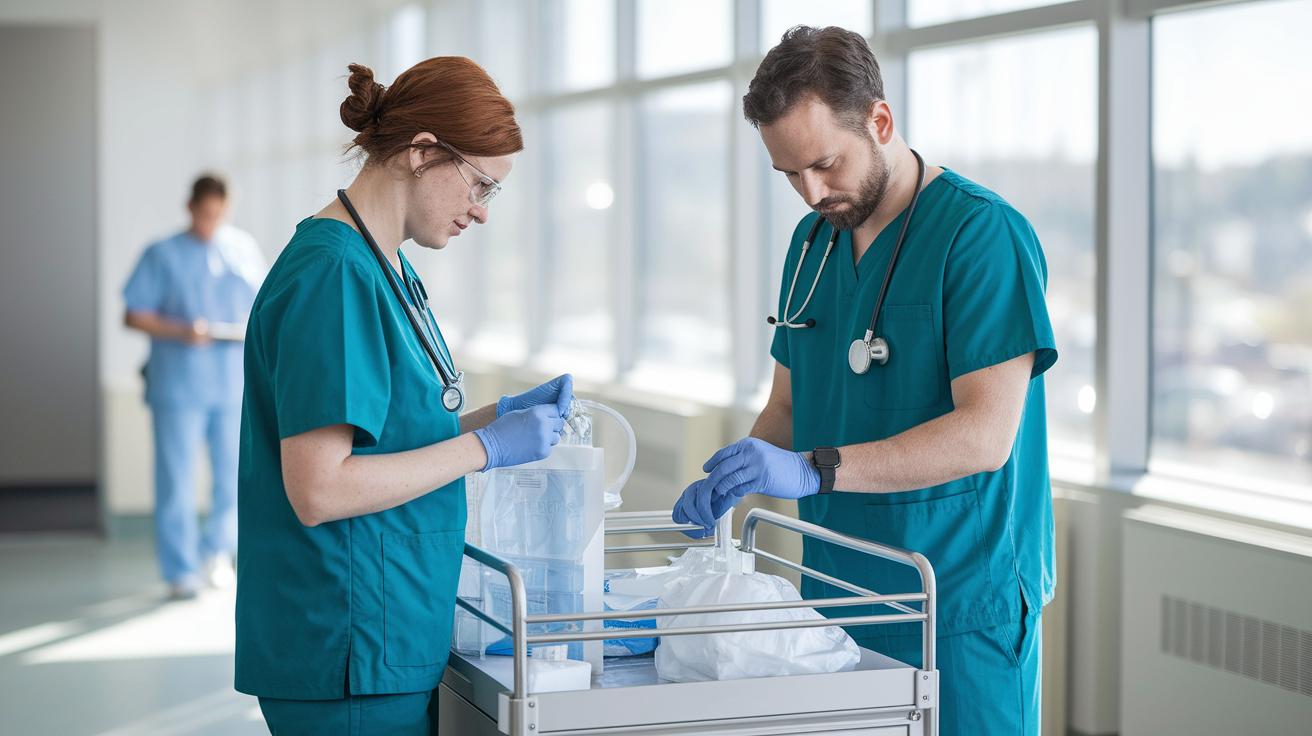
When you work in urgent care, every second counts. Using proper equipment and safety gear protects you while you care for others. Reliable tools make it easier to treat patients quickly and correctly, and clear instructions help everyone work confidently.
Check your gear often. Make sure every item is clean, working well, and stored safely. This protects you from risks like body fluids and harmful substances. Always wear protective items such as gloves and masks to lower your exposure to contaminants.
Key items for your emergency kit include:
• Pack gloves.
• Pack mask and eye protection.
• Prepare airway adjuncts (tools to keep airways open).
• Keep a bag-valve mask ready.
• Have an AED (automated external defibrillator) on hand.
• Include an IV setup.
• Supply a container for sharps disposal.
Using these items properly can boost patient outcomes and keep you safe. Regular checks and correct use support fast, reliable care when emergencies arise.
Training, Drills, and Compliance Standards in Emergency Treatment Protocols
Being ready for an emergency starts with solid training and regular practice drills. You can build confidence by taking online courses that cover adult and child first aid, CPR with an AED (a device that shocks the heart), basic life support (BLS), advanced life support (ALS), neonatal advanced life support (NALS), hands-only CPR, and trauma response. These courses give you the skills to act fast in a crisis.
Many courses use realistic scenario simulations. For example, you might imagine being in a park when someone suddenly collapses. You start hands-only CPR while a bystander calls 911. This simulation teaches you to check, call, and care in a real emergency.
Other certification programs cover lifeguard management, water safety, and severe trauma first aid. They are designed to be easy to access. Some even offer benefits like free shipping on supplies and a 20% discount on instructor kits, so you get the right tools to stay prepared.
Compliance checklists are also important. They help you make sure your team meets regulations and stays ready with regular drills and updates. Use checklists to:
- Review and update protocols regularly.
- Record drill outcomes for improvement.
- Check that all equipment is working before each drill.
Final Words
In the action, you saw key steps for managing urgent medical issues. We covered checking safety, calling for help, and critical care like CPR and AED use to power the emergency treatment protocol. Triage methods, airway, breathing, and circulation interventions were explained clearly. You also learned shock stabilization techniques, essential equipment details, and the importance of training drills. This guide aims to help you act quickly and wisely. Every step empowers a faster, safer response in emergencies, giving you confidence to tackle urgent health issues head-on.
FAQ
What do emergency medicine protocols PDFs cover?
Emergency medicine protocols PDFs cover step-by-step guidelines for scene safety, patient triage, CPR and AED use, and rapid treatment strategies to reduce complications during emergencies.
How do emergency protocols in hospitals work?
Emergency protocols in hospitals work by outlining rapid assessment methods, clear triage categories, and immediate life-saving actions that manage acute cases effectively.
What do the Emergency Medicine guidelines 2024 PDFs include?
The Emergency Medicine guidelines 2024 PDFs include updated best practices, evidence-based treatment steps, and rapid intervention methods to improve patient outcomes during urgent scenarios.
What does an Emergency treatment PDF provide?
An Emergency treatment PDF provides a clear framework for rapid diagnosis, immediate care steps including CPR and AED protocols, and structured triage to manage patient emergencies.
How are common emergency cases and their management detailed in PDFs?
PDFs detailing common emergency cases offer precise instructions for managing conditions like cardiac arrest and shock, outlining initial treatment, diagnostic steps, and ongoing monitoring techniques.
What is included in the Standard Treatment Protocol Nepal 2080 PDF?
The Standard Treatment Protocol Nepal 2080 PDF incorporates region-specific treatment strategies aligned with global emergency care practices, ensuring clear guidance for local hospital emergency responses.
How do PDFs for managing emergency cases in hospitals help clinicians?
PDFs for managing emergency cases in hospitals help clinicians by providing standardized treatment protocols, rapid intervention checklists, and safety precautions to organize effective and prompt patient care.