


Quick take: Small red bumps on your face may be common but can also hint at skin issues that need care.
If you notice these bumps along with any of the following, act now:
• Severe pain or burning
• Rapid spreading or swelling
• Fever or intense discomfort
These red bumps can result from regular acne or from problems with your skin’s barrier that helps protect you. In this guide, we share simple, clear answers and easy steps you can follow to care for your skin safely. We understand that new or unusual bumps can feel worrying, so we’ve broken down the causes and home care tips in plain language. Read on to learn why these bumps appear and discover practical steps to ease your symptoms safely.
Understanding Red Bumps on Face: Causes, Diagnosis, and Treatment Overview
Quick take: Red bumps on your face can show a minor irritation or hint at a more lasting skin problem.
Triage Box:
- Call emergency services now if you have severe pain, fever, or swelling around your eyes, lips, or face.
- Seek same-day medical care if the bumps spread quickly, become very painful, or cause breathing difficulties.
- Watch and self-manage if you only notice small bumps without additional harsh symptoms; track changes for a few days.
Red bumps are small, raised spots on your face. They can show up suddenly or develop over weeks. This tells you that your skin barrier (its protective outer layer) might be weakened. Ignoring these signals can lead to more irritation.
Common causes include acne, which affects about 85% of people ages 12 to 24. Acne happens when your hair follicles get blocked by oil, dead skin, and bacteria. Rosacea, a condition that causes ongoing redness and occasional flare-ups, can also be at play. If you see clusters of tiny bumps around your mouth, nose, or eyes, it may be perioral dermatitis, often linked to the overuse of steroid creams. Contact dermatitis is another cause, occurring when your skin reacts to allergens or irritants found in products or the environment.
Your doctor will probably start with a detailed history and a close look at your skin. Sometimes a skin scraping (a small sample taken for tests) is needed to spot infections or allergies. Based on what they find, treatment might be as simple as gentle home remedies and over-the-counter creams, or it may involve prescription medicine for tougher cases. This careful approach helps target the exact cause of your red bumps, ensuring you get the right care for your skin.
3 red bumps on face: Clear, Soothing Answers
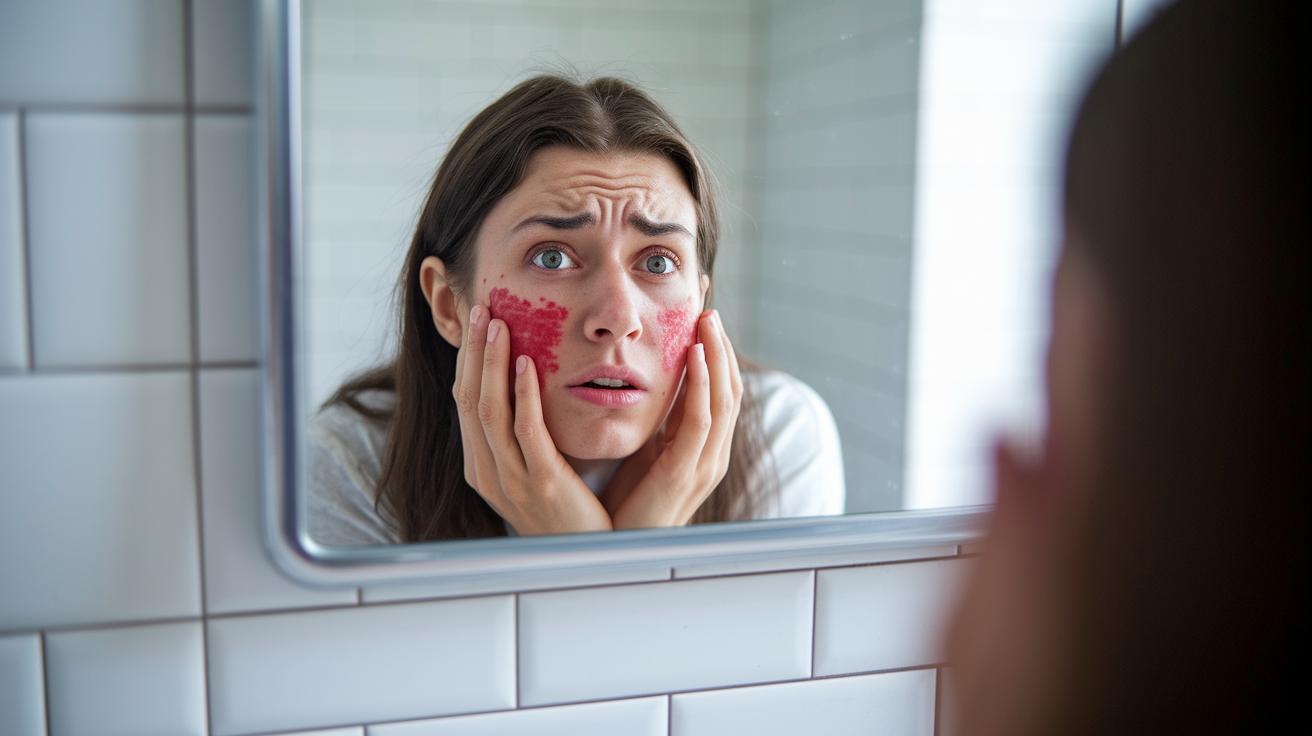
Quick take: Red bumps on your face can come from different skin issues. Each one may need a unique care plan.
If you notice any of these signs, call emergency services now:
- Trouble breathing or severe swelling.
- Pain that quickly spreads.
- A high fever or sudden dizziness.
Red bumps can be due to many things. They might be acne, a mild skin bump condition, or even a sign of an allergic reaction. Knowing which one you have helps you decide if you can treat it at home or if you should see a dermatologist.
| Condition | What It Looks Like | Common Triggers |
|---|---|---|
| Acne | Clogged pores with bumps, sometimes with pus | Extra oil, dead skin, bacteria |
| Keratosis Pilaris | Small, rough bumps that feel like tiny grains | Buildup of keratin in hair follicles |
| Rosacea | Ongoing redness, tiny bumps, visible small vessels | Sun exposure, spicy foods, stress |
| Folliculitis | Red, inflamed hair follicles with pimples | Shaving, tight clothing, bacteria |
| Hives | Raised, itchy welts | Allergic reactions to food or medicine |
| Perioral Dermatitis | Clusters of small red bumps around the mouth, nose, or eyes | Overuse of steroid creams or certain skincare products |
When you see a pattern, like blocked pores in acne or ongoing redness in rosacea, it becomes easier to choose the right treatment. Look at your daily skin routine and note any recent changes. This can help you spot what might be triggering the bumps.
By understanding these clues, you can better prevent further irritation and decide if home care is enough or if it’s time to seek advice from a skin doctor.
Allergies & Irritants Causing Red Facial Bumps
Quick take: Skin reactions from common irritants can make your face red and bumpy.
Triage:
• Call emergency services now if you have trouble breathing, swallowing, or if your face or eyes swell.
• Seek same-day care if the rash spreads quickly, is very painful, or you develop a fever.
• For mild red bumps and itchiness, watch your symptoms and stop using any new product that may have caused them.
Your skin can react when it meets substances like harsh soaps, strong scents, metals, or certain fabrics. Many makeup products, moisturizers, and sunscreens also may upset your skin. These items can trigger a rash as your skin works to protect itself. If you see red bumps or irritation after using something new, stop using it.
Hives are another kind of allergic reaction. They show up as red, raised welts that can appear suddenly and may fade in a few hours. In some cases, hives may come back or last longer. Try to avoid foods, cosmetics, or outdoor allergens that have caused problems before. If the reaction keeps happening, your doctor may suggest a skin test (patch testing) to find the exact trigger.
Small changes in your routine can help keep your skin calm. Keep an eye on your symptoms and note what makes them worse, so you can avoid those irritants in the future.
Infant and Pediatric Red Bumps on Face: Special Considerations

Quick Take: Most red bumps on your baby’s face are normal and usually go away without treatment.
If you see any of these warning signs, get help right away:
- Your baby develops a fever (high temperature).
- The rash spreads quickly.
- Your baby has trouble feeding.
At home, here’s what you can do:
- Gently wash your baby’s face with warm water and a mild, fragrance-free cleanser.
- Apply a simple moisturizer to keep the skin soft without causing irritation.
- Keep your baby cool and avoid overheating to reduce any extra irritation.
Red bumps in newborns are common and generally harmless. Baby acne appears as tiny red or white-tipped bumps during the first few weeks and clears up on its own. Heat rash happens when sweat ducts block in warm, humid weather, causing small red spots that fade as your baby cools down. Milia, which are tiny white bumps from skin buildup (keratin), also go away with time.
Always watch for changes. If your baby’s rash gets worse or you notice any of the warning signs above, be sure to seek care from your pediatrician.
Home Remedies and OTC Treatments for Red Bumps on the Face
Quick take: Gentle care at home can help ease mild red bumps and calm your skin quickly.
Triage:
If you have any of these emergency signs, please call your doctor immediately:
- Severe pain or swelling
- Bumps that ooze, pus, or cause fever
- Rapidly worsening irritation
Mild red bumps can often be managed with careful at-home steps. Avoid harsh treatments that may worsen irritation or damage your skin’s natural barrier. Instead, choose gentle methods that soothe inflammation and protect your skin.
A mild, sulfate-free cleanser helps wash away dirt and oil without stripping natural moisture. A hypoallergenic moisturizer supports your skin’s natural barrier and reduces irritation. Over-the-counter treatments can also help, but use them carefully and don’t overdo any one remedy.
Here are some simple remedies to try:
- Cold packs: Apply a cool compress to reduce redness and calm your skin.
- Aloe vera: Use pure aloe vera gel to ease inflammation naturally.
- Diluted tea tree oil: Mix a few drops with water to benefit from its mild antibacterial properties.
- Gentle cleanser: Use a sulfate-free formula that cleans without causing irritation.
- Hypoallergenic moisturizer: Helps repair and protect your skin’s barrier.
- OTC 1% hydrocortisone cream: Apply to ease itching and swelling, but limit use to 7 days.
- Benzoyl peroxide or salicylic acid spot treatment: Targets acne-like bumps without heavy scrubbing.
Keep a close eye on your skin’s response. If you notice increased redness or irritation after trying any remedy, stop using it and note the changes. If the bumps worsen or you develop new symptoms, pause your home care and seek professional advice.
When to Seek Professional Help for Persistent Facial Red Bumps
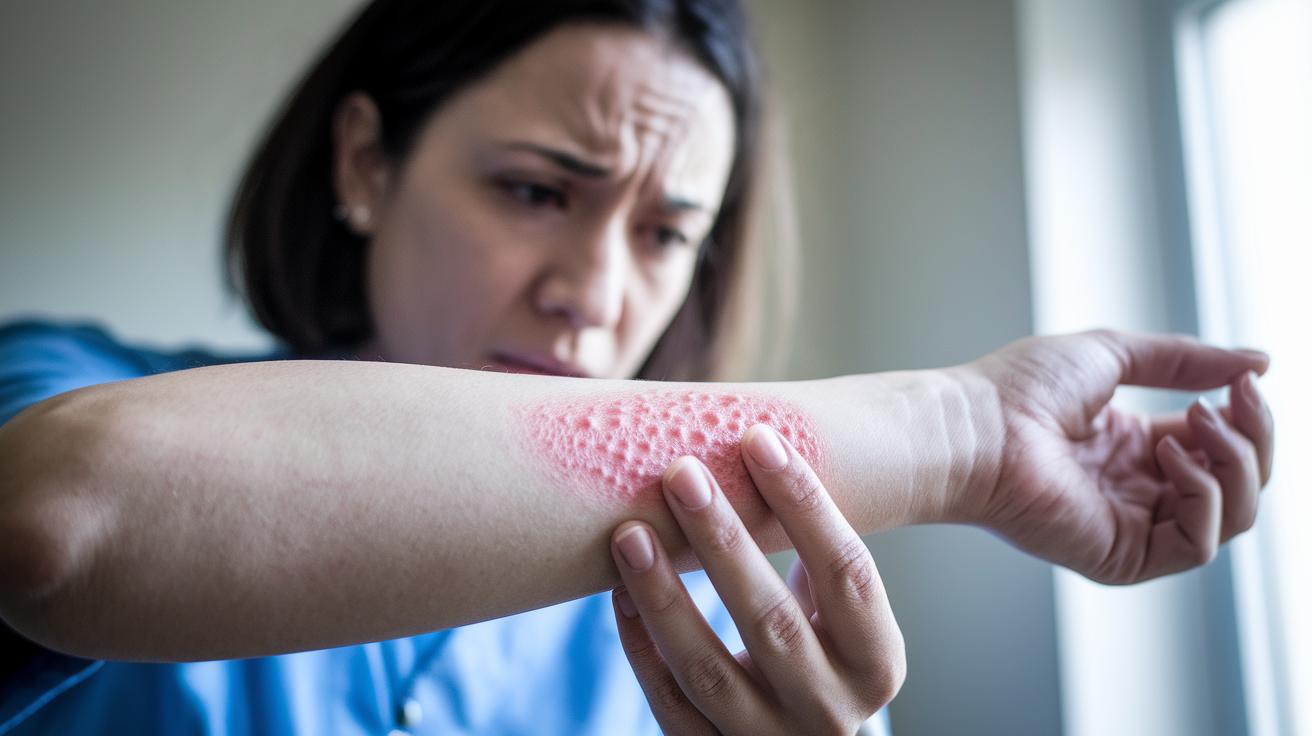
Quick take: If your red bumps last more than 2 weeks, hurt, or change, it’s time to see a professional.
If your bumps stick around and you notice increased pain, swelling, or any change in their size or color, don’t wait. These signs might mean there is an infection, an inflammatory skin condition (swelling from irritation), or something more serious. They can also start to affect your daily life.
Call your dermatologist if you experience any of these warning signs:
- Bumps that last more than 2 weeks
- Increased pain or tenderness
- Swelling that makes daily activities difficult
- Sudden changes in size or color of a bump
- Bumps that begin to spread
At the doctor’s office, you may have a detailed skin exam and a review of your health history. Your dermatologist might do simple tests like a skin scraping or biopsy (taking a small piece of skin) to check what’s causing the problem. If there’s concern about an infection, they may take a culture (a test to grow bacteria).
Treatment options could include prescription creams like antibiotics or retinoids (vitamin A-based treatments for your skin) and sometimes pills such as doxycycline if rosacea is suspected. On rare occasions, if a bump does not respond to regular treatment or if there’s a worry about skin cancer, a precise procedure called Mohs surgery might be needed to remove the affected tissue accurately.
Preventing and Managing Future Facial Red Bumps
Keep your skin calm by using a gentle routine every day. Use fragrance-free cleansers that wash away dirt without taking away the skin’s natural oils. Apply creams that repair your skin barrier to help it stay strong. Use a broad-spectrum sunscreen daily to block harmful rays and stop sun-induced discoloration. In the summer, opt for a lighter moisturizer, and in the winter, choose a richer cream to fight dryness. Small adjustments in your routine can help keep red bumps away and support a balanced complexion.
Avoid triggers that can cause irritation. Stay off harsh cosmetics, spicy foods, and extreme temperatures, as these can upset sensitive skin. Try simple stress relievers like deep breathing or a brisk walk, since stress may worsen flare-ups. Regularly check in with a dermatologist to fine-tune your products and catch early signs of conditions like rosacea. This proactive care helps you manage your skin and keep it clear and calm.
Final Words
In the action, we explored what causes red bumps on face and how to safely tackle them. We looked at conditions like acne, rosacea, and allergies, and discussed home care steps and when to seek help.
We outlined ways to monitor your skin’s changes, and shared tips for long-term care and prevention. Follow these steps and track your progress for a healthier skin routine. Stay positive, small changes can lead to better skin health over time.
FAQ
Q: What do red bumps on the face that aren’t acne indicate?
A: Red bumps that aren’t acne can signal other issues like rosacea, perioral dermatitis, or allergic reactions, meaning they come from skin inflammation or irritation without the typical blocked pores seen in acne.
Q: What causes red bumps on the face and why might my skin break out in them?
A: Red bumps on the face can be caused by a range of factors including blocked follicles, allergic reactions, stress, and inflammatory skin conditions. These triggers lead to irritation and inflammation that result in visible bumps.
Q: How do I treat or get rid of red bumps on my face?
A: Getting rid of red bumps depends on their cause. Use gentle cleansing, fragrance-free moisturizers, and, if needed, short-term over-the-counter treatments like 1% hydrocortisone. If they persist or worsen, consult a dermatologist.
Q: What do red bumps from an allergic reaction on the face look like?
A: Red bumps from an allergic reaction often appear suddenly, may present as hives or welts, and can be accompanied by swelling. They usually resolve with allergen avoidance and sometimes require medicated treatment after consultation.
Q: Why might red bumps on my face be itchy in some cases and not in others?
A: Itching depends on the underlying cause of the bumps. Allergic reactions and contact dermatitis often cause itching, while bumps from rosacea or perioral dermatitis tend to be more irritating without significant itchiness.
Q: What do red bumps on kids’ faces look like and when should I be concerned?
A: In kids, red bumps may appear from conditions like baby acne, heat rash, or eczema. They are generally benign, but seek pediatric advice if they spread rapidly, cause discomfort, or are accompanied by fever.
Q: What are the small red bumps around the mouth typically associated with?
A: Small red bumps around the mouth are often linked to perioral dermatitis, which can be triggered by overuse of topical steroids or harsh skincare products. Managing irritants usually helps clear the condition.
Q: What do stress bumps look like on the face?
A: Stress bumps on the face typically appear as small, clustered red bumps that flare up when you are stressed. They differ from acne by not having the typical blackhead or whitehead formations and often clear with stress management.