


Quick take: This guide helps you keep your family’s immunizations up-to-date so everyone stays healthy.
If you see any missing vaccine records, call your primary care provider for advice.
• Check each family member’s vaccine record
• Write down upcoming shots and appointment dates
• Use this list to stay prepared for the school year
Keeping track of every shot can feel like a never-ending task. That can be overwhelming, but this guide cuts through the confusion. It lists the vaccines kids, teens, and seniors need for a healthy life. You’ll learn when to set appointments and how to record the dates so you never miss an important shot. With this simple checklist, you can help protect your loved ones and be ready for any season.
Comprehensive Immunmunization Health Checklist: Overview and Core Vaccines
Quick Take: Review your family’s vaccines to stay protected.
Triage Box:
- If you see a gap in your records, call your healthcare provider.
- If a vaccine is due soon, schedule an appointment.
- Keep a clear paper or digital log of your immunizations.
This checklist helps you keep up with your family’s shots. It covers the vaccines the CDC recommends for children and reminds adults and seniors to get their yearly flu shot. Staying on track with these immunizations means your family is better protected and ready for school.
Before each school term, go over your vaccination records. This will show you if any shots are missed or coming up soon. It makes planning your schedule simple and ensures all vaccines are up-to-date.
Key Vaccines to Track:
- DTaP (vaccine against diphtheria, tetanus, and whooping cough)
- MMR (vaccine against measles, mumps, and rubella)
- Varicella (vaccine against chickenpox)
- IPV (vaccine against polio)
- Hib (vaccine against Haemophilus influenzae type b)
- PCV (vaccine against pneumonia infections)
- Influenza (annual flu shot)
Keep a log of all your vaccine dates and appointments. Updating your record often helps you quickly see what’s done and what needs scheduling. This proactive step is a smart way to ensure your family stays healthy throughout the school year and beyond.
Age-Based Immunization Health Checklist: Scheduling by Life Stage

Quick take: Keep your family protected by updating your vaccine schedule as you age.
Planning your immunizations by age is a practical way to safeguard your family’s health. Different age groups need different vaccines, and this guide tells you what shots are recommended for children, young adults, and seniors. For example, kids follow a set schedule for routine shots, while adults (18–39 years) should plan on getting a flu shot every year. As you enter your 40s and beyond, your routine may also include additional checks like blood pressure and cholesterol tests.
Use the table below to help track vaccine dates and stay on top of milestone immunizations. Update this guide as new vaccine recommendations come out and as your family’s needs change. Small steps like marking upcoming dates and planning checkups go a long way in keeping everyone healthy.
| Age Group | Recommended Vaccines | Typical Due Dates |
|---|---|---|
| 0–6 months | DTaP, IPV, Hib, PCV | 2, 4, 6 months |
| 12–15 months | MMR, Varicella, Hep A | 12 months |
| 4–6 years | DTaP, IPV, MMR | Kindergarten start |
| 11–12 years | Tdap, HPV, Meningococcal | Pre-teen checkup |
| 18+ years | Influenza (annually), COVID-19 boosters | Fall/winter season |
Use this checklist as a simple reminder to keep your vaccination schedule up-to-date and to plan for regular health checkups. Tracking these dates can help ensure that every family member receives the protection they need, when they need it.
Immunization Health Checklist: Keep Your Family Safe
Quick Tip: Keeping your vaccine records current helps you avoid hassles at school, work, and travel.
Here's what you can do now:
• Save your original vaccine cards in a safe place.
• Right after your shot, snap a photo or scan your card.
• Upload the copy to your patient portal or a secure digital health app.
• Check your records often against the latest vaccination guidelines.
• Bring your updated records to every doctor visit.
By following these steps, you ensure your records are complete and ready for any appointment or travel. This simple habit makes keeping track of your immunizations fast and reliable.
Digital Tools and Apps for Your Immunization Health Checklist
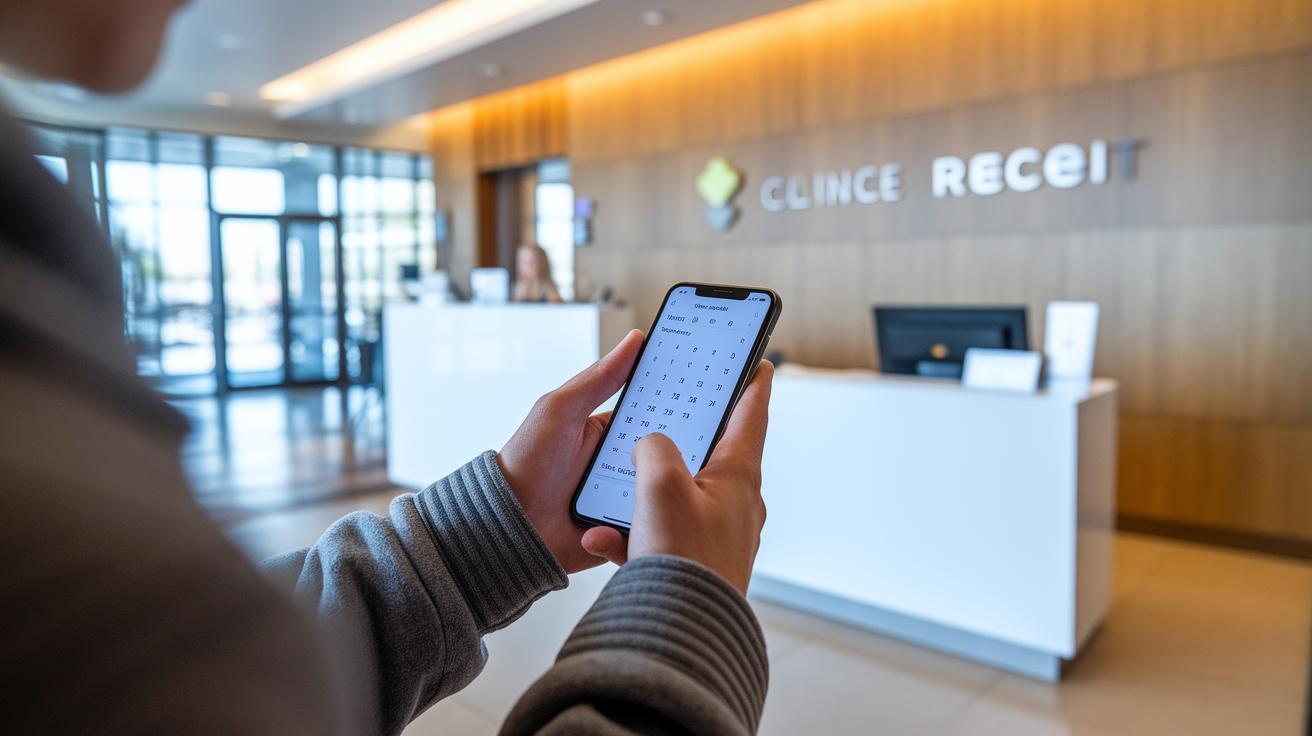
Technology helps keep your vaccine appointments up to date. Many clinics and pharmacies now send secure reminders through patient portals. These tools alert you when a vaccine is due and help reduce missed shots. A mobile vaccine tracker can also send push notifications before your appointment, giving you time to prepare.
Patient portals, phone apps, and calendar integration work well together. Most patient portals let you check your immunization records and schedule follow-up visits easily. Many vaccine tracking apps sync with your personal calendar so that appointments appear automatically. This makes your phone a helpful assistant, reminding you of regular and seasonal vaccines, like your yearly flu shot.
Choose a tool that fits your family’s routine and device preferences. Look for an app with a simple design and reliable push alerts. If family members use different devices, pick one that syncs across platforms. That way, your immunization schedule stays current and accessible wherever you are, keeping everyone in your household safe and protected.
Booster Dose Tracking in Your Ongoing Immunization Health Checklist
Booster shots are an important way to keep your body protected. You might need a Tdap booster at 11-12 years, a flu shot each year, and COVID-19 boosters when current guidelines suggest. Sticking to a regular schedule helps your protection stay strong, even if new vaccine options come out.
To keep track of your booster shots:
- Write down the due dates on paper and keep a digital record.
- Set reminders in your calendar or on your phone before each booster is due.
- Check your schedule often and update it when new recommendations come out.
Travel and Special-Use Immunization Health Checklist

Quick take: Check your vaccine status early to travel safely.
If you are traveling soon and haven’t updated your vaccines, act now:
- Call your healthcare provider if you’re scheduled to travel in less than 4 weeks.
- Confirm your clinic offers the needed travel vaccines.
- Book your vaccine appointment immediately to give your body time to respond.
Different regions have different disease risks. If you’re heading abroad or to a special event, extra vaccines might be necessary. Start reviewing your vaccine records well before your trip to avoid last-minute surprises.
Before you travel, look up trusted online sources for destination-specific vaccine guidelines. Plan to get your shots 4 to 6 weeks ahead so your body can build protection. Check that your chosen clinic is ready to give you the right vaccines and secure an appointment as early as possible.
Keep your immunization checklist updated with any new details and note the dates of your vaccines. Review the latest vaccine schedules regularly to ensure you stay current. Also, speak with your healthcare provider about any concerns and get advice tailored to your travel plans.
This approach helps you meet entry requirements and shields you from unexpected exposures. Get your travel immunizations sorted early so you can focus on enjoying your trip with peace of mind.
Vaccine Safety and Side Effects in Your Immunization Health Checklist
Quick take: Vaccines are safe when they are prepared and given with proper screening and care.
Triage Box:
• If you have trouble breathing, call emergency services immediately.
• If you develop a high fever or feel very unwell, seek timely medical help.
• Monitor mild symptoms at home but act if changes worsen.
Before your vaccine, a nurse will check if you have any allergies or past reactions. This careful screening helps make sure every shot is as safe as possible. Clinics keep a clean space and use sterilized equipment to cut the risk of infection. The staff is trained to spot and manage any immediate reaction.
After your shot, you might feel slight soreness at the injection spot or have a low-grade fever. These are normal side effects, but it helps to track how you feel afterward. Write down any mild discomfort or new symptoms. However, if you notice red flags like difficulty breathing or a high fever, contact your healthcare provider as soon as possible.
Auditing and Updating Your Immunization Health Checklist

Review your immunization records every year to keep your protection up to date. A yearly check, especially in January as suggested in the 2026 guide, can help you catch any missed shots early. This review makes sure that you get every needed vaccine and that your records follow the latest safety rules.
Here is how to audit your immunization checklist:
• Compare your records with the latest guidelines.
• Look over your vaccine list and note any doses that are overdue or new vaccines recommended for your age or travel.
• Write down any missing immunizations.
• Update your schedule to include boosters or extra shots as needed.
To keep your records accurate, use help from your healthcare provider and digital tools. Patient portals and clinic audits can spot differences in your records and remind you of upcoming shots. Matching paper records with electronic logs creates a system that makes future checks easier. Regular reviews by your provider can also update your plan to meet new age or travel needs. Each annual audit builds confidence in your family’s full vaccine protection.
Final Words
In the action, this guide stepped through core vaccines, tracking tips, and digital reminders. It broke down essential shots from childhood to adult boosters and outlined how to audit your records. You saw how to spot red flags while keeping your vaccination log clear and updated. Use your immunization health checklist to plan schedules and ensure you’re on track. Stay confident as you protect your family and yourself, and know that clear planning brings you one step closer to safer, well-managed health.
FAQ
What is an immunization schedule table?
The immunization schedule table lists vaccines by age and dosage timing, offering a clear guide on when to get each shot to help you plan for timely vaccinations and proper booster protocols.
What is the new immunization schedule table?
The new immunization schedule table provides updated vaccine recommendations and timelines that reflect current guidelines, ensuring that you can maintain a preventive health plan for all age groups.
What does an immunization schedule PDF offer?
The immunization schedule PDF offers a downloadable, detailed guide outlining vaccine timing, dosage intervals, and age-specific recommendations, making it easy to keep track of your vaccination record and appointments.
What is the new immunization schedule table according to WHO?
The new immunization schedule table according to WHO lays out global vaccine guidelines based on the latest evidence, ensuring recommendations meet international standards for safe and effective immunizations.
What is the CDC adult immunization schedule by medical condition?
The CDC adult immunization schedule by medical condition tailors vaccine advice based on individual health issues, guiding adults on which vaccines are recommended to better manage chronic conditions and prevent infections.
How does the vaccine schedule from 1990 compare to 2024?
The vaccine schedule comparison between 1990 and 2024 highlights improvements in vaccine science, such as updated formulations, new vaccine additions, and refined timing to boost overall protection.
What is available in the CDC vaccine schedule PDF?
The CDC vaccine schedule PDF contains an authoritative guide featuring age-specific vaccine guidelines, booster schedules, and clear timelines that assist both healthcare providers and the public in managing immunization plans.
What is expected for the vaccine schedule in 2026?
The vaccine schedule for 2026 is anticipated to incorporate the latest research and updated immunization protocols, ensuring that vaccine recommendations remain current, safe, and highly effective.