

Quick take: A simple emergency plan can help you act fast and stay calm.
When a crisis hits, knowing clear, basic steps can turn panic into controlled action. This guide shows you how to spot signs of trouble and take quick, easy actions. You don’t have to be a professional to help in an emergency. When every second matters, the right moves can boost your response, build your confidence, and even save a life.
Medical Emergency Protocol: Clear Crisis Steps
Quick take: If you see a person in serious distress with trouble breathing, chest pain, confusion, or fainting, act fast.
If you have any of these emergency signs, call emergency services now:
- Severe chest pain
- Hard breathing or trouble catching breath
- Sudden fainting or extreme confusion
- Signs of a severe allergic reaction (anaphylaxis)
Here's what to do next:
- Check that the area is safe.
- Quickly assess the person by checking their ABC (Airway, Breathing, Circulation). This means see if they are awake, breathing normally, and if their heart is beating.
- Call your internal response team or emergency services straight away.
- Alert others by activating a code blue or a similar emergency signal.
- Sort the patient based on how serious their symptoms are.
- Start any life-saving steps immediately.
This clear plan helps you act calmly and quickly when every second counts. Stay alert and keep checking on the person because their condition can change fast. Acting promptly can really make a difference.
Roles and Incident Coordination in a Medical Emergency Protocol
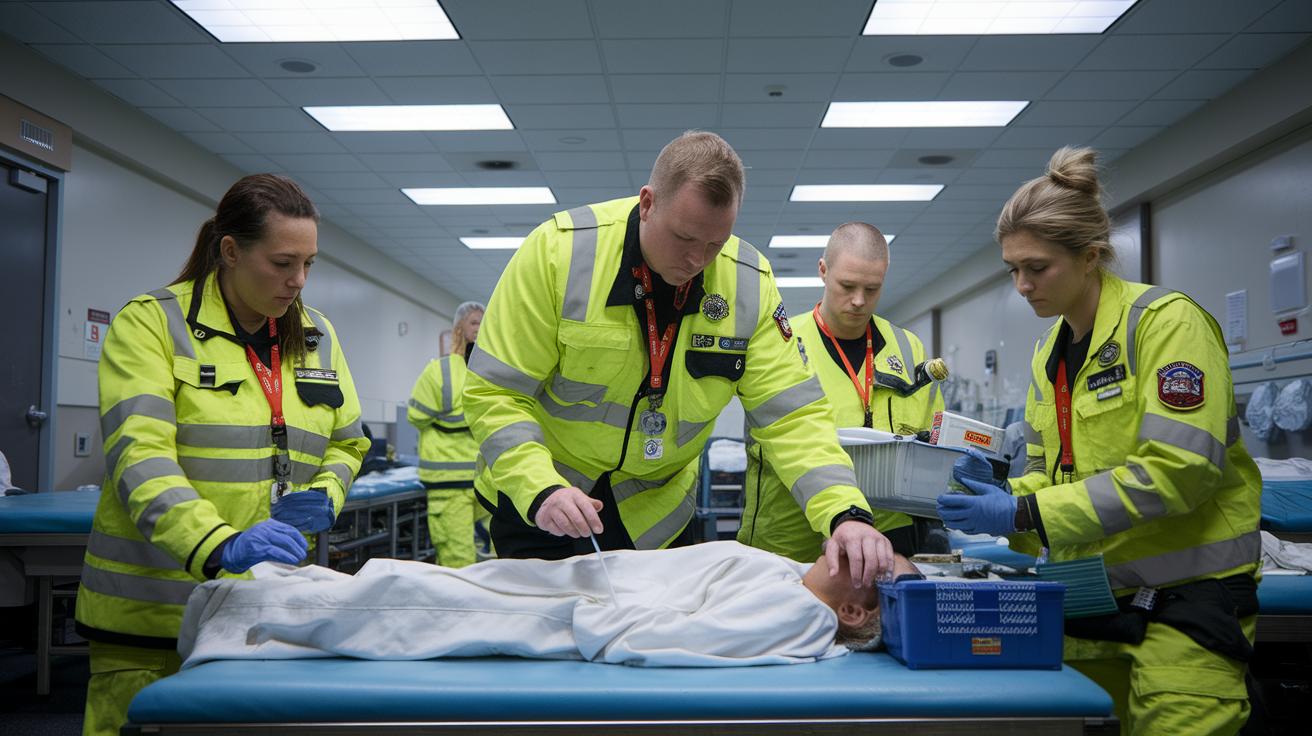
When every second matters, clear roles can make all the difference. In this system, a first responder, team leader, scribe, equipment runner, and support staff each have a specific task. Clear assignments mean everyone knows their job so there is no delay. For example, one person quickly checks the patient while another readies the needed equipment.
A strong command system guides the team with a direct chain of command. Updates and instructions flow fast through established communication channels. The team leader directs the overall response while the scribe writes down key events. At the same time, the equipment runner and support staff make sure that essential supplies are ready. This approach helps everyone work together smoothly during emergencies like heart attacks or severe allergic reactions.
Every team member must know their role and the steps to take if problems get worse. Regular drills build confidence so that each person is ready to handle unexpected issues safely.
Essential Equipment Requirements for a Medical Emergency Protocol
Have the right tools ready to act fast in an emergency. Your emergency plan should include:
- An AED to shock a heart back into rhythm.
- Oxygen tanks to help someone breathe.
- An airway kit (with endotracheal tubes) to keep airways open.
- A suction device to clear fluids from the airway.
- IV starter kits for quick drug access.
- Emergency medications like epinephrine auto-injectors, nitroglycerin, and antihistamines to treat severe conditions.
Each device has a clear role, from restarting a heart during cardiac arrest to calming a severe allergic reaction.
Remember to check your equipment often. Inspect each item every month and right after it’s used. Store them in clearly marked, easy-to-reach spots so any staff member can grab them when seconds count. Keep a record of the inspection date and any issues found. This ensures that everything works properly when you need it the most.
Documentation and Compliance in a Medical Emergency Protocol

Quick take: Clear, prompt notes during an emergency can save lives and improve care.
When an emergency happens, record every detail right away. Write down the date and time, note the patient’s vital signs (like heart rate and blood pressure) at each check, and list everyone who helped. Document every step, from the first check to any life-saving actions, and record what happened after each step.
Use electronic systems or standard paper forms to capture the details. This ensures your report meets legal rules and helps improve care later. Make sure every record is easy to read and available for audits or legal reviews.
Within 72 hours, hold a debrief meeting to review the complete report. This review lets you spot any gaps in the process and keeps your procedures up to date with legal standards and best practices.
| Action | Details to Record |
|---|---|
| Time | Date and exact time of each step |
| Patient Vitals | Vital signs such as heart rate and blood pressure |
| Staff Involved | Names of all responders |
| Interventions | Every check and life-saving action, with outcomes |
Training and Simulation Strategies for a Medical Emergency Protocol
Every team member must be certified. You need to finish courses in adult and pediatric First Aid, CPR, and AED. Specialized courses such as ALS (advanced life support), PALS (pediatric advanced life support), and NALS (neonatal advanced life support) are crucial to help you act fast. You will also learn about bloodborne pathogens and advanced airway management.
Regular, scenario-based drills are key. Each quarter, your team practices real-life situations to work on timing and communication. After each drill, a debrief helps you review what went well and what you can improve. Annual skill checks keep everyone ready and up-to-date.
Plan to recertify and have performance reviews every year to stay confident during emergencies.
Instructor-Led vs. Online Training
In-person courses give you hands-on practice and quick feedback. Online modules let you learn at your own pace. Both ways help you keep and understand the skills you need.
Designing Realistic Simulation Drills
Create drills with emergency scenarios that feel real. Set timed challenges and record how you perform. This lets you track your progress and sharpen your responses when every second counts.
Adapting a Medical Emergency Protocol for Cardiac Arrest, Anaphylaxis, and Trauma
Quick take: Fast, focused actions tailored to each emergency can save lives.
Triage box:
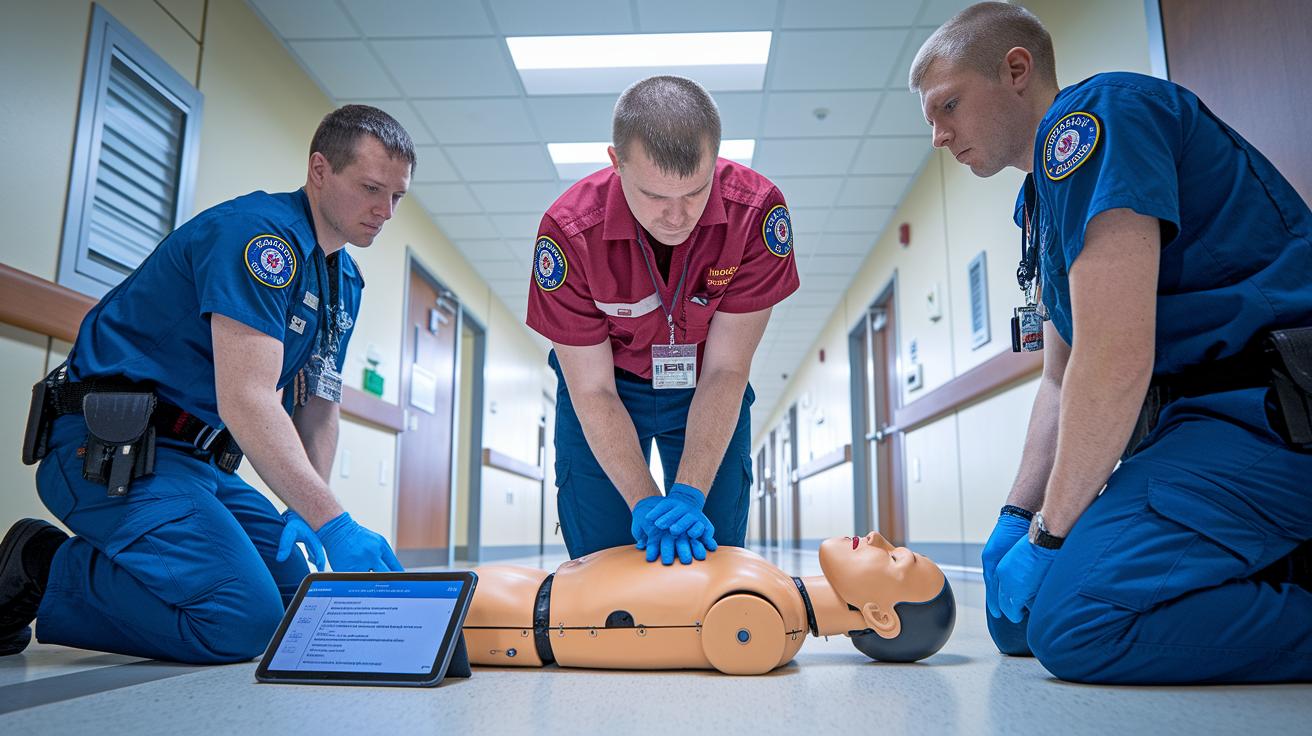
• If you see signs of cardiac arrest, call emergency services now and begin chest compressions.
• For a severe allergic reaction, use an epinephrine injection immediately and secure the airway.
• If stroke is suspected, perform a FAST check (Face, Arms, Speech, Time) and get rapid imaging.
• In trauma, quickly secure the airway, control bleeding, and immobilize the spine.
When situations are high-risk, small changes to the usual steps can be the difference between life and death. This means adjusting the protocol for emergencies like cardiac arrest, severe allergic reactions, strokes, and trauma so that staff can act quickly with the right actions.
Speed matters. For cardiac arrest, start chest compressions at 100–120 beats per minute and aim for defibrillation within 3–5 minutes. In anaphylaxis cases, give an epinephrine shot within 60 seconds while keeping the airway open. Use the FAST method for stroke symptoms and quickly arrange for imaging. With trauma, secure the airway, stop the bleeding, and stabilize the spine without delay.
Taking action promptly and following these clear steps helps stabilize patients and improves their chances of recovery.
| Scenario | Key Actions | Critical Timeframe |
|---|---|---|
| Cardiac Arrest | CPR, defibrillation, ACLS drugs | First 5 minutes |
| Anaphylaxis | Epinephrine, airway support | Within 1 minute |
| Stroke | FAST check, CT scan | Within 10 minutes |
| Trauma | Airway control, bleeding control, immobilization | First 15 minutes |
After the immediate crisis, it is important to review what happened. Hold a debriefing session with your team to point out what worked well and what could improve. This review helps everyone use the right equipment and communicate smoothly during emergencies. Regular discussions build team confidence and sharpen roles. In these high-stakes moments, every second counts. Act decisively and always put safety first.
Final Words
In the action, we walked through key steps for a medical emergency protocol. We reviewed rapid assessment, defined roles, essential equipment checks, documentation, and ongoing training. Each phase ties together to help you act swiftly during moments of crisis.
Clear guidelines like these help build a comprehensive medical emergency protocol that protects lives. Knowing when to check, call, and care builds confidence and safety. Stay positive and prepared, and remember that every action counts.
FAQ
Q: What does a medical emergency procedures PDF or template provide?
A: The medical emergency procedures PDF or template provides a clear guide that outlines essential steps, roles, and checklists for safely handling emergencies in the workplace and other settings.
Q: What is included in a comprehensive medical emergency list and action steps?
A: The comprehensive medical emergency list details step-by-step actions such as checking scene safety, assessing patient symptoms, activating alerts, and initiating timely life-saving interventions.
Q: During an emergency, what should you check first?
A: During an emergency, you check the scene for safety first to protect yourself and others, ensuring that proceeding with patient care does not put anyone at further risk.
Q: What is the third and final emergency action step?
A: The third step in a basic “Check, Call, Care” approach is care, meaning you start immediate life-saving measures such as CPR or first aid after ensuring safety and contacting help.
Q: What are the 5 emergency protocols and the 5 P’s of emergency?
A: The 5 emergency protocols highlight steps like checking the scene, assessing the patient, calling for assistance, alerting responders, and initiating care; the 5 P’s can refer to planning, preparedness, prevention, practice, and performance in emergency management.
Q: What are the 7 steps to take in a medical emergency?
A: The 7 steps involve verifying scene safety, checking for patient responsiveness, assessing vital signs, calling help immediately, activating alerts, triaging based on severity, and initiating life-saving care.
Q: What is the overall protocol for a medical emergency?
A: The overall protocol for a medical emergency means following a structured process—from ensuring safety and assessing the patient to calling for help and providing timely care—with clear roles and proper equipment readily available.