
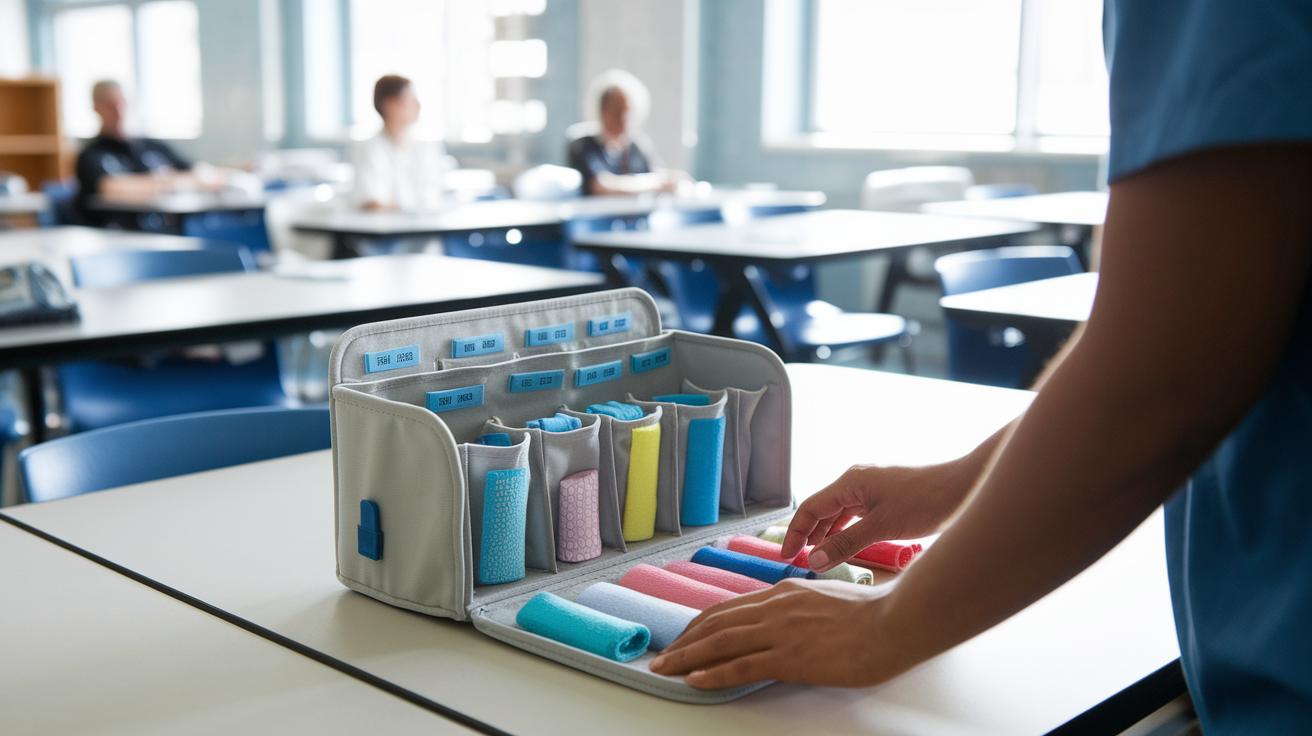

Quick take: A well-organized first aid kit can help you act fast in an emergency.
When every second counts, a tidy kit can make the difference between feeling overwhelmed and staying in control. Imagine not having to dig through a jumbled bag to find the items you need the most. Whether you buy a kit that’s already set up or put one together yourself, being prepared means you’re one step ahead when unexpected situations occur.
This guide shows you how to choose or build the right first aid kit, giving you clear tips to stay ready when it matters most.
First Aid Organizer Buying Guide: Choosing Between Pre-Made Kits and DIY Solutions
Your first aid kit is your backup when emergencies strike. It needs to be easy to grab so you can act fast. Whether you choose a pre-made kit or build your own, the goal is to have a well-organized set that works for your home, car, and travel.
Make sure your kit has all the basic supplies. For example, a kit for a family of 4 should include 25 adhesive bandages in different sizes. Add simple medicines like aloe vera gel for minor burns or skin irritations.
Write down emergency phone numbers and keep them in your kit. List contacts for your healthcare team, pediatrician, and local emergency services. For poison emergencies, visit www.poison.org or call 1-800-222-1222. Also, mark your kit with the date it was last used so you know when to replace expired items.
Think about what works best for you. Pre-made kits come ready with standard supplies, making them a quick solution. A DIY kit lets you choose supplies that match your personal needs, like extra items for travel or additional prescription storage if needed.
Quick tips:
- Ensure the kit works for both home and car use.
- Clearly list your emergency contacts.
- Mark the dates on your supplies.
- Pick portable options if you travel often.
Before emergencies hit, prepare a kit that is as ready as you are, one that has everything from bandages to emergency contacts to help keep you calm and organized in urgent moments.
Key Features of First Aid Organizer Designs
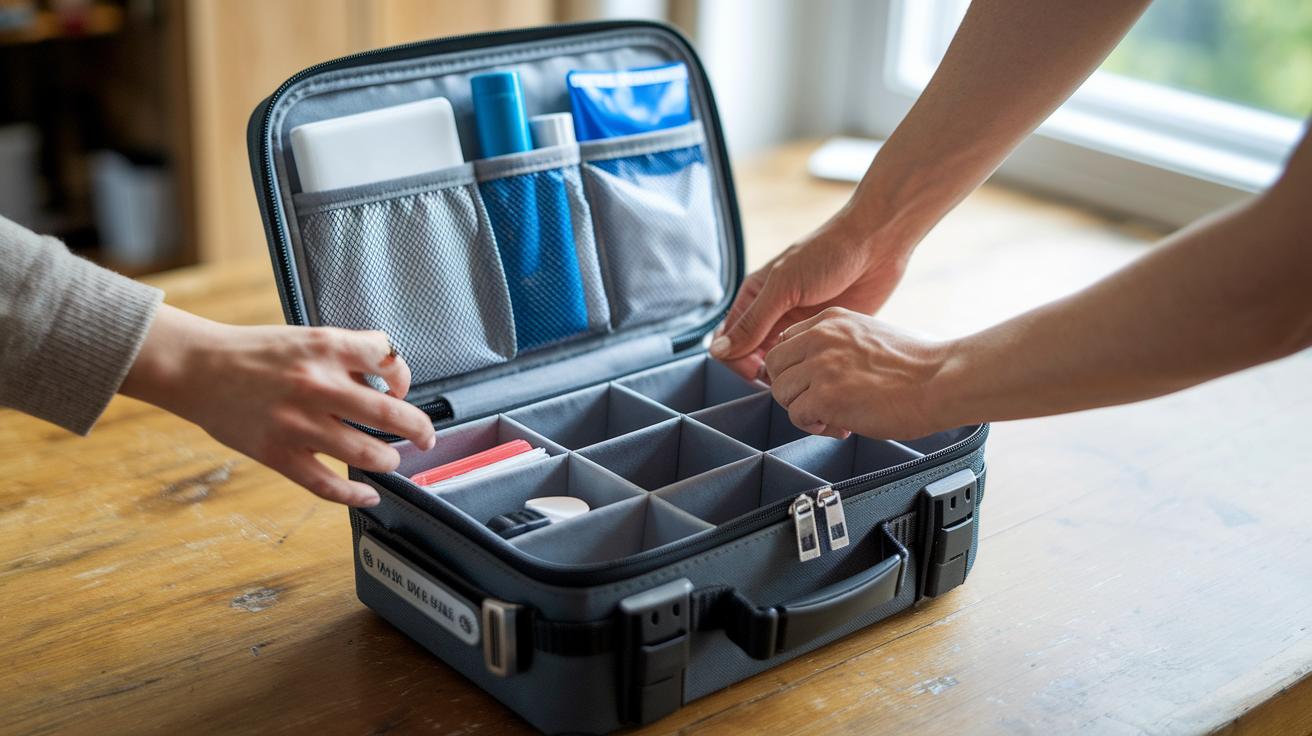
When you need help fast, a first aid organizer built with strong design can make all the difference. A tough, durable kit means you get a quick and safe response instead of wasting time. Look for one made with solid materials that handle rough use and travel. Removable trays and dividers let you keep wound care supplies separate from items like aloe vera gel. Clear pockets show you what you have at a glance, and child-safe locks keep little hands away from dangerous items.
Here are five design features to choose from:
- Tough materials
- Removable dividers
- Clear compartments
- Water-resistant fabric
- Lockable closures
Imagine reaching for your kit in an emergency and finding exactly what you need in seconds because everything is in its place. A design like this helps you act quickly, even if the kit gets wet or rough handling occurs. Overall, a well-planned organizer is built for safety, easy access, and child protection, keeping you ready when every second counts.
Comparing First Aid Organizer Systems
When every moment counts in an emergency, having the right organizer can help you get supplies quickly. A hard plastic box is built to last and works well at home or work. A soft fabric pouch is lightweight and flexible, so it's great for travel or keeping in your car. A wall-mounted cabinet fits well in garages or offices where you need to see supplies at a glance. Trauma bags stand out because they let you keep wound care items, medications, and tools in separate sections for fast access. Many people also add smaller satellite kits to cover different areas and boost readiness.
| Organizer Type | Best Use Case | Key Advantage |
|---|---|---|
| Hard Plastic Box | Home and workplace | Durable and secure |
| Soft Fabric Pouch | Travel and car kits | Lightweight and flexible |
| Wall-mounted Cabinet | Garages and offices | Quick visual access |
| Trauma Bag | Emergency response | Divided sections for fast retrieval |
Pick the organizer that suits your environment and how fast you need access. Adding portable satellite kits gives you extra peace of mind when emergencies strike.
Organizing and Labeling Your First Aid Organizer
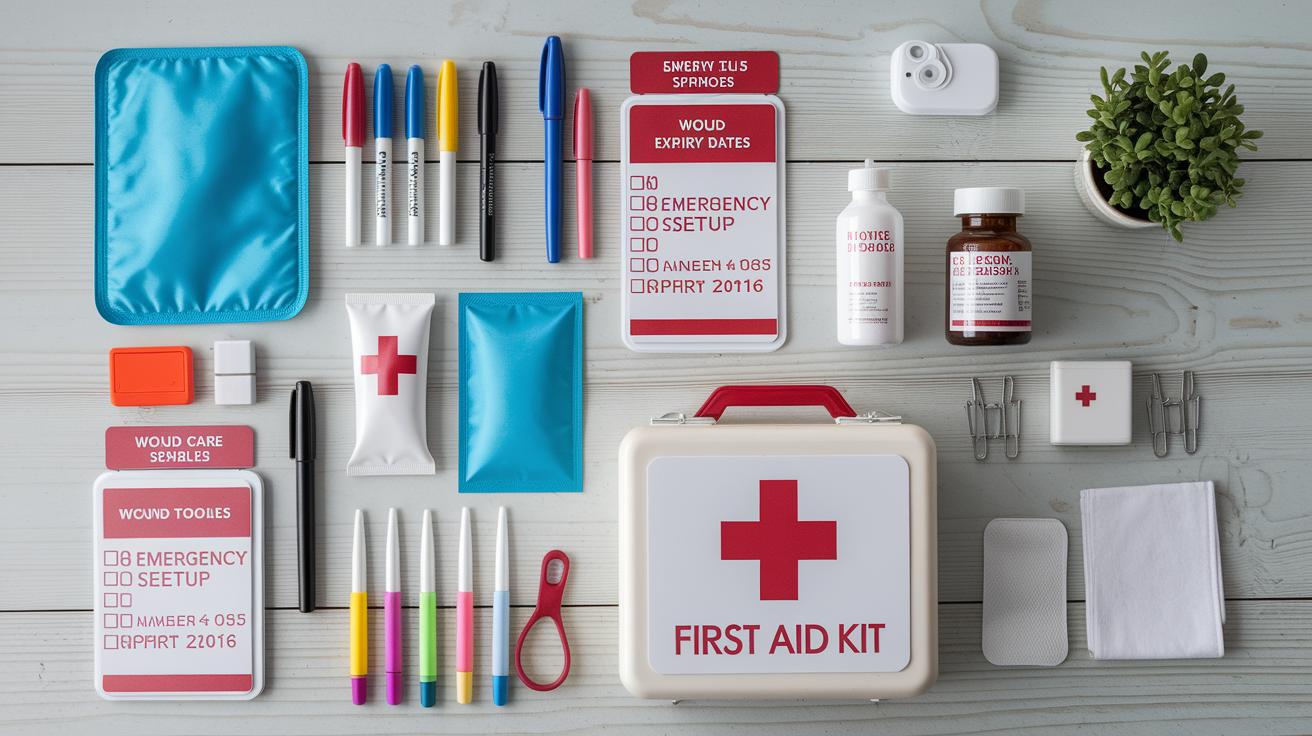
Keep your first aid kit tidy so you can grab what you need fast in an emergency. Sort your supplies into groups. For example, put wound care items like bandages and antiseptics in one group, medications like aloe vera gel and pain relievers in another, and tools like scissors and tweezers in a third group.
Label each section clearly with markers or stickers. Add a spot for emergency phone numbers. Print a simple checklist to track what you have and when each item expires. Write the date on every bottle or box so you know when to replace it.
Here are some clear steps to follow:
- Group similar items together
- Keep an emergency checklist on hand
- Use a printable inventory tracker
- Mark all expiration dates clearly
This way, your organized kit makes it easy to find what you need during a crisis. Review and update your kit at least twice a year to remove expired items. Checking your kit often helps ensure you have fresh supplies when you need them most.
Maintaining and Replenishing Your First Aid Organizer
Keep your first aid kit ready by checking it twice each year with a home safety supplies checklist. Look for bandages and medicines that have expired and update the inspection date. Test your flashlight batteries so you have light during emergencies.
Follow these simple steps to take care of your kit:
- Open the kit and check every item.
- Replace any supplies that are out of date.
- Test the flashlight batteries and change them if needed.
- Ensure emergency numbers, including Poison Control, are current and easy to read.
- Write down the inspection date on the kit for future reference.
This routine brings together all your checks and special tasks like battery testing into one clear guide.
Portable First Aid Organizer Options for Travel and Vehicles
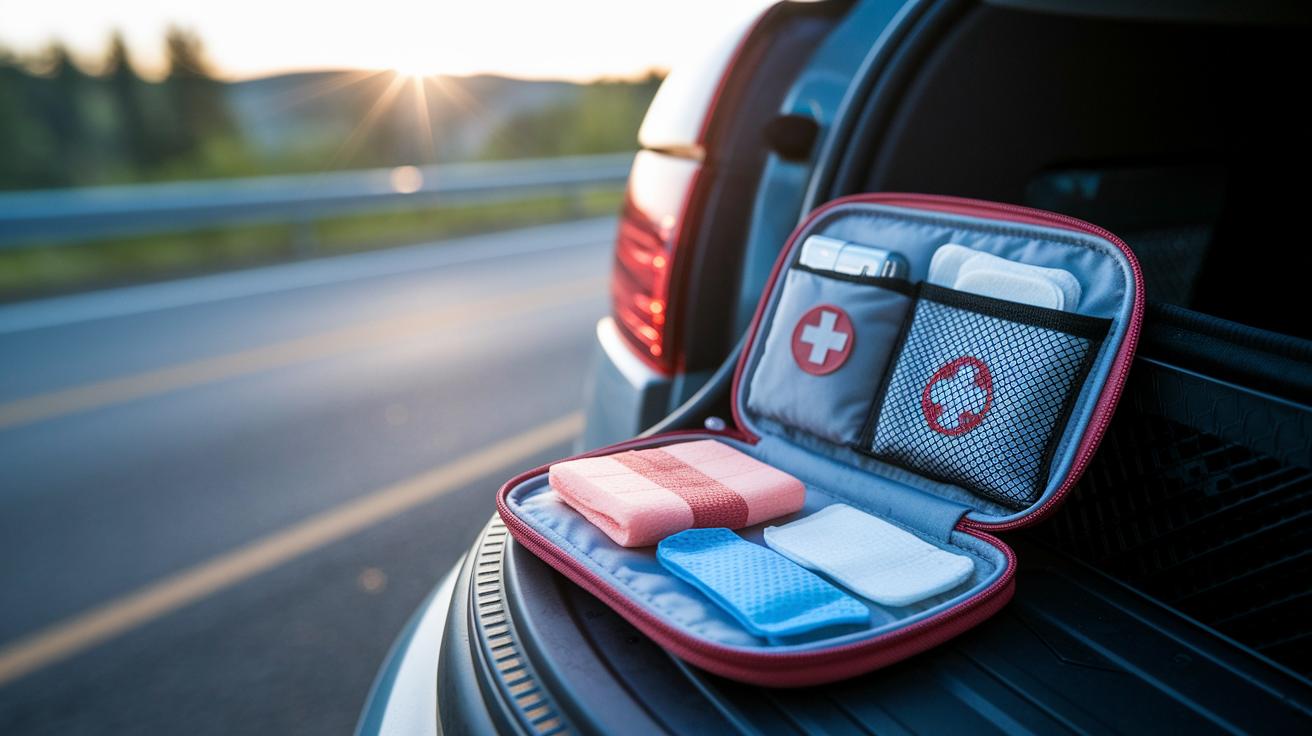
Quick take: A handy, travel-ready first aid kit can make a big difference when you need help fast.
When you're on the go, a small first aid kit is a must. It keeps lifesaving supplies close at hand whether you're in your car or on a long trip. A compact, lightweight case fits easily in your glove box or seat pocket but still holds bandages, antiseptics (germ fighters), pain relievers, and even a mini flashlight.
Consider using a durable, water-resistant pouch with separate compartments. This type of organizer keeps items in their place so nothing moves around during bumps on the road. It fits neatly into your trunk or luggage without taking up too much space.
Key features to check:
- Compact design for small spaces
- Lightweight for easy carrying
- Secure closures that keep your supplies safe
For extra convenience, choose an organizer with clear compartments. This helps you find what you need quickly during an emergency. With a well-organized kit, you’ll be ready to handle unexpected issues whether you're driving far from home or catching a flight.
Customizing Your First Aid Organizer with DIY Tips and Checklists
Quick take: A well-organized first aid kit helps you act fast when you need it most.
Triage Box:
• Check your kit often for expired or low supplies.
• Replace items immediately if they are used or out of date.
• Label every section clearly so you can grab what you need fast.
You can make your kit work better by using items you already have at home. Try repurposing a sturdy container from your kitchen or medicine cabinet. For example, a clean tackle box (a container used for fishing gear) can become a handy organizer for your supplies.
To keep small items in order, use a lazy susan (a spinning tray) or simple drawer dividers. These tools let you see everything at a glance, which can save precious time during an emergency. Label each compartment with a sticker or marker so you know where to find bandages, antiseptics (germs-killing liquids), vitamins, and more.
Printable or digital checklists are very useful to track what you have and note when items run out. Write down each item along with its expiration date. Update your list every time you inspect your kit. If you keep supplies in more than one room, consider setting up small satellite kits so you’re ready wherever you are.
Follow these steps:
- Collect and wash repurposed containers.
- Add drawer dividers or a lazy susan.
- Label every compartment clearly.
- Create and update a checklist for tracking supplies.
Final Words
In the action, you now have a clearer look at creating a smart first aid organizer. We covered ready-made kits versus DIY options, key design traits, and methods to keep your kit updated. The guide also explained how to label and arrange supplies for fast access during emergencies. With detailed checklists and travel-ready ideas, you can feel more confident in handling urgent care needs. Stay prepared and track supplies regularly to keep your first aid organizer effective and reliable.
FAQ
What is a first aid organizer pouch used for?
The first aid organizer pouch is used to hold essential supplies in one compact space, making it easier for you to quickly grab what’s needed during an emergency.
What first aid organization ideas can help streamline supplies in my kit?
Effective first aid organization ideas involve using a box with compartments or dividers, clear labeling, and grouped supplies to help you find items quickly during an emergency.
How do I choose an empty first aid box with compartments?
When choosing an empty first aid box with compartments, look for water-resistant materials, adjustable dividers, and transparent sections so you can see and access items easily.
What features should a first aid kit box include for better storage?
A first aid kit box should have modular compartments, durable construction, and secure closures. These features ensure your supplies are well-organized, protected, and readily available.
How do I find a large first aid storage box or a large empty first aid box?
A large first aid storage box provides extra space for supplies, making it ideal for families or workplaces. Focus on sturdy design, clear compartments, and a size that fits your needs.
Are there wall-mounted first aid box options available?
Wall-mounted first aid boxes are designed to be installed in a fixed location, ensuring quick access during emergencies. They are ideal for places where space is limited but speed is crucial.
What items are essential to include in a first aid box?
A first aid box should include items such as adhesive bandages, antiseptic wipes, gauze, medical tape, and a first aid manual. Emergency contact numbers should also be visible for quick reference.