


Quick take: A sudden squeeze in your chest may not be serious, but knowing when to seek help is vital.
If you have any of these emergency signs, call emergency services now:
• Severe, crushing chest pain
• Difficulty breathing or shortness of breath
• Pain spreading to your arm, neck, or jaw
• Fainting or feeling very lightheaded
Chest tightness can happen during stress, after a heavy meal, or when you exercise. Most episodes last only a few minutes and are not a sign of a heart problem. However, it’s important to watch your symptoms closely.
In this guide, we break down possible causes such as heart issues, breathing problems, and stress. You’ll find easy steps to track your symptoms so you know what to do if things change.
Stay calm, track what you’re feeling, and act quickly if new or worse symptoms show up.
Core Facts on Occasional Chest Tightness and Action Steps
Triage Box:
• If you experience chest pain that gets worse or lasts longer, call emergency services immediately.
• If you feel pain when at rest, have lightheadedness, or the pain spreads to your arm or jaw, seek urgent care.
Quick take: Occasional chest tightness is usually brief and often not serious, but watch for red flags.
Occasional chest tightness means you feel a short period of pressure or discomfort in your chest. It can feel like squeezing, burning, or aching that lasts just a few minutes and then goes away. Many people worry when they feel this, especially during stressful times, after a heavy meal, or while exercising.
There are several reasons you might feel this tightness:
• Heart causes: Conditions like angina (when blood flow to the heart is reduced) can make you feel chest pressure that might also reach your arms or jaw.
• Breathing issues: Problems like asthma or mild infections (such as a cold or bronchitis) can make your chest feel tight and may bring on a cough or shortness of breath.
• Stomach causes: Acid reflux (a burning feeling when stomach acid moves upward) or spasms in the tube (oesophagus) can create a similar sensation.
• Stress and anxiety: Panic attacks or high stress can trigger your fight-or-flight response, which may cause temporary chest pressure.
It can be very useful to track your episodes. Note the date, time, duration, and any other signs like sweating or pain that travels. Here is a simple way to track your symptoms:
| Date/Time | Duration | Other Symptoms |
|---|---|---|
| 10/15/2023 3:00 PM | 2 minutes | Sweating, slight pain |
Always watch for warning signs. If you notice that the tightness gets more severe, happens when you're resting, or if you feel lightheaded or notice pain moving to your arm or jaw, get urgent medical care. And if your symptoms continue or get worse over time, talk to your doctor.
Remember, this guide helps you understand and manage your symptoms. It should not replace a full medical evaluation by a professional. Stay safe and be sure to act immediately if any red flags arise.
Key Cardiac and Respiratory Causes of Intermittent Chest Pressure

Quick take: Sudden chest tightness can be a sign of a heart or lung problem that might need immediate care.
If you have any of these emergency signs, call emergency services now:
- Severe pain spreading to your jaw, arm, or neck.
- Trouble breathing or very rapid breaths.
- Intense, lasting chest pressure.
Cardiac and lung issues can make your chest feel tight, almost like someone is squeezing it. Sometimes, you might also feel pain that spreads to your arm, neck, or jaw.
Angina and Heart Attack:
• Angina happens when your heart gets less blood. You feel a squeezing pressure that may spread to your jaw or arm.
• A heart attack is more serious. A blockage in your heart causes strong, persistent pressure. The pain might also move to your neck, back, or shoulders. Knowing these signs helps you decide if you need urgent care.
Asthma and Pneumonia:
• With asthma, your airways (the tubes for breathing) get inflamed. This makes your chest feel tight and can cause coughing that interferes with easy breathing.
• Pneumonia is an infection in your lungs. It leads to chest discomfort, fever, and a cough that brings up mucus. The extra mucus can add to that tight feeling in your chest.
Pulmonary Embolism:
A pulmonary embolism occurs when a blood clot (often from your legs) moves to your lungs. This sudden blockage results in rapid breathing, sharp chest pain, and sometimes even a cough with blood. These signs mean you should seek urgent medical help.
Musculoskeletal and Psychological Triggers of Chest Tightness
Intercostal muscle strain (strain in the muscles between your ribs) is a frequent cause of chest discomfort. It makes up 21-49% of chest wall pain. This strain can happen when you use your chest or rib muscles too hard during exercise, heavy lifting, or sudden movements. Costochondritis is inflammation of the cartilage that connects your ribs to your breastbone. It often causes a sharp, pinpoint pain. This pain usually stays in one spot and gets worse with certain moves or deep breaths. Knowing these signs can help you tell if your pain is due to muscle strain rather than heart problems.
Panic attacks and anxiety can also make your chest feel tight. When your body reacts to stress with a fight-or-flight response, you might feel a fast heartbeat, sweating, and chest tightness. Unlike muscle pain, this pressure is driven by your emotions and may start suddenly during stressful moments. To help figure out the cause, try these quick checks:
- See if the pain gets worse with specific movements.
- Notice if you also have a fast heartbeat and sweating.
- Check if the tightness eases when you rest.
- Think about any recent stressful events or anxiety episodes that match your symptoms.
Recognizing Red Flags in Occasional Chest Tightness

Look out for these warning signs:
- A heavy pressure in your chest paired with feeling dizzy or sweaty.
- Pain that stretches into your arm, neck, or jaw.
- Chest pain that occurs even when you're resting or doing very little.
- Trouble breathing with fast, shallow breaths.
- Leg pain while walking that might mean your blood flow is low.
If you notice any of these signs, call 911 immediately.
Diagnostic Tests and Clinical Evaluation for Occasional Chest Tightness
Quick take: Your doctor will ask detailed questions and use tests to check your heart and lungs, so you get the right care.
If you have any of these emergency signs, call emergency services now:
- Chest pain that feels severe and lasts more than a few minutes
- Pain that spreads to your arm, neck, or jaw
- Shortness of breath or cold sweat
If your symptoms worsen or you feel very lightheaded, seek urgent medical help. For milder symptoms, follow your doctor’s advice and watch your condition.
When you visit your doctor about chest tightness, they start with a set of questions. They ask when your discomfort began, how long it lasted, and what you were doing at the time. You might also be asked if you feel short of breath (trouble breathing), or if you experience sweating or pain that spreads to your arm or neck. This helps your doctor tell simple causes from serious ones. They will also do a quick physical exam to look for signs of heart, lung, or muscle issues.
Next, your doctor might order tests based on your history and exam. These tests help clear up what is happening and ease any worry you might have. Important tests include imaging studies and heart function checks. They look at your heart rhythm, blood flow under stress, lung clarity, and the health of your blood vessels. Using all these tools, your doctor finds out why your chest feels tight and figures out if you need more care.
| Test | Purpose |
|---|---|
| Chest X-Ray | Check lung fields and heart size |
| EKG | Spot fast heart rhythms or reduced blood flow |
| Stress Test | See if exercise triggers heart issues |
| CT Angiography | Look for blood clots or tears in vessels |
Your doctor combines these test results with your health history to decide on watchful waiting or further investigation. This careful evaluation rules out serious conditions and helps guide safe steps for self-care when symptoms are mild. Trust the thorough exam, it sets the stage for the next steps in getting you well.
At-Home Care and Self-Management for Occasional Chest Tightness
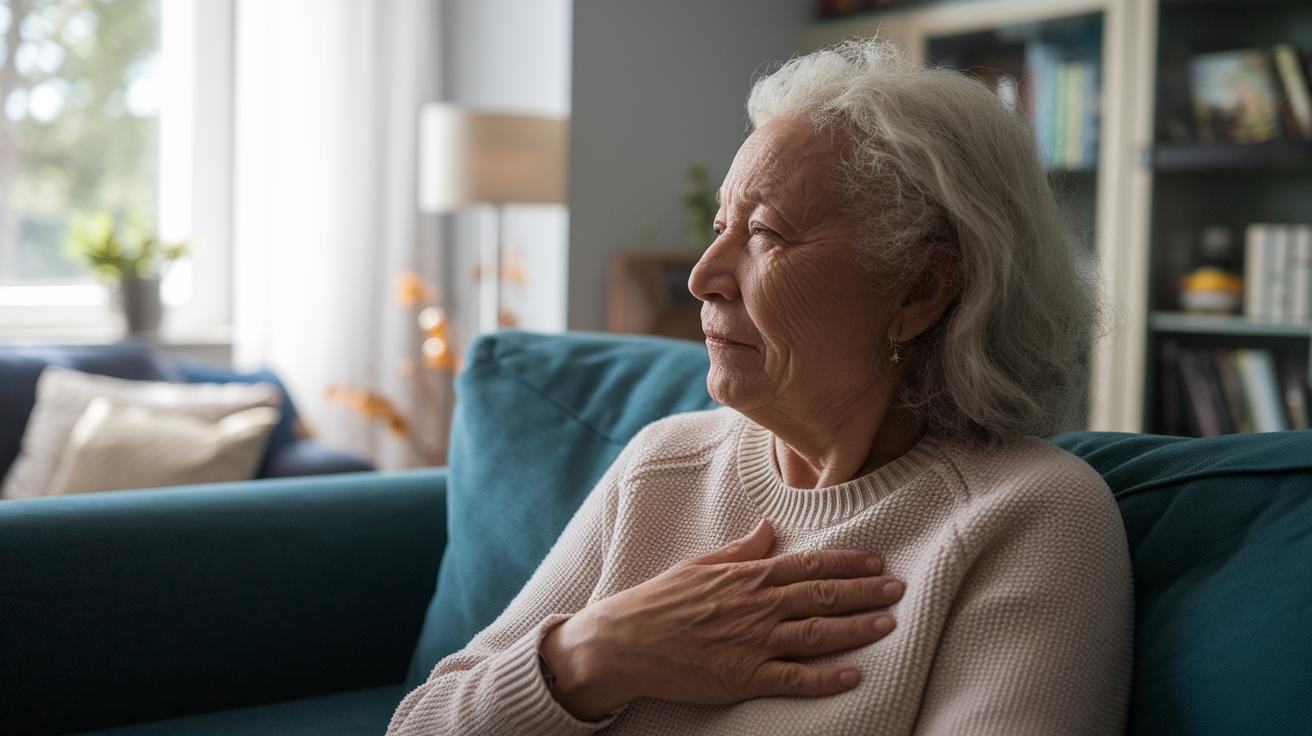
Quick take: Mild chest tightness can often be eased at home with simple steps. Remember: if you have severe pain, trouble breathing, feel faint, or the discomfort spreads, call emergency services immediately.
If you have any emergency signs, call emergency services now:
- Severe chest pain
- Shortness of breath
- Fainting or lightheadedness
- Pain that spreads to your arm, neck, or back
These at-home strategies help ease mild chest tightness when anxiety or other non-dangerous causes are to blame. They may also promote overall heart comfort and add calm to your daily routine.
• Deep breathing: Sit comfortably. Breathe in slowly through your nose for about 4 seconds, hold for 2 seconds, and then exhale gently through your mouth. This helps relax your chest muscles.
• Adjust your posture: Keep your back straight and your shoulders relaxed. Good posture can open your chest and improve your breathing.
• Stay hydrated: Drink plenty of water. Being well-hydrated might reduce muscle tension that can add to the tight feeling.
• Take brief walks: A short walk around your home or neighborhood can help relieve stress and boost circulation.
• Try guided relaxation: Use mindfulness or meditation recordings to calm your mind and ease physical tension.
• Change your eating habits: Eating smaller, balanced meals and avoiding foods that trigger acid reflux (a burning feeling when stomach acid flows back into your throat) can help reduce chest discomfort.
Incorporate these simple steps into your routine when you notice mild chest tightness. Track your symptoms and note what helps or makes them worse. If your discomfort lasts or grows, reach out to your healthcare provider.
Routine Follow-Up and Prevention of Episodic Chest Tightness
Quick take: Regular check-ups and smart lifestyle choices can help spot any serious heart issues early.
If you notice these signs during chest tightness, call emergency services immediately:
- Severe chest pain or pressure
- Difficulty breathing or shortness of breath
- Feeling dizzy or faint
Every time you experience chest tightness, even if it lasts only a few minutes, you should get checked by your doctor to rule out any dangerous problems. Your doctor might suggest some blood tests to check your cholesterol, thyroid (a gland that helps control energy), vitamin D, and even certain tumour markers. These tests give a clear picture of your overall health and can catch small changes before they become big issues.
Making a few healthy changes in your daily life can also reduce the chance of getting chest tightness again. If you smoke, consider quitting because this helps improve your blood flow and lowers inflammation. Adding regular, moderate exercise can strengthen your heart and improve your lung power. Simple stress-relief techniques like deep breathing, mindfulness, or even a short walk can help keep anxiety in check. When you combine these healthy habits with regular doctor visits, you build a strong base for long-term well-being and cut down on the risk of future episodes.
Final Words
In the action, we explored what occasional chest tightness might mean and reviewed key causes from heart issues to anxiety. We covered red-flag signs that require urgent care and simple at-home tips to monitor symptoms safely.
Your checklist and tracker can help you spot trends and provide useful details for your clinician. Stay informed, take practical steps, and reach out for help if symptoms worsen. Stay positive and proactive about your health.