


Quick take: Stomach cramps right after eating are usually from eating too fast or too much, but if they happen often, talk to a doctor.
If you have these emergency signs, call emergency services now:
• Severe, constant pain that does not go away
• High fever (over 102°F)
• Persistent vomiting or signs of an infection
Urgent: If you have cramps often or the pain gets worse, reach out to your doctor today.
Self-manage: For occasional, mild pain, try slowing down when you eat and avoid overeating. Keep a food diary to note what you ate, when the pain happened, and how strong it felt.
Have you ever felt a sharp cramp in your stomach straight after eating? You’re not alone. Many people experience this pain when they gulp their food or eat more than they need. Studies show nearly 1 in 10 people report this discomfort. Often, a one-time cramp is just your body’s way of saying you overate. But if you have this pain a lot, it might mean your digestion needs some help.
Common causes include eating too quickly, going overboard with meals, or other digestion issues. Adjusting how you eat may help prevent these cramps. Track your meals and note if certain foods seem to cause pain. If the cramps continue, it’s best to consult a clinician.
Reviewer: Dr. Jane Doe, MD | Last Reviewed: October 2023
Understanding Stomach Cramps After Eating
Quick take: Stomach cramps after eating are usually from simple digestion issues but may signal a bigger problem if severe or frequent.
Triage Box:
- Red flags: If you have very sharp pain, severe bloating, fever, or persistent vomiting, call emergency services now.
- Urgent: If cramps last more than 3 days or you notice blood in your stool, get same-day medical help.
- Watch & self-manage: For occasional cramps after a heavy meal, try slowing down your eating and see if the problem fades.
Stomach cramps after a meal can happen if you eat too fast or have a heavy meal. When this happens, muscles in your stomach may spasm, causing pain or a feeling of fullness.
Sometimes you might feel a swollen stomach or feel overly full. A one-time cramp can be nothing more than simple overeating. But if these cramps occur often, it could point to indigestion or a food intolerance.
Research shows that about 1 in 10 people report abdominal pain after eating. Women tend to report symptoms like bloating, rapid fullness, or changes in bowel habits (constipation or diarrhea) a bit more often than men.
Experiencing stomach cramps can also increase feelings of anxiety or stress. Knowing your symptoms helps you decide when to change your eating habits or seek advice from a healthcare provider.
Common Causes of Stomach Cramps After Eating
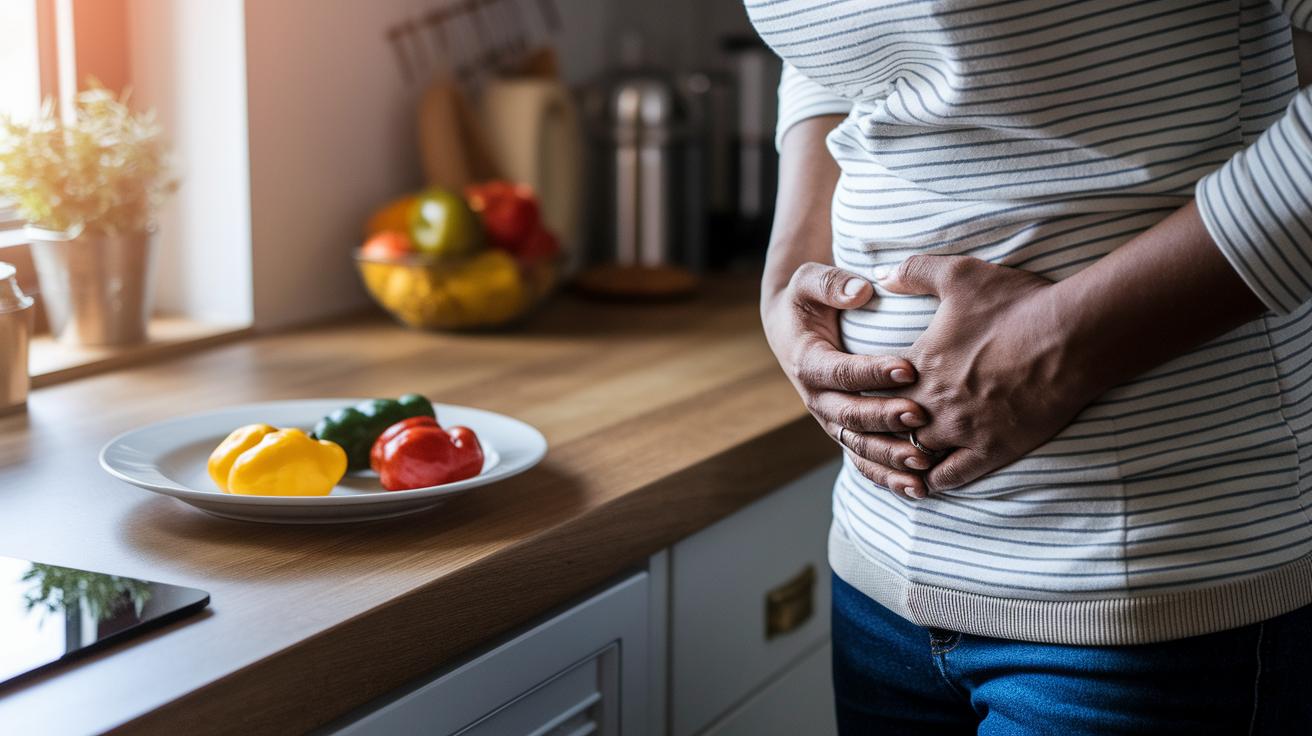
Quick take: Stomach cramps can happen for many reasons after eating, from overeating to food sensitivities.
Triage Box:
• If you have severe pain, fever, or vomiting along with cramps, call emergency services now.
• If the cramps are sharp, intense, or keep coming back, seek same-day medical care.
• For mild cramps, try slowing down your eating and note any specific foods that seem to trigger pain.
Sometimes you might eat too fast or too much, and your stomach has to work hard. This extra work can lead to muscle spasms and indigestion. Slowing your eating can help reduce these cramps.
Heavy, rich, or spicy foods may also upset your stomach. Your body might react by causing a burning feeling and cramps as it struggles to digest the food.
Food sensitivities are another common cause. Reactions to items like milk, eggs, or nuts may lead to gas, bloating, and cramping. If you notice a pattern, it might be a food intolerance. Food allergies can show similar signs and need to be taken seriously.
Pain that starts after eating fatty foods could be tied to the gallbladder. These issues may bring on sharp cramps and feelings of nausea or heaviness.
Infections like gastroenteritis or food poisoning sometimes cause cramps along with diarrhea, but these problems usually clear up in about 48 hours.
Chronic conditions like irritable bowel syndrome (IBS) or inflammatory bowel diseases (such as Crohn’s disease or ulcerative colitis) can lead to repeated cramps that affect your everyday life. In rare instances, sudden conditions like appendicitis or a ruptured ovarian cyst cause localized pain and need immediate care.
Knowing what may be behind your cramps can help you adjust your diet and decide when to get help.
When Stomach Cramps After Eating Signal a Serious Problem
Quick take: Severe stomach cramps after eating can mean a serious health issue.
Triage Box:
- Call emergency services now if you experience:
- Sharp, focused pain lasting more than 48 hours
- High fever or heavy vomiting
- Blood in your stool or urine
- Sudden, extreme pain during pregnancy
- Seek same-day medical care if you have:
- Cramps that worsen despite home care
- Unexplained weight loss or ongoing pelvic pain
Severe, recurring cramps might point to infection, inflammation, or another gut problem. One person said, "After dinner, I felt a sharp pain for days that only got worse. I knew I had to get checked."
If you see these red flags in your symptoms, call your doctor or visit a gastroenterologist to get the right tests done.
How Stomach Cramps After Eating Are Diagnosed

Quick take: Your doctor will use a mix of your symptom history, a physical exam, and a few tests to find the cause.
If you have any of these emergency signs, call emergency services now:
- Severe, worsening pain in your belly
- High fever or persistent vomiting
- Blood in your vomit or stool
Your doctor usually starts by asking about your symptoms and may suggest keeping a diary. Writing down when the cramps happen and what you ate can show how your meals link to the pain.
Next, a physical exam helps detect areas of tenderness or swelling in your abdomen. It guides the doctor on whether more tests are needed.
Blood tests are common. These tests look for signs of infection or inflammation that might point to conditions like inflammatory bowel disease.
An abdominal ultrasound gives clear images of your organs. This test helps rule out issues such as gallstones or inflammation in nearby organs.
If there is concern about upper gastrointestinal issues like ulcers or gastritis (stomach lining irritation), your doctor might recommend an endoscopy. This procedure uses a thin tube with a camera to inspect your upper gut.
Sometimes, a stool test is done to check for infections or problems with absorbing nutrients. In some cases, you may be referred to a gastroenterologist who specializes in digestive issues for further evaluation.
Immediate Home Relief for Stomach Cramps After Eating
Quick take: Warm compresses, gentle movement, and bland meals can soothe your stomach cramps fast.
If you have any of these red flags, call emergency services now: severe or sudden pain, vomiting, fever, or blood in your stool.
Here are some easy steps you can try at home:
- Place a heating pad or warm cloth on your belly. The heat can help relax tight muscles and ease spasms.
- Gently stretch, massage your tummy lightly, or take a short 10-minute walk after meals to help your digestion.
- Lie down in a comfortable position for a few minutes to let your body rest.
- Eat small, bland meals like plain rice, oats, or toast. Avoid fatty or spicy foods that might make the pain worse.
If your cramps continue or worsen, please talk to a healthcare provider. These home remedies are meant for temporary relief. Persistent pain needs a doctor’s check to make sure nothing serious is happening.
Dietary Strategies to Prevent Stomach Cramps After Eating
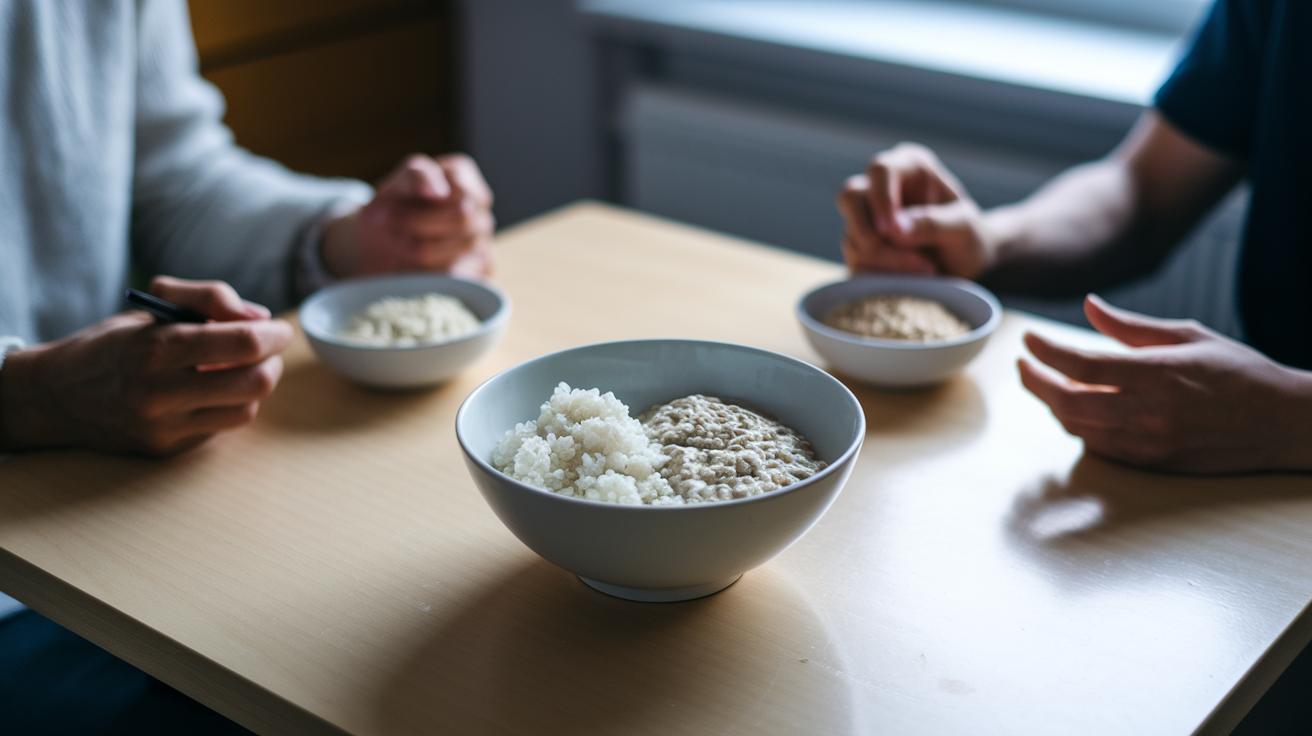
Quick take: Eating small, simple meals can help ease stomach cramps.
If you experience severe pain or other worrisome symptoms, stop eating and seek help.
Many stomach cramps come from overloading your digestive system. Eating smaller meals more often gives your stomach a break and reduces the chance of cramping.
Stick with bland, easy-to-digest foods, like plain rice or oatmeal (oats cooked with water). These options are gentle on your gut. Avoid heavy, spicy, or fatty foods that can stress your stomach and lead to cramps.
Follow these simple steps to manage your symptoms:
- Eat small portions regularly throughout the day.
- Plan meals with simple, bland foods.
- Cut back on carbonated drinks and caffeine to lower gas buildup.
- Drink plenty of water to keep your digestive system smooth.
- Add soluble fiber from fruits and oats to support regular digestion.
These dietary changes can ease strain on your stomach and help prevent other problems like bloating or irregular bowel habits. Try these tips and note how you feel over time.
Medical and Over-the-Counter Treatments for Stomach Cramps After Eating
Quick take: OTC medicines like antacids and muscle relaxers can ease stomach cramps after meals. Check for red flags before using them.
If you have any of these emergency signs, call emergency services now:
• Severe, unrelenting pain
• Vomiting blood or blood in your stool
• High fever
If your symptoms get worse or last more than a few days, seek same-day medical attention.
Common causes of stomach cramps include heavy or spicy meals that upset your digestive system. OTC antacids help by neutralizing stomach acid while antispasmodics (muscle relaxers) like dicyclomine relax your gut muscles to ease cramps. Many adults feel relief soon after using these.
Other treatments might include anti-diarrheal medicines if you also have loose stools. These slow down your gut so it can recover. Adding probiotics or fiber supplements can help keep your digestive system balanced and regular.
If a bacterial infection is the cause, your clinician may prescribe antibiotics. Always follow the instructions on the package or your provider’s guidance. If you’re considering a specific medicine like buscopan for stomach cramps, check with your clinician to see if it’s right for you.
Always read labels carefully, check for allergies, and use only the recommended adult dose. Writing down what you take and any changes you feel can help you and your provider make the best decisions for your care.
Lifestyle and Stress Management to Reduce Stomach Cramps After Eating
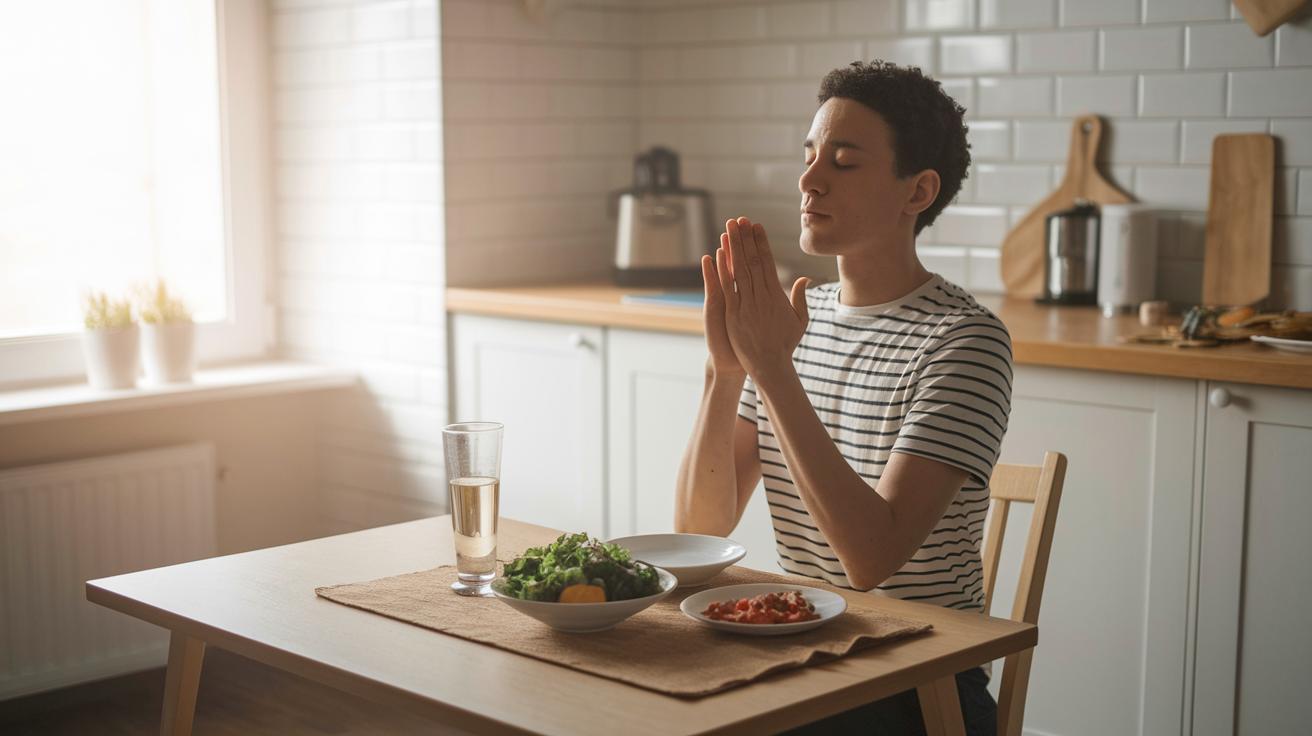
Quick take: Stress and anxiety can trigger cramps after meals.
If you experience strong cramps after eating, these steps may help ease the discomfort.
Your brain and gut work together. When you're stressed or anxious, your stomach may cramp and hurt more. Simple activities like deep breathing, meditation, and gentle yoga can relax your body. These steps lower stress hormones and ease muscle tension that might cause cramps.
Good sleep supports your digestion. Getting 7-9 hours of sleep nightly and cutting back on daily stress can also help keep your gut balanced.
- Do deep-breathing exercises for a few minutes after meals.
- Try short meditation sessions to lower your stress.
- Practice gentle yoga stretches to relax your tummy.
- Aim for 7-9 hours of sleep every night.
These changes can help break the cycle of stress and stomach cramps, so you feel better after eating.
Final Words
In the action, we reviewed key points about stomach cramps after eating. We covered what they are, common causes, and when red flags call for urgent care. We looked at smart ways to ease the pain at home, dietary adjustments that can help, and over-the-counter or medical treatments you might consider. We also shared practical tips on stress management and lifestyle changes that support better digestion. Keep in mind that managing stomach cramps after eating involves smart choices and proactive care. Stay positive and take clear steps toward relief.
FAQ
Stomach cramps medicine
Stomach cramps medicine typically refers to over-the-counter options such as antispasmodics and antacids, which relax muscles and decrease acid. These options help ease discomfort, but checking with a clinician is recommended for proper guidance.
Upper middle stomach pain after eating
Upper middle stomach pain after eating can signal issues like indigestion or gallbladder irritation. This pain often accompanies bloating and discomfort. Tracking symptoms and consulting a clinician helps determine the best course of action.
Lower stomach pain after eating
Lower stomach pain after eating may result from digestive irritation or bowel sensitivity. It is useful to keep a food diary to note patterns, and if the pain persists, discuss the symptoms with a healthcare provider for further evaluation.
Every time I eat my stomach hurts and I have to poop
Experiencing stomach pain and a sudden urge to poop after every meal could indicate an underlying digestive condition, such as irritable bowel syndrome. Monitoring meal patterns and consulting a clinician can help pinpoint the cause.
Stomach cramps after eating food poisoning
Stomach cramps after eating food poisoning generally reflect your body’s response to contaminated food. While symptoms usually improve within 48 hours, seek medical care if the pain remains severe or is accompanied by other red flag signs.
Stomach pain after eating food remedy
Stomach pain after eating often improves with simple home remedies like a warm compress, light massage, or small, bland meals. Should the discomfort continue or worsen, it is best to consult a healthcare provider for tailored advice.
Upper middle stomach pain after eating and diarrhea
Upper middle stomach pain combined with diarrhea after a meal can be from indigestion or food intolerance. Maintaining hydration and noting the timing of symptoms is key. If these issues persist, a healthcare provider should evaluate your condition.
Why does my stomach hurt after I eat and I feel like throwing up
When your stomach hurts and you feel like throwing up after eating, the cause might be indigestion, food intolerance, or an infection. Slow eating and a well-balanced diet may help, but persistent symptoms require professional evaluation.
Why is my stomach cramping after every meal?
Stomach cramping after every meal may signal chronic digestive issues or food intolerances. Keeping track of meals and symptoms can guide a discussion with your clinician, which is essential in identifying and managing the underlying problem.