
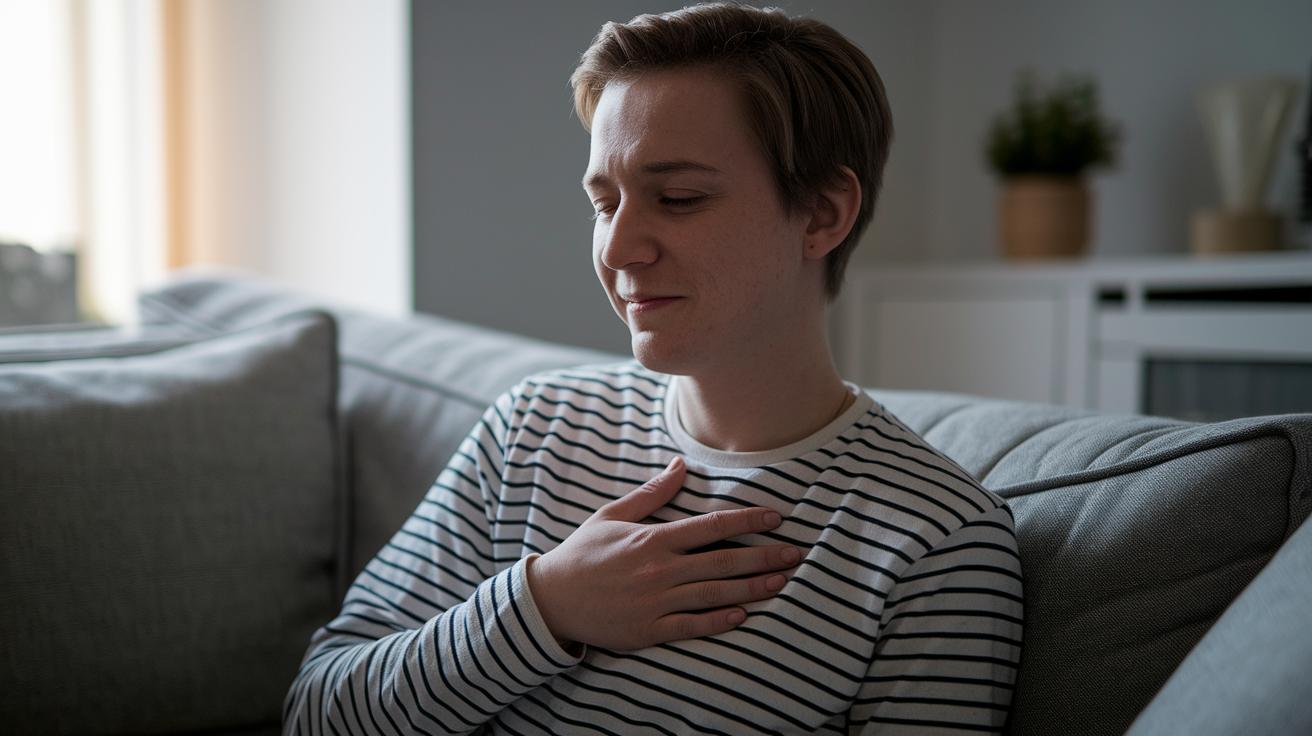

Stress can make your chest feel very tight. When you feel stressed, your body releases hormones like adrenaline (a chemical that speeds up your heart rate). This reaction causes your chest muscles to squeeze, creating pressure. Knowing how stress affects your body can help you calm these signals. In this article, you'll find simple ways to ease that tight feeling so you can feel more relaxed every day.
Stress-Induced Chest Tightness: Can Stress Really Trigger That Pressure?
Quick take: Stress can make your chest feel tight by releasing hormones that prepare your body for action.
If you have any of these emergency signs, call emergency services now:
- Pain that is very strong or lasts more than 10 minutes.
- Pain that spreads to your jaw, shoulders, or arms.
- Any sign that seems unusual or worsening.
When you're stressed, your body releases hormones like adrenaline and cortisol. These hormones start your fight-or-flight response, which makes your heart beat faster and your blood pressure go up. This surge makes your muscles, including those in your chest, contract, causing a dull, tight ache. This chest tightness usually appears fast and fades in about 10 minutes.
On the other hand, heart attack pain feels very strong, builds up slowly, and may spread to your jaw, shoulders, or arms. If your chest pressure is mild and linked to stress, it is likely from anxiety. But if the pain is severe or does not go away quickly, you should get checked by a doctor to rule out a heart problem.
Think of it like a car engine revving too high. The stress hormones rev you up, making your chest muscles tighten and create that familiar pressure.
The Physiological Mechanics Behind Stress-Related Chest Tightness

When you feel stressed, your body makes hormones like adrenaline and cortisol. These hormones raise your heart rate and blood pressure. They also cause your muscles, including those in your chest, to tighten quickly. This reaction helps your body get ready for quick action and can lead to symptoms like sweating and shortness of breath.
Your anxious thoughts can add to this tightening. When you feel overwhelmed, your brain sends extra signals that boost the release of stress hormones. This extra boost makes your chest muscles stay tight, creating a loop where your mind and body work together to make the discomfort feel worse.
Thankfully, these effects come on quickly and fade as your stress lowers. Simple stress management techniques may help break this cycle and ease the tightness in your chest.
Differentiating Stress-Induced Chest Tightness from Cardiac Chest Pain
When you feel chest tightness from stress, it often feels like a steady, dull pressure right in the middle of your chest. This pain is usually fixed in one spot, almost like a tight band that stays in place. In contrast, pain from heart problems can spread out, reaching your jaw, shoulders, or arms.
Stress-related chest pain tends to hit you suddenly and usually fades away in about 10 minutes. On the other hand, heart-related pain often starts slowly and can get worse over time, much like a warning alarm that grows louder.
You might also notice different symptoms with each type of pain. With stress chest tightness, you could experience a fast heartbeat, light sweating, or a bit of breathlessness. However, if your pain is heart-related, you might also feel nausea, heavy sweating, or a very strong, rapid heartbeat.
- Stress-induced chest tightness: centered pain, sudden start, mild breathlessness, light sweating
- Cardiac pain: gradual start, spreading pain, nausea, heavy sweating, strong palpitations
Common Psychological Triggers and Early Warning Signs of Stress-Induced Chest Tightness

When stress builds up, your body sends warnings through physical signs. Pressure from work, tests, public speaking, money worries, or relationship problems can spike your anxiety and make your chest feel tight.
Soon, you might feel restless, irritable, or notice tight muscles across your chest. You may also have shortness of breath with a lingering worry. These are early signals your body uses to alert you to rising stress.
Keep an eye out for these signs:
- Feeling restless or irritable
- Tight chest muscles
- Shortness of breath paired with worry
- A sense of pressure or tightness
Spotting these signals early is a key step to managing your stress. When you notice them, try to adjust your routine or use calming techniques. If these feelings worsen or bother you, consider reaching out to a trusted friend or clinician.
Immediate Self-Care Strategies to Relieve Stress-Related Chest Tightness
Quick take: If your chest feels tight from stress, try these easy steps to calm your body.
Triage Box:
• If your chest pain feels very severe, spreads to your arm or jaw, or you have trouble breathing, call emergency services now.
• If the pain lasts more than a few minutes or is accompanied by sweating or dizziness, seek urgent medical help.
• If your symptoms are mild and linked to stress, try these self-care tips.
Stress can sometimes make your chest feel tight and heavy. Here are seven clear steps that can help lower your stress and ease chest tightness:
• Breathing Exercises: Try box breathing or pursed-lip breathing. For box breathing, breathe in slowly for 4 seconds, hold for 4 seconds, breathe out for 4 seconds, and pause for another 4 seconds. With pursed-lip breathing, breathe in through your nose and exhale slowly through almost closed lips. Both help lower adrenaline (a stress hormone) and calm your chest.
• Journaling: Write down your thoughts when stress peaks. This can clear your mind and help break the cycle of anxious feelings.
• Good Sleep: Aim for 7 to 9 hours of sleep each night. A full night’s rest helps lower stress hormones and gives your body a chance to recover.
• Regular Exercise: Go for a brisk walk or do some light cardio. Exercise releases endorphins (natural mood boosters) and helps keep your heart steady.
• Mindfulness Meditation: Sit quietly and focus on your breath. This practice brings you into the present moment and eases racing thoughts.
• Progressive Muscle Relaxation: Slowly tense and then relax each muscle group. Focus on easing the tension in your chest to help it feel less tight.
• Professional Guidance: Work with a mental health professional who can tailor a plan just for you. They can suggest ways to handle both your anxious thoughts and physical symptoms.
Red Flags: When Stress-Related Chest Tightness Needs Emergency Attention
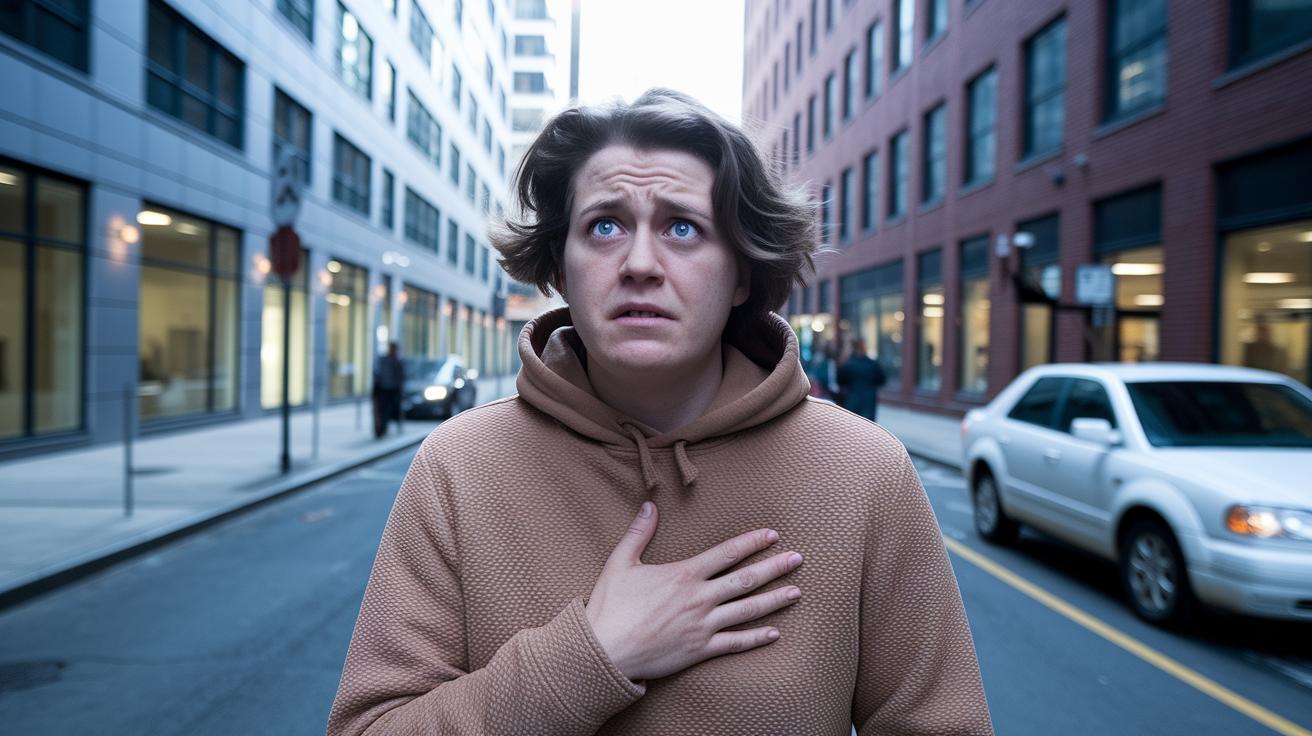
If your chest tightness lasts more than 3 minutes or gets worse quickly, it could be serious.
If you experience any of these symptoms, call emergency services immediately:
• Chest pain that spreads to your jaw, shoulder, or arm
• Heavy sweating, dizziness, nausea, or fainting
• Severe shortness of breath that does not improve even with rest
Stress can cause chest pressure from tight muscles. However, if the symptoms appear quickly or last longer than a few minutes, it might be a sign of a heart problem.
For example, if you feel chest tightness during a stressful moment and then the pain spreads to your arm with lightheadedness and sweating in just a few minutes, don’t wait, get help right away.
Diagnosing Chest Tightness: Cardiac Tests vs. Anxiety Assessment
Quick Take: Chest tightness can come from heart issues or stress.
If you have severe pain, trouble breathing, or feel faint, call emergency services immediately.
When you feel chest tightness, doctors first want to rule out a heart problem. They often use tests like an EKG/ECG (a test that records your heart’s electrical activity) or a carotid ultrasound (an exam that checks blood flow in your neck). They may also do a nuclear stress test to see how your heart works when it’s under pressure. Sometimes, a Holter or event monitor is used to track your heartbeat for a day or more. If these tests look normal, they might ask you to see a heart specialist for more details.
If your heart tests turn out normal, the chest tightness may be caused by anxiety or stress. In that case, your doctor might suggest a mental health evaluation. You can have a virtual session with a psychiatrist (a doctor who specializes in mental health) who can manage medications if needed. Alternatively, a therapist can offer counseling to help you manage anxious thoughts and muscle tension.
Mental health visits generally last around 60 minutes. This extra time helps your provider understand how anxiety is affecting you and creates a treatment plan that fits your needs. Before starting any assessments, check with your insurance to make sure they cover the visit. This two-step process gives both you and your doctor a clearer idea of the best treatment path for your chest tightness.
Long-Term Stress Management Techniques to Prevent Chest Tightness

Quick take: When stress makes your chest feel tight, calm your body right away and build habits that lower stress long term.
Triage box:
- If you feel severe chest pain, shortness of breath, dizziness, or if your symptoms badly worsen, call emergency services now.
- If your symptoms persist or get more intense, seek same-day medical care.
- For mild symptoms, use self-care and monitor your condition.
Immediate Self-Care Tips:
When stress leads to chest tightness, try these simple steps:
• Breathe deeply. Inhale slowly through your nose and exhale steadily through your mouth. This can help reset your system.
• Spend a few minutes in mindfulness meditation.
• Practice progressive muscle relaxation by tensing your muscles briefly and then slowly releasing them.
• Write down your thoughts in a journal to clear your mind.
• Go for a brisk 20-minute walk to help your body relax.
Long-Term Lifestyle Changes:
To manage stress over time and prevent chest tightness, build these habits into your everyday routine:
• Work with a mental health professional to try talk therapy (cognitive-behavioral therapy) that helps reshape anxious thoughts.
• Include regular mindfulness meditation sessions in your schedule.
• Make exercise a habit by choosing activities like walking, jogging, or other aerobic moves.
• Add yoga or tai chi to your routine to boost balance and calm your nerves; practicing 2-3 times a week can be very beneficial.
• Keep a consistent sleep schedule (7-9 hours a night) to help control stress hormones.
• Follow a balanced diet and drink plenty of water to support overall health.
• Consider, under professional advice, using adaptogens like ashwagandha to help your body manage stress.
These steps offer quick relief and set the stage for a healthier, less stressful life that can lower the chance of stress-related chest tightness.
Final Words
In the action, we explored how stress and chest tightness can be linked through hormone reactions and muscle tension. We examined ways to tell stress-related discomfort apart from heart issues and offered simple self-care steps and checklists for monitoring symptoms. You learned practical strategies to ease pressure and when to seek urgent help. Breathe deeply, track how you feel, and take control of your health. Stay hopeful and remember small steps today can lead to a calmer tomorrow.
FAQ
How to relieve chest tightness from anxiety?
Relieving anxiety chest tightness involves using deep breathing, progressive muscle relaxation, and mindfulness to help calm the nervous system and ease muscle tension in the chest.
Can anxiety cause chest pain every day?
Anxiety can cause chest pain daily for some individuals through ongoing muscle tension and stress responses. This discomfort is usually intermittent and not constant, though tracking symptoms can help assess patterns.
How does musculoskeletal chest pain from anxiety present?
Musculoskeletal chest pain from anxiety typically feels like a localized, dull ache in the chest caused by tight chest muscles. This pain may worsen with movement or physical strain.
What does chest pain from stress feel like?
Chest pain from stress often feels like a sudden, uncomfortable tightness or dull ache centered in the chest. It can be accompanied by shortness of breath and eases within about 10 minutes.
Where is anxiety chest pain typically located?
Anxiety chest pain is usually located in the center of the chest. In contrast, heart pain may radiate to the jaw, shoulder, or arm, helping differentiate between the two.
How long does anxiety chest pain last, and can it persist for weeks?
Anxiety chest pain typically lasts around 10 minutes during an episode. It seldom continues for weeks unless a secondary condition is present, so persistent symptoms warrant a medical evaluation.
Is chest pain from anxiety dangerous?
Chest pain from anxiety is usually not dangerous but should be monitored. If pain is severe, persistent, or accompanied by red flags such as radiating pain or breathlessness, seek urgent medical help.
Can stress cause tightness in your chest?
Stress causes the release of adrenaline and cortisol, which can constrict chest muscles. This reaction may result in a feeling of tightness in the chest linked to your body’s fight-or-flight response.
What are the symptoms of cardiac anxiety?
Cardiac anxiety often includes chest discomfort, palpitations, shortness of breath, sweating, and persistent worry about heart problems. These symptoms overlap with other issues, so proper evaluation is important.
Does cortisol cause chest tightness?
Cortisol, a stress hormone, can contribute to chest tightness by increasing muscle tension and heightening the body’s stress responses, leading to discomfort in the chest.