
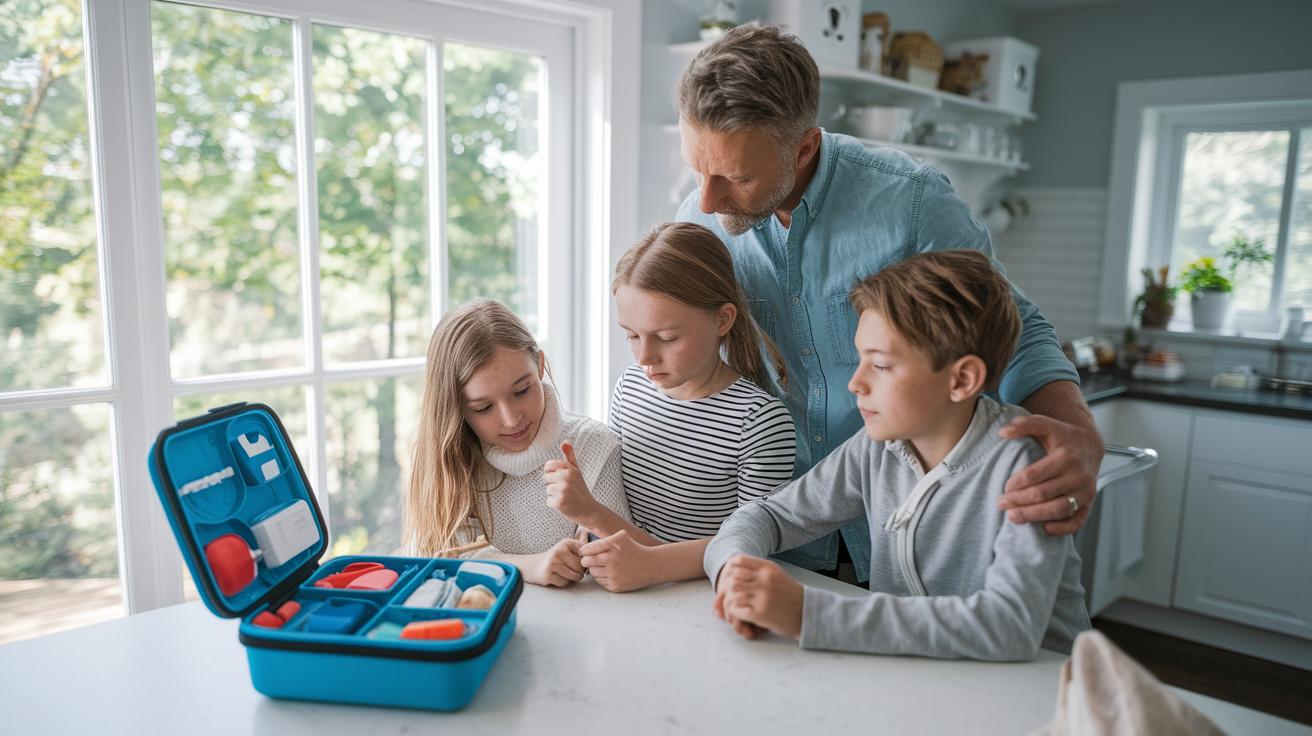

Quick take: A ready first aid kit at home can help you act fast if an accident happens.
If you see any serious signs like heavy bleeding or trouble breathing, call emergency services right away.
Keep a well-stocked first aid kit with bandages, antiseptic wipes, and burn cream so you can treat small cuts, scrapes, and burns until help arrives. Being prepared means you can quickly lower risks and protect your loved ones. Check your kit often and replace used items to stay ready for any unexpected home emergency.
Family First Aid Kit Essentials for Home Emergencies
A home first aid kit is a must-have for every family. It gives you quick help for small injuries like cuts, scrapes, and sprains until more help is available. It means you are ready if an accident happens.
A full kit can lower the risk of complications and may even save a life during sudden emergencies. It helps you handle problems while you arrange for urgent care if the injury is serious. Acting fast with the right supplies can protect your loved ones and stop a condition from getting worse.
- Adhesive bandages
- Sterile gauze pads
- Antibiotic ointment
- Antacids
- Tweezers
- Scissors
- Instant cold packs
- Disposable gloves
- Antiseptic wipes
- Emergency blanket
- CPR mask
- Pain relievers
Store your first aid kit in a cool, dry spot where you can reach it easily, like a hallway closet or pantry. Keep it in a central place so everyone knows where to find it. Use adhesive bandages, gauze, and antiseptic wipes for minor cuts or scrapes. Apply cold packs for bumps or sprains to reduce swelling. For burns or chemical injuries, use antibiotic ointment and call for professional help if needed. Organize each item in labeled compartments so you can quickly grab what you need in an emergency.
DIY Home Safety Kit for Emergencies in a Family First Aid Kit
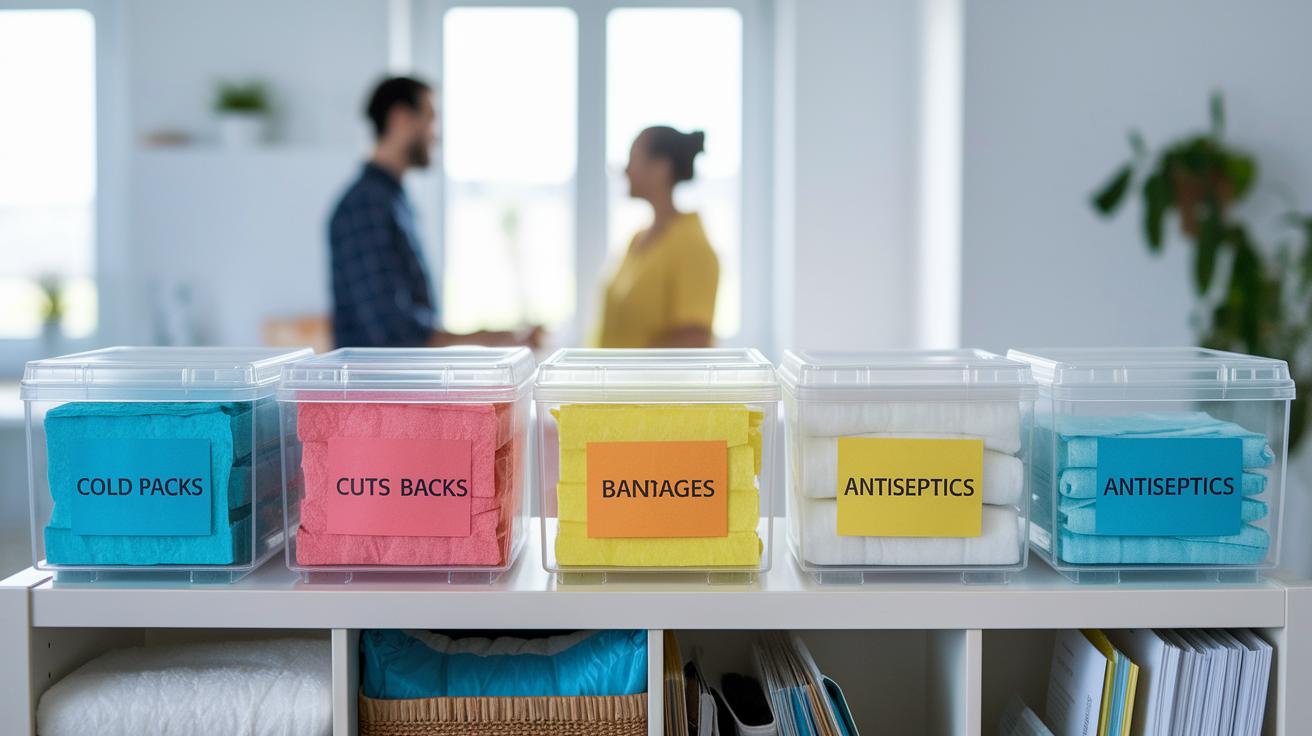
Quick tip: Organize your kit so you can grab what you need fast during an emergency.
When you build your kit, group supplies by what they treat, like cuts, burns, and sprains. Use simple color labels to mark each group. This way, you act quickly and confidently when time counts.
Keep items such as cold packs, bandages, and antiseptics in separate sections. This clear setup lets you grab the right item without delay.
Add extra safety by using childproof caps on medications and by creating pockets for cleaning wipes and alcohol pads. It helps keep things safe and easy to find.
Also, include a printed list with emergency contacts and copies of every family member's insurance info. Having these documents right there is a big help when you need them.
Your well-organized emergency kit gives you peace of mind and helps your family stay safe when it matters most.
Children’s Medical Preparedness in Your Family First Aid Kit
Keep child-specific supplies ready so you can act fast and safely. Kids need special doses for pain relievers and fever reducers because their bodies are still growing. Make sure each item is clearly labeled with child-friendly instructions so anyone caring for them knows exactly what to do.
Kid-Safe Supplies
Fill your first aid kit with supplies made just for kids.
- Use small adhesive bandages meant for little arms and legs.
- Include gentle antiseptic wipes that clean without harsh chemicals.
- Keep treatments for allergies handy.
- Stock pediatric pain relievers and fever reducers in the proper doses.
- Use measuring spoons or syringes so you give the right amount each time.
This careful setup helps prevent infections and lets you manage minor injuries safely. For example, having a small packet of children’s fever reducer can lower a high temperature quickly when needed.
Parental First Aid Skills
It’s very important for you to know basic first aid for your child.
- Practice choking relief (the Heimlich maneuver) so you can help if your child is struggling to breathe.
- Learn how to cool burns fast to ease pain and reduce injury.
- Master the best ways to clean a wound to prevent infections.
These simple skills can mean the difference between a quick recovery and a worsening injury. Store all children’s supplies in a separate, clearly labeled part of your first aid kit. Also, make sure to update important documents like insurance cards, vaccination records, and lists of known allergies in a waterproof sleeve to keep your family safe.
Including Trauma Supplies in Your Family First Aid Kit
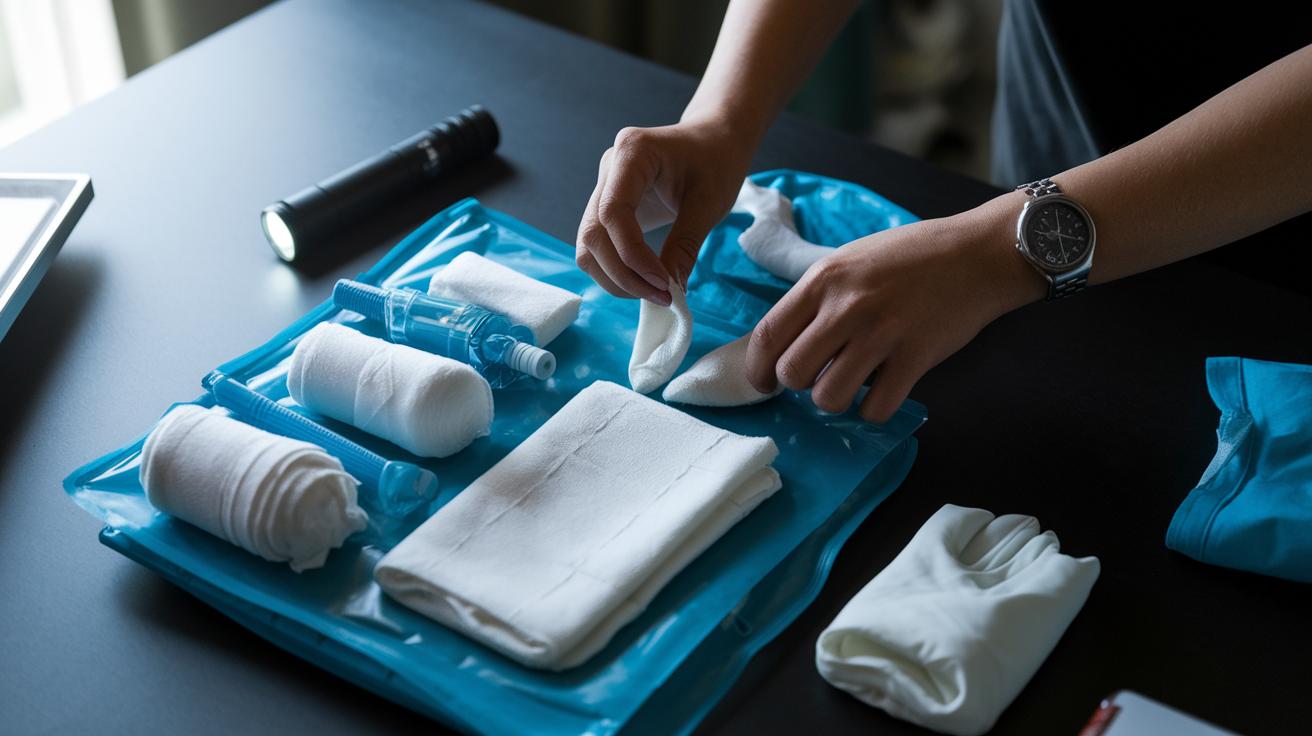
When a serious injury strikes, these supplies can help you control bleeding and keep you safe until help arrives. If you or a loved one suffers a deep cut or heavy bleeding, act quickly by using the items in your kit.
If you have any life-threatening injuries, call emergency services immediately.
Here are some must-haves for your trauma kit:
| Item | Purpose |
|---|---|
| Sterile gauze pads | Help stop bleeding |
| Pressure bandages | Keep dressings in place |
| Trauma shears | Cut clothes or bandages in an emergency |
| Tourniquet | Slow severe bleeding |
| Disposable gloves | Protect you and the injured |
| Pocket CPR mask | Safely perform resuscitation |
Make sure to adjust the quantities based on your family size and lifestyle. For example, if you enjoy outdoor activities, consider carrying an extra tourniquet. Regularly check your supplies every 6 months or after any incident to keep them fresh and reliable.
Maintaining and Reviewing Your Family First Aid Kit
Store your first aid kit in a cool, dry spot like a hallway closet or pantry. Keeping it in a clear, easy-to-find place helps everyone grab it quickly during an emergency. This simple step makes sure you’re always ready when time is critical.
Review your kit every month. Write the date of your check, mark off any items that are used or expired, and note what you need to replace. A basic maintenance log shows you what was updated and when. This regular check is key for staying ready during home emergencies.
After outings like camping or simple home repairs, review your kit again. If you used any supplies, replace them right away. A fully stocked kit means you’re always prepared. Regular checks and prompt restocking show your strong commitment to your family’s safety.
Final Words
In the action, this guide detailed how a family first aid kit keeps your household ready for unexpected incidents. It reviewed vital supplies for minor cuts, serious injuries, and child-safe treatment while offering tips to organize, label, and regularly review your kit’s contents. The post highlighted practical steps to reduce complications until professional care is available. Stay prepared and confident, knowing these clear, actionable insights help you protect those you care about.
FAQ
Q: What should be in a family first aid kit?
A: The family first aid kit should include adhesive bandages, sterile gauze pads, antibiotic ointment, antacids, tweezers, scissors, instant cold packs, disposable gloves, antiseptic wipes, an emergency blanket, a CPR mask, and pain relievers to manage minor and some serious injuries until professional care is available.
Q: What is the best home first aid kit?
A: The best home first aid kit is a well-stocked, easy-to-access kit that meets your family’s needs with essential supplies, proper storage, and regular checks on expiration dates to ensure readiness for emergencies.
Q: Can I get a first aid kit for free?
A: Some community centers and local health departments offer free first aid kits. Check with local organizations or Red Cross chapters to see if they provide kits at no cost to eligible residents.
Q: What are the 3 C’s of first aid?
A: The 3 C’s of first aid are check your patient, call for help, and care appropriately. This means quickly assess the situation, seek professional help if needed, and provide immediate treatment safely.