


Quick take: Simple habits can boost your confidence every day.
Your daily routine might be missing a few easy steps. A basic hygiene checklist can make a big difference. It’s not just about fighting germs, it also lifts your mood. In this guide, you’ll learn simple ways to care for your body. Start by washing your hands before meals. Brush your teeth every morning and night. Follow these easy tips to keep your skin fresh, your hair neat, and your spirit high.
personal hygiene checklist: Radiate Everyday Confidence
This simple checklist helps you stay clean and feel confident all day.
• In the morning, wash your hands well with soap and water before you eat to keep germs away.
• Brush your natural teeth with dentist-approved toothpaste. Cover every surface to clear away buildup. Do this once in the morning and once at night. Floss once a day to remove any stuck food.
• Gently wipe your face and neck with a soft, damp cloth to take away dirt. This helps keep your pores clear and your skin feeling fresh.
• Comb your hair to tidy up your look and help spread your natural oils, which protect your scalp from dryness.
• Take a daily shower or bath using mild soap. This cleans your skin and removes bacteria that can cause infections or bad smells.
• After your bath, apply a hypoallergenic and fragrance-free moisturizer on your arms, legs, and face. This locks in moisture and helps prevent irritation.
• In the evening, wash your hands again before eating or after using the restroom. Keeping your hands clean is important for your overall health.
• End your day with a light tooth brush before bed to make sure your oral care stays on track.
• Print out this checklist and mark each task off as you complete it. Tracking your routine helps you stay confident and healthy.
Weekly and Monthly Hygiene Maintenance Schedule
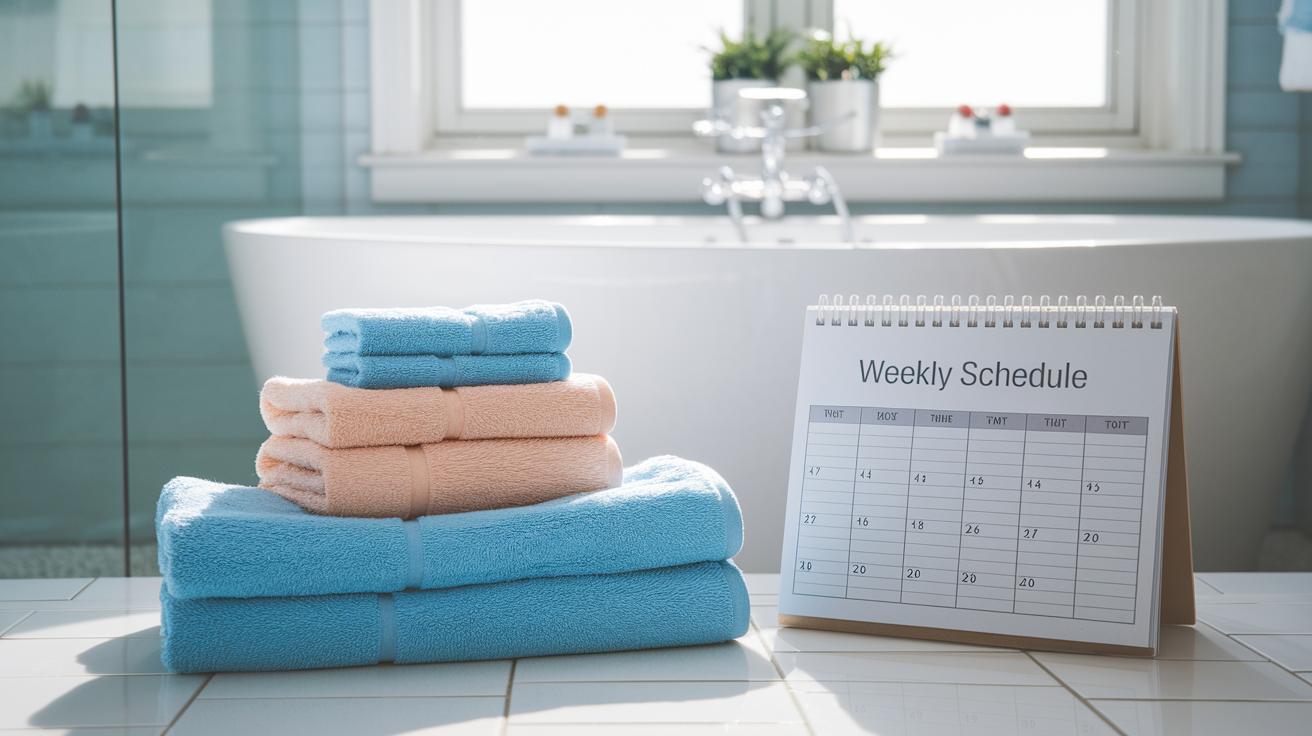
Keeping up with hygiene helps you feel safe and healthy. Here’s a simple schedule that tells you what to do and when.
| Task | When to Do It |
|---|---|
| Wash your hair | At least once a week or as needed |
| Change or wash towels, bedding, and linens | Every 48 hours |
| Trim your nails | Once a week |
| Use gentle moisturizers | Once a month or when the weather is cold/dry |
| Schedule professional services (like dentist visits) | Monthly or as advised by your doctor |
• Mark your hair-washing day on your calendar to build a routine.
• Plan laundry days to make sure you change towels, bedding, and linens every 48 hours.
• Set a weekly reminder to trim your nails to keep them neat and stop dirt buildup.
• When you use moisturizers, pick a fragrance-free, gentle product, especially in dry or cold weather.
• Use digital reminders or a printed schedule for keeping track of professional visits following your doctor’s advice.
Using a printed checklist or digital tracker can help you stay on top of these tasks, keep your living space comfortable, and lower your chances of infections and skin irritations.
Core Personal Hygiene Practices
Oral Care
Taking care of your mouth helps keep cavities, gum pain, and bad breath at bay while lowering infection risk. Try these steps:
- Brush your teeth twice daily with dentist-approved toothpaste. This clears away plaque and keeps your breath fresh.
- Floss every day to remove food and plaque that the brush misses.
- Replace your toothbrush every 3 months. Fresh bristles work best.
- Use a soft-bristled brush to lessen irritation on your gums.
- If your gums feel sensitive, use an alcohol-free mouthwash for comfort.
Skin Care
Keeping your skin clean and moisturized builds a strong barrier against irritants and germs. Follow these simple tips:
- Gently pat your skin dry with a soft towel after bathing instead of rubbing hard.
- Immediately after a shower, apply a fragrance-free, hypoallergenic lotion to your arms, legs, and face to lock in moisture.
- Use lukewarm water when bathing because hot water can remove the natural oils that keep your skin soft.
- Choose products safe for sensitive skin to reduce redness and irritation.
Hair Care
Regular hair care helps maintain a healthy scalp and neat hair. Stick to these steps:
- Comb your hair every day with a wide-tooth comb to remove tangles and spread natural oils.
- Wash your hair at least once a week using a mild shampoo to remove oil and dirt.
- If your hair feels dry, use a conditioner to add moisture and shine.
- Avoid using hot water when washing your hair to protect your scalp’s natural moisture.
Clothing, Bedding, and Linen Care in Your Personal Hygiene Checklist
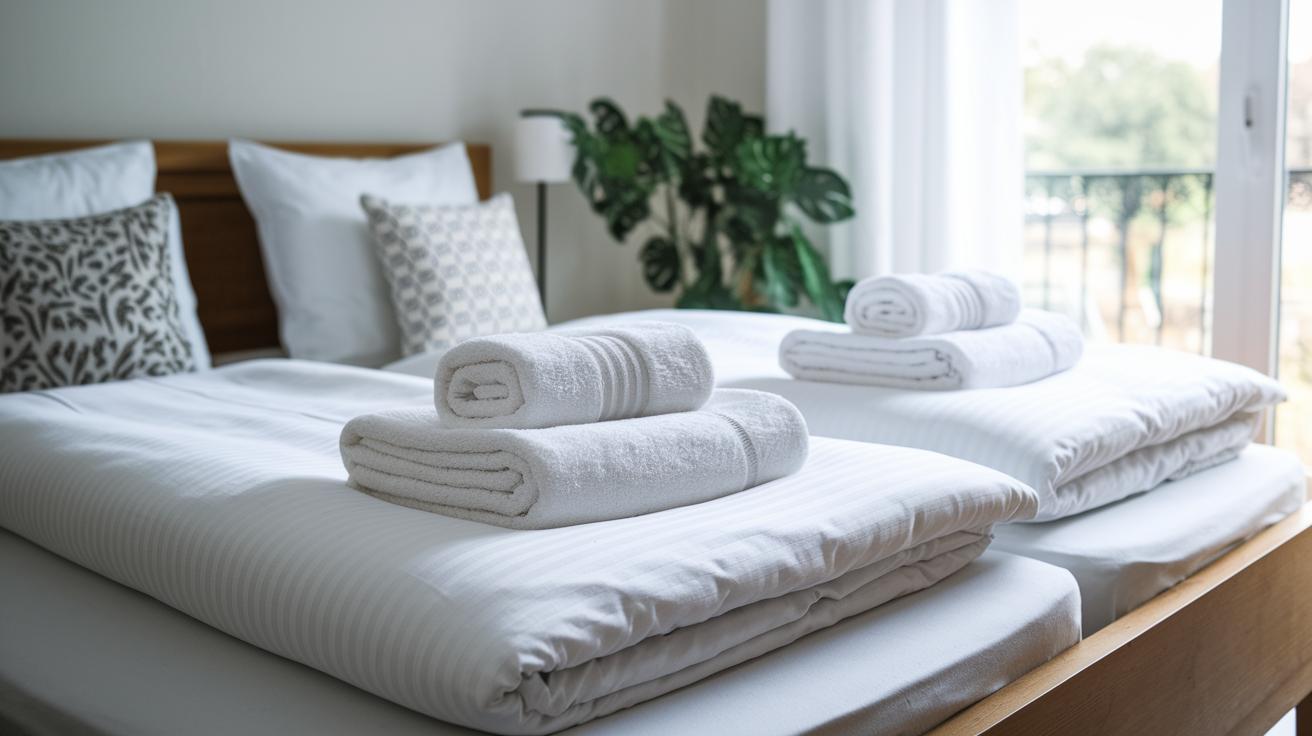
Quick take: Keeping your clothes and linens fresh helps lower the risk of irritation and infections.
-
Change your clothes, bedding, and towels at least every 48 hours. This lowers the buildup of bacteria and allergens so you feel fresh each day.
-
Choose natural fabrics like cotton or linen. These allow air to flow easily, which helps reduce sweat and odors.
-
If you have trouble moving, try adaptive clothing with elastic waistbands or Velcro closures. They make dressing easier and safer.
-
Wash items in hot water when the care label allows it. Hot water helps remove stubborn bacteria and allergens from items that touch your skin a lot.
-
Sort your laundry into different loads. Wash delicate items, such as adaptive clothing, separately from heavy items like towels to keep them in good shape and clean.
-
Set a regular laundry day and mark it on your calendar. This routine ensures your clothes and linens stay clean and reduce the risk of skin irritation or infection.
Safety and Accessibility in Hygiene Routines
When you have limited mobility or are older, keeping safe during your hygiene routine is key. Small changes can prevent falls and skin irritation.
• Put non-slip mats in your shower and near the toilet to cut down fall risks.
• Add grab bars in the shower and beside the toilet so you have extra support.
• Use a shower chair if standing for a long time is hard. It gives you a safe seat.
• Try a hand-held spray tool to make rinsing easier when you have trouble moving.
• Choose soap and lotion that are fragrance-free and hypoallergenic to protect sensitive skin.
• Pick tools and products with good grips to help if your hands are shaky.
• Arrange your bathroom so that the items you use most are easy to reach to cut down extra moves and hazards.
Customizing and Tracking Your Personal Hygiene Checklist

Keep a personal log of your hygiene tasks using a paper or digital tracker. This record helps you spot any missed steps, lower your risk of infections, and support your well-being. For a quick start, set up a simple table with these columns: date, task, completed (yes or no), and notes.
| Date | Task | Completed (Yes/No) | Notes |
|---|
Every three months, take a moment to review your routine. A self-care audit can show you what’s working and what might need a change. Use these steps for your quarterly audit:
- Write down all key hygiene tasks such as handwashing, brushing your teeth, bathing, and skincare.
- Look back at the past 3 months and note how often you completed each task.
- Mark any tasks that were missed or done irregularly.
- Adjust your routine to better fit your daily life.
- Set clear goals for the next three months, like being more consistent or testing a new product.
Customize your checklist so it fits your busy schedule. If you’re a student or have a full work day, change the timing and frequency of tasks as needed. For instance, add extra reminders for washing your hands during flu season or plan for a quick self-check during work breaks.
Here are some easy tips to stay on track:
- Use digital reminders or calendar apps.
- Keep a small notebook or print out your checklist for the bathroom.
- Update your tracker daily.
- Review your audit often to notice patterns and make improvements.
These steps help you maintain a solid self-care routine and build confidence in taking care of your personal hygiene.
Final Words
in the action, we broke down your daily habits into clear steps. You learned how to set up a routine with a personal hygiene checklist that covers morning, evening, and even weekly tasks. The guide explained oral, skin, and hair care, along with tips on clothing and bedding maintenance. It also offered safety tweaks for seniors and adaptations for limited mobility. Use a printable tracker to tailor your routine and monitor progress. Keep up these routines and enjoy the lasting benefits of feeling your best every day.
FAQ
What does a personal hygiene checklist template or PDF include?
The personal hygiene checklist template covers daily tasks such as bathing, handwashing, dental care, grooming, and skin care. It also lists weekly and monthly maintenance steps to help you track your habits.
How do personal hygiene checklists differ for work, students, food industry personnel, adults, and kids?
The checklists differ by role; work and food industry checklists emphasize frequent handwashing and clean clothing, while student and kid checklists focus on simple, guided routines. Adult checklists often include a more comprehensive self-care plan.
What are the essential personal hygiene practices and tips, including the basic, 7, and 10 practices?
The essential practices include daily bathing or showering, regular handwashing, brushing and flossing, skin and hair care, and periodic nail trimming and clothing changes. These steps provide a strong foundation for a healthy routine.