
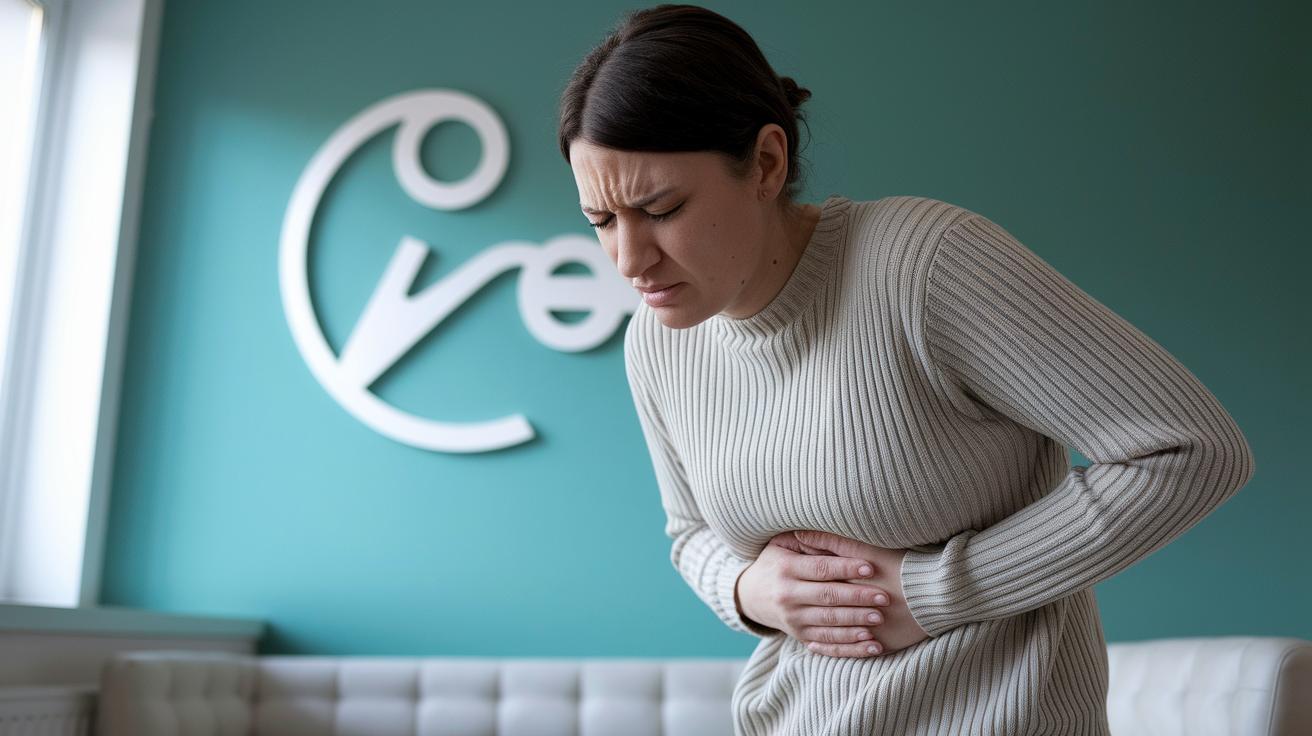

Quick Take: Sudden nausea and stomach cramps may be caused by a stomach bug or food issues, but some signs need urgent care.
If you have any of these emergency signs, call emergency services now:
• Severe, sharp pain that gets worse quickly
• Inability to keep liquids down or constant vomiting
• A high fever (above 102°F)
• Dizziness, fainting, or confusion
If your symptoms aren’t as severe, here are some steps to consider:
• Track when your nausea and cramps start and how long they last.
• Note if the pain is sharp, dull, or crampy.
• Keep a record of any other symptoms such as fever or vomiting.
• Follow basic self-care like resting and staying hydrated.
• Check in with your clinician if symptoms worsen or don’t improve in a few days.
Have you ever felt overwhelmed by a sudden wave of nausea and cramps that stops you in your tracks? These symptoms can be scary, but relief is possible. This guide walks you through common causes, from a stomach bug to issues with food, and helps you decide when to treat them at home and when to reach out for help. Let’s break it down so you can start feeling better soon.
Nausea and Stomach Cramps: Key Causes, Symptoms, and Immediate Actions
Nausea is a queasy feeling that can make you feel like vomiting. It often comes with stomach upset like indigestion, heartburn, gas, or bloating. Stomach cramps are sharp pains from your tummy muscles tightening on their own. These sensations can hit you suddenly and disrupt your day.
If you notice any of these severe signs, such as intense pain, signs of dehydration (feeling very thirsty, passing little urine), or if your symptoms last a long time, contact a doctor right away.
Common causes include:
- Viral infections that lead to stomach flu
- Food poisoning from contaminated food
- Eating too much or too quickly
- Acid reflux or indigestion (discomfort from stomach acid)
- Stress triggering muscle spasms in your stomach
To ease these symptoms, many people take over-the-counter medicines like Dramamine or Pepto-Bismol. These can help calm the queasy feeling and lessen cramps. You can also try sitting in a cool, quiet room, sipping clear fluids, and resting gently until your stomach settles.
Keep track of your symptoms by noting when they start, how long they last, and how severe they are. This simple log can be very useful if you need to see a healthcare professional for further advice.
Primary Causes Behind Nausea and Stomach Cramps
Quick take: Nausea and stomach cramps are common and can come from several causes. Recognizing these signs can help you decide if you need to seek help.
If you have any of these emergency signs, call emergency services now:
• Severe, unrelenting pain
• Blood in your vomit or stool
• A high fever over 101 F
• Signs of dehydration (dizzy, faint, very weak)
Urgent: If your symptoms worsen or you feel very ill, seek same-day medical care.
Watch and self-manage: If your symptoms are mild, rest and sip water while keeping track of how you feel.
Here are four common triggers:
Viral Gastroenteritis
Viral gastroenteritis (stomach flu) happens when a virus attacks your digestive system. You might start feeling unwell in 12 to 48 hours. Common signs include a low fever, body aches, nausea, and cramps. Most people feel much better in 1 to 3 days, even if simple tasks seem hard while you recover.
Food Poisoning
Food poisoning occurs when you eat food that has harmful bacteria. This can trigger a strong reaction within 2 to 6 hours. You may experience sudden, strong cramps and vomiting. Because these symptoms come on quickly and forcefully, it’s important to act fast if you suspect food poisoning.
Indigestion and Acid Reflux
Indigestion, also called dyspepsia (trouble digesting food), can cause your stomach to empty slowly and allow stomach acid to move back up. This may leave you feeling very full after a small meal, with a burning sensation high in the stomach. Nausea often follows soon after eating.
Gas and Bloating
Gas builds up in the intestines and stretches the bowel wall. This can cause sharp cramps and a tight, uncomfortable feeling in your stomach. Burping or passing gas might ease the pressure a bit, but you can still feel overall discomfort.
In short, viral gastroenteritis usually develops gradually with milder cramps, while food poisoning comes on fast with intense symptoms and needs prompt care.
When to Seek Medical Help for Nausea and Stomach Cramps
Quick Take: Call your doctor if your nausea or stomach cramps stop you from eating, working, or if they grow worse in 24 hours.
If you notice that your nausea or stomach cramps keep you from enjoying your daily routine, get help soon. These symptoms should not stop you from eating, working, or doing your normal tasks.
Call emergency services now if you have:
- Severe dehydration with dizziness, very little urine, or intense thirst
- A high fever of 102°F or above
- Blood in your vomit or stool
- Constant, unending pain
Your body may be sending you a clear warning sign. A healthcare provider will ask when your symptoms began and how they are affecting you. They may use blood tests or scans (like X-rays or CT scans) to check your stomach and intestines, and may suggest you see a specialist if needed.
Home Remedies for Nausea and Stomach Cramps
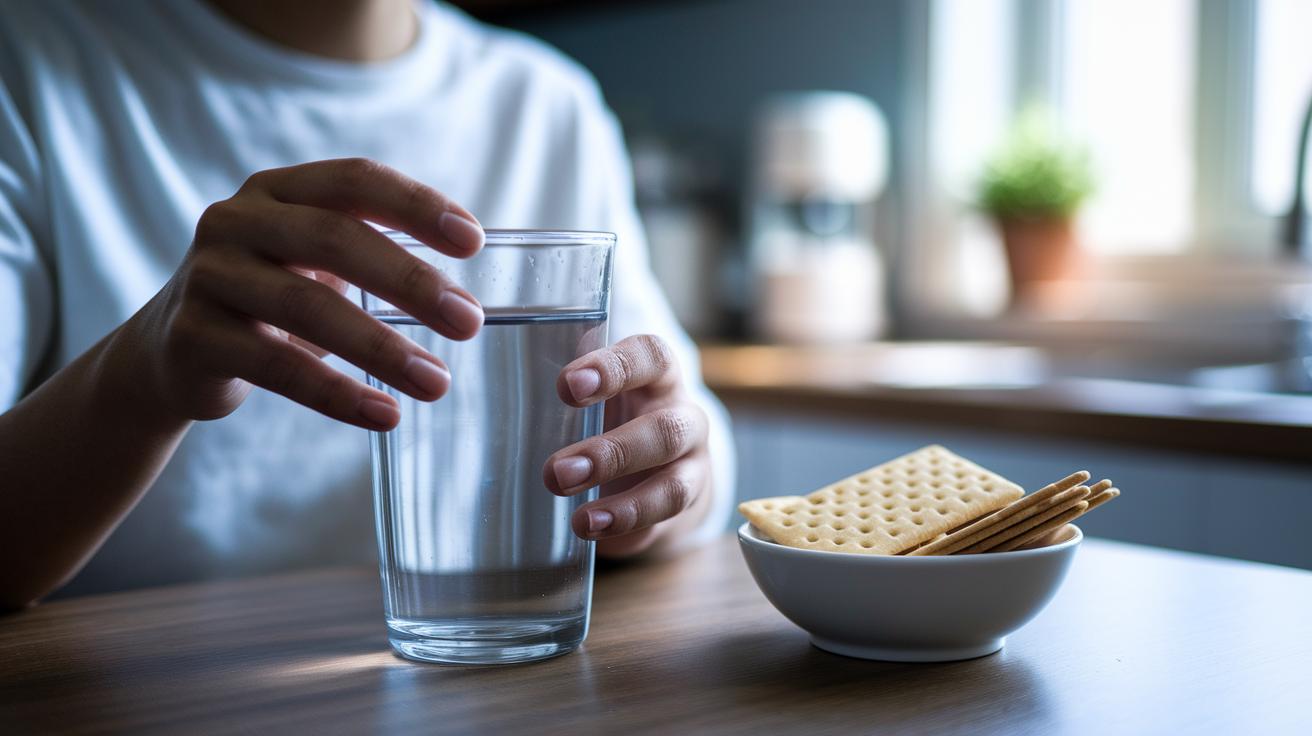
Quick take: Natural methods can ease mild nausea and stomach cramps, but if your pain gets worse or you notice severe symptoms, you should reach out to a doctor.
If you have any emergency signs, call emergency services now:
- Severe, unrelenting pain in your stomach
- Vomiting blood or black, tarry stools
- A high fever above 102 F
If your symptoms worsen or last more than 48 hours, seek same-day medical attention.
When you feel nauseous or experience stomach cramps, using simple home remedies can help soothe your discomfort. These steps are designed to calm your stomach lining, relax tight muscles, and keep you hydrated.
• Sip clear water or an electrolyte broth slowly, aiming for 8 oz per hour.
• Brew ginger tea (1 cup every 2-3 hours) to help ease queasiness with its natural anti-nausea properties.
• Enjoy a warm cup of peppermint tea after meals to ease discomfort and support digestion.
• Use an over-the-counter remedy like Pepto-Bismol as directed on the label for mild nausea.
• Apply a warm compress to your abdomen for 10-15 minutes to relieve muscle spasms and tension.
• Drink light, diluted herbal infusions throughout the day to calm your stomach naturally.
• Eat small amounts of bland foods such as plain crackers or toast about an hour after using these remedies, helping your stomach adjust gently.
Using these strategies together creates a layered approach that not only tackles your symptoms but also supports your overall well-being. If one remedy provides some relief, try another safe method to boost the calming effect and help you feel better sooner.
Dietary and Lifestyle Strategies to Prevent Nausea and Stomach Cramps
For lasting relief, try cutting out foods that upset your stomach. Skip items that cause gas, like beans and fizzy drinks, because they can lead to bloating and cramps. Watch how you feel after meals and avoid foods that trigger discomfort.
Eating large meals or rushing through your food can worsen nausea and heartburn. Instead, opt for smaller portions spread throughout the day. This approach helps lower the pressure on your stomach and stops that heavy, burning feeling in your chest.
Adding soluble fiber (a type of fiber that mixes with water) can improve your digestion. Foods such as oats, apples, or carrots support smooth digestion and may reduce nausea and cramps over time.
It also helps to cut back on stimulants. Try reducing caffeine and steering clear of very spicy foods to lessen stomach irritation and keep your digestive system calm.
Special Situations: Pregnancy and Stress-Related Nausea with Stomach Cramps
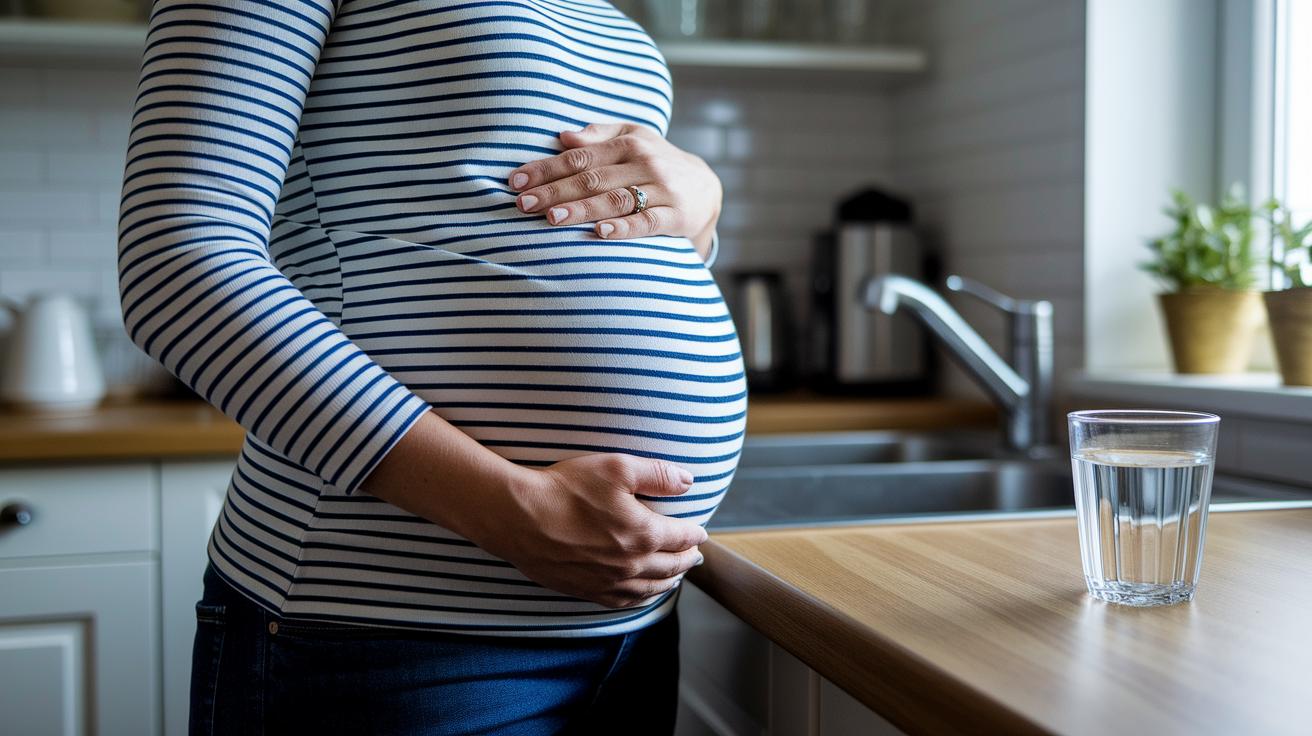
Quick take: Hormone changes during pregnancy and stress can cause nausea and stomach cramps, so adjust your care to meet these unique challenges.
Triage Box:
Red flags , Call emergency services now if you experience any of the following:
- Severe, unrelenting belly pain
- Heavy bleeding (especially during pregnancy)
- High fever or signs of infection
Urgent concerns , Seek same-day medical care if you have:
- Vomiting that stops you from keeping fluids down
- Cramping that worsens over time despite home care
Watch and self-manage , Monitor your symptoms and try these steps if you feel only mild discomfort:
- Nausea or cramping that comes and goes
- Symptoms that appear after meals
Common causes:
Pregnancy hormones can slow the movement of your gut, which may lead to morning sickness and cramps. Stress can also trigger your body’s fight-or-flight response, causing stomach spasms and intensified nausea.
What to do now:
• Eat smaller, more frequent meals. Try a light snack like plain toast or crackers to avoid feeling overly full.
• Drink small sips of water between meals to help your gut work smoothly.
• Include gentle, nourishing foods like bananas, rice, and easily digested proteins in your diet.
• When stress fuels your nausea, use deep, slow breaths to help relax your body.
• Consider gentle yoga stretches or mindfulness exercises to ease stomach tension.
What to track:
Keep a simple log noting the time your symptoms start, what you ate, how severe the pain or nausea is (mild, moderate, or severe), and any actions that helped or worsened your discomfort. Bring this to your next medical visit so your clinician can better understand your situation.
Remember, these steps are here to guide you, but if your symptoms become more severe or you notice any red flags, contact your healthcare provider right away.
Final Words
In the action, this guide broke down the causes, symptoms, and immediate steps for handling nausea and stomach cramps. It helped you spot red flags and simple actions like hydration, ginger infusions, and OTC relief to ease discomfort.
It also compared triggers, from viral infections to food-related issues, and offered practical ways to track and manage your symptoms. Keep using the checklist and practical tips to stay safe and confident in your care. Stay positive and act wisely when managing these symptoms.
FAQ
Q: Why do I experience lower abdominal pain and nausea?
A: Your lower abdominal pain and nausea might come from digestive issues or menstrual cycle changes, which can cause mild inflammation or spasms. Monitor your symptoms and follow up if they worsen.
Q: What causes upper stomach pain and nausea?
A: Your upper stomach pain with nausea can result from acid reflux (backflow of stomach acid) or indigestion. Adjusting your eating habits may help ease these symptoms.
Q: What contributes to stomach cramps and nausea during early pregnancy?
A: Your early pregnancy experience of cramps and nausea is often due to hormonal changes that slow digestion and alter gut motility. These symptoms are common and usually improve over time.
Q: What might cause sudden or intermittent stomach cramps and nausea?
A: Your sudden or on-and-off cramps with nausea may indicate food poisoning or a viral infection of the gastrointestinal tract. Tracking your symptoms and hydration is key if they persist.
Q: How do I quickly relieve stomach cramps, nausea, and vomiting at home?
A: Your fast relief can involve sipping clear fluids, ginger tea, or using over-the-counter remedies like Pepto-Bismol. These steps can help ease your discomfort at home.
Q: What does it mean if I have abdominal pain and vomiting without a fever?
A: Your abdominal pain and vomiting without a fever often point to a mild digestive upset such as indigestion or gas buildup, suggesting that an infection is less likely but you should continue monitoring your condition.