


Quick take: Chest tightness can signal a heart, lung, stomach problem, or even anxiety.
If you notice any of these emergency signs, call emergency services now:
• Intense chest pain
• Trouble breathing
• Fainting or severe dizziness
If your chest feels tight and the pain worsens or lasts more than a few minutes, get care right away. Otherwise, track your symptoms and let your doctor know if they change.
Have you ever felt a heavy squeeze in your chest and wondered if it might be serious? That tight feeling isn’t just normal discomfort. It might mean there’s an issue with your heart, your lungs, or your stomach. Sometimes it can also be a sign of anxiety (strong worry that affects your body). This article explains what chest tightness might mean and shows you how to spot other signs that need attention. Read on to learn more and feel ready to take care of your health.
What Chest Tightness Symptoms Reveal
Quick take: Chest tightness can signal heart, lung, or digestive issues, and sometimes anxiety. If you feel cold sweat, fainting, nausea, or vomiting with chest tightness, call emergency services now.
Chest tightness feels like a heavy squeeze or pressure in your upper chest. It may feel like wearing clothes that are too tight. You might also feel this pressure in your upper back, arm, or jaw. Telling your doctor exactly what you feel helps them find the cause.
Often, heart problems cause a strong pressure that can spread to your left arm, neck, or jaw. Lung illnesses such as pneumonia, asthma, or COVID-19 can bring chest tightness along with breathing difficulties. Digestive issues like acid reflux (burning pain after eating) or hiatal hernia show up with burning pressure. Anxiety or panic attacks may also give you chest tightness paired with shortness of breath and a racing heart.
Be sure to note how long the tightness lasts, how strong it is, and if it moves to other areas. If the symptoms worsen or include signs like cold sweat, fainting, nausea, or vomiting, get help immediately.
Cardiac Causes of Chest Tightness Symptoms
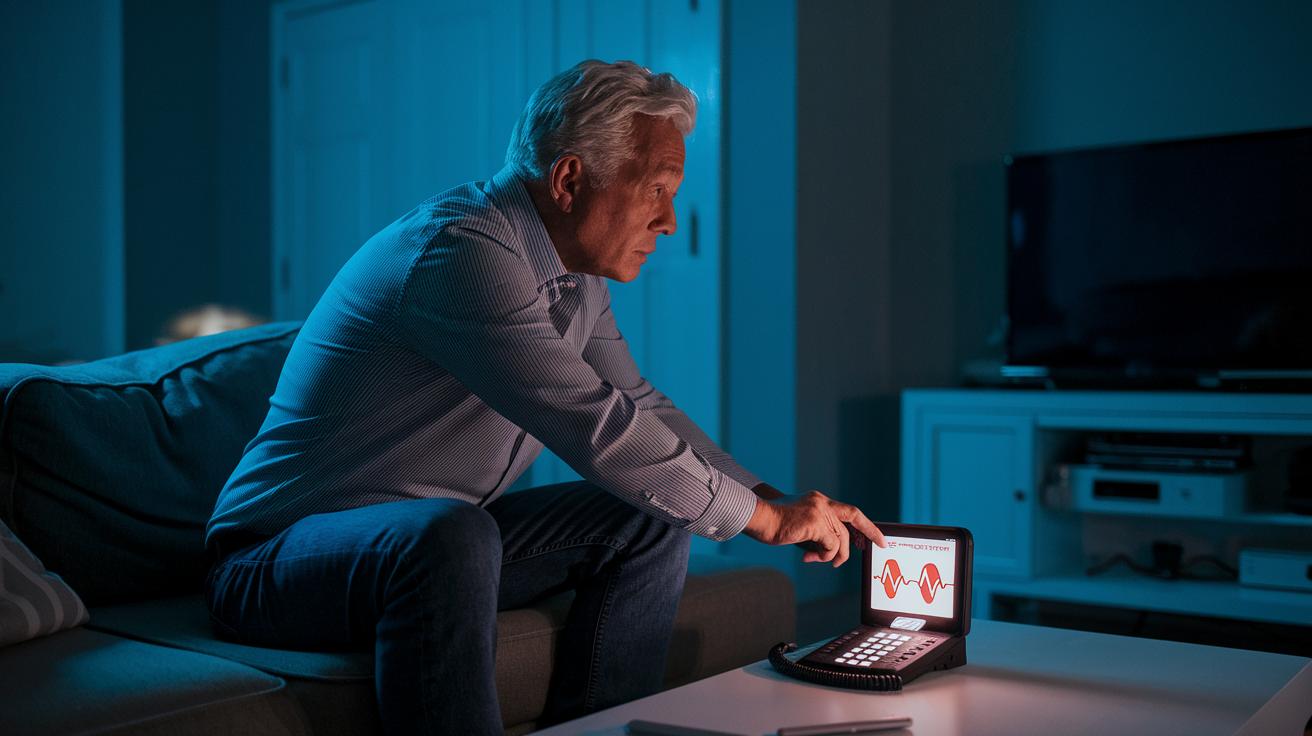
Quick take: Chest tightness can be a heart warning sign. Don’t wait if you notice these symptoms.
Triage: If you have any of these signs, call emergency services now (in the US, dial 911):
- Unrelenting, squeezing chest pain
- Pain that spreads to your left arm, neck, or jaw
- Cold sweat, fainting, nausea, or vomiting
When a heart attack starts, the pain may come suddenly and feel like a heavy pressure on your chest. It might come and go while spreading to your left arm, neck, or jaw. You may also break into a cold sweat, feel lightheaded, or even vomit. These signals show that a blockage is reducing blood flow to your heart. Trust these sensations and seek help without delay.
Angina and coronary artery disease can also cause chest tightness. Here, the discomfort often shows up during exercise or stress. This happens because plaque (a buildup in the arteries) and inflammation narrow your blood vessels. You might feel a predictable squeeze with physical effort that eases with rest. Even if the pain seems less intense than a heart attack, it is a sign that your heart isn’t getting enough blood.
Women may experience different symptoms. Instead of crushing chest pain, you might feel unusual tiredness, nausea, or shortness of breath along with chest pressure. These subtle signs can be mistaken for stress or indigestion but still need immediate attention. If you experience any chest tightness or pressure that appears out of the blue or worsens with activity, seek medical help right away.
Respiratory and Pulmonary Chest Tightness Symptoms
Quick take: Chest tightness can mean different lung problems.
If you have any of these emergency signs, call emergency services now: sudden, severe chest pain; blood in your cough; or trouble breathing.
Red Flags – Call emergency services now if you notice:
• Sudden, intense chest pressure with a fast cough that brings up blood
• Sharp, one-sided pain coupled with major breathing trouble
Urgent – Seek care right away if:
• The tightness comes on quickly and is very severe
• You feel lightheaded or dizzy along with your chest pressure
Watch and self-manage if:
• You feel a steady, heavy pressure in your chest with a low fever and cough
• You have signs of asthma such as wheezing and shortness of breath during episodes
Lung issues can cause discomfort in your chest in different ways. With pneumonia or COVID-19, you might feel a constant, heavy pressure. Asthma usually comes with wheezing and shortness of breath during attacks. A blood clot in the lung artery, called pulmonary embolism (a clot blocking blood flow in the lung), can cause a sudden, strong pressure and a cough that sometimes brings up blood. A collapsed lung, known as pneumothorax, can give you a sharp pain on one side and make it hard to breathe. Telling your doctor about your symptoms will help find the right cause.
| Condition | Chest Tightness Pattern | Other Symptoms |
|---|---|---|
| Pneumonia | Steady heavy pressure | Fever, cough |
| Asthma | Intermittent constriction | Wheezing, shortness of breath |
| Pulmonary Embolism | Sudden, severe tightness | Cough with blood-tinged sputum |
| Pneumothorax | Sharp, one-sided pain | Breathing difficulty |
Review what you feel and note the start time and duration of your symptoms. If the pressure is steady with a fever and cough, pneumonia or COVID-19 may be the cause. Wheezing with tight chest pressure often means asthma. A sudden burst of strong, tight pressure needs urgent care because it could mean a pulmonary embolism. Sharp, one-sided pain may point to a collapsed lung. Writing down your symptoms can help your healthcare provider decide whether you need emergency care or further tests.
Digestive and Musculoskeletal Sources of Chest Tightness Symptoms
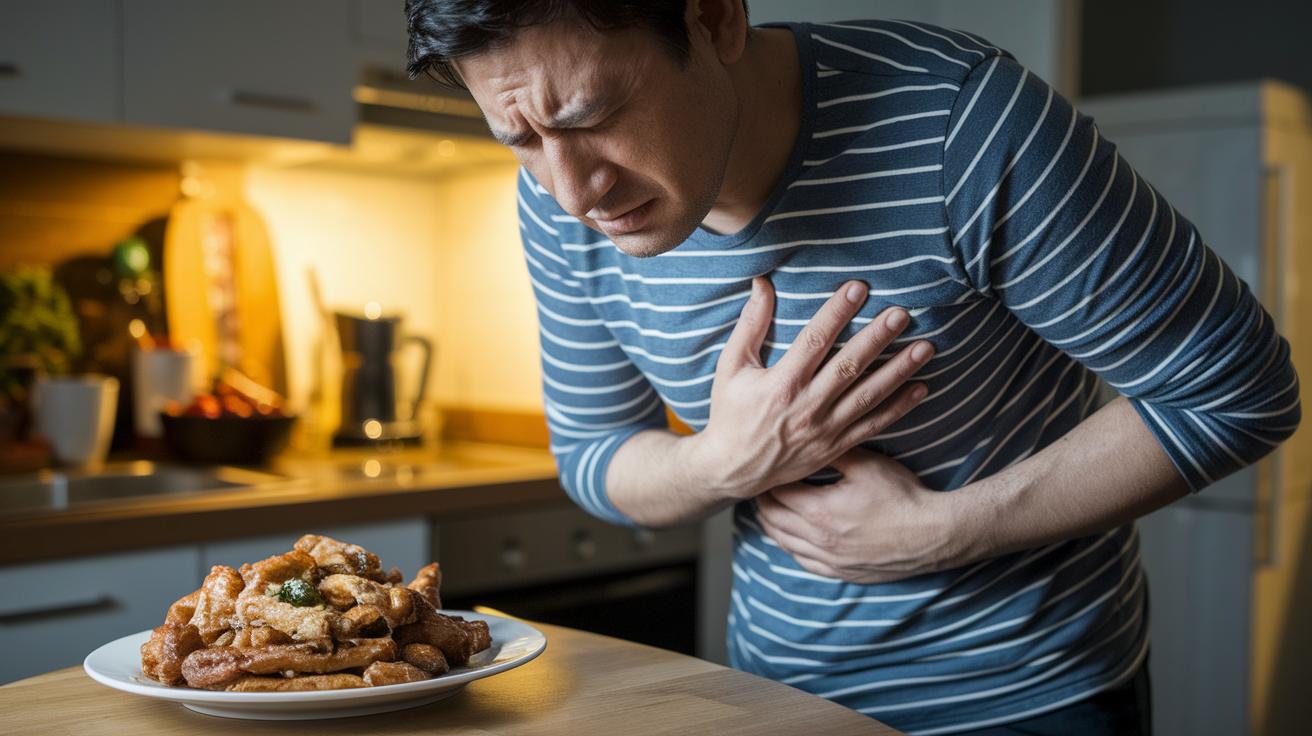
Sometimes your chest feels tight because of problems with your stomach or muscles. Conditions like GERD (acid backflow), peptic ulcers, or hiatal hernia can make your chest burn after a large or fatty meal. You might notice a sharp burning or squeezing feeling in the center of your chest soon after eating, and it may get worse when you lie down. This happens because stomach acid irritates the tube that carries food to your stomach (esophagus).
GERD and Acid Reflux
When you have GERD or acid reflux, stomach acid moves back up into your esophagus. You may feel a burning pressure after eating, especially when your meal is heavy or spicy. This burning is slow to build and spreads across your chest. Many people find that sitting up straight or drinking water can help lower the burning feeling.
Costochondritis and Cartilage Inflammation
Costochondritis is when the cartilage that connects your ribs to your breastbone becomes sore and swollen. This can cause a sharp pain that you can feel when you touch the area or move in certain ways. The pain usually comes from a small spot and tends to improve over a few weeks as the swelling goes down.
Remember, chest tightness that comes with food or movement is different from chest pain related to the heart. If your symptoms worsen or do not improve, be sure to reach out to your healthcare provider.
Anxiety and Nervous System–Related Chest Tightness Symptoms
Quick take: Anxiety can cause chest tightness and a racing heart, but these signs are linked to your nervous system, not your heart.
If you have any of these emergency signs, call emergency services immediately:
- Severe chest pain that does not improve.
- Trouble breathing or pain that spreads to your arm, neck, or jaw.
- Fainting or extreme dizziness.
Panic attacks may cause your chest to feel tight. You might notice a fast heartbeat, fluttering in your chest, or feel like you can’t get enough air. These symptoms usually peak in just minutes and can feel very scary.
Many people also feel a squeeze in their throat or pressure on their chest. These sensations mimic heart issues but are caused by stress, not heart injury. Dizziness, trembling, or a fluttering feeling in your chest can help show that anxiety is at work rather than a heart attack.
When you notice chest tightness during times of stress or high anxiety, it often comes from your nervous system. Simple actions like deep breathing, relaxation techniques, or short mindfulness breaks might help ease these feelings. Keep track of the timing and triggers of your symptoms so you can manage your anxiety better.
Critical Warning Signs in Chest Tightness Symptoms That Demand Emergency Care

Quick take: Chest tightness with extra signs can mean a serious heart issue.
If you notice chest tightness along with any of these, call emergency services immediately (in the US, call 911):
- Pain spreading to your arm, jaw, or back
- Sudden fainting
- Severe shortness of breath
- Cold sweat
- Nausea or vomiting
- New uneven heartbeats
Quick treatment can help restore blood flow and reduce heart damage from conditions like a heart attack or a pulmonary embolism (a blood clot in the lung). Acting fast can lower your risk of complications.
Diagnostic Steps for Chest Tightness Symptoms
Keep a simple diary of your symptoms at home. Write down when your chest feels tight, how long it lasts, and what you were doing at the time. For example, note if the tightness starts during exercise, mealtime, or when you feel stressed. Also, check your pulse for any irregular beats and record if you feel short of breath or notice a flutter in your heart. If you feel tightness after climbing stairs and then feel lightheaded for about 10 minutes, jot down the time and what you were doing. This record helps you and your doctor see if your symptoms might be more than just anxiety.
Your doctor may then order tests to check your heart and lungs. They might use an ECG (a test that shows your heartbeat) and a troponin blood test (which checks for heart muscle injury) to look for any damage. An echocardiogram (an ultrasound of your heart) is often done to see how well your heart pumps blood. Chest X-rays, CT scans, and a D-dimer test (which helps find blood clots) can also be used to check for lung issues. These tests help tell if your breathing trouble is from anxiety or another health problem.
Your notes and these test results help your doctor decide the next steps. Accurate records make it easier for your provider to choose the right treatment and act quickly to manage any risk.
Self-Care and Relief Techniques for Chest Tightness Symptoms
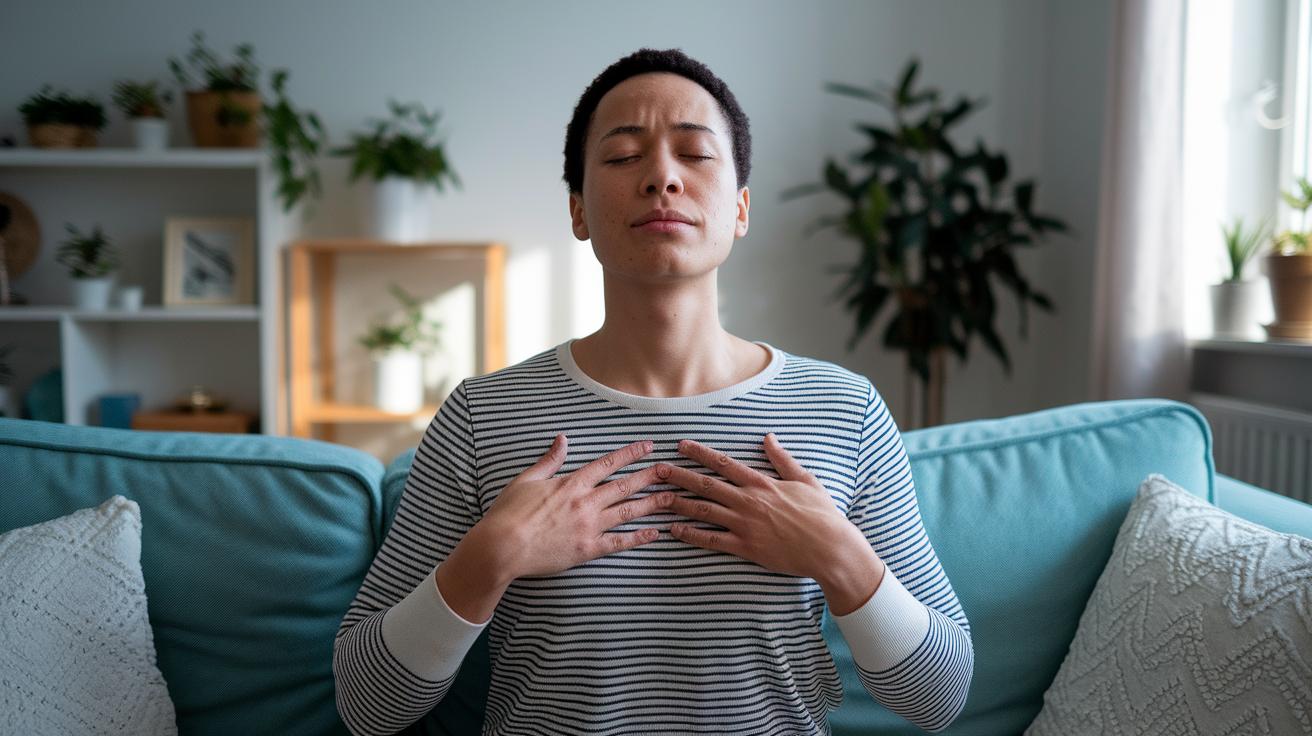
Quick take: Chest tightness can come from anxiety, acid reflux, or muscle strain. If you have severe pain, trouble breathing, or feel faint, call emergency services now.
At home, you can try simple methods to ease the discomfort and feel more in control. Calm your body with deep breathing. Techniques like the 4-7-8 method (breathe in for 4 seconds, hold for 7, and breathe out for 8) can ease anxiety and help your heart relax. Changing your posture by sitting up straight or keeping your head elevated when you rest may lessen tightness linked to acid reflux.
Self-care routines work for both your body and mind. For instance, guided meditation can help lower anxiety and reduce physical pressure by relaxing your nervous system. Adjusting your position after meals might also ease burning from acid reflux. Resting and applying a warm compress to the chest can calm muscle strain or inflammation. Avoid triggers like spicy foods or allergens that might worsen the feeling of tightness. These simple steps not only relieve discomfort but also help you notice patterns in your symptoms.
- Practice the 4-7-8 deep-breathing technique for 5 minutes when you first notice tightness.
- Sit upright or keep your head elevated for 30 minutes after eating.
- Use a guided meditation app for 10 minutes to lower anxiety.
- Apply a warm compress to your chest for 15 minutes to soothe muscle strain.
- Follow the label instructions on an over-the-counter antacid if you suspect acid reflux.
Final Words
In the action, we broke down chest tightness symptoms and looked at causes like heart issues, lung conditions, digestive problems, and anxiety. We laid out clear warning signs and practical steps for self-care, along with what to track for better doctor visits. Paying careful attention to your symptoms can guide you in deciding whether to seek emergency care or manage things at home. Keep monitoring your chest tightness symptoms and act on red flags. Stay safe and keep focused on your health every day.
FAQ
How to relieve chest tightness?
Relieving chest tightness involves resting, practicing deep breathing, and using a warm compress if the pain seems muscle-related. If the sensation persists or worsens, seek medical advice to rule out heart or lung issues.
What causes chest pain in a woman?
Chest pain in women can be due to heart disease, lung conditions, digestive issues, or anxiety. Women may experience symptoms like fatigue, nausea, or shortness of breath instead of classic pain, so prompt evaluation is important.
What does chest tightness with no other symptoms indicate?
Chest tightness without other symptoms may stem from muscle strain, mild anxiety, or reflux. Track the occurrence and seek evaluation if the sensation persists, to rule out more significant conditions.
What does female pain in the middle of the chest mean?
Female pain in the middle of the chest might result from acid reflux, costochondritis (inflammation of chest cartilage), or heart issues. Noticing additional symptoms like nausea or radiating pain warrants immediate medical assessment.
How does tight pain in the middle of the chest present?
Tight pain in the middle of the chest can indicate cardiac stress, gastrointestinal discomfort, or muscle strain. If the pain comes with difficulty breathing, sweating, or pain radiating to other areas, seek urgent care.
What does a weird feeling in the chest without pain suggest?
A bizarre sensation in the chest without pain may be described as pressure or discomfort. It can be related to anxiety, acid reflux, or muscle strain, so monitoring your symptoms can help guide whether to seek further evaluation.
How can chest pain be cured?
Curing chest pain depends on its cause. While rest, deep breathing, and antacids may relieve pain from reflux or muscle strain, chest pain from heart issues requires immediate medical attention.
What does female chest pain location refer to?
The location of chest pain in women can vary, often occurring in the center or left side, sometimes with additional symptoms like nausea or fatigue. These signs should prompt a quick evaluation to exclude heart concerns.
How to relieve muscle tightness in the chest?
Relieving muscle tightness in the chest involves applying a warm compress, gentle stretching, and resting. Over-the-counter pain relievers may help, but if pain intensifies, it’s wise to consult a clinician.
Why do I feel tightness in my chest?
Feeling tightness in your chest may be linked to heart, lung, digestive, or anxiety issues. Noting any accompanying symptoms or triggers helps determine if further evaluation by a doctor is needed.
How to relieve chest pain after vomiting?
To ease chest pain after vomiting, rest, practice deep breathing, and stay hydrated. If the pain persists or you experience additional symptoms like difficulty breathing, it could indicate reflux or injury and requires medical review.
How to tell if chest pain is muscular?
Determining if chest pain is muscular includes checking if the pain worsens with movement or touch. If it changes with posture or palpation, it is likely muscle strain; however, get evaluated if you’re unsure.