
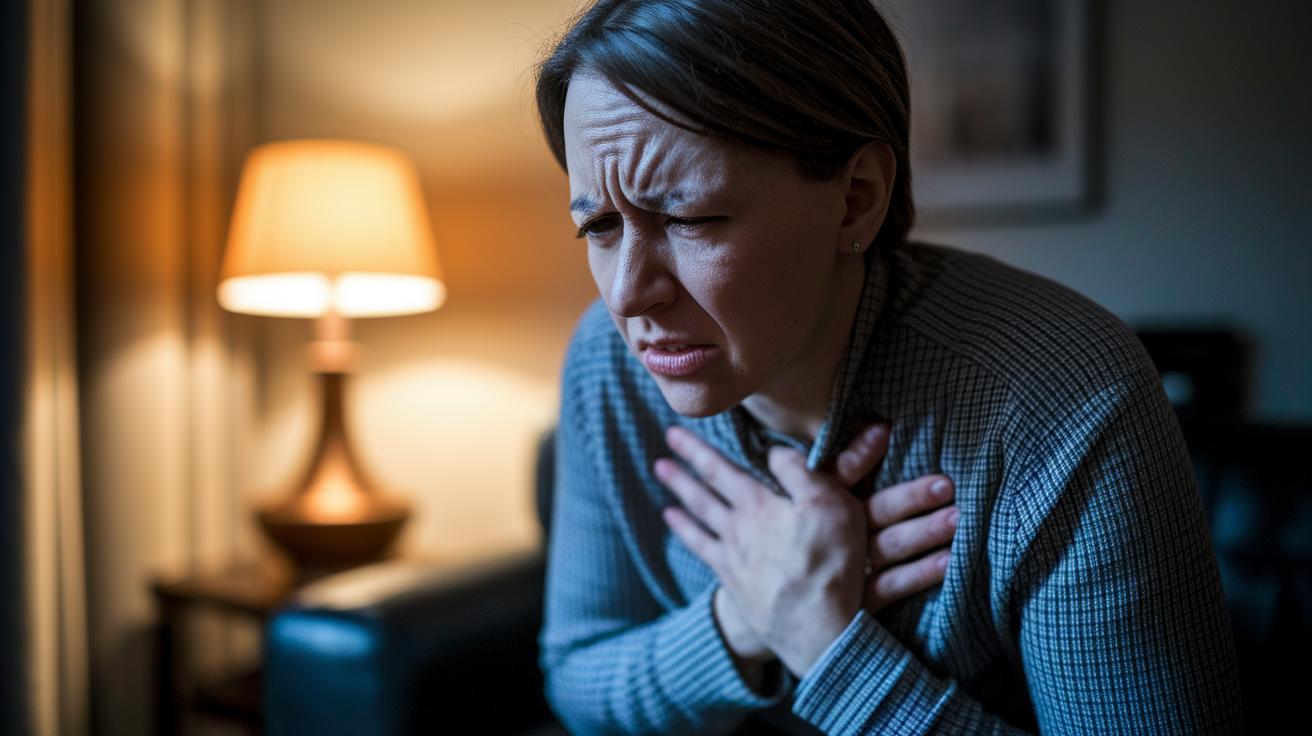

Quick take: Sometimes your body sends warning signals like a racing heart or tight muscles.
If you have any of these signs along with sudden chest pain, trouble breathing, or feeling faint, call emergency services now.
Your body may sometimes react as if danger is near, even when nothing looks wrong. You might notice a fast heartbeat or tense muscles that could be signs of anxiety (a feeling of worry or nervousness). This guide explains these stress signals so you can understand what they might mean.
Here’s what to do:
• Watch for changes. Track your heart rate, note when the symptoms start, and record how long they last.
• Keep a simple log. Write down the date, time, and any other symptoms you feel.
• Talk to a trusted health professional if the feelings get stronger or last more than a few days.
It’s normal to feel unsettled when these signals pop up. By tracking them, you can better decide when to ask for help and take control of your well-being. Remember, understanding your body’s signals is the first step to managing anxiety safely.
Physical Stress Signals at a Glance: An Anxiety Symptom Index
Quick take: Anxiety can make your body act as if it's in danger, showing clear signs like a fast heart rate and tense muscles.
Triage:
• If you have chest pain, severe shortness of breath, or feel like you might faint, call emergency services now.
• Seek help today if your symptoms are new, very strong, or worsening.
• Otherwise, keep an eye on your signs and note any changes.
Anxiety sets off your body's fight-or-flight response. This means your brain’s amygdala (the part that processes fear) and hypothalamus (the part that controls hormone release) send signals to pump up adrenaline and cortisol. These stress hormones prepare you to act quickly. For example, a rapid heartbeat is a sign that your body is gearing up due to stress.
You might notice signs like quick breathing, stiff muscles, an upset stomach, dizziness, or trouble sleeping. These physical signals tell you your body is on high alert, even if you can’t see an obvious threat.
Eighty-seven percent of people with anxiety report these kinds of symptoms. Look out for a heart rate that jumps 20–30% above your normal pace, constant muscle tension, and digestion issues that might feel serious. Recognizing these signs can help you understand your stress level and decide when it’s best to talk to a professional.
Building Blocks of a Symptom Index for Anxiety

Quick take: Standardized anxiety tools help you track changes and decide when to act.
Triage:
• If you have severe symptoms like chest pain, sudden panic, or trouble breathing, call emergency services now.
• If anxiety disrupts your daily life or gets worse over a few days, seek same-day medical advice.
• Otherwise, monitor your symptoms and update your index regularly.
Standardized tests help you build an index that captures both physical signs (like a racing heart) and emotional signals of anxiety. These tools give you a clear, steady way to check your symptoms over time. For example, tests such as the GAD-7, Beck Anxiety Inventory, and Hamilton Anxiety Rating Scale look at different parts of anxiety. They let you see how strong your symptoms are, notice any changes, and know when it might be time to get professional help.
| Tool Name | Item Count | Scoring Method |
|---|---|---|
| GAD-7 | 7 | 0–3 per item over 2 weeks |
| Beck Anxiety Inventory | 21 | Somatic focus |
| Hamilton Anxiety Rating Scale | 14 | 0–4 for psychic and somatic |
These scores help build a detailed picture of your anxiety. When the numbers increase, it may mean your anxiety is growing and more care might be needed. By tracking your scores regularly, you can quickly spot changes and make smart choices about your next steps. Updating your symptom index often gives you a clearer view of your health so you can act promptly if things worsen. Your careful monitoring is a key part of managing your well-being.
Key Physical Anxiety Markers and Their Prevalence
Quick take: Anxiety shows up in your body in different ways, and these markers help you know when to get help.
Triage Box:
If you have any of these signs, seek urgent care:
- Call emergency services now if you have severe chest pain or trouble breathing.
- Get care if your heart races sharply with strong chest tightness.
- Talk to a doctor if muscle stiffness or insomnia worsens over a few days.
Anxiety can affect many parts of your body. The numbers below give a clear picture of common physical signs of anxiety.
- Cardiovascular: Your heart rate might go 20-30% above normal, and about 40% of people feel chest tightness.
- Respiratory: About 60% of people notice shortness of breath, and nearly 45% feel like they might choke.
- Digestive: Anxiety makes you 5 times more likely to develop irritable bowel syndrome (IBS) or similar stomach issues.
- Musculoskeletal: Roughly 75% of people have persistent muscle tension, which can make your body feel stiff.
- Neurological: Headaches occur 2.5 times more often in those with anxiety. They usually feel like a tight band around your head.
- Sleep: Around 70% of people with anxiety have trouble falling or staying asleep.
These figures can help you check your symptoms. If you often notice a fast heartbeat or stiff muscles, these numbers show whether your signs may be part of a common pattern or if they need more attention. Using this information along with other symptoms, like sleep troubles, can guide you and your doctor in deciding the best steps to take.
How to Track and Score Physical Stress Signals Daily
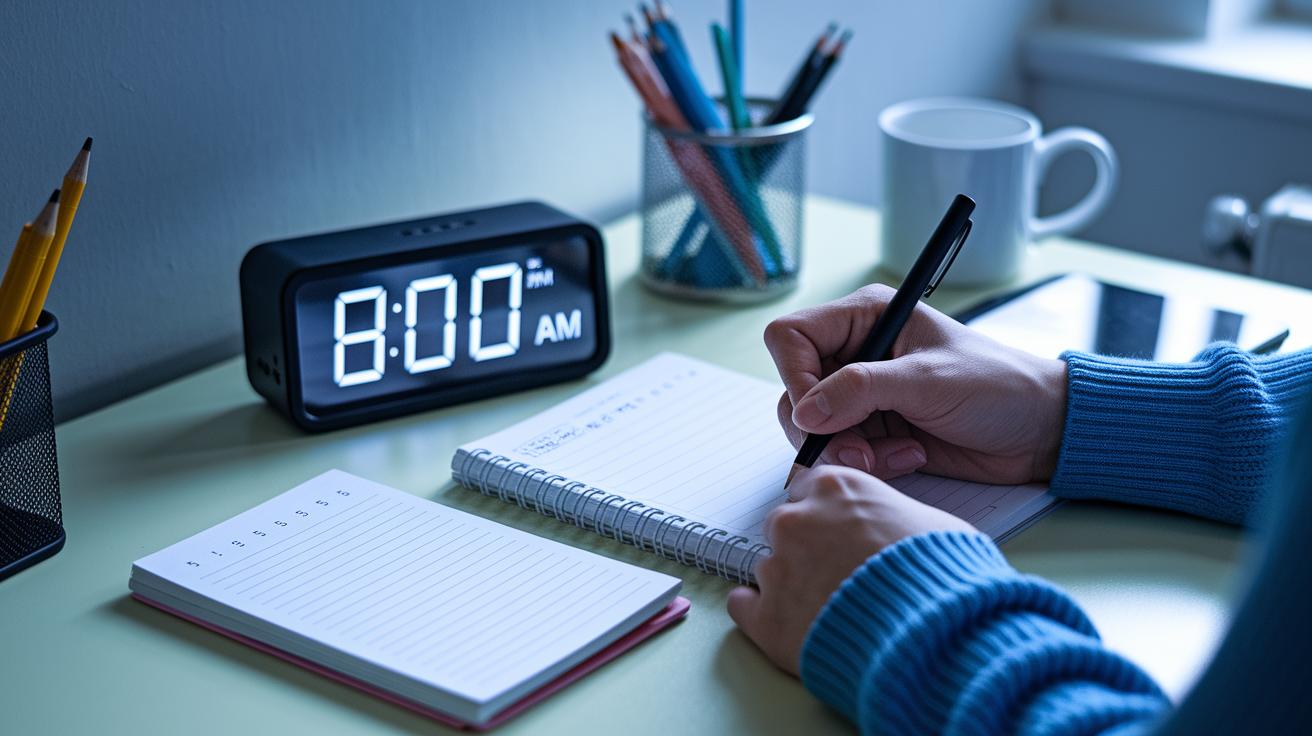
Start a daily journal to note any physical signals of stress. Write down the time you feel a symptom, what you felt (like a racing heart, tight muscles, or shallow breathing), and any events that might have set it off. For example, you might write, "8:00 AM: Heart raced after a busy meeting, rated 3 out of 5." This simple habit can help you spot patterns in your stress and anxiety.
Use a clear scale from 1 to 5 to rate your symptoms. A rating of 1 means you felt only a little discomfort, while 5 means you felt very distressed. Record these ratings along with details about what was happening at the time, such as a hectic day or an unexpected event.
At the end of each week, take a few minutes to review your entries. Look for patterns or repeated triggers that match up with your high scores. This review can help you fine-tune your self-care routine and decide if it might be time to seek advice from a professional.
Critical Red Flags in Your Anxiety Symptom Index
Many anxiety signs are common. But if you have severe chest pain, long-lasting shortness of breath, fainting spells, uncontrollable tremors, or trouble sleeping along with weight loss, these could be warning signals. They might mean that something more serious is going on with your heart, lungs, or brain rather than just anxiety.
If you see any of these signs, act right away:
- Call emergency services immediately if you experience severe chest pain or extended difficulty breathing.
- Get urgent care if you have fainting spells or shaking that is worse or lasts longer than your usual anxiety.
- Talk to a healthcare provider if you struggle with extreme insomnia and notice significant weight loss.
For example, if you suddenly feel an unfamiliar chest pain, treat it as a possible heart issue and call 911 immediately.
Expert Tips for Maintaining Your Anxiety Symptom Index

Quick take: Use proven techniques to track your anxiety and reduce stress.
If you have any of these emergency signs, call emergency services now:
- Sharp chest pain that gets worse
- Shortness of breath or a very fast heartbeat (over 120 beats per minute)
- Sudden dizziness or fainting
What to do now:
- Breathe mindfully: Try the 4-7-8 method. Breathe in for 4 seconds, hold your breath for 7 seconds, and exhale for 8 seconds. This simple practice can ease your tension.
- Relax your muscles: Starting at your toes and moving upward, tighten each group for a few seconds, then let go. This method can lower muscle tension.
- Stay active and sleep well: Aim for a 30-minute moderate exercise routine and adopt healthy sleep habits to help keep your symptoms stable.
What to track:
- When you do these techniques.
- How your anxiety feels and any changes in your physical symptoms.
- Details like the time of day and any improvements you notice.
Review your anxiety index daily to see what helps most and if you need to adjust your routine. Sources: Trusted clinical guidelines, reviewed by a clinician on 10/2023. Last updated 10/2023.
Final Words
In the action, this article walks through key steps to notice physical stress signals and build a symptom index for anxiety: recognizing physical stress signals. It explains how to track markers like rapid heartbeat, muscle tension, and digestive changes while highlighting urgent red flags such as severe chest pain or prolonged shortness of breath. Expert tips like mindful breathing and muscle relaxation add practical ways to manage symptoms. Keep monitoring your physical cues and tracking your progress to feel safe and ready to share focused information with your care provider. Stay positive.
FAQ
What is the Anxiety Symptoms Questionnaire (ASQ) and its PDF scoring guidelines?
The Anxiety Symptoms Questionnaire (ASQ) measures anxiety symptoms using a structured set of questions. Its PDF version details scoring methods to indicate severity and guide further evaluation.
What is the State-Trait Anxiety Inventory and where can I find its scoring manual in PDF?
The State-Trait Anxiety Inventory (STAI) assesses both situational and long-term anxiety. Its PDF scoring manual explains rating methods, guiding you to distinguish between temporary and baseline anxiety levels.
What is the Anxiety Scale 1-10 PDF used for?
The Anxiety Scale 1-10 PDF provides a quick way to rate your anxiety on a scale from 1 to 10. It offers a visual method to gauge your current anxiety level for self-assessment.
How do I recognize indicators of stress and anxiety?
Recognizing stress and anxiety involves observing physical signs like rapid heartbeat, shallow breathing, muscle tension, and frequent sleep issues. These symptoms help you understand and track your stress levels.
What is the stress index or index for anxiety level?
The stress index or anxiety level index is a score that quantifies physical and emotional stress symptoms. It helps you track your overall anxiety, guiding when to seek self-care or professional evaluation.
How should I interpret STAI scores?
Interpreting STAI scores involves comparing your results to established cutoff values that categorize anxiety as low, moderate, or high. This helps determine if further assessment or intervention is needed.