
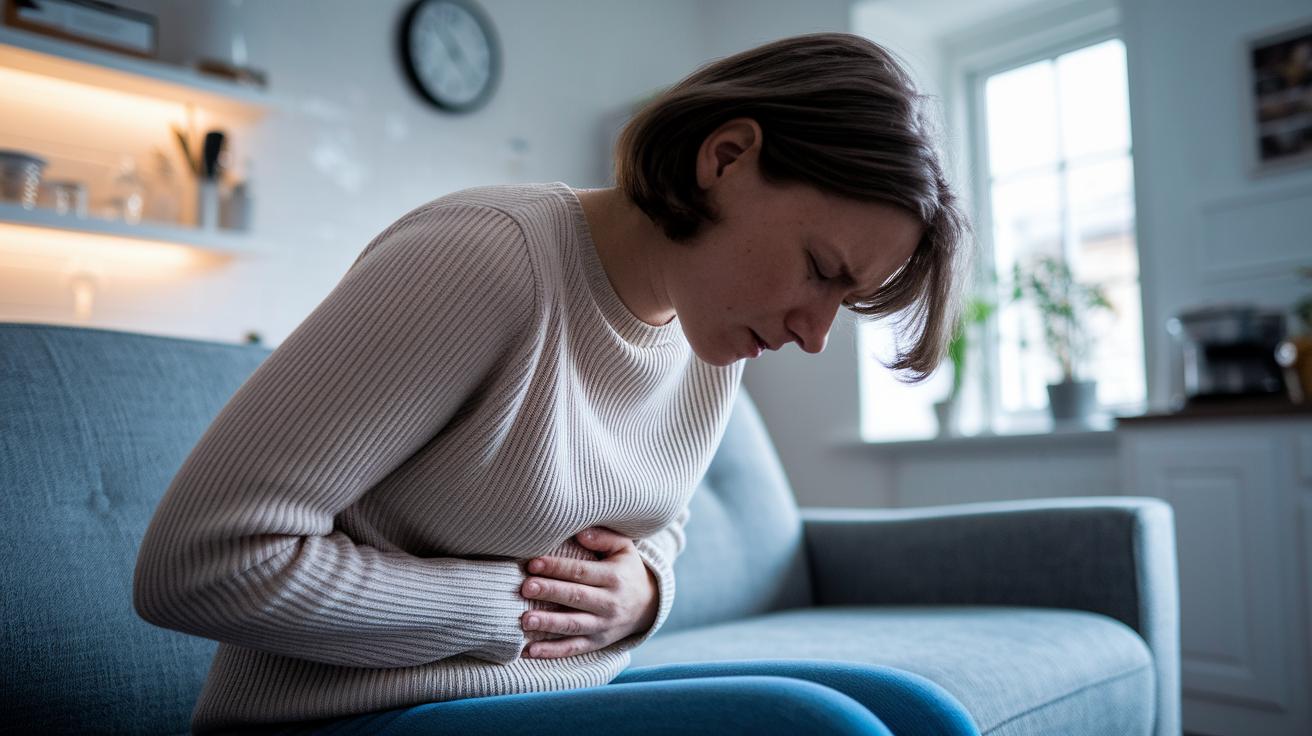

Quick take: Stomach cramps and gas are common, but severe or lasting pain may need medical care.
If any of these occur:
• Severe, sharp pain
• High fever or persistent vomiting
• Blood in your stool
Call emergency services or seek urgent medical help.
Ever wonder why your stomach cramps when you least expect it? These cramps and gas can suddenly interrupt your day. This guide explains common causes and simple steps to ease your discomfort. It also shows you when to get help. Often, everyday habits and certain foods trigger your pain. Small changes in what you eat and do may help you feel better quickly.
Understanding Causes, Symptoms, and Solutions for Stomach Cramps and Gas
Quick take: Most stomach cramps and gas come from simple digestion issues, but watch for signs that need medical care.
Triage Box:
• Call emergency services now if you have severe pain that does not stop, if you experience constant vomiting, noticeable blood in your stool, or sudden changes in bowel habits.
• Seek same-day care if cramps last more than 2 hours or come with persistent cramping.
• For mild cases, track your symptoms and try basic self-care like resting and avoiding trigger foods.
Stomach cramps and gas often start with a sudden, sharp pain in your belly. You may feel bloated and notice your stomach is swollen after meals. These signs usually happen because you swallow air or as your body breaks down food naturally.
A worldwide survey of 54,000 people in 26 countries showed that 1 in 10 adult has stomach pain after eating. Around 13% of women and 9% of men reported these symptoms. Many find that eating certain trigger foods or drinking carbonated beverages brings on the discomfort. In most cases, the gas and mild cramps clear up on their own within a couple of hours, with no need for emergency care.
While these signs are common during digestion, they can sometimes hint at a more serious issue. Pain that fades quickly is usually nothing to worry about. But if the pain gets worse, lasts longer than 2 hours, or occurs with other symptoms such as ongoing cramping or changes in how you use the bathroom, it might be best to have a healthcare professional take a closer look.
Common signs you might notice:
• Bloating
• Swollen stomach
• Feeling full very early during meals
• Sharp, stabbing cramps
• Constipation
• Diarrhea
Common Triggers Behind Stomach Cramps and Gas
Quick Take: Simple habits or certain foods often cause stomach cramps and gas. Most cases aren’t serious, but know when to act fast.
| Emergency | Urgent | Watch and Self-Manage |
|---|---|---|
| Call emergency services now if you have severe, long-lasting pain or feel faint. | Seek same-day care if your symptoms worsen or you struggle to breathe. | Keep track of your symptoms and adjust your eating habits. |
Many things can trigger stomach cramps and extra gas. Eating too fast or drinking fizzy beverages makes you swallow extra air, which can upset your stomach. Slowing down when you eat or changing your diet might help ease the discomfort.
Food is one of the most common triggers. Foods like eggs, tree nuts, peanuts, shellfish, milk, soy, and wheat may irritate your stomach and cause cramps. If you have trouble with dairy, your body may not process lactose (a sugar in milk) well, which can lead to more bloating. Fizzy drinks add extra air,
Home Remedies and OTC Approaches for Stomach Cramps and Gas Relief
Quick take: Home remedies can ease your cramps and gas fast.
Triage Box:
- If your pain is severe, lasts more than 3 hours, or comes with fever, chills, or vomiting, call emergency services now.
- If your symptoms don’t improve with self-care, contact your doctor.
- For mild, occasional discomfort, try the tips below.
Gentle Massage Techniques
A gentle belly massage can help move trapped gas. Use your fingertips to rub your tummy in soft, circular motions that feel calming. This light massage may ease cramps and make you feel more comfortable.
Targeted Yoga Poses
Simple yoga moves can help release trapped air. Try the child’s pose or pull your knees to your chest. Hold each pose for about 30 seconds to stretch your stomach muscles and let the gas escape.
Warm & Herbal Drinks
Sipping warm liquids may relax your stomach muscles. Drink warm water or herbal teas like peppermint, ginger, or chamomile. Let the gentle heat soothe your belly and ease spasms.
Baking Soda & Vinegar Remedies
Mix ½ teaspoon of baking soda or 1 tablespoon of apple cider vinegar in a glass of water. This mixture can neutralize stomach acid and help reduce gas, offering fast relief.
OTC Enzyme Preparations
If dairy seems to trigger your gas, an over-the-counter enzyme supplement might help break down milk sugars (lactose). This natural option can reduce gas if dairy is the cause.
Simethicone & Adsorbents
Simethicone products work by breaking up gas bubbles in your stomach, which helps your body expel the trapped air. These non-prescription options can quickly ease pressure and discomfort.
Movement & Heat Applications
A short walk or applying a heating pad on your belly can encourage gas to move through your system. Gentle activity like this works well with the other remedies listed above.
Remember, these tips are here for occasional relief. If your symptoms continue or get worse, it’s important to speak with your doctor.
Dietary and Lifestyle Strategies to Prevent Stomach Cramps and Gas

Quick take: Small daily changes can help reduce cramps and gas.
If you have severe pain, high fever, or other worrisome signs, seek medical help right away.
Daily habits make a big difference for your stomach. You can ease cramps and lessen gas by making a few small changes. Try to eat slowly and drink plenty of water. These simple steps help your body break down food more easily and reduce discomfort.
| Strategy | Benefit |
|---|---|
| Hydration | Drinking 8–10 cups of water daily helps move food smoothly |
| Fiber Balance | Eating enough fiber aids digestion and helps prevent constipation |
| Low-FODMAP Foods | Limiting certain carbs can cut down on extra gas |
| Mindful Eating | Taking time to eat slowly and chew well means less swallowed air |
| Portion Control | Smaller, more frequent meals ease the load on your stomach |
| Exercise | A short walk or regular exercise boosts digestion and eases spasms |
These simple lifestyle updates build a strong foundation for a smoother digestive process. Over time, a group of mindful changes can ease both the frequency and intensity of cramps and gas. By balancing your fiber intake, staying well-hydrated, and eating mindfully, you give your body the best chance to digest food efficiently. Whether you choose a low-FODMAP plan or focus on portion control and regular movement, these steps work together to relieve bloating and help you feel better faster.
Warning Signs and Critical Red Flags in Stomach Cramps and Gas
Quick take: Some symptoms need immediate attention.
If you notice any of these signs, act now:
- Cramping or gas lasting over 2 hours.
- Clear signs of dehydration (dry mouth, fatigue) or ongoing vomiting.
- Blood in your stool.
- Sudden, unexplained weight loss.
- Fever or trouble breathing.
- Severe pain that leaves you feeling very weak.
Contact your healthcare provider right away for an evaluation. Your doctor might run tests, like blood panels or scans, to find the cause and guide safe treatment. Write down when your symptoms occur and any other changes you notice to help plan the next steps.
Sustainable Management and Professional Strategies for Stomach Cramps and Gas

Quick take: Lifestyle changes using gentle exercise, a balanced diet, and natural supplements can ease stomach cramps and gas over time.
If you have any of these emergency signs, call emergency services now:
- Severe, unrelenting pain with a fever over 100.4°F
- Continuous vomiting for more than 3 hours
- Blood in your stool or vomit
For long-term relief, try blending healthy habits with natural remedies. Adjust your eating habits, add regular activity, and consider using natural supplements. This balanced plan may improve digestion and reduce discomfort. Always talk with your doctor to tailor a plan that fits your needs.
Physical and Mind-Body Practices:
Add gentle yoga and a short walk after meals to your daily routine. Simple yoga moves like slow forward bends help ease belly tension. A brisk 10-minute walk after eating can boost gut motility (the movement that pushes food through your system) and reduce cramps.
Probiotics, Enzymes, and Supplements:
Using quality probiotics (good bacteria that balance your gut) may cut down on gas bubbles and cramps. Adding digestive enzyme supplements helps break down food more effectively. These nonprescription options can support your natural digestion when paired with a balanced diet.
Herbal and Nutritional Support:
Herbal remedies such as ginger, peppermint oil, or chamomile tea have long been used to soothe an upset stomach. Enjoy a diet rich in fruits, vegetables, whole grains, and fermented foods to support a healthy gut. This nutritional support may help lower gas buildup and ease cramps.
By combining gentle movement, targeted supplements, and a nutritious diet, you set up a comprehensive plan for long-term relief. Remember to consult your healthcare provider. They can help adjust these strategies to your personal medical needs.
Staying proactive about your health is key. With these steps, you can better manage symptoms and enjoy a more comfortable digestive process.
Final Words
In the action, you’ve learned about common causes, practical remedies, and when to seek care for stomach cramps and gas. Small steps like mindful eating, gentle movement, and using OTC options can boost comfort. Each section offered clear tips from symptom checks to long-term management. Follow these suggestions and monitor your reactions closely to guide your next steps safely. Keep focusing on self-care, knowing that handling these challenges with practical wisdom can lead to a healthier, happier day.
FAQ
How can I get rid of gas in my stomach instantly using home remedies or medicine?
The process to remove gas quickly involves sipping warm water or herbal teas like ginger or peppermint, gentle abdominal massage, and if needed, using an OTC option such as simethicone as directed.
How do I treat too much gas and relieve the pain in my stomach?
The approach to treating excess gas includes slow walking, gentle abdominal massage, and enjoying warm herbal teas, which can help break down gas bubbles and ease discomfort.
What does excessive gas indicate?
Excessive gas often points to swallowing too much air, food sensitivities like lactose intolerance, or digestive issues such as IBS. Monitoring patterns and symptoms helps decide if further care is needed.
What can cause excessive gas in females?
In females, excessive gas may arise from hormonal shifts, dietary intolerances, or digestive conditions. Adjusting your diet and tracking your symptoms can offer clarity on triggers.
Where is trapped gas pain felt and how can I release it?
Trapped gas pain is typically felt in the abdominal area, chest, or lower back. Light exercise, a warm compress, or gentle movement can help release that trapped air effectively.
Why am I experiencing both gassiness and stomach cramps?
Feeling gassy along with stomach cramps can happen when air is swallowed or food breakdown causes irritation. These symptoms may be normal or signal food intolerance, so note any pattern changes.
What is the best option to take for stomach cramps and gas?
The best option includes OTC treatments like simethicone for gas and antispasmodics for cramps, along with natural remedies such as warm herbal teas; follow directions for use carefully.
When should I worry about abdominal pain during pregnancy?
During pregnancy, abdominal pain accompanied by severe cramping, fever, bleeding, or ongoing discomfort calls for immediate medical attention to rule out serious complications.