
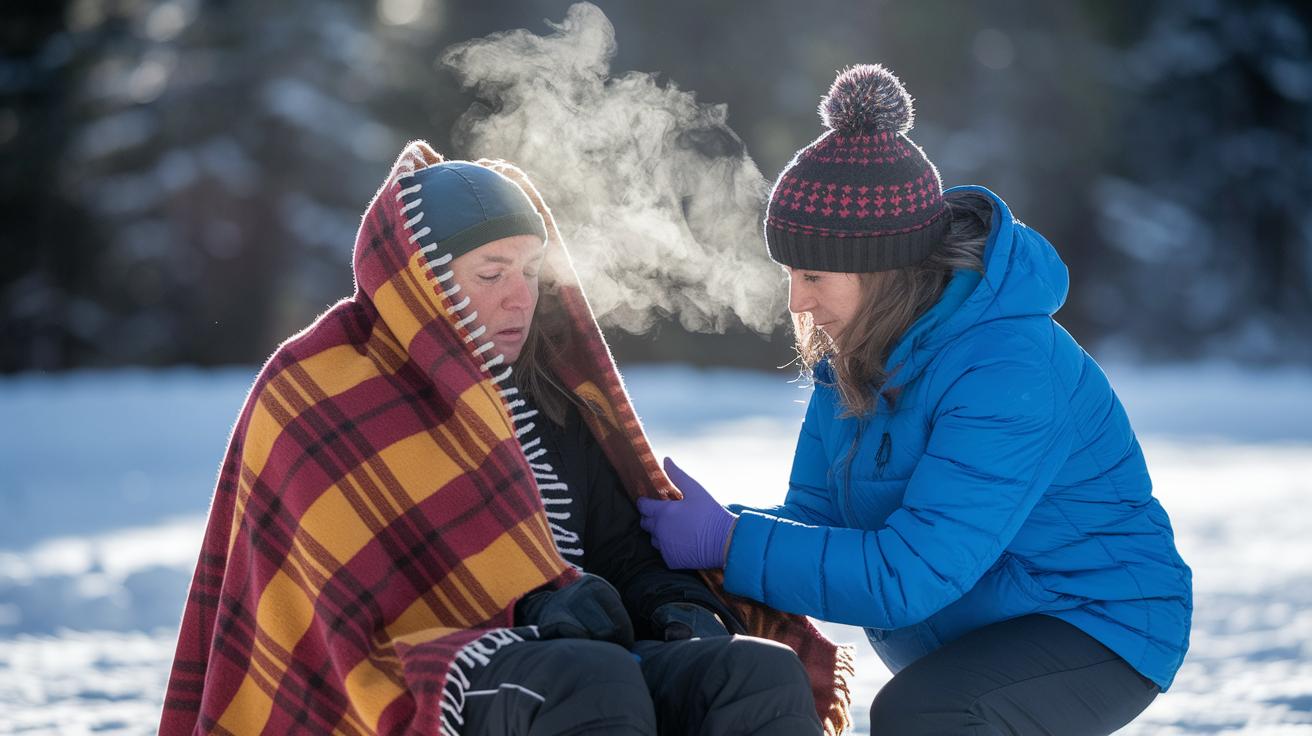

Quick take: When someone’s body temperature drops below 95°F, act fast to warm them and seek help.
• If the person is unresponsive or breathing abnormally, call emergency services now (911 in the US).
• If they show severe shivering, confusion, or loss of coordination, get urgent care immediately.
• If they are awake, move them to a warm, dry place and start first aid measures.
Hypothermia is more than just feeling cold. It happens when your body gets too cold, usually from long exposure to chilly or wet weather. Even mild cases can quickly turn dangerous.
Here’s what you can do:
- Move the person indoors to a warm room.
- Remove wet clothing gently and cover them with blankets.
- If they are awake and safe to drink, offer warm (not hot) beverages.
- Check their breathing and responsiveness often.
Keep track of the time and note any changes in their condition. Write down when you started warming them, how much they improved, and any new symptoms you see. This will help the clinician decide next steps.
Remember, every minute matters. Stay calm, act quickly, and call for help if you see any signs that the situation is worsening.
Core First Aid Steps for Hypothermia Rescue
Quick take: When someone's body gets too cold, act fast to warm them and get help.
If you see any of these red flags, call emergency services immediately:
- Confusion or unresponsiveness
- Slow or weak pulse
- Trouble breathing
Hypothermia happens when the body's inner temperature drops below 35°C (95°F). Every minute matters.
- Call for help right away if the person shows signs of moderate or severe hypothermia.
- Move the person to a warm, sheltered spot away from wind, rain, or snow.
- Carefully take off any wet clothes and replace them with dry items like blankets, towels, or even crumpled newspaper.
- Apply warm (not hot) compresses to the chest, neck, and head to gently raise the body temperature.
- If the person is awake and able to drink, offer a warm, sweet non-alcoholic beverage.
- Keep checking their breathing and pulse. Be ready to do CPR if necessary.
- Do not massage or rub the skin, as this can move cold blood toward the heart and make things worse.
Handle the situation carefully and follow these steps exactly. Always rely on professional help for a safe recovery.
Recognizing Hypothermia Signs and Severity Levels
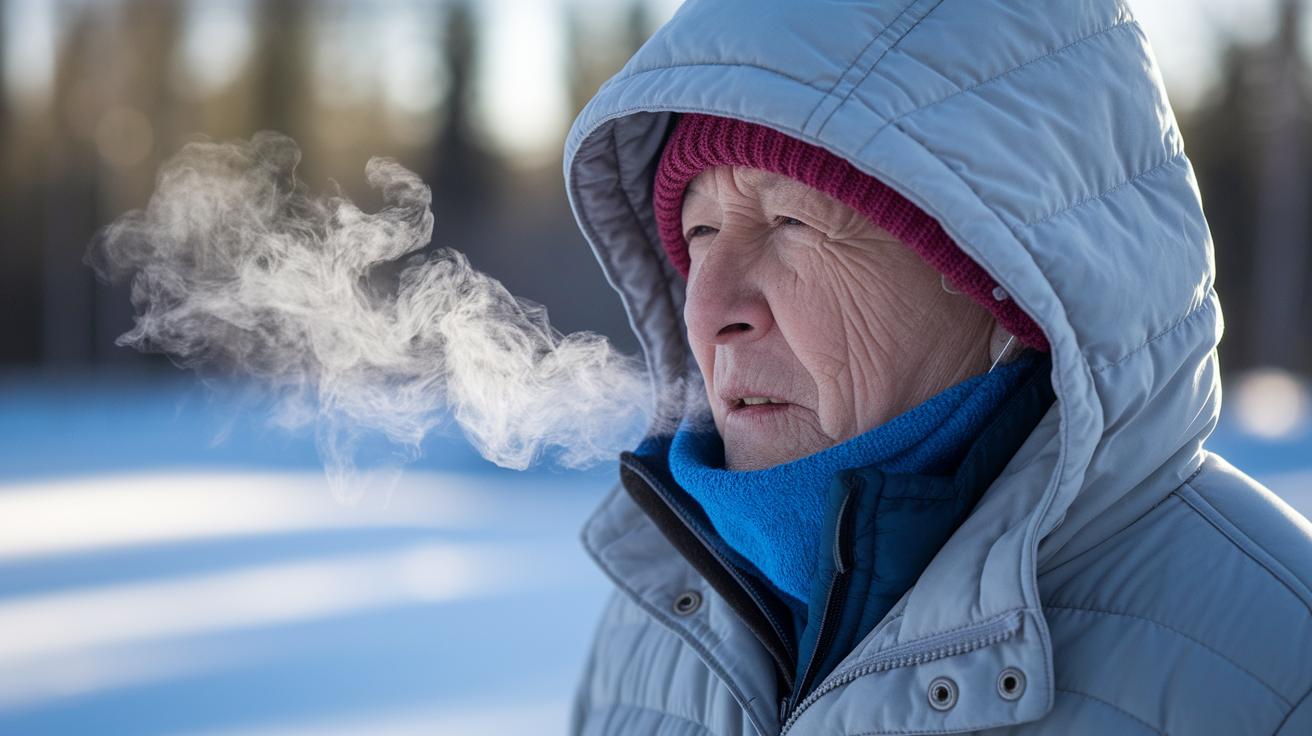
Quick take: Your body’s cooling can become dangerous fast, watch for changes and act quickly.
Triage:
• If you stop shivering, have very slow or no breathing, or lose consciousness, call emergency services now.
• If you notice severe confusion, slurred speech, or extreme drowsiness, seek urgent care immediately.
• For mild signs like shivering or clumsiness, warm up and keep monitoring your symptoms.
Mild Hypothermia Symptoms
When your body temperature drops to 32–35 °C (89.6–95 °F), you may start shivering, move clumsily, or feel confused. These are early signs that your body is trying to warm up. Acting quickly by getting into warm clothing or a heated area can help prevent further cooling.
Moderate Hypothermia Indicators
If your temperature falls between 28–32 °C (82–89.6 °F), you might experience violent shivering, slurred speech, and a deep drowsiness. At this stage, your body struggles to produce enough heat. It is important to get medical help as soon as possible.
Severe Hypothermia Warning Signs
When the temperature drops below 28 °C (82 °F), shivering may stop altogether. Breathing can become very slow or even stop, and you might lose consciousness. These are life-threatening signs that require immediate emergency treatment.
Safety Precautions and Emergency Response for Hypothermia Care
If you think someone has hypothermia, get them away from cold, windy, or wet areas right away. Gently move them indoors and take off any wet clothes. Cover them with dry, warm materials. Do not let them walk or exert themselves.
Call 911 immediately if the hypothermia is moderate or severe. Watch for changes in their condition. If they become unresponsive or stop breathing, start CPR following standard steps.
Keep checking their pulse and breathing. Apply warm compresses lightly on the chest, neck, and head. Avoid quickly warming the arms or legs since that can cause shock.
Preventing Hypothermia and Post-Treatment Care
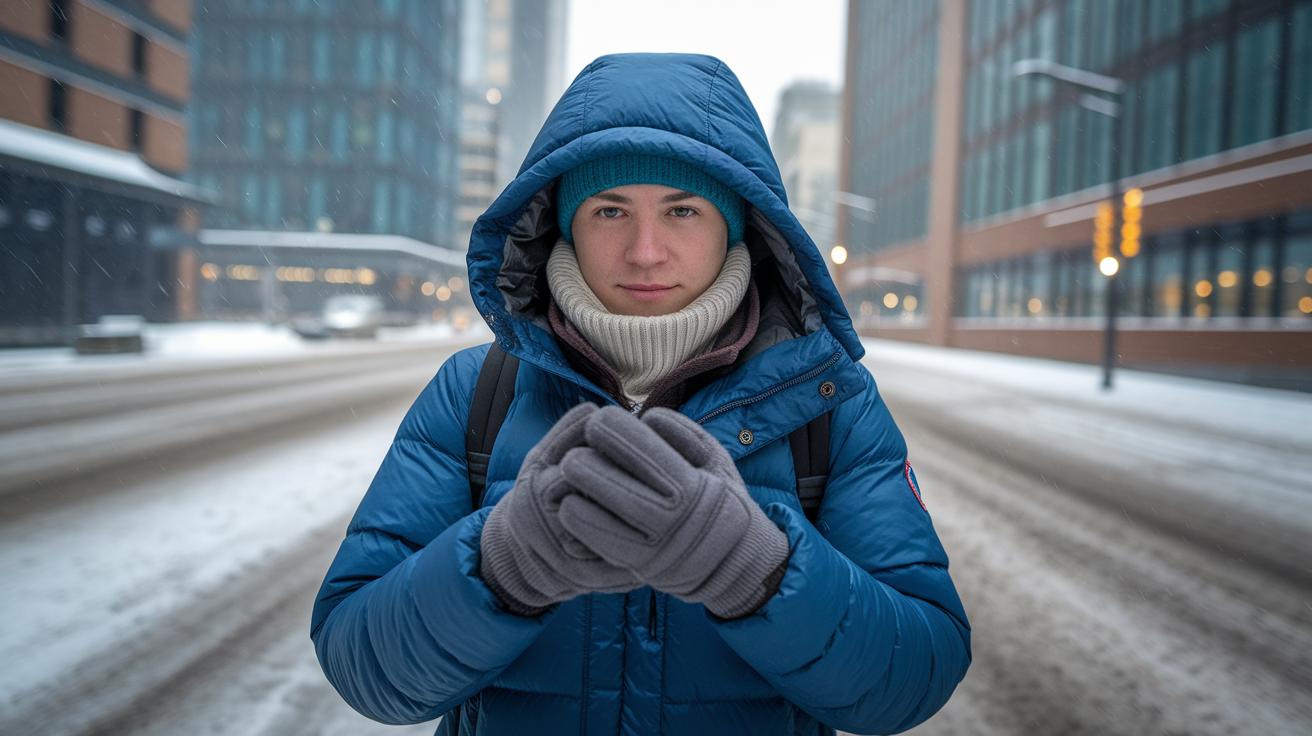
Quick take: Dress smart in layers when you're out in the cold and watch your body closely after warming up.
If you notice any of these signs, call emergency services now:
- A sudden drop in blood pressure
- A fast or irregular heartbeat
- Continuous chills, numbness, or tingling
When you go outdoors, wear several layers. Start with a base layer that pulls moisture away from your skin, add an insulating mid-layer, and finish with windproof outerwear. Cover your head, hands, and feet because these spots lose heat fast. Wear water-resistant clothing so you stay dry, and change out of wet clothes as soon as you can. Using hand or foot warmers during breaks can add extra heat.
When you’re indoors, keep your space warm. Aim for temperatures at or above 68°F. Use extra blankets and items like hot water bottles wrapped in towels to boost your warmth. Taking regular warm breaks inside helps keep your body heat steady when you’ve been in the cold for a long time.
After you warm up, keep an eye out for signs of rewarming shock. This means checking if you suddenly feel very weak, or if you start to feel dizzy or your heart beats fast. Rest in a warm, steady setting and take breaks to warm up again if needed. Watching your symptoms closely can help you recover safely.
Adapting Hypothermia First Aid for Special Populations and Settings
Pediatric Hypothermia Response
For children, especially infants, cold can hit fast. Warm them gently with warm blankets and remove any wet clothing carefully. Keep their head and chest covered. Watch for small changes like increased fussiness or sleepiness that may mean the cold is getting worse. Let a caregiver know right away if these signs appear.
Geriatric Hypothermia Response
Older adults cool down quickly because their body heat and circulation slow down with age. Dress them in extra layers and use blankets to add insulation. Use warm water bottles wrapped in a towel instead of applying heat directly. Keep a close eye for signs like confusion or slow reactions, and make sure they stay in a warm and steady environment.
Wilderness Hypothermia Strategies
If you are outdoors and someone shows signs of cold stress, move them to a safe spot away from the wind. Create a sheltered area if needed. Keep extra blankets, snacks with high energy, and water handy to help keep body heat up. If you are in a remote area, use body-to-body contact or build makeshift insulated barriers until you can reach help.
Home-Based Emergency Management
At home, support warm-up by using layered bedding and a warm water bottle safely, without using direct, high heat that might shock the body. Check frequently for any small signs of worsening cold stress. Adjust the room temperature to a comfortable level and add extra insulation when needed.
Final Words
In the action of first aid for hypothermia, this guide laid out essential rescue steps, early recognition signs, and preventative tips. The post walked through immediate safety measures, effective care in diverse settings, and even special approaches for kids and older adults.
The practical steps and checklists help you act quickly during emergencies. With clear directions and hands-on tips, staying prepared sparks hope and confidence in managing cold-related emergencies safely.