
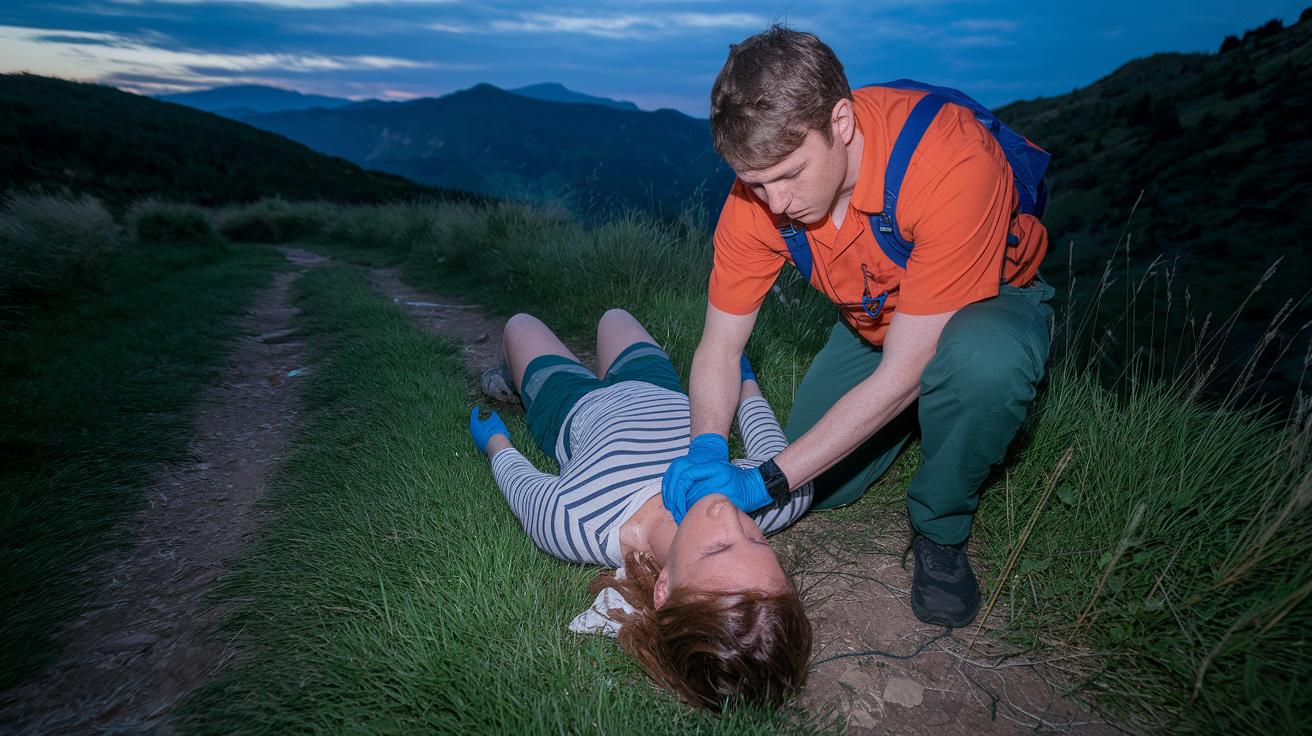

Quick take: A snake bite is serious. Act fast and follow these trusted steps until help arrives.
If you have a snake bite and notice signs like trouble breathing, severe swelling, or dizziness, call emergency services immediately.
Otherwise, take these steps:
• Remove any tight clothing or jewelry near the bite.
• Stay calm and try to keep the bite area lower than your heart.
• Remain still and wait for help.
These simple actions can help reduce harm while you get the care you need.
Snake bite first aid: Save lives quickly
A snake bite is a medical emergency. Call 911 or your local emergency service right away. Every second counts, so stay calm and follow proven steps to protect yourself.
First, take off rings, watches, and any tight clothing near the bite. Keep the bitten limb still and at or below your heart. Gently rinse the area with clean water and cover it with dry, sterile gauze.
Watch your breathing, pulse, and alertness while help is coming. Do not use a tourniquet, pressure bandages (especially for viper bites), ice packs, electricity, make cuts, use suction devices, venom extractors, or meat tenderizers. These methods can make tissue damage worse or trap the venom.
| Action | Reason |
|---|---|
| Call 911 immediately. | To get urgent care for venom effects. |
| Remove jewelry and tight clothing. | To prevent constriction as swelling begins. |
| Keep the limb still. | To slow the spread of venom. |
| Hold the bite at or below heart level. | To limit venom movement in your blood. |
| Gently rinse the bite area. | To remove debris without worsening the injury. |
| Cover with dry, sterile gauze. | To protect the wound from infection. |
| Avoid tourniquets and tight bandages. | To prevent additional circulatory issues and damage. |
| Do not use ice, electricity, cuts, or suction. | They may worsen tissue damage and spread venom faster. |
Follow these steps while you wait for emergency responders. Acting quickly and safely can reduce complications and help you get the care you need.
Differentiating Venomous and Dry Bites in Snake Bite First Aid
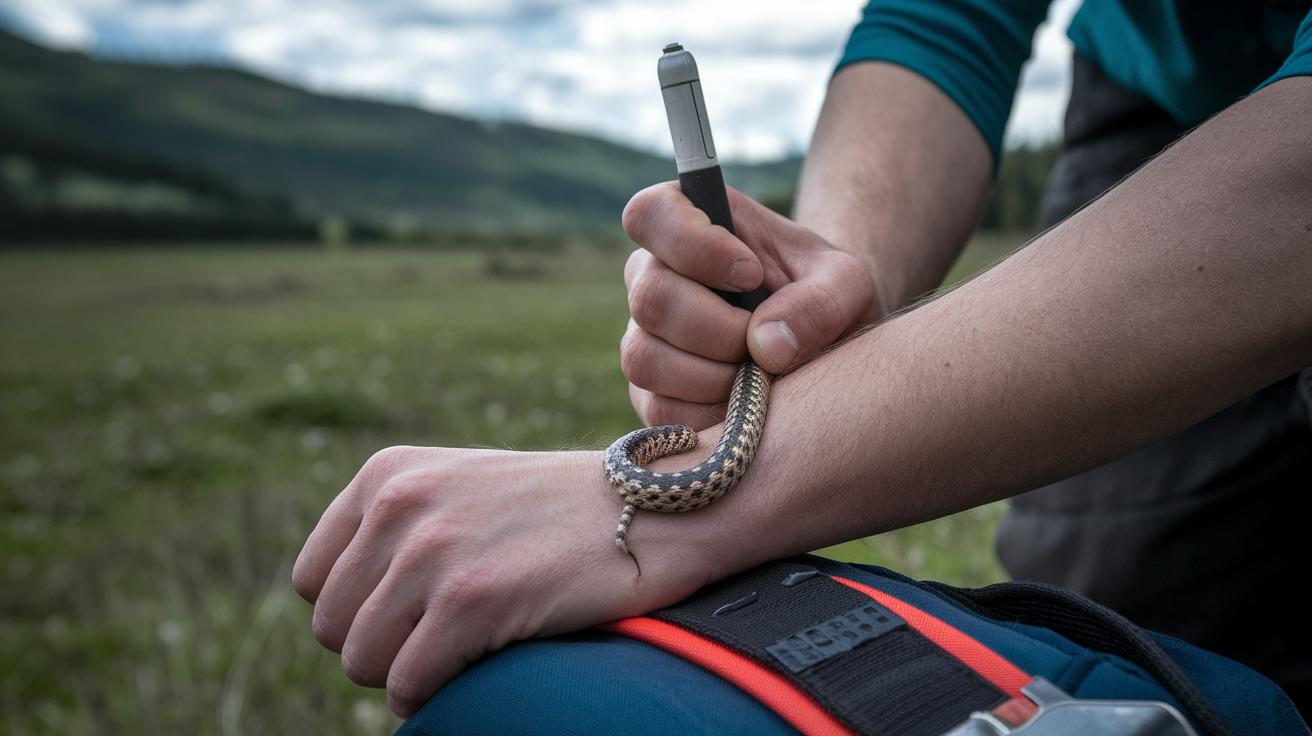
Quick take: Knowing if a snake bite is venomous or dry helps you act fast and safely.
Triage:
• If you see quick severe pain, heavy swelling, muscle twitching, trouble breathing, or a fast heartbeat, call emergency services now.
• If you notice redness, bruising, or muscle twitching that spreads, seek urgent medical care.
• Even if the bite appears dry, get checked right away because symptoms might show later.
Venomous bites often hurt immediately where you were bitten. You may see redness, swelling, or bruising soon after. Some people feel muscle twitching (small, involuntary movements) in the limb. These signs mean venom might have been injected. It is important to note the snake’s look from a safe distance and share those details with your doctor because they can help decide if you need antivenom or other treatments.
Dry bites usually show up as two small puncture marks, about ¾ inch apart. They might leak a clear fluid with a little blood. Even without venom, a dry bite needs a prompt check by a medical professional because symptoms can develop later.
Monitoring Symptoms and Severity in Snake Bite First Aid
Quick take: Keep a close watch on the bite and your overall state to catch worsening symptoms early.
Triage Box: If you notice any of these signs, call emergency services now:
• Severe pain that gets worse
• Swelling that spreads far from the bite
• New tingling, confusion, or changes in alertness
After a snake bite, you need to check the bite site and your body regularly. Even if you feel okay at first, venom effects can grow over time. Look for signs like rising pain, expanding swelling, and bruise-like patches. Check your breathing, pulse, and alertness every 5–10 minutes.
One case involved a young woman. She had no swelling or nerve issues at first, but soon her pain and swelling increased dramatically, and she developed bruise-like areas. This change meant she needed antivenom treatment. Also, if you feel severe pain when moving your arm or leg, it could be a sign (compartment syndrome) that the situation is serious.
Do not wait if you see these red flags. Increased pain, rapidly spreading swelling, or new nerve problems mean you should get help right away. Acting fast and keeping track of your symptoms can prevent serious complications.
Emergency Care and Antivenom Guidelines for Snake Bite First Aid

When you get to the hospital, doctors will run blood tests to check if your blood clots properly, if your muscles are damaged, and how your kidneys are working. They do these tests fast to see if the snake’s venom has harmed you inside. The results help decide if you need antivenom.
You may need antivenom if you notice swelling, bruising, tingling, or if you have severe pain when you move (this may show nerve injury). In Southern California, all native rattlesnake bites, from species like the Southern Pacific, red diamond, and southwestern speckled rattlesnakes, are treated with the same type of antivenom. Do not use tight bandages or tourniquets because they can make the injury worse.
While you are being transported and treated, healthcare staff will keep a close eye on your breathing, your pulse, and your blood flow. They check your vital signs over and over to catch any changes early, so you get the care you need right away.
Preventive Measures and Safety Practices for Snake Bite First Aid
If you spend time in areas where snakes live, these safe steps can help you avoid dangerous encounters.
If you see a snake up close, keep at least 6 feet away and do not try to touch it. If you are bitten, follow proper snake bite first aid guidelines immediately.
Here are simple ways to protect yourself:
- Wear strong boots and long pants when hiking or working in tall grass or rocky areas.
- Use a good flashlight at night so you can clearly see where you walk.
- Step on logs and rocks instead of stepping over them to avoid snake hiding spots.
- Keep your hands and feet away from tight spots and areas you can’t see well.
- Always stay at least 6 feet away from a snake. Don’t handle or bother them.
- If you own property, clear out thick brush and consider installing snake-resistant fencing near buildings.
- Carry a well-stocked first-aid kit and tell someone your route and when you expect to return.
Choosing the right clothing and gear not only keeps you safer but also gives you more confidence when you are outdoors. Sharing your plans with friends or family means help can reach you if something goes wrong. Stay prepared and enjoy your time outside safely.
Common Myths and Misconceptions in Snake Bite First Aid
Quick take: Unproven treatments may trap venom in your limb and make injury worse. If you’re bitten, do not rely on home remedies, seek professional help immediately.
Many people think snakebite kits or venom extractors can suck out the venom. In reality, these tools can hold toxins in place and worsen tissue injury. Similarly, using tourniquets or pressure bandages may seem helpful, but they can cut off blood flow (ischemia) and risk losing a limb, especially with viper bites. Other methods like ice, electricity, meat tenderizer, making incisions, or suction do not remove the venom and can actually add harm.
Even a dry bite (one that seems to have no venom) should be checked by a doctor because symptoms might show up hours later. Always trust evidence-based care and use antivenom as directed by a medical professional.
| Myth | Fact |
|---|---|
| Snakebite kits and venom extractors work | They trap toxins and worsen tissue injury |
| Tourniquets and pressure bandages keep you safe | They can block blood flow and may cause limb loss, especially in viper bites |
| Ice, electricity, or meat tenderizer help | These methods do not stop venom and can increase harm |
Final Words
In the action of managing a snake bite, we covered immediate steps, symptom checks, and what to avoid. We discussed distinguishing venomous from dry bites, precise emergency care, and safe preventive measures. We also clear up myths about unproven remedies that could worsen the injury.
Quick, evidence-based snake bite first aid can save time and reduce complications. Stay calm, act swiftly, and use these tips to keep yourself safe while waiting for professional help.
FAQ
What is the first aid treatment for a snake bite?
The first aid treatment for a snake bite is to call emergency services immediately, remove jewelry, keep the limb immobilized at or below the heart, rinse the wound gently with clean water, and monitor vital signs.
What should you do immediately after being bitten by a snake?
The immediate action after a snake bite is to call 911 or your local emergency service, keep the victim calm and still, remove tight clothing or accessories, and monitor breathing and consciousness until help arrives.
What are the 7 principles of snake bite management?
The 7 principles of snake bite management include calling emergency services promptly, immobilizing the affected limb, removing constricting items, avoiding harmful practices like tourniquets or ice, cleaning the wound gently, monitoring vital signs, and seeking rapid hospital evaluation.
What is the emergency management of snake bites?
The emergency management of snake bites involves quick access to professional care, where healthcare providers assess vital functions, perform blood tests, decide on antivenom necessity, and continuously monitor the airway, breathing, and circulation during transport.
How long does a snake bite take to kill you?
The time it takes for a snake bite to be fatal varies by snake species and venom dose; some can cause rapid, severe symptoms, so immediate professional care is crucial to reduce life-threatening risks.
What should a snake bite first aid kit include?
A snake bite first aid kit should include sterile gauze, splint materials for immobilization, and any supplies needed to help call for emergency assistance, but it does not replace urgent professional treatment.
How can I treat a snake bite without medical help?
The idea of treating a snake bite without medical help is unsafe; unproven methods like suction, incisions, or applying ice may worsen injury, making it vital to seek emergency care immediately.
What are common snake bite symptoms?
Common snake bite symptoms include severe pain, swelling, redness, bruising, and sometimes systemic signs like dizziness, nausea, or muscle twitching, which require prompt professional evaluation.
What is the specific first aid for copperhead snake bites?
The specific first aid for copperhead snake bites follows standard protocols: call emergency services immediately, keep the victim calm, remove constricting items, immobilize the bite area, and get professional medical help to assess if antivenom is required.