
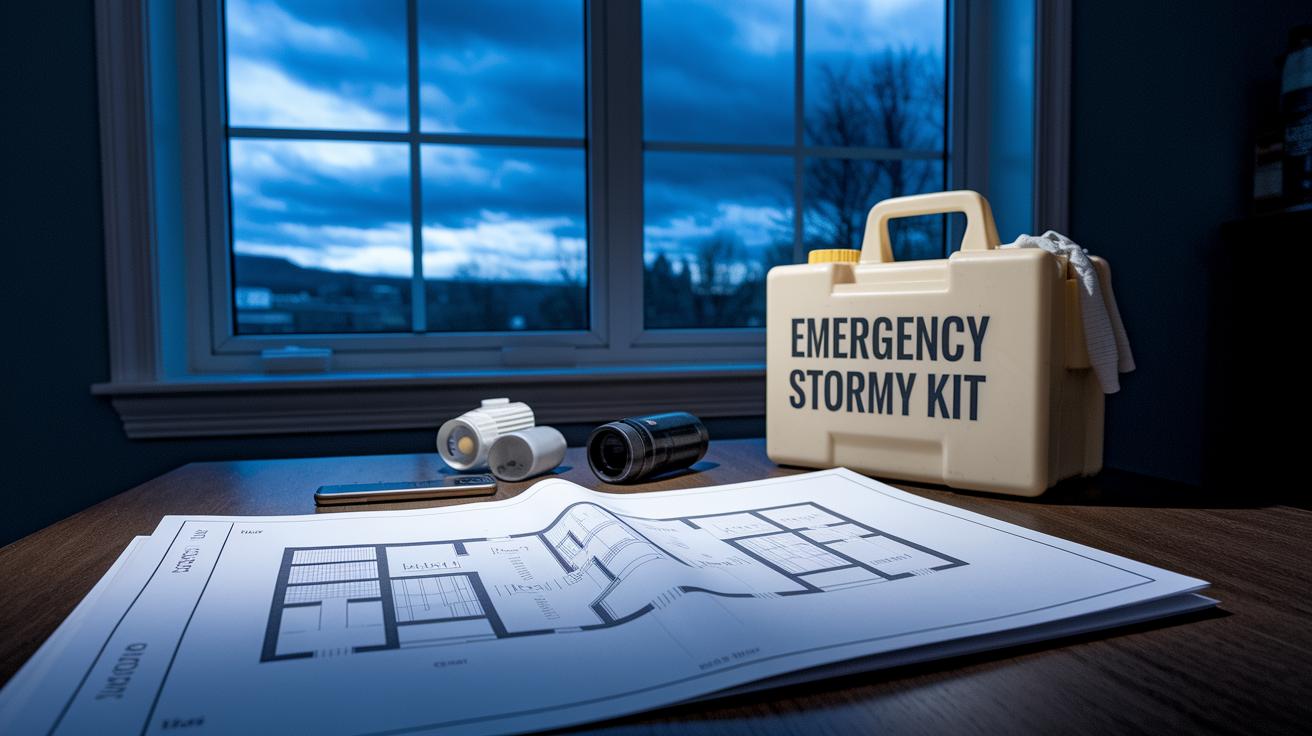

Quick take: An emergency plan is your lifeline when disaster strikes.
If you're in immediate danger, call emergency services now.
Planning ahead gives you a clear path to safety when floods, fires, or power outages hit. With a solid plan, you know exactly what to do and how to keep your family together.
Here’s how to get started:
• List your risks (for example, flood, fire, power outage).
• Write down what to pack and where to go.
• Keep emergency numbers and a simple checklist handy.
• Practice your plan with your family so everyone knows their role.
Taking action today means you’re ready to act fast when danger appears. Secure your future by planning now.
Emergency Plan: Secure Your Future Today
Quick take: Build your emergency plan now so you and your family know exactly what to do when danger strikes.
If you see immediate signs of a life-threatening event, such as a fast-moving fire or heavy flood, call emergency services right away.
Start by listing events that could affect you. Think of floods, fires, or power outages. For example, if a fire starts, know how to leave fast and where to meet outdoors. A set meeting spot helps if you get separated from your family.
Next, create a checklist for your household. List essential items like food, water, first aid kits, and portable chargers. If someone needs extra help, include items like extra medications or mobility aids.
Keep your plan up to date. Schedule a review once a year and practice your plan with drills. For example, check your supplies every 3 months or agree on a local safe spot. Testing your plan can show you any gaps and build confidence for everyone.
You can also use tools like a family survival guide in PDF format or a FEMA preparedness guide. These resources break tasks into clear steps and help you focus on the risks in your area. Many families have said that having a good emergency plan saved them crucial time during a crisis.
Plan now so you have a clear, quick course of action when emergencies strike.
Assessing Risks: Disaster Readiness Framework for Your Emergency Plan

Quick take: Know your local dangers and plan ahead to keep your home and family safe.
Triage Box:
• Call emergency services immediately if your home is unsafe after a severe event.
• Seek help if you see signs of major structural damage.
• Act fast if a threat is rapidly worsening.
Start by looking at your area to spot potential dangers like floods, fires, and earthquakes. This local check helps you see which events are most likely and where they might hit. Knowing these risks lets you build a strong disaster plan.
Next, make a simple risk chart. List each threat and give it a score for how likely it is and how serious its effect might be. For example, a fast-spreading fire gets a high score, while a mild flood might score lower. This chart guides you to focus on the most dangerous risks first.
Then, design a special plan for your home. If your house is older or has unique challenges, note what parts need extra care. This plan helps cover everyone’s needs, especially if someone needs special attention during an emergency.
Finally, set up a regular schedule to check and update your plan. Mark dates on your calendar to review risks, test your emergency supplies, and practice drills. Keeping your plan current means you’re ready to act when things change or an emergency strikes.
Designing an Urgent Response Blueprint in Your Emergency Plan
Quick take: Set clear steps and roles now so you know what to do in an emergency.
Triage Box:
- Call emergency services immediately if any life-threatening signs occur.
- Follow your public alert guidelines to send out a quick warning.
- Activate your response plan and use your evacuation routes without delay.
Start by mapping out clear evacuation routes. Mark safe assembly points where everyone can meet safely outside. Give each person a role. For example, one person can grab essential supplies while another checks that everyone is safe.
Then, write down a list of specific steps for different emergencies like fires and floods. Use an incident reaction manual as your guide so you never miss a critical action. Look at a FEMA preparedness guide for setting up reliable alerts that notify your family or coworkers quickly. Use that guide again when you update your plan to keep it current.
Design your response plan as a living document. Test it with drills and update the roles and routes regularly so you stay ready when every moment counts.
Personal and Family Emergency Plan Template

This guide brings together the key steps you need for emergencies. Use these points to build a clear plan.
- Create a list of your important items. Write down your ID, insurance papers, medications, and contact numbers. For example, keep an updated checklist with your ID, insurance info, and prescription details.
- Make a supply list for a crisis. Include water, non-perishable foods, batteries, and basic first aid supplies. Check a detailed survival kit checklist PDF for more ideas.
- Draw two safe exit routes from your home. Practice these routes with everyone in your family. Also, note any extra needs for family members, like special medications or mobility tools.
- Set a regular reminder to review and update your emergency plan. Record any changes in your family’s needs and update your supply list as needed.
Extra resources like a family survival guide PDF can offer additional tips for plans tailored to your household.
Emergency Plan Communication and Coordination Protocols
Quick take: Clear and quick messages can save lives in an emergency.
Triage Box:
- Call emergency services immediately if you see life-threatening signs.
- Open your emergency communication app right away.
- Follow your crisis communication plan for clear, direct instructions.
Set up a regular routine to update your family and friends on your status. Use group messages or scheduled check-in calls to let them know if you are safe or need help. Make a simple list of contact details for close family and nearby friends to ensure you have a reliable network.
Create a response plan that assigns clear roles to everyone involved. This plan should cover basic safety steps and identify safe meeting spots. Keeping a printed or digital family survival guide can help you review and update your plan later.
Use trusted channels to share information. Whether it is a group chat, an SMS, or a dedicated app, test these channels before an emergency happens. Practice these steps with regular drills so everyone understands what to do. Recording updates and plans on paper or online helps you stay prepared each time you check your plan.
Emergency Plan Drills and Training Strategies

Quick take: Regular, realistic drills help everyone know their role if danger strikes.
Triage Box:
- If a drill reveals immediate life-threatening issues, call emergency services.
- If gaps appear in evacuation routes, update them right away.
- After the drill, hold an evaluation and training session immediately.
Plan your safety drills at least twice a year. Follow your evacuation route guide during these exercises to mimic real conditions. Write down each step and assign roles clearly. For example, one person may be tasked with gathering emergency supplies, while another ensures everyone leaves safely.
After each drill, take a few minutes to review what went well and what needs improvement. List out any changes needed, such as faster exit timing, better route accuracy, or clearer instructions. Small improvements over time build a quicker and more effective response during an emergency.
Also, set up pre-disaster training sessions for everyone involved. These sessions cover basic safety techniques and explain emergency terms in simple language. Practicing regularly builds confidence and helps spot any weak points in your plan. Use each drill as a chance to update your protocols so you’re always ready for the unexpected.
Emergency Plan Recovery and Continuity Operations
Quick take: Prepare recovery steps now to help keep important functions running safely after an emergency.
Triage Box:
- If you notice damage that puts you in danger, call emergency services right away.
- Follow clear recovery steps to bring services back up.
- Activate your emergency plan for both business and public safety.
After an emergency, your goal is to restore key services quickly and safely. Start by writing out step-by-step instructions to get back your utilities, communication, and infrastructure. For example, list tasks like:
- Check your power and water supply.
- Make sure your security systems are working.
- Call service providers if any services are disrupted.
Next, add a continuity plan to your emergency plan. This plan assigns specific roles to family members or team members so that everyone knows what to do during recovery. Write down each person’s tasks to keep essential work going until things return to normal.
For business and public safety, prepare simple guidelines you can use right away. These might include securing your building, setting up safe work areas, and letting employees or neighbors know about any hazards. You might also set up a small team to contact local volunteers or community outreach programs for support.
Finally, keep an incident log that notes every recovery step, including the time each action was taken and how well it worked. This log helps you see what went well and where improvements are needed for the future.
Final Words
In the action, you explored steps to build a solid emergency plan. You learned how to assess hazards, design urgent response blueprints, and set up personal and family checklists. You also saw how clear communication and regular drills can boost readiness during tough times.
This guide gives you practical steps to act safely and confidently. With a well-practiced emergency plan in hand, you’re better prepared to protect your loved ones and stay resilient when it matters most.
FAQ
What is an emergency plan?
An emergency plan is a clear set of steps you follow during a crisis. It outlines actions, resources, and communication methods to keep you and your loved ones safe.
What are the five components of an emergency plan?
The five components include ways to communicate, a designated meeting spot, a list of supplies, clear action steps, and a record of important contacts.
How do you write an emergency plan?
Writing an emergency plan means you assess risks, establish clear procedures like evacuation routes, list necessary supplies, and customize details for family members who need extra help.
What are the seven steps in an emergency action plan?
The seven steps include assessing risks, creating procedures, establishing an alert system, choosing meeting points, preparing supplies, practicing drills, and reviewing the plan regularly.
What are examples of emergency plan templates and resources?
Examples include ready-made emergency plan templates, family emergency plan PDFs, and Word documents that provide clear formats and checklists for household or specialized needs.
How does a household emergency plan for fire work?
A household emergency fire plan details safe evacuation routes, specifies a secure meeting location, and includes steps to verify that everyone in the home is accounted for quickly.