
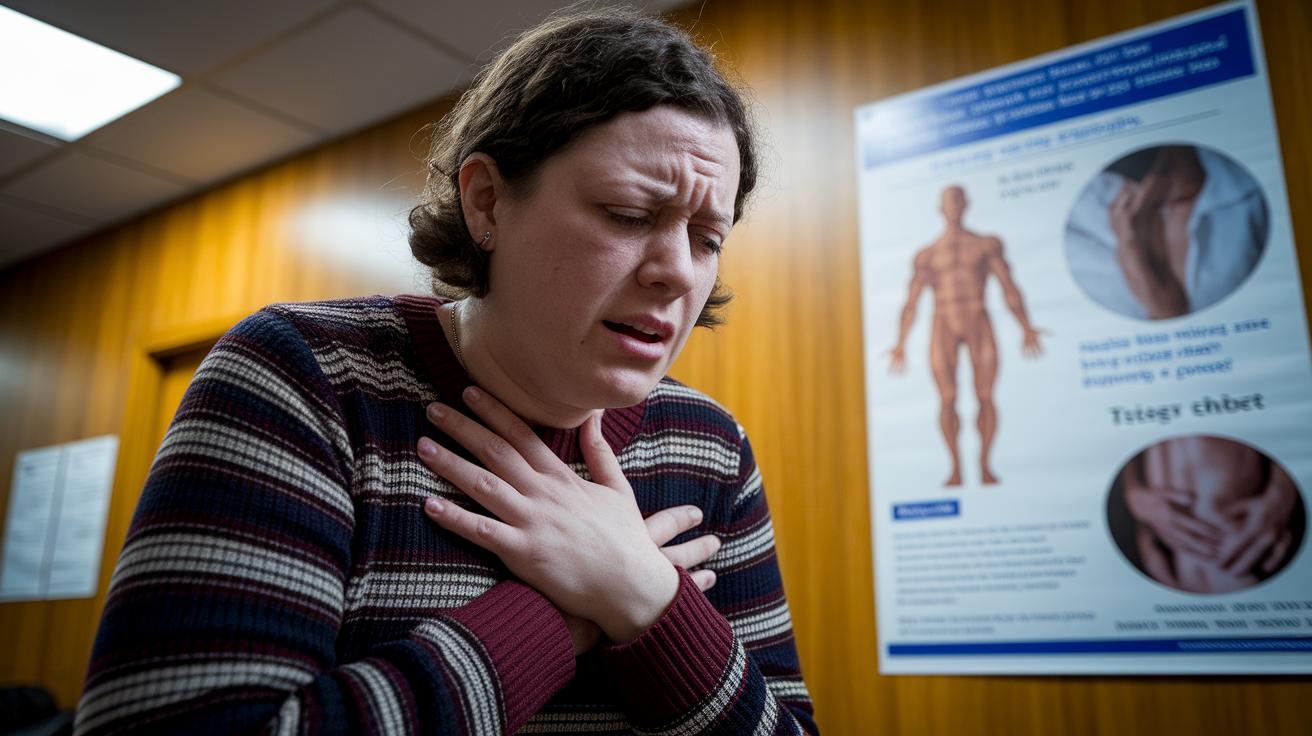

Quick take: Chest tightness might be a sign of stress or something more serious.
If you have chest tightness that lasts more than a few minutes, feels like a heavy squeeze around your heart, or comes with pain in your arm, jaw, or shoulder, call emergency services immediately.
Sometimes you may feel a sudden squeeze in your chest that worries you. It can feel like a tight band around your heart. Even if the tightness goes away quickly, it might be a sign that something isn’t right.
This guide explains when chest tightness should be taken seriously and why tracking your symptoms is important. Watching your symptoms closely can help you decide when to get medical care and protect your heart.
Assessing Chest Tightness: When to Seek Immediate Care
Quick take: A heavy chest squeeze can be life threatening.
If you have any of these emergency signs, call 911 now:
- Chest tightness along with shortness of breath.
- A crushing chest pressure with sweating or nausea.
- Feeling lightheaded or passing out.
- Pain that gets worse when active or does not ease with rest.
Chest tightness can signal serious heart problems. Even if the discomfort lasts only a few minutes, it could be a sign of an underlying heart issue. The pain may feel like a heavy squeeze under the breastbone that spreads to your back, jaw, or arms.
It is very important to watch your symptoms. Note when the tightness starts, what makes it worse or better, and any extra signs like heavy sweating or unusual tiredness. Even if the pain seems mild at first, if it gets stronger or comes with other worries, do not wait. Call 911 or go directly to your nearest emergency department.
Real symptoms need real action. Taking prompt steps now could help rule out serious conditions like a heart attack. Stay alert and safe.
Cardiac Causes of Chest Tightness

Acute Myocardial Infarction
A blockage in a heart artery can lead to a heart attack. You may feel a heavy, crushing squeeze in your chest below the breastbone that spreads to your arm or back. You might also break out in a sweat and feel nauseous. These signs are serious, so if you experience them, call emergency services right away.
Stable and Unstable Angina
Angina happens when your heart does not get enough oxygen. With stable angina, you get chest tightness during exercise or stress and it eases with rest or nitroglycerin. Unstable angina can strike even when you are resting. This unpredictable pain means your heart may be in trouble, and you should see a doctor soon.
Congestive Heart Failure
When the heart can’t pump well, fluid can build up in the lungs. This may cause constant chest tightness and make breathing hard, especially when you lie down. You might wake up at night feeling out of breath (paroxysmal nocturnal dyspnea) or have trouble sleeping flat (orthopnea). These symptoms need careful follow-up with a healthcare provider.
Pericarditis
Pericarditis is inflammation of the heart’s lining. It can cause a sharp, positional pain that feels tighter when you lie down and often gets better when you sit up or lean forward. This condition may follow a viral infection and should be checked by a doctor to avoid further problems.
Hypertrophic Cardiomyopathy & Mitral Valve Prolapse
A thick heart muscle (hypertrophic cardiomyopathy) or a floppy heart valve (mitral valve prolapse) might lead to occasional chest tightness. You may also notice heart palpitations or even fainting (syncope). Even if the pain is brief, it’s important to get a full heart check-up to ensure the right treatment.
Respiratory Conditions Triggering Chest Tightness
Asthma
Quick take: Asthma can make it hard to breathe and cause chest tightness.
When you have asthma, your airways narrow and swell. This limits the air that flows in and out, which can feel like your chest is tight. You may also hear wheezing and feel a bit of rib ache when you cough or take a deep breath.
• If you struggle to breathe, seek help immediately.
• If your symptoms get worse, call emergency services.
Pneumonia and Bronchitis
Quick take: Infections like pneumonia and bronchitis can make your chest feel heavy and tight.
These infections inflame your lung tissue, causing chest pain when you take a deep breath or cough. The discomfort often spreads across your chest and sides. Coughing fits, especially with extra mucus, can make the pain and tightness worse.
• If you experience worsening pain or have trouble breathing, get medical help soon.
Pulmonary Embolism
Quick take: A sudden blockage in your lung can cause one-sided chest tightness and trouble breathing.
A pulmonary embolism happens when blood flow in your lung arteries is blocked quickly. This can give you a fast heartbeat (tachycardia, meaning your heart beats quickly) and low oxygen levels (hypoxia, meaning not enough oxygen in your blood). The tightness might occur on one side of your chest along with breathing difficulties.
• This is dangerous. Call emergency services or go to the nearest emergency room right away.
Pleuritis
Quick take: Inflammation of your lung lining can cause sharp, stabbing chest pain.
Pleuritis makes the thin covering around your lungs inflame. When you breathe in, you might feel a sharp, stabbing pain in a small area along your rib cage.
• If the pain is severe or lasts long, check in with your healthcare provider.
Pneumothorax
Quick take: A collapsed lung can cause sudden, one-sided chest tightness and breathing trouble.
A pneumothorax means part of your lung has collapsed. This can give you sudden tightness in your chest, usually on one side. You might also notice that breathing sounds are quieter on the affected side.
• This is an emergency. Get evaluated by a doctor immediately.
Gastrointestinal and Acid Reflux-Related Chest Tightness

Quick take: Digestive issues can cause chest tightness that feels like heart pain, but there are clues you can check.
If you have any of these emergency signs, call emergency services now:
- Severe pain spreading to your arm, neck, or jaw
- Difficulty breathing or shortness of breath
- Sudden, intense chest pain
- Dizziness or feeling faint
Digestive problems like acid reflux can make your chest feel tight. Acid reflux happens when stomach acid flows back into your esophagus (the tube from your mouth to your stomach). This causes a burning pain that might be confused with a heart attack. For example, eating spicy food can trigger a sharp, searing burn that worries you.
A hiatal hernia occurs when part of your stomach pushes up through the diaphragm (the muscle that helps you breathe). This makes acid hit your esophagus more and can cause discomfort after meals.
Esophageal spasm is another condition that causes chest tightness. Unlike acid reflux, the pain from a spasm comes on suddenly and can be very strong, sometimes mimicking heart pain.
Peptic ulcers also contribute to burning in the upper and middle chest. These ulcers (sores in your stomach or small intestine) often hurt around mealtime or when you're stressed. Noticing when the pain comes can help you tell if it is from your digestive system, not your heart.
Musculoskeletal and Costochondritis in Chest Tightness
Quick Take: Chest tightness can stem from problems in your chest wall, not necessarily from your heart.
If you feel pain or tightness when you press on your chest, it could be due to costochondritis. This happens when the cartilage (the soft tissue that connects your ribs to your breastbone) becomes inflamed. For example, if pressing on one side of your chest makes the pain worse, costochondritis might be the reason.
Muscle strain is another common cause. Heavy lifting, intense coughing, or overworking your chest during exercise can lead to aching tightness that worsens with movement. Imagine finishing a heavy coughing fit and feeling a sore, tight chest afterward.
A rib fracture can also cause chest tightness. This injury leads to sharp pain in a specific spot and usually heals over 4 to 8 weeks. The pain is very focused and may get worse when you touch or move that area.
What to Do Now:
• Check if your chest feels tender when touched.
• Watch if the pain gets worse when you move.
• Rest and consider using anti-inflammatory steps to help ease the pain.
If your pain becomes very sharp, spreads, or if you have trouble breathing, you should seek medical care right away.
Anxiety, Panic Attacks, and Psychosomatic Chest Tightness
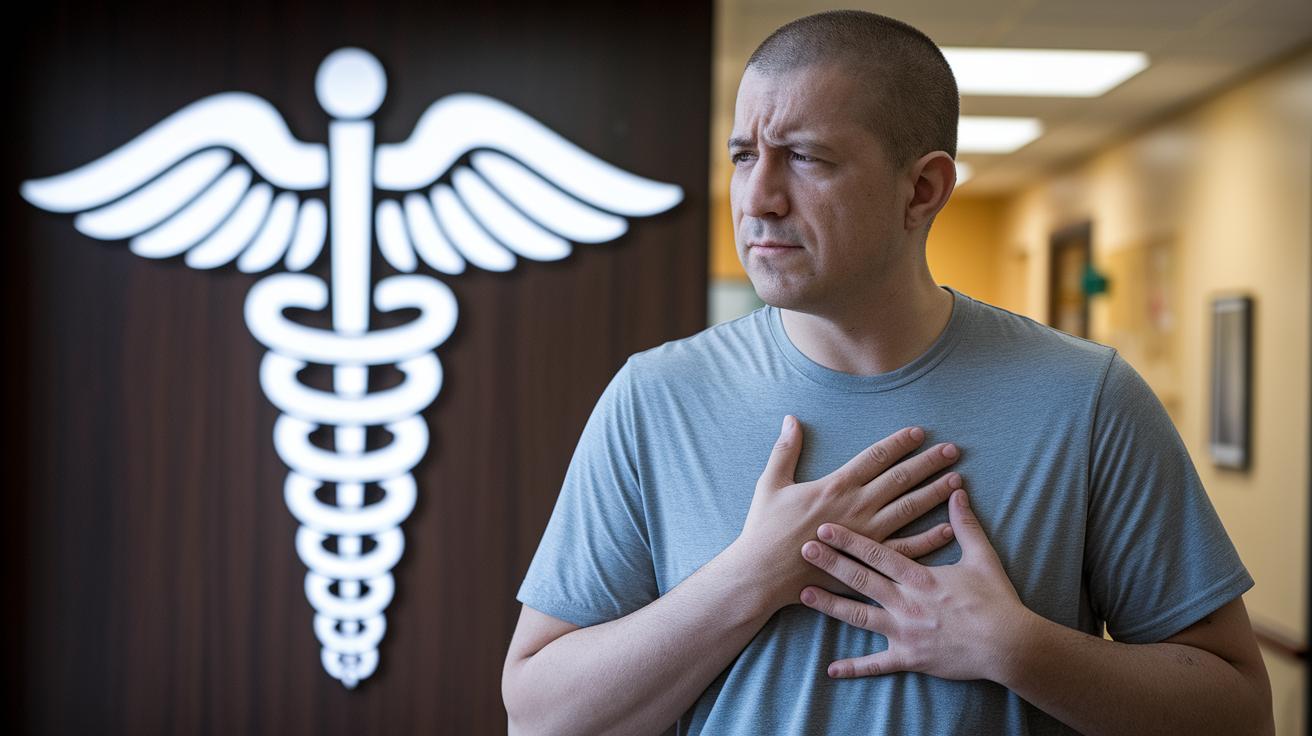
Quick take: Anxiety can make your chest feel tight, but if you experience crushing pain or other red flags, seek help immediately.
If you have any of these emergency signs, call emergency services now:
- Crushing chest pain
- Pain that spreads to your arm or jaw
- Severe shortness of breath
Most of the time, anxiety-related chest tightness is not from a heart problem. When you feel stressed or anxious, your body can react with a tight, squeezing feeling in your chest. This happens because your muscles tense up and your heart beats faster. You might also notice faster breathing and sweating as your body switches into fight-or-flight mode. These symptoms can feel very alarming, but they usually ease as your body calms down.
Unlike a heart attack, anxiety brings a squeezing grip rather than a crushing pain. Sometimes you might also feel lightheaded or worry that you're losing control. In moments like these, focus on calming your body. You can use simple techniques, such as deep breathing and mindful relaxation, to help lower your heart rate and reduce the tightness.
Try these steps when you feel anxious:
- Breathe slowly and deeply, using your diaphragm (this means breathing in a way that expands your belly)
- Sit or stand up straight to keep your posture in check
- Tense and then relax your muscles one group at a time
- Imagine a calm place or a peaceful scene in your mind
These easy actions can help you regain a sense of calm and ease the tightness in your chest. Remember, if your symptoms worsen or you develop new signs like severe pain, don’t hesitate to seek medical help.
Diagnostic Approach: Evaluations and Tests for Chest Tightness
Quick take: Chest tightness can come from several causes. It might signal a heart issue, lung problem, digestive concern, or even stress. If you experience severe symptoms with chest pain, trouble breathing, or dizziness, call emergency services now.
If you have any of these emergency signs, call emergency services now:
- Intense chest pain with pressure or squeezing
- Difficulty breathing or sudden faintness
- Pain spreading to your arm or jaw
If you also have cough, fever, or breathing trouble, seek urgent care.
Your doctor will start with simple tests. First, an ECG records your heart’s electrical signals. This test checks for heart problems like low blood flow (ischemia), irregular heartbeats, or a heart attack. It helps show if your chest tightness comes from your heart.
Next, a chest X-ray looks at your lungs. It can reveal conditions like pneumonia, pleural effusion (fluid build-up around the lungs), or a collapsed lung. This test is especially useful if you have cough or breathing problems along with chest tightness.
For concerns about heart arteries, your doctor might suggest a stress test or coronary angiography. With a stress test, you exercise while your heart is monitored to see how it handles stress. Coronary angiography gives a detailed view of blood flow in your heart arteries, spotting any blockages.
To check for digestive causes, tests like an endoscopy (a small camera used to look at your insides) or esophageal pH monitoring (measuring acid levels in your food pipe) may be done. These exams help spot acid reflux or esophageal spasms that can mimic heart pain.
If stress or anxiety might be behind your chest tightness, a psychological screening can help figure that out. This test is valuable when other causes are ruled out so your treatment can match the real problem.
| Test | What It Finds |
|---|---|
| ECG | Heart rhythm issues, signs of heart attack |
| Chest X-ray | Pneumonia, fluid build-up, lung collapse |
Home Care and First Aid for Chest Tightness

Quick take: Chest tightness may stem from anxiety, heartburn, or muscle strain. Watch your symptoms closely and act if they worsen.
If you have any of these emergency signs, call emergency services now:
- Trouble breathing
- Severe pain or rapid breathing
- Increasing chest pressure
For many people, mild chest tightness can be managed at home. Start with simple breathing exercises. Breathe slowly by letting your belly rise on the inhale and fall on the exhale. This helps calm your body if anxiety or bronchospasm (narrowing of the airways) is causing the tightness.
If your chest feels like it is burning, it might be related to acid reflux. An over-the-counter antacid or H2 blocker (a type of medication that reduces stomach acid) can help. Just be sure to follow the label’s directions carefully.
If your tightness comes from muscle strain, try gentle chest stretches and adjust your posture. Sitting or standing up straight helps open your chest, and light stretching around your rib cage may ease the discomfort. A warm compress on your chest can also soothe muscle pain.
Drinking a small cup of herbal tea, like chamomile or peppermint, might help with digestion and further reduce chest tightness.
Keep a simple log of your symptoms. Write down the time, what you did, and how you felt afterward. If your breathing gets more difficult or the tightness gets worse, seek medical care. Always trust your feelings and act quickly if you notice any red flags.
Final Words
In the action, this guide broke down the many faces of chest tightness, from heart-related issues and lung conditions to digestive triggers, musculoskeletal problems, and stress responses. We highlighted red flags and clear steps for assessing and tracking symptoms.
You now have a simple roadmap for triaging chest tightness with practical home care and first aid tips. Stay alert, document changes, and act swiftly when required. Take care by keeping close tabs on your symptoms, ready to seek professional help if needed.
FAQ
How to relieve chest tightness?
The chest tightness relief methods include deep, slow breathing, diaphragmatic exercises, and proper posture. These techniques can help ease muscle tension. If shortness of breath or worsening symptoms occur, seek emergency care.
What are common chest tightness symptoms?
The chest tightness may feel like a pressure or squeezing under the breastbone. It can sometimes accompany lightheadedness, sweating, or shortness of breath, especially if related to heart or lung issues.
What causes chest tightness?
Chest tightness can be linked to heart conditions, lung problems, acid reflux, muscle strain, or anxiety. Each cause carries distinct signs that help guide the need for further evaluation.
Where is anxiety chest pain located?
Anxiety chest pain is typically felt in the center of the chest, often described as a pressure or tightening sensation stemming from stress-induced muscle tension.
How does chest tightness feel in the center of the chest?
Chest tightness in the middle is often experienced as squeezing or pressure beneath the breastbone. In women, the discomfort may be less severe yet still signal that a medical evaluation is necessary.
What does a weird feeling in your chest without pain indicate?
A strange sensation in your chest without true pain might relate to anxiety, mild reflux, or slight muscle strain. Monitor these symptoms and consult a clinician if the feeling intensifies or new symptoms arise.
- Breathing techniques for diaphragmatic control
- Postural adjustment to reduce chest wall strain
- Relaxation exercises such as progressive muscle relaxation
- Meditative practices like guided imagery