
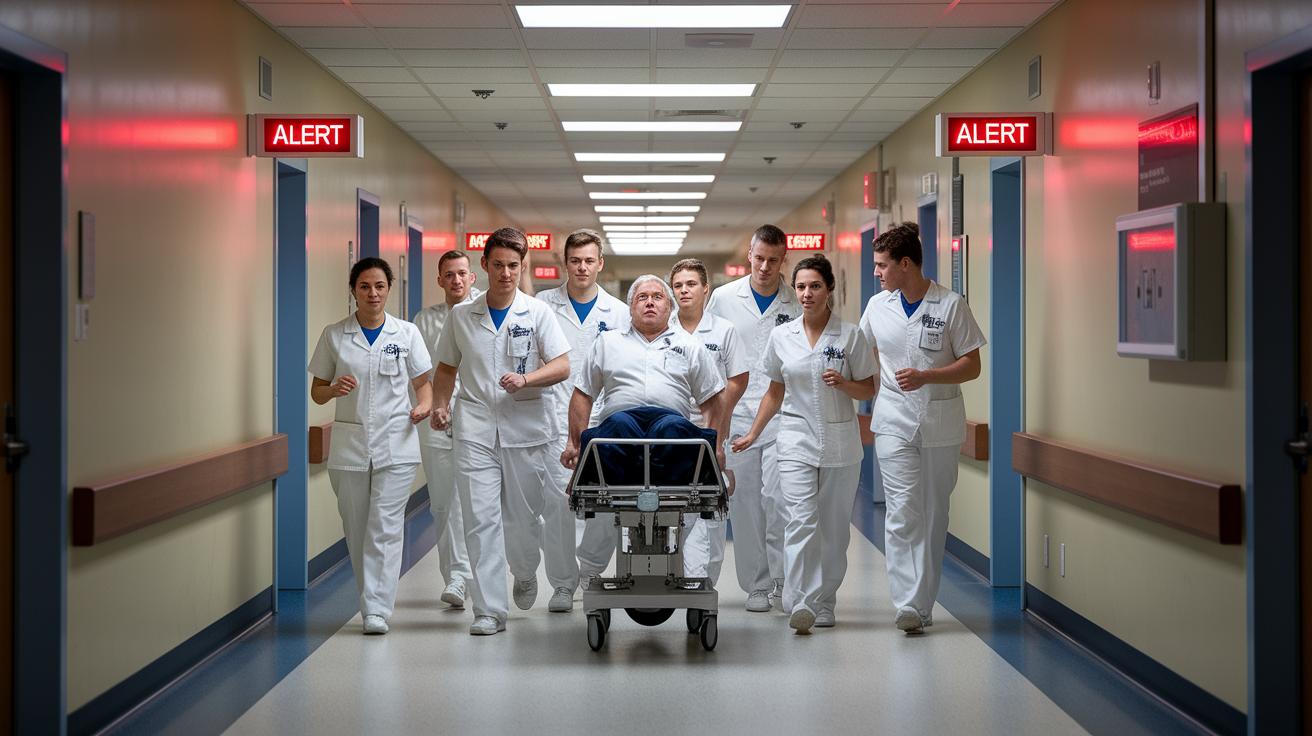

Quick Take: Acting within seconds when stroke signs appear can save your brain.
If you notice any of these warning signs, call emergency services immediately (911 in the US):
• Weakness on one side of the body
• Slurred or garbled speech
• Trouble speaking or understanding others
Time is critical. Quick treatment speeds vital care that can save brain cells and lessen lasting harm. Recognizing these signs and acting fast is your best chance for a smoother recovery.
Rapid Activation of Emergency Stroke Protocols
Quick take: Act fast if you see signs of a stroke.
If you see any of these signs, call emergency services now:
- Sudden loss of balance
- Drooping or uneven face
- Weakness in an arm
- Slurred or confused speech
- Sudden vision changes
A stroke is a medical emergency. Every second counts when these signs appear. Use BE FAST (Balance, Eyes, Face, Arms, Speech, Time) as a quick check. For example, if you notice someone’s arms are weak and their speech is confused, that is a clear sign.
The moment a stroke is suspected, start the emergency stroke protocol. This means calling the stroke team at the hospital right away. Emergency responders and people nearby should notify the emergency department immediately. This pre-alert speeds up vital steps like the door-to-CT scan and door-to-needle treatment times.
If the stroke is likely due to a blockage (ischemic stroke), a clot-busting treatment called tPA (tissue plasminogen activator) must be given within 3-4.5 hours of symptom onset. The sooner treatment starts, the better the chance of a good recovery.
Follow these steps to get help quickly:
- Check for signs using BE FAST.
- Call for help and activate the stroke code without delay.
- Pre-notify the emergency department stroke team.
- Get ready for a fast CT scan to see if the stroke is due to a blockage or bleeding.
- Let the team decide if you need clot-busting therapy or other treatments.
Acting fast can reduce brain damage and improve recovery. When a patient arrives at the emergency department, a full check helps decide the best treatment. The quick use of imaging and tests guides the clinicians. Remember, every minute saved could make a big difference in long-term outcomes.
Pre-Hospital Assessment and EMS Stroke Protocols

EMS crews are the first to spot stroke signs and gather key details. They ask questions like "When did you notice the weakness?" and "How quickly did your speech change?" This history helps guide treatment.
EMS teams use a clear process to recognize stroke. They check for signs like sudden weakness, slurred speech, and balance problems. One paramedic said a quick BE FAST check helped find the stroke early. That kind of detail speeds up care.
EMS also pre-alerts the hospital about a suspected stroke. By calling ahead, the hospital can get ready for a fast CT scan and treatment right away. This early warning can save crucial minutes.
Another important tool is the telestroke program. Local responders can connect with stroke experts via video call to get advice even before arriving at the emergency room.
- Ask patients and family members for a detailed history of when symptoms started.
- Use telestroke services for a remote evaluation by a stroke specialist.
- Alert the hospital early so they can prepare for quick imaging and treatment.
These steps help move the patient quickly from stroke recognition to emergency care, improving the chances for a good outcome.
In-Hospital Triage Protocols and Streamlined Stroke Response Measures
When stroke signs appear, every minute counts. In the emergency room, the team acts fast to cut delays and shorten what can be a 3- to 5-hour care process.
The team works to meet strict time targets. They try to get you to a CT scan (a brain imaging test) within 20–25 minutes. They then read the images within 45 minutes to decide quickly if the stroke is due to a blocked or a burst blood vessel.
They use ready-to-go order sets and a mobile checklist to guide each step. This helps the team move smoothly from the initial check to imaging and then to treatment. For example, when you register, the stroke code is activated right away. The team then:
- Transfers you directly to the CT scanner
- Starts pre-set lab and imaging orders
- Uses a mobile checklist to mark off each necessary action
- Shares clear findings among team members for fast decisions
Following these steps cuts down on waiting times and ensures that all key tasks happen quickly. Everyone from the registration desk to the radiology unit works together. This streamlined process improves the speed and accuracy of stroke diagnosis, which means treatment can begin sooner and may help improve your recovery.
Imaging Standards and Diagnostic Protocols for Emergency Stroke
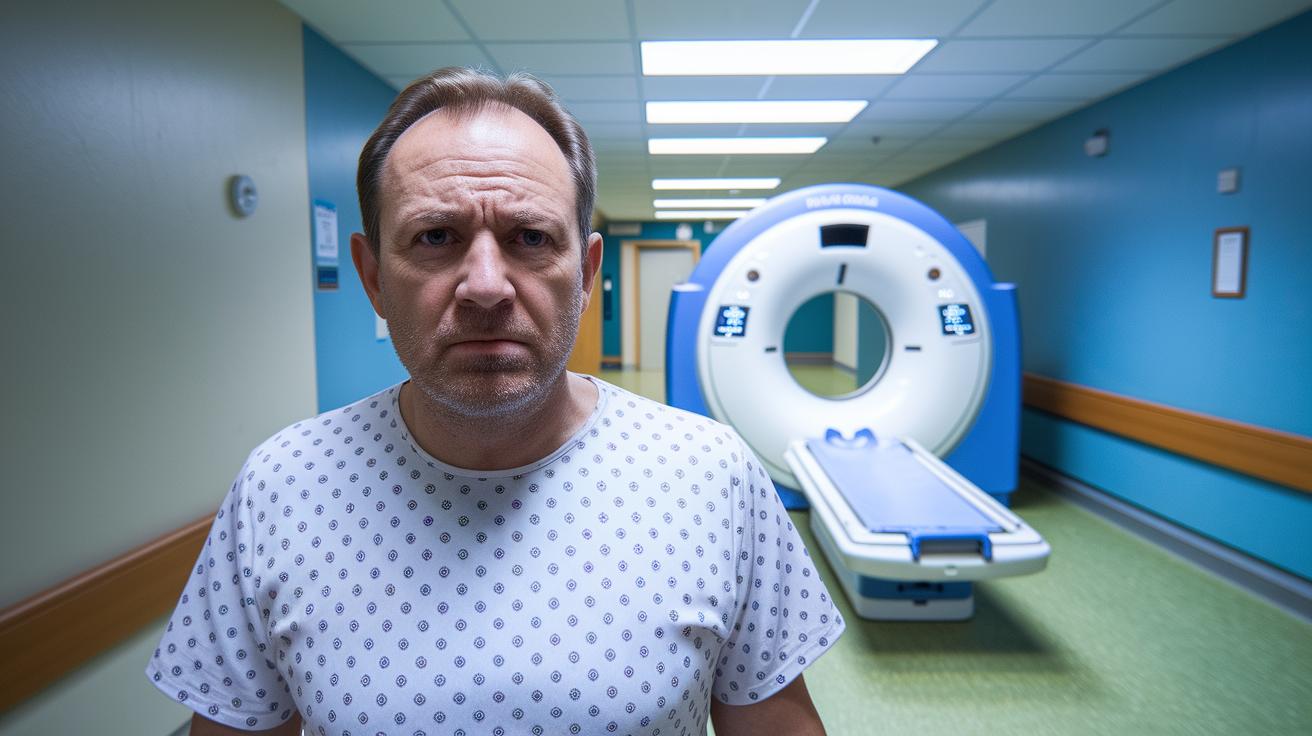
Quick take: When stroke symptoms appear, act fast with imaging to guide treatment.
Triage Box:
• If you see signs like sudden weakness, slurred speech, or loss of balance, call emergency services immediately.
• Urgent: Get a CT scan right away.
• Monitor: Follow your doctor’s advice closely once tests begin.
When you suspect a stroke, a fast CT scan without contrast is your first step. This scan quickly shows if the stroke is due to a blockage (ischemic) or bleeding (hemorrhagic). It also helps decide if clot-busting medicine is safe for you.
For example, if someone suddenly experiences arm weakness and slurred speech, a CT scan without signs of bleeding usually means the stroke is ischemic. In this case, the team can consider clot-busting treatment.
Sometimes the CT scan does not give a full picture. Then, advanced tests like CT angiography or a perfusion MRI are done. These tests can reveal a blocked artery and show at-risk brain tissue (penumbra) that may be saved with prompt action.
Fast imaging not only sharpens the diagnosis but also guides the treatment plan. If an advanced scan shows a blocked artery, doctors may plan for endovascular therapy (a procedure to clear the blockage and restore blood flow).
Key steps:
• Perform a noncontrast CT scan immediately.
• Use CT angiography or perfusion MRI if additional details are needed.
• Use these imaging results to decide on clot-busting medicine or endovascular treatment.
Thrombolytic Therapy and tPA Guidelines in Emergency Stroke Protocol
Quick take: Fast treatment with tPA can reduce brain damage in a stroke.
Triage Box:
If you have any of these signs, call emergency services now:
- Sudden weakness or numbness on one side of your body
- Trouble speaking or understanding others
- Confusion or loss of balance
- A severe headache without a clear cause
Urgent: If you see these symptoms, seek help immediately. Even if you don’t, time is crucial if a stroke is suspected.
When a blood vessel in your brain is blocked, quick action matters. tPA (a clot-busting drug) helps break up the clot and restore blood flow. It works best if used within 3 to 4.5 hours after your symptoms start.
Doctors give tPA in a very careful dose. The usual dose is 0.9 mg per kilogram of body weight, with a maximum of 90 mg. First, 10% of that dose is given quickly through an IV over about 1 minute. The rest is then slowly infused over 60 minutes. It is important to start the quick dose within about 45 minutes of arriving at the emergency room. The full process should take less than 60 minutes from when you arrive.
Before starting tPA, doctors check for signs that it might not be safe. They look at your CT scan for any bleeding and review other conditions that could increase your risk. These checks make sure that tPA is safe to use when you have an ischemic stroke.
Key Steps:
- Do a fast CT scan to check the type of stroke.
- Quickly review if you qualify for tPA.
- Start IV tPA within the important time window using the proper dose.
- Aim for a door-to-needle time of less than 60 minutes.
Fast and safe use of tPA is essential to improve recovery outcomes during an ischemic stroke.
Emergency Management Protocols for Hemorrhagic Stroke
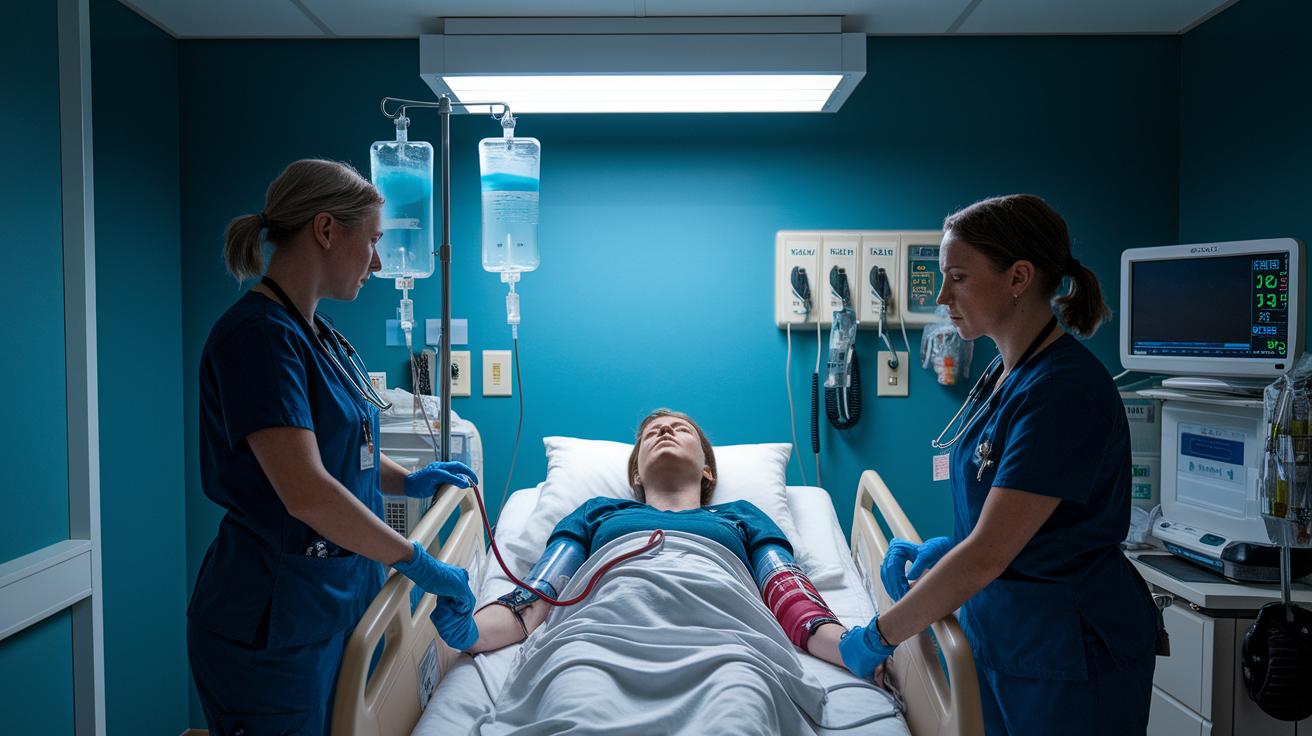
Quick take: Hemorrhagic stroke needs immediate care to lower high blood pressure and reverse blood-thinning effects.
If you notice any signs of severe headache, confusion, or sudden weakness, call emergency services right away.
• Stabilize blood pressure immediately using IV medications.
• If you are on blood thinners, use reversal agents without delay.
• Get a neurosurgical evaluation quickly if bleeding is severe.
When a hemorrhagic stroke is suspected, every minute matters. High blood pressure can make bleeding worse, so the goal is to bring the systolic blood pressure below 140 mmHg. Doctors use IV medications such as labetalol (a blood pressure lowering drug) or nicardipine to lower blood pressure fast.
The emergency team follows a clear plan. They start by stabilizing your blood pressure with IV medicine, which helps limit further bleeding. If you have been taking blood thinners, they will give drugs to reverse the blood-thinning effects and reduce extra bleeding. If the bleeding is heavy, a neurosurgeon will be called immediately to decide if a procedure to remove the blood clot is needed within the first hour.
Key steps include:
- Start IV blood pressure medications right away.
- Reverse blood thinners if you are taking them.
- Get an urgent neurosurgical evaluation for possible clot removal.
- Keep monitoring vital signs and check your brain function closely.
Multidisciplinary Workflow and Quality Metrics in Emergency Stroke Protocol
The emergency stroke team is made up of specialists who work quickly to care for you in a stroke. Neurologists check your brain images right away while neurosurgeons prepare for any needed surgery. Stroke nurses set up IV access (a way to deliver medicine through your vein) and watch your vital signs carefully. Rehabilitation experts start planning early exercises to help you regain movement. One team member put it simply: "We work like a well-tuned machine, every role is key."
They measure their work with clear time goals. They track the time from when you arrive to when you get a CT scan, from arrival to treatment start, and from the start of your symptoms to treatment. These targets come from trusted guidelines and help keep the process fast and effective.
| Metric | Target Time |
|---|---|
| Door-to-CT | 20-25 minutes |
| Door-to-Needle | Under 60 minutes |
| Symptom-to-Treatment | Within 3-4.5 hours |
The team also practices with regular simulation drills and reviews. In these drills, a patient might suddenly become less alert, and everyone must act fast. After each exercise, the team meets to learn and adjust their work, using the data to update plans. This ongoing training helps them be even more prepared and improves patient care every time.
Final Words
In the action, this guide broke down recognizing stroke signs with the BE FAST method and rapid response steps. You saw how EMS and hospital teams work together to cut delays with pre-notification and precise imaging. The piece covered tPA administration, managing hemorrhagic strokes, and the role of a dedicated stroke team in keeping quality high. Following an emergency stroke protocol can truly speed care and save lives. Stay calm, act fast, and remember every second counts.
FAQ
What does stroke protocol emergency department mean?
Stroke protocol in the emergency department outlines rapid assessment and treatment procedures. It details immediate imaging, evaluation, and the steps to administer treatments quickly to minimize brain injury.
What does stroke protocol FAST involve?
Stroke protocol FAST uses the BE-FAST method, checking Balance, Eyes, Face, Arms, Speech, and Time to quickly recognize stroke signs and immediately trigger the stroke response team.
What is meant by stroke protocol in hospital?
Stroke protocol in hospital covers steps from patient arrival to imaging and treatment, ensuring efficient triage, quick diagnosis, and expedited treatment following revised time benchmarks.
What is a stroke protocol PDF?
A stroke protocol PDF is a printable document outlining emergency stroke treatment steps, including screening, diagnosis, imaging, and tPA guidelines for quick reference in hospital settings.
What are stroke protocol questions addressing?
Stroke protocol questions address key issues like treatment timelines, assessment procedures, tPA administration criteria, and roles of team members in managing stroke emergencies efficiently.
What does code stroke protocol in hospital mean?
Code stroke protocol in hospital triggers an immediate alert for a suspected stroke, mobilizing a dedicated team for rapid evaluation, imaging, and treatment to reduce potential brain damage.
What does post stroke protocol involve?
Post stroke protocol involves monitoring recovery, managing symptoms, initiating rehabilitation, and scheduling follow-ups to prevent recurrence and support long-term recovery after initial treatment.
What is the AHA stroke protocol?
The AHA stroke protocol follows American Heart Association guidelines to standardize and streamline stroke care, ensuring rapid assessment, timely imaging, and appropriate treatment to improve outcomes.
What is the immediate management of a stroke?
Immediate stroke management begins with quick symptom recognition using BE-FAST, followed by activating a stroke code, urgent imaging, and starting treatments like tPA when eligible to minimize brain damage.
What medication is given within 3 hours of a stroke?
Within 3 hours of an ischemic stroke, patients may be treated with tPA (tissue plasminogen activator) if they meet the criteria, helping to dissolve clots and restore blood flow.
What is the 4-hour rule for stroke?
The 4-hour rule refers to administering tPA within 3–4.5 hours after stroke symptoms begin. This timing is critical for maximizing effectiveness and improving patient outcomes.
What is the emergency procedure for a stroke?
The emergency procedure for a stroke starts with rapid symptom recognition, immediate activation of the stroke code, urgent neuroimaging, and prompt treatment decisions following established protocols.