
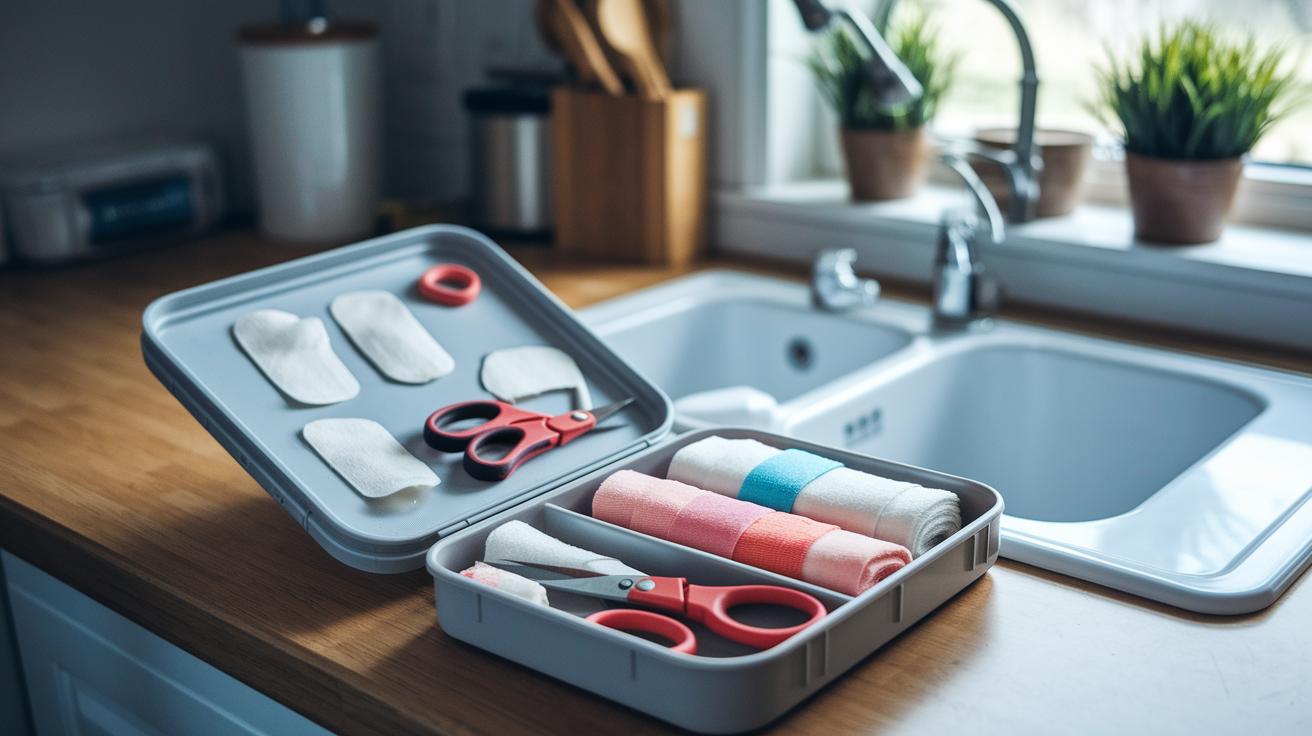

Quick Take: A home first aid kit helps you take care of minor injuries quickly.
Have you ever gotten a small cut that made you worry? Even a tiny injury can feel scary if you’re not ready. A first aid kit isn’t just a box of supplies, it gives you a way to clean and cover wounds until you can get more help.
What to keep in your kit:
• Bandages to cover cuts.
• Antiseptics (germs-fighting liquids) to clean wounds.
• Scissors to cut tape or bandages.
• Extra items for small burns and scrapes.
Having a good kit at home means you can act fast on everyday injuries and feel more secure knowing you’re prepared.
Home First Aid Kit: Feel Secure Now
Quick take: A ready home kit lets you handle minor cuts, scrapes, and burns until help is available.
If you see ongoing bleeding, deep wounds, fever, or signs of infection like redness and swelling, seek medical help immediately.
Every household should have a simple kit for everyday mishaps and unexpected injuries. Keeping these items close can help you care for wounds and keep infections at bay until a clinician can step in.
- Adhesive Bandages – For quick fixes on small cuts and blisters.
- Gauze Pads – To cover deeper wounds and help control bleeding.
- Antiseptic Wipes – To clean injuries and lower the risk of infection.
- Medical Gloves – To protect both your hands and the wound from germs.
- Scissors – To cut bandages or clothing during an emergency.
- Tweezers – To remove debris such as splinters.
- Elastic Bandages – To secure dressings and support injured areas.
- Antibiotic Ointment – To help prevent bacterial infections in cuts.
- Instant Cold Packs – To reduce swelling and ease pain.
- First Aid Manual – To offer clear, step-by-step care instructions.
- Burn Cream – To soothe and protect burned skin.
- Emergency Mylar Blanket – To keep body heat if you feel cold or in shock.
For supplies like adhesive bandages, aim for at least 50 pieces and consider kits that offer variety, such as those with 187 bandages. Experts recommend including a minimum of five key groups: bandages, gauze, antiseptics, gloves, and scissors. Always check clear labeling and expiration dates. Adjust the amounts based on your household size and keep everything organized for fast access in an emergency.
Comparing Pre-Packaged Home First Aid Kits
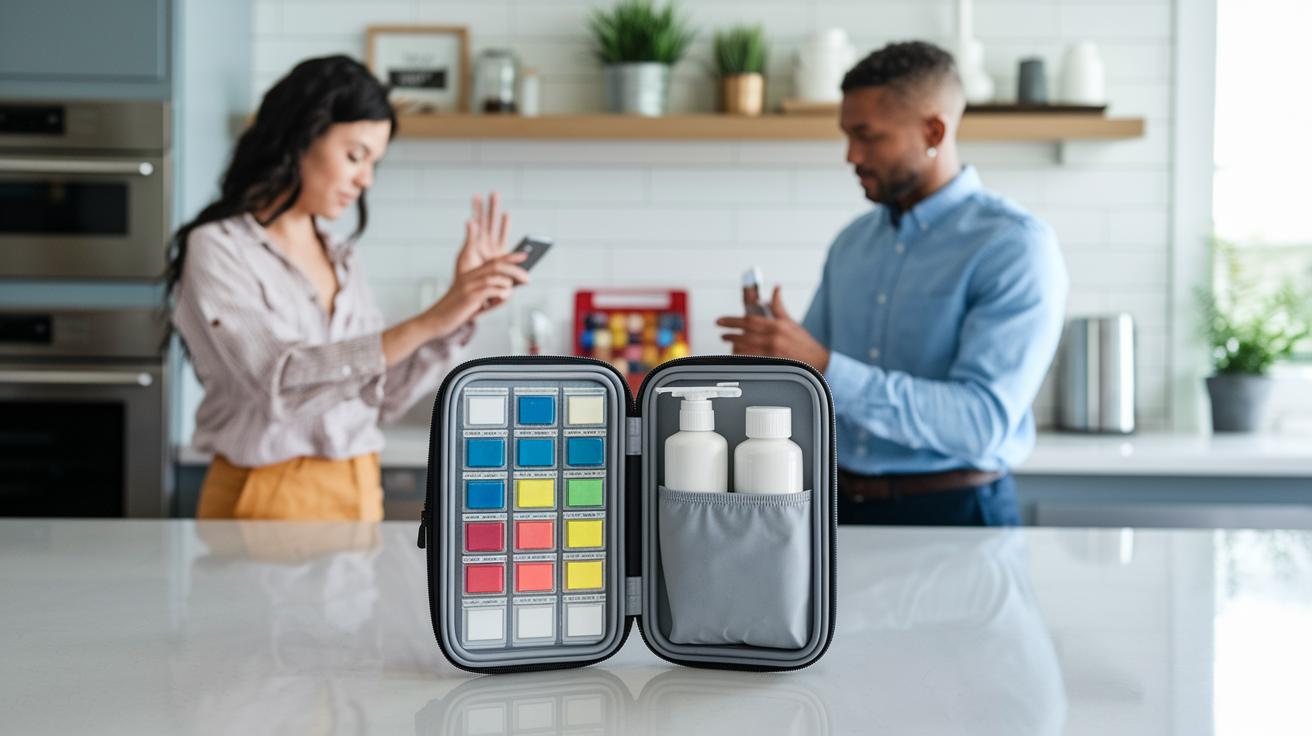
Quick take: Choose a kit that meets daily needs and unexpected emergencies by checking its quality, layout, and cost.
When you shop for a first aid kit, look for sturdy build quality, clear labels, and a simple layout. Some kits are built to last at home; others give basic supplies at a lower price. You need a kit that covers everyday household care and sudden outdoor emergencies.
Below is a table comparing five popular first aid kits. It shows each kit's key features, best use, and price range to help you choose the right one for your needs.
| Kit Name | Key Features | Best Use | Price Range |
|---|---|---|---|
| Red Cross Deluxe Family First Aid Kit | Sturdy case and metal fittings for secure placement | Family home, everyday use | $$$ |
| Johnson & Johnson All-Purpose Kit | Very affordable; mostly bandages | Basic care on a budget | $ |
| AMK Mountain Series Backpacker Medical Kit | Flexible design for both home and outdoor use | Active families, outdoor adventures | $$ |
| Coleman All-Purpose Mini Kit | Compact and easy to carry | Smaller households, travel needs | $ |
| Lightning X First Responder EMT/EMS Backpack | Professional-level supplies with detailed organization | Serious emergency response | $$$$ |
When picking a kit, think about both the supplies inside and how the kit is organized. If you want a sturdy and organized kit for a busy family, the Red Cross Deluxe kit is a great choice. If you are budgeting, the Johnson & Johnson or Coleman Mini kits give good basic care. For those needing a versatile kit for both home and outdoor use, the AMK Mountain Series kit fits the bill. And if you prepare for serious emergencies with advanced supplies, the Lightning X kit is built for that.
Step-by-Step DIY Assembly of Your Home First Aid Kit
Build your own first aid kit so you have supplies that match your family’s needs. This personalized kit, with key items like adhesive bandages, gauze, antiseptic wipes, gloves, and scissors, helps you act quickly during an emergency.
If you have any severe injuries or signs of major harm, call emergency services immediately.
Here’s how to create yours:
- Choose a sturdy container that you can easily carry.
- Group your supplies into clear categories such as bandages, cleaning items, and tools.
- Label each section or bag clearly.
- Write down what you include by noting the amount and expiration date.
- Check your kit every 6 months to replace outdated items.
You can also add extra items for children or medications for allergies if needed. This simple approach ensures your first aid kit is ready for any minor accident or unexpected problem.
Storing and Maintaining Your Home First Aid Kit

Quick take: A ready kit saves lives in an emergency.
If you spot any danger signs with your kit items, update them immediately.
Your first aid kit is your safety tool. Keep it in a cool, dry spot that you can grab fast but is out of reach from small children. Checking your kit often makes sure everything will work when you need it.
A neat kit with clear labels or see-through pouches saves precious time when seconds count.
• Check expiration dates to make sure items are still strong.
• Restock supplies that are low or have been used.
• Clean the container and its contents to remove any dirt.
• Move your kit to a better spot if one becomes available.
• Reseal packaging after use to keep items safe from germs.
• Log your inventory to track what you have and what you need to replace.
Review your kit every 3–6 months so it stays ready for any unexpected situation.
First Aid Procedures with Your Home First Aid Kit
Quick take: Your home first aid kit can help you quickly treat minor injuries until you get professional care if needed.
Using your kit can make a real difference when you face everyday accidents. It holds the supplies to treat small cuts, burns, sprains, and even choking with easy, clear steps. Experts say that following these steps can be lifesaving.
Treating Cuts and Scrapes
- Rinse the cut gently with water and wipe with an antiseptic pad.
- Press a clean gauze pad against the wound to slow the bleeding.
- Cover the area with an adhesive bandage.
If the bleeding continues or the cut seems deep or infected, get medical help right away.
Burn Care
- Hold the burn under cool (not cold) running water for a few minutes.
- Protect the area by covering it with a clean, dry cloth.
- If you have burn cream in your kit, gently apply it.
If the burn is bigger than your palm or begins to blister, seek professional care fast.
Managing Sprains
Follow the RICE method:
- Rest the injured part to avoid more damage.
- Ice the area for about 20 minutes at a time to reduce swelling.
- Compress the injury with an elastic bandage.
- Elevate the limb so swelling can go down.
If you notice ongoing pain, numbness, or heavy swelling, contact your healthcare provider.
Choking Response
Stand behind the person, wrap your arms around their waist, and give quick, upward pushes (the Heimlich maneuver). This action can help clear a blocked airway. If the situation does not get better immediately, call for emergency help.
Taking a basic first aid course can boost your confidence and skill. Your kit is a good start to handle minor injuries, and training with professionals prepares you for more serious emergencies.
Recognizing When to Seek Professional Help Beyond Your Home First Aid Kit

Quick take: Your home first aid kit can fix small cuts, but it isn’t meant for serious injuries.
If you notice any of these signs, stop using your kit and seek professional help immediately:
- Bleeding that won’t slow or stop.
- Deep puncture wounds from objects that go in deep.
- Signs of infection like ongoing redness, swelling, or fever.
- Burns larger than the size of your palm.
- Head injury with confusion or a loss of consciousness.
- Suspected fractures with strong pain or trouble moving a limb.
- Trouble breathing or feeling like you can’t get enough air.
Your first aid kit is a useful tool for everyday mishaps like tiny cuts and scrapes. However, when things feel worse or you see any red flags, don’t wait. Professional care is needed because the kit is only a temporary fix until you reach a clinician.
Final Words
In the action, this guide covered key supplies, kit comparisons, DIY assembly steps, proper storage, and first aid procedures. You learned how basic items, from adhesive bandages to antiseptics, come together in a home first aid kit to serve in both minor injuries and emergency situations. Clear checklists and red-flag signs help you know when to act and when to seek professional care. A proactive approach keeps you prepared and confident in your ability to handle unexpected injuries safely.
FAQ
What should be in a first aid kit at home?
A home first aid kit should include key items like adhesive bandages, gauze pads, antiseptic wipes, gloves, scissors, and additional essentials such as tweezers and pain relievers for minor and urgent care.
What is the role of bandages in a first aid kit?
Bandages play a vital role by protecting small cuts and scrapes from infection. They are a major component in many kits, offering quick coverage and support during minor injuries.
What do discussions on Reddit suggest for a home first aid kit?
Reddit discussions often highlight including basic supplies alongside extra items like antibiotic ointment and specialized tools. This reflects a practical approach to build a versatile kit for both minor and unexpected emergencies.
What defines the best first aid kit for home use?
The best home first aid kit balances cost, quality, and comprehensive content. It should be easy to access, include essential supplies recommended by experts, and be stored in a reliable, organized container.
How does a home first aid kit with antibiotics differ from a standard kit?
A first aid kit that includes antibiotics adds ointment or tablets to help prevent infection in minor wounds. This extra layer can enhance care for cuts and scrapes in a home emergency setup.
What should I look for in the best first aid kit for survival?
The best survival first aid kit should contain durable, multi-use supplies that include basic first aid items plus additional tools like tourniquets. This ensures preparedness for extended outdoor scenarios and emergencies.
How does the Wirecutter review inform the best home first aid kit selection?
Wirecutter reviews help by rigorously comparing kit contents, durability, and user ease. Their recommendations guide you in choosing a kit that meets general household needs and emergency readiness.
What are the top 10 items to include in a first aid kit?
The top 10 items usually include adhesive bandages, gauze pads, antiseptic wipes, antibiotic ointment, disposable gloves, scissors, tweezers, pain relievers, a first aid guide, and a digital thermometer.
What is a 3 day survival kit?
A 3-day survival kit is a compact emergency package designed to sustain you for 3 days. It typically contains water, food, essential first aid supplies, and basic tools to manage short-term emergencies.
What are the 10 essential survival kit items?
Essential survival kit items often include a multi-tool, water, non-perishable food, first aid supplies, a fire starter, an emergency blanket, a radio, a flashlight, extra batteries, and basic hygiene items.