
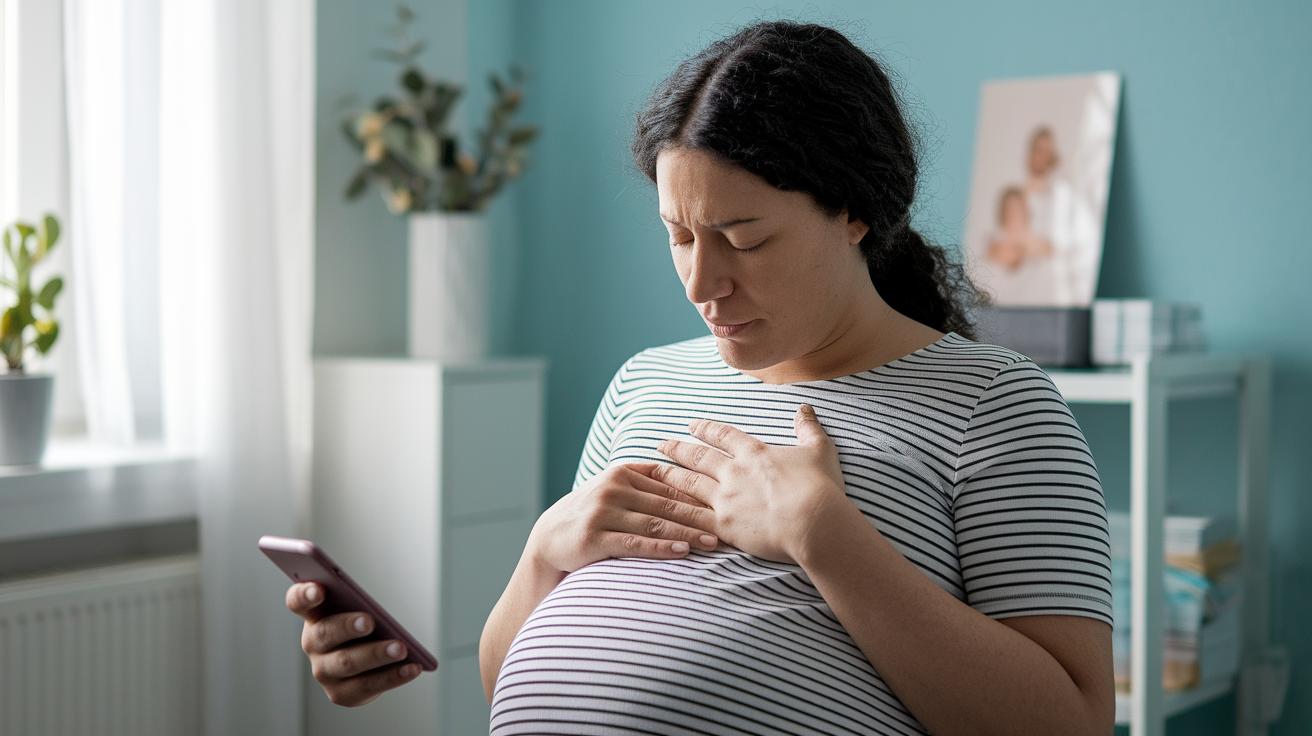

Quick take: Mild chest pressure is common in pregnancy, but sharp pain or trouble breathing requires immediate attention.
If you have any of these emergency signs, call emergency services now:
• Sharp chest pain
• Difficulty breathing
During pregnancy, you might feel a gentle squeeze in your chest. This pressure often happens because your heart beats faster and your blood flow changes. However, if you experience sudden, sharp pain or have trouble breathing, act now. This guide explains what changes to expect and when you should seek help to stay safe.
Clarifying Chest Pressure During Pregnancy: Immediate Answers for Pregnant Women
Quick Take: Chest pressure can be normal during pregnancy, but some signs require immediate care.
Triage Box:
• If you have crushing chest pain, trouble breathing, or pain spreading to your arm or jaw, call emergency services now.
• If you experience fever, a severe headache, or high blood pressure with chest tightness, seek urgent medical help.
• For mild, occasional pressure without other symptoms, monitor your body and talk to your healthcare provider if it worsens.
Many pregnant women feel a squeeze or light pressure in their chest. This can show up as mild tightness, brief stabbing sensations, or a gentle heaviness. These feelings often come from a faster heart rate (fast heartbeat) and hormone changes that affect blood flow and digestion. One woman said her chest felt softly compressed after a meal, a reminder that your body is always changing during pregnancy.
However, not all chest pressure is safe. When the discomfort comes and goes without extra issues, it is usually normal. But be alert if you feel crushing pain, breathlessness, or pain that spreads to your arm or jaw. These symptoms could mean a heart or lung problem rather than simple indigestion. If you notice these red flags, act now and get help immediately.
Remember, chest pressure can come from normal body changes or something more serious. Listen to your body. Keep track of any changes and talk with your healthcare provider if the pattern changes or symptoms become worse. Stay safe and always get help if you feel something isn’t right.
Common Causes of Chest Pressure Pregnant Moms Experience

Quick take: Chest pressure in pregnancy is usually due to body changes, but certain severe symptoms should prompt urgent care.
If you have any of these emergency signs, call emergency services now:
- Severe, stabbing chest pain
- Shortness of breath (trouble breathing)
- Pain spreading to your left arm or jaw
- Fainting or feeling very lightheaded
Pregnancy brings many changes that can put pressure on your chest. Early in pregnancy you might feel mild discomfort that usually comes from your digestive system. As your body grows, the pressure may feel heavier due to new physical changes.
Common causes include:
- Heartburn: Hormone changes may relax the valve at the top of your stomach, letting acid move upward.
- Indigestion: The hormone progesterone (which helps support your pregnancy) often relaxes smooth muscles, allowing gas to build up and cause bloating.
- Rapid breast growth: In the first and third trimesters, increased breast weight can add extra pressure on your chest.
- Rib expansion: In the later months (around 7 to 9), your rib cage stretches and can feel sore.
- Anxiety or hormonal spikes: Stress can make your chest muscles tighten, leading to a firm or tight sensation.
- Mild respiratory infections: A simple cold or cough might also cause a feeling of chest pressure.
Noting when your discomfort starts can help you understand its cause. In early pregnancy, heartburn and indigestion are common due to hormone changes. Later, rapid breast growth and rib expansion tend to be the main reasons for chest pressure. If the pain feels stabbing or is mostly on the left side, it might be linked to heightened anxiety or respiratory triggers. Keep a simple log of when the pain happens, how long it lasts, and how it feels. This log can help you and your provider decide if further care is needed.
When Chest Pressure During Pregnancy Signals a Warning
If you feel a heavy, crushing pain in your chest that spreads to your arm or jaw, or if you have trouble breathing, get help immediately. These signs are not normal in pregnancy and could mean your heart is in danger. They may signal issues like blood clots in the lung (pulmonary embolism), heart muscle weakness around childbirth (peripartum cardiomyopathy), or even a heart attack. Research shows that heart problems cause 26.5% of maternal deaths, especially if you have a history of heart disease, are overweight, or have family heart problems.
Heart pain usually feels crushing and moves beyond your chest, while heartburn gives a burning feeling that stays in one spot. If you feel unsure about what your chest pain means, it’s best to be safe and get checked out quickly. Trust your gut, if something feels wrong, act now to protect you and your baby.
| Red Flag | Warning Sign |
|---|---|
| Chest Pain | Heavy, crushing pain that spreads to your arm or jaw |
| Breathing Problems | Shortness of breath or feeling like you can’t catch your breath |
| Other Signs | Dizziness, swelling, or a sharp rise in blood pressure |
Home Remedies for Chest Pressure in Pregnant Women

Quick Take: Simple self-care steps can help ease mild chest pressure during pregnancy. Always check with your healthcare provider if your symptoms worsen.
If you have any of these emergency signs, call emergency services now:
- Severe chest pain
- Trouble breathing or shortness of breath
- Fainting or rapid heartbeat
If your chest pressure gets worse or lasts longer than expected, contact your healthcare provider right away.
Here are some easy home remedies to try along with your provider’s advice:
- Eat small, frequent meals and avoid foods like citrus, chocolate, and spicy items that may trigger discomfort.
- Elevate your head by 6 to 8 inches when sleeping to help reduce acid backflow (reflux).
- With your doctor’s approval, use pregnancy-safe antacids to neutralize stomach acid.
- Take gentle walks to improve blood flow and ease muscle tension.
- Do light stretching to relieve tight chest muscles.
- Apply a warm compress over your upper back and the center of your chest (sternum) for soothing relief.
- Practice slow, deep breathing techniques to help relax your body.
- Keep a calm environment to lessen anxiety-related tension.
Also, keep a simple log to track what works best for you. Note the date, time, what remedy you tried, and how your discomfort changed. This record can help you see patterns and guide your self-care routine, plus it gives useful details to share at your next checkup.
Exercises and Techniques to Ease Chest Pressure When Pregnant
Gentle movement can help ease chest pressure and make you feel more relaxed. Light exercise boosts blood flow and soothes tight muscles. Try mixing a bit of easy cardio with simple stretches to comfort your upper body as your pregnancy changes your body.
Here are some steps to get started:
• Practice deep breathing: Breathe slowly in through your nose and exhale through pursed lips for at least 5 seconds each time.
• Try pursed-lip breathing: Focus on a long, smooth exhale that helps soothe your body.
• Do shoulder rolls: Lift your shoulders, then roll them backward a few times.
• Perform chest-expansion stretches: Open and lift your arms to create more space in your chest.
• Keep a neutral spine by sitting or standing straight with your shoulders back and your chin level.
• Experiment with simple prenatal yoga poses like cat-cow and extended side-angle to reduce upper body tension.
• Remember to keep your posture upright during daily activities.
Regularly doing these exercises can gently ease chest strain and help you feel more comfortable day to day.
Medical Advice and Evaluation for Chest Pressure During Pregnancy

If your chest pressure sticks around or gets worse, act now. If you have sharp pain, trouble breathing, or signs like high blood pressure or swelling, call your healthcare clinician immediately. That could be a sign of serious issues such as preeclampsia (a pregnancy-related high blood pressure condition) or heart problems. Don't wait if your discomfort grows or lasts longer. Quick evaluation protects both you and your baby.
Your doctor might run a few tests to find out what is causing your chest pressure. They can do an ECG (electrocardiogram, which records your heart’s activity), an echocardiogram (an ultrasound test to watch your heart function), and check your blood pressure for high levels. They might also do a D-dimer test (which helps spot blood clots) and check your urine for protein to screen for preeclampsia. These tests help decide if your symptoms come from something like heartburn, anxiety, or a more serious heart or lung problem so that you get safe care.
If these tests do not show the reason for your symptoms, or if you feel worse, your clinician might refer you to a heart (cardiology) or lung (pulmonology) specialist. They will check you with follow-up visits and more tests. Make sure to record your symptoms, noting what happens and when it happens. This detailed record helps your healthcare team decide the best treatment for you now. Always follow your doctor's advice to keep you and your baby safe.
Preventing Chest Pressure During Pregnancy: Lifestyle Tips
Keep your posture straight and drink plenty of water to ease chest pressure. Sit and stand with your shoulders back and your chin level. This simple adjustment helps lower strain on your rib cage. Eating balanced meals and staying hydrated also help reduce acid reflux, which can worsen chest discomfort.
Add some gentle strength exercises to your routine. Try simple movements like arm curls or wall push-ups to build strength in your chest and back without overdoing it. A prenatal support belt can also reduce the load on your chest and rib cage, making everyday motions easier.
Practice short, daily mindfulness techniques to ease tension. Quick meditation or deep breathing exercises can calm your nervous system and reduce tightness. By focusing on good posture, hydration, gentle exercise, support tools, and mindfulness, you create a balanced routine that supports your comfort during pregnancy.
Final Words
In the action of evaluating chest pressure during pregnancy, we outlined common causes, safe home remedies, effective exercise techniques, and key times to seek medical help. We described ways to track symptoms and decide quickly if chest pressure pregnant signals need emergency care or home management. Following these steps helps you share focused details with your clinician and act confidently. Stay proactive and keep your well-being a top priority.
FAQ
How do I relieve chest tightness during pregnancy?
The chest tightness relief during pregnancy involves using gentle home care methods like elevating your head when resting, eating small frequent meals to ease reflux, performing light stretching, and consulting your clinician if discomfort continues.
Why does my chest feel tight or weird in early pregnancy?
The chest feeling tight or weird in early pregnancy often results from hormonal shifts, increased heart rate, or even mild indigestion. These changes usually produce normal discomfort, although persistent pain should be reviewed by your clinician.
What causes chest pain in different trimesters and areas during pregnancy?
The chest pain experienced in various trimesters can arise from causes such as heartburn, rib-cage stretching, or muscle strain. In the second and third trimesters, expanded organs and hormonal effects can create middle or left-side discomfort.
Why might I experience stabbing pain in my chest while pregnant?
The occurrence of stabbing chest pain during pregnancy may come from acid reflux, muscle tension, or anxiety. This type of pain should be closely monitored, and if it worsens or is accompanied by other symptoms, seek medical advice.
What are five warning signs of a possible problem during pregnancy?
The five warning signs include crushing chest pain, shortness of breath, high blood pressure, a severe headache, and unusual swelling. These symptoms indicate a need for immediate medical evaluation for both mother and baby.
Is it normal for a pregnant woman to have chest pain?
The chest pain experienced by some pregnant women can be normal due to body changes, such as altered hormone levels and increased heart rate. Still, any severe, persistent, or unusual pain warrants a prompt evaluation by your healthcare provider.
What is preeclampsia chest pain like during pregnancy?
The preeclampsia chest pain typically feels sharp or crushing and may be accompanied by high blood pressure, a severe headache, and swelling. This pattern is a red flag and requires urgent medical assessment to protect you and your baby.