


Quick Take: Home treatments like an oatmeal bath or cool compress can help soothe red, itchy skin.
If you have any of these emergency signs, call emergency services now:
• Severe, spreading redness or swelling
• High fever or chills
• Intense pain or blisters that worsen quickly
If you don’t have these signs, try simple at-home care:
• Soak in an oatmeal bath (oatmeal finely ground and added to water)
• Apply a cool compress on the affected area
• Watch your symptoms and note any changes
Ever feel like your skin is acting up right when you need it calm? Everyday items in your home may quickly ease irritation. In this guide, you’ll see how simple steps can reduce red, itchy skin and help you feel more comfortable. Stick with these tips and get back to feeling like yourself.
Home Remedies for Quick Skin Irritation Relief
Quick take: Simple home remedies can ease minor skin irritation fast.
If you notice severe swelling, bright redness, pus, or fever, call emergency services now. If your irritation does not improve or spreads, seek same-day medical attention. For mild irritation, try these safe home steps while keeping an eye on any changes.
• Red Flags:
- Severe swelling or bright red skin patches
- Signs of infection like pus, intense pain, or fever
• Urgent:
- Irritation that does not get better in 24 hours or worsens quickly
• Self-Care:
- Use these remedies and monitor your skin closely
- Stop any remedy if irritation increases
Here are some easy ways to soothe your skin:
-
Oatmeal Bath: Add 1 cup of finely ground oats to warm water (around 100°F) and soak for 15–20 minutes. This helps calm itchiness and softens irritated skin.
-
Aloe Vera Gel: Cut open a fresh aloe vera leaf and gently apply the gel on the affected area. It reduces swelling and fights germs.
-
Baking Soda Paste: Mix 3 parts baking soda with 1 part water to form a paste. Apply it for 5 to 10 minutes, then rinse off to soothe the rash.
-
Cold Compress: Use a damp cloth or wrap an ice pack in a towel. Hold it on the irritated skin to reduce swelling and slow down any rash progression.
-
Coconut Oil: Use coconut oil as an antiseptic and anti-inflammatory treatment. Always do a 24-hour patch test on a small area first to make sure you don’t react badly.
-
Diluted Apple Cider Vinegar: Mix 1 part apple cider vinegar with 3 parts water. This may ease mild eczema symptoms when gently applied.
-
Epsom Salt Soak: Dissolve 1 cup of Epsom salt in your bath water to help calm inflammation.
Watch your skin’s response. If you see any worsening or new symptoms, stop the remedy and talk to a healthcare professional.
Common Causes of Skin Irritation and Itching

Quick take: Skin irritation can show up as red, itchy, or painful patches that sometimes blister, scale, or feel raw. If you notice these signs, especially after trying a new product or spending time outdoors, keep an eye on your symptoms. If the irritation worsens or you see large areas of blistering, get medical help right away.
Common reasons for skin irritation include:
- Allergens: Chemicals in detergents, perfumes, or cleaning supplies can cause contact dermatitis (skin reaction).
- Poor hygiene: Not washing regularly may leave irritants on your skin.
- Insect bites: Bug bites can bring allergens that cause redness and itching in a small area.
- Poison ivy or similar plants: Contact can trigger a sharp, stinging rash.
- Sun exposure: Too much sun without protection can leave your skin red and sometimes scaly.
- Sensitivity to fabrics or soaps: Some materials or harsh soaps can trigger an allergic reaction.
Notice when your irritation starts. Track details like the time, what you were doing, and any new products you used. This can help you and your doctor figure out the cause and the best way to treat it.
How to Apply DIY Skin Irritation Treatments Safely
Oatmeal Bath Preparation
Mix 1 cup of finely ground oats into a warm bath. Soak for 15 to 20 minutes. If you notice your skin feeling tight or dry, shorten your soak by about 5 minutes next time. For example, if you experience dryness after 15 minutes, try soaking for only 10 minutes.
Fresh Aloe Vera Gel Application
Cut a fresh aloe vera leaf and scoop out the clear gel. Dab it gently on the affected area 2 to 3 times a day. Before applying it widely, test a small patch on skin that isn’t irritated. If no redness or itching occurs in a few minutes, it’s safe to use on the rash.
Baking Soda Paste Application
Stir 3 parts baking soda with 1 part water to create a smooth paste. Spread it on the irritated skin and leave it on for 5 to 10 minutes, then rinse thoroughly. If you feel burning or added dryness, reduce the time next time.
Cold Compress Techniques
Wrap an ice pack in a towel or use a cool, damp cloth. Place it on the irritated area for up to 10 minutes. Keep checking every few minutes to make sure your skin doesn’t turn red, as too long an application could lead to frostbite.
Coconut Oil Patch Test
Before using coconut oil on irritated skin, test it on a small spot on your forearm. Wait 24 hours to see if any redness or itch develops. This simple patch test helps ensure you won’t have an allergic reaction.
Apple Cider Vinegar Dilution
Mix 1 part apple cider vinegar with 3 parts water. Using a cotton ball, gently dab the mixture near the irritation, but steer clear of any open cuts. If the area starts stinging more, rinse immediately with cool water.
Epsom Salt Soak Instructions
Dissolve 1 cup of Epsom salt in warm bath water and soak for 10 to 15 minutes. Keep an eye on how your skin reacts. If you notice redness or a burning sensation, cut the soak time short next time.
Over-the-Counter Solutions for Skin Irritation Relief
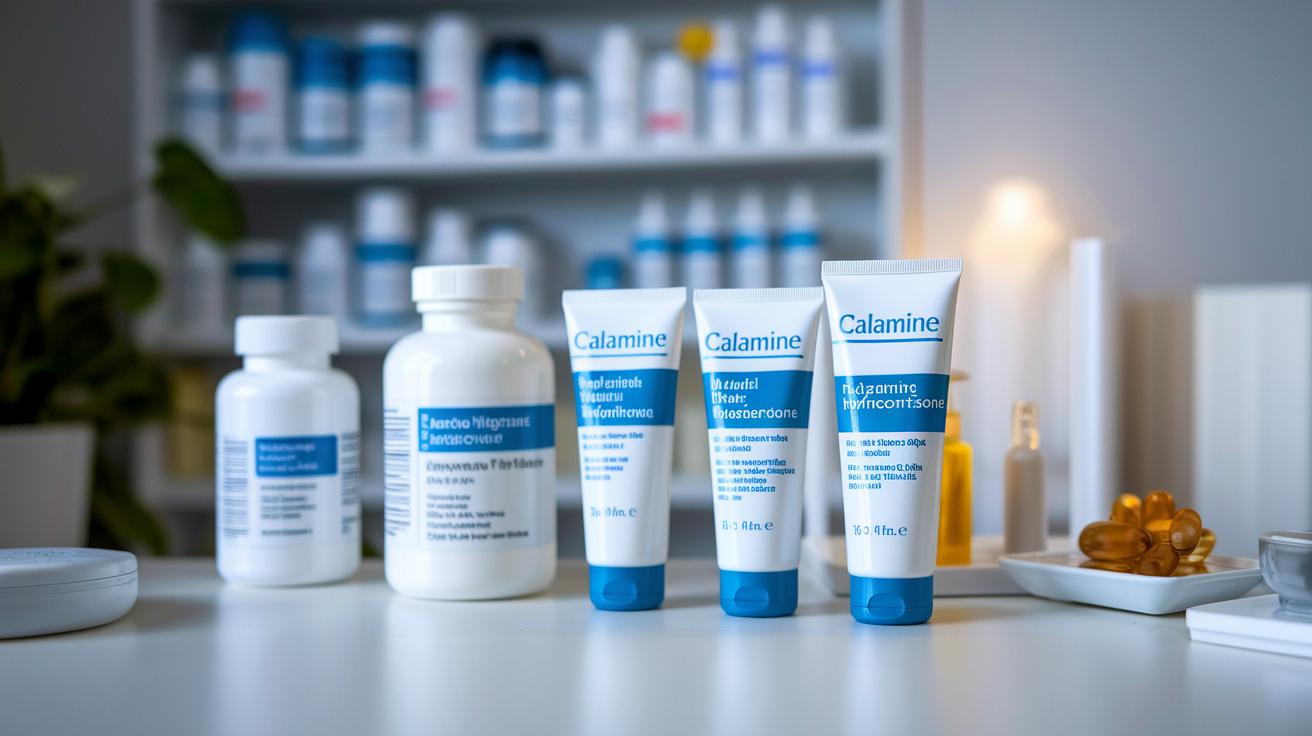
Quick Take: Over-the-counter creams and lotions can soothe mild skin irritations fast.
If you notice any of these signs:
- Spreading redness or swelling
- Increasing pain or signs of infection like fever
- A severe allergic reaction
Then seek medical help immediately.
Over-the-counter treatments can quickly ease your skin irritation and work well with home remedies. Oatmeal lotions (tiny oats in cream) were approved in 2003 for easing eczema and burns. They help calm redness and itching.
A 2022 study shows that calamine lotion can manage rashes effectively. You can also try hydrocortisone 1% cream. This over-the-counter anti-inflammatory cream works fast to ease mild rashes.
These products give you temporary relief while you keep track of your skin and decide if you need more care. They are accessible and can be used with home care like an oatmeal bath or aloe vera gel.
Soothing creams help calm flare-ups, reduce inflammation, and provide quick comfort. Always read and follow the label, and talk to a pharmacist if you have any questions about safe use.
When to Seek Professional Care for Skin Irritation
Quick take: If your skin irritation doesn’t get better, it may be time to see a doctor.
Triage Box:
• Call a healthcare provider right away if you have any of these signs:
- Severe pain or strong itching that stops you from doing daily tasks.
- Blisters, raw patches, or skin that keeps worsening.
- Signs of infection such as pus, spreading redness, or a warm, tender area.
- Fever or chills that come with the skin changes.
If home treatments aren’t working or your rash spreads over a large area, it might mean there’s more going on. A rash with sharp pain or clear skin changes can be a sign of an underlying problem.
Here’s what to do:
• Follow your home care routine for a day or two.
• Keep track of your symptoms by writing down which areas hurt, the treatments you try, and any changes in your skin.
• If you notice these red flags or new symptoms, call a skin doctor (dermatologist) as soon as possible.
A professional evaluation can help determine if you have an infection or another skin condition that needs prescription medicine. Stay alert and act now if your irritation worsens.
Preventing Future Skin Irritation: Tips and Best Practices
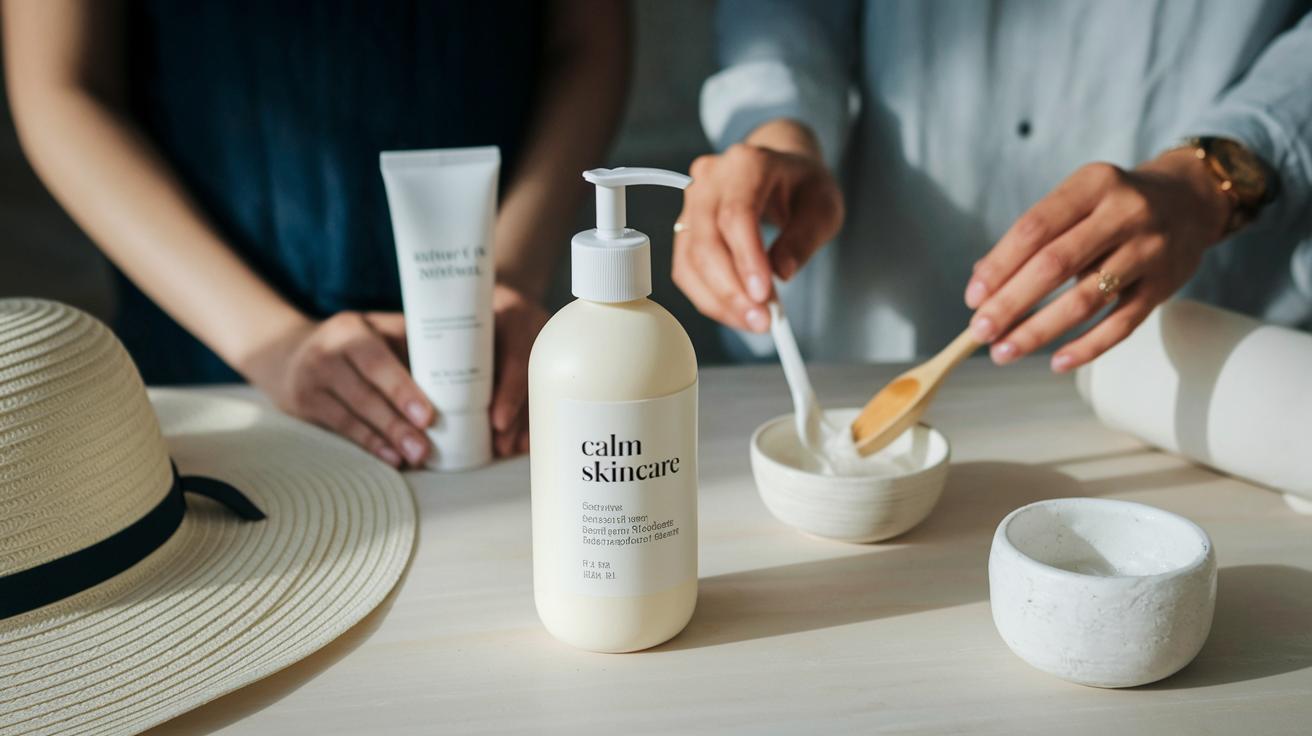
Quick Tip: Stick to gentle, natural products and watch for irritants.
• Clean gently. Use a mild, fragrance-free cleanser instead of harsh soap. This simple change helps protect your skin’s natural barrier and lowers irritation risk.
• Shield your skin from the sun. Wear a hat and apply broad-spectrum sunscreen. Protective clothing when you’re outdoors helps block dangerous UV rays.
• Keep your skin moisturized. Applying a natural oil like coconut oil each day helps your skin heal and keeps dryness from causing irritation.
• Avoid allergens. Choose personal care products, detergents, and fabrics that are gentle on your skin to reduce allergic reactions.
• Be aware of your environment. Notice common irritants and adjust your routine to keep your skin healthy.
These easy steps can help protect your skin over time and keep irritation at bay.
Final Words
In the action, you learned safe home treatments for skin irritation, from soothing oatmeal baths and aloe vera gel to simple cold compresses and over-the-counter creams. We covered how to mix and apply remedies and when to contact a clinician for urgent care. You also discovered tips to prevent future irritation. Remember, a proper remedy for skin irritation can quickly ease discomfort when used correctly. Stay calm and confident as you take the next steps toward soothing and managing your symptoms safely.
FAQ
How to get rid of a rash overnight
Getting rid of a rash overnight may involve using a cold compress, a soothing oatmeal bath, and a mild cream that reduces irritation. These help calm inflammation quickly, though results can vary.
What stops itching fast
Stopping itching fast requires cooling treatments like cold compresses or aloe vera gel. These methods help calm the skin immediately, reducing discomfort effectively.
Medicine for skin rashes and itching
Medicine for skin rashes and itching typically includes over-the-counter options such as hydrocortisone cream, calamine lotion, or colloidal oatmeal lotions that help reduce inflammation and soothe the skin.
Pictures of skin rashes
Pictures of skin rashes provide visual examples that help you identify different types of irritation. They can guide you in deciding whether your condition might need professional care.
How to cure rashes on face naturally
Curing rashes on the face naturally involves gentle treatments like diluted apple cider vinegar solutions, aloe vera gel, or cool compresses. These help soothe irritation without harsh chemicals.
Tablets for skin rashes and itching
Tablets for skin rashes and itching usually refer to oral antihistamines, which reduce the immune response causing irritation. Always follow dosage instructions and consult a healthcare provider when needed.
Home remedy for skin allergy itching
A home remedy for skin allergy itching can include an oatmeal bath or applying aloe vera gel. These natural treatments help ease the allergic reaction and reduce discomfort effectively.
Home remedy for itchy skin
A home remedy for itchy skin might involve using a cold compress or a baking soda paste. These treatments work quickly to calm irritation and ease the itching.
How do you make skin irritation go away?
Making skin irritation go away may involve a mix of soothing treatments like an oatmeal bath, aloe vera gel, or a cool compress, which collectively reduce inflammation and calm the skin.
What is the best home remedy for skin irritation?
The best home remedy for skin irritation often depends on your symptoms, but a cool oatmeal bath or gentle aloe vera gel usually provides immediate relief and helps lessen inflammation.
What is the best thing to put on irritated skin?
The best thing to put on irritated skin is a soothing ingredient like aloe vera gel or a mild hydrocortisone cream, which work to reduce inflammation and calm the skin effectively.
How to treat skin rashes in children?
Treating skin rashes in children involves gentle care such as cool compresses, colloidal oatmeal baths, or creams recommended by a doctor. Always monitor symptoms and seek professional advice if they worsen.