


Quick take: Triage helps you get seen faster when time is critical.
Have you ever wondered why some patients are helped right away while others must wait? Triage sorts patients by urgency so that those with severe signs or symptoms get immediate attention. In busy hospitals or emergency events, every minute counts. By quickly spotting warning signs, triage speeds up treatment and cuts wait times.
Triage has three key benefits:
• It reduces delays in care.
• It guides quick treatment decisions.
• It saves valuable time in emergencies.
This simple system makes a big difference by ensuring that those who need urgent help receive it promptly.
Triage System Fundamentals: Definition, Purpose, and How It Functions
A triage system is a set of clear, step-by-step rules that help decide who gets care next. It sorts patients by how serious their condition is so that those in need of immediate help are seen first. Often, it is summed up with the simple question: "Who's next?"
The system’s main goal is to check urgency quickly and fairly so that care flows smoothly. It makes sure that limited staff and equipment go to the patients who need them most. This approach cuts delays, supports safe transitions, and boosts overall care.
• Check urgency within minutes
• See serious cases before non-emergency ones
• Use medical resources wisely during busy times
• Guide what happens next for each patient
• Reduce wait times and improve safety
Using these steps helps ensure that life-threatening conditions get prompt attention while keeping care efficient and safe.
Triage System Methodologies: Hospital, Prehospital, and Mass Casualty Approaches
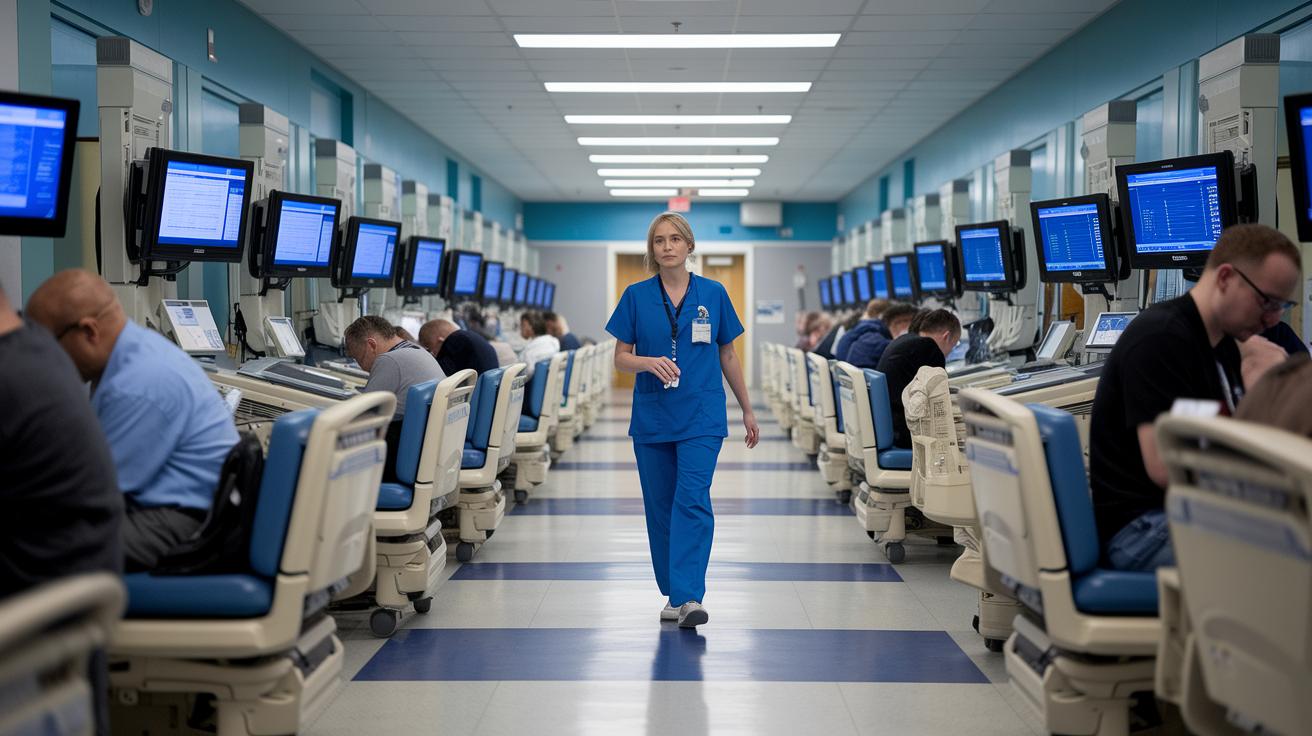
Quick take: Triage systems use clear, step-by-step rules to make sure you get the right care at the right time.
When you visit a busy hospital, staff rely on streamlined systems to decide who needs help first. Hospitals use set protocols and simple flowcharts (diagrams that show the next steps) to move patients from first contact to detailed assessment. They sort cases into groups like injury, sudden sickness, or less urgent issues. These clear guidelines help ensure that those with serious problems receive immediate attention.
In prehospital settings, first responders use fast and straightforward checks. Ambulance crews follow easy checklists and visual flowcharts to decide quickly if you need urgent treatment. This method speeds up decision making, so care is available when time is short.
During a mass casualty event, triage becomes even more flexible. Rescue teams may use color-coded tags or a three-tier system, immediate, delayed, and minimal, to rank patients by urgency. These simple techniques help make sure that, even in chaos, those with life-threatening issues are helped first while managing limited resources wisely.
Triage System Severity Levels: Color-Coded Tags and Severity Index Frameworks
Color-coded tags let you see at a glance how urgent a patient’s needs are. In many systems, a red tag means a life-threatening issue, yellow shows an urgent condition that isn’t immediately dangerous, and green is for minor cases that can wait. These tags follow guidelines like the Manchester model, so staff can quickly and safely prioritize care in busy settings.
The Emergency Severity Index sorts patients into 5 levels based on their symptoms and vital signs. This system is updated often with the latest research to help teams decide how quickly someone should be seen and what care they need. By following clear criteria, the index makes it easier for everyone to understand the urgency and plan treatment accordingly.
| Tag Color | Meaning | Clinical Example |
|---|---|---|
| Red | Immediate, life-threatening | Cardiac arrest |
| Orange | Very urgent, needs rapid attention | Severe trauma with unstable vitals |
| Yellow | Urgent, but not life-threatening | Asthma attack with moderate distress |
| Green | Non-urgent, can wait | Minor cuts or bruises |
Triage System Staffing: Nurse Roles, Competencies, and Training

Triage nurses are the first to assess patients and decide who needs care right away. They quickly check vital signs like pulse and breathing rate and ask about symptoms. For example, a nurse might ask, "Are you feeling lightheaded?" to help decide if your situation is urgent.
These nurses use simple checklists to rank patient risk. They work with doctors, practice nurses, managers, and even ambulance teams to ensure the most critical cases get help first. Their careful work helps balance quick care with overall safety.
Tool-specific training makes all the difference. Nurses take part in on-site classes and simulation exercises that mimic real-life scenarios. This hands-on training builds confidence and sharpens quick decision-making skills, helping to keep patient care safe and effective.
3 triage system benefits that boost care
Digital decision support systems and online tools are now at the heart of modern triage. These tools are not the old paper forms; they give real-time alerts and update provider information so doctors can review details quickly during emergencies. This means care is faster and more accurate. They also handle scheduling and other admin tasks so that everyone involved in patient care stays informed.
Automated steps and smart links among systems help sort patients better when things get busy. In an emergency, automation lets staff focus on the most serious cases by quickly filtering out less urgent issues. New methods connect different departments to ensure smooth communication. By cutting down on manual errors, these tools save time and put resources where they are needed most.
Data tracking and outcome reviews add another layer of improvement. These tools watch patient flow and wait times and then share that information with the care team. With clear data at hand, you can make better decisions and keep raising the quality of care. In short, these digital advances help ensure that critical cases get the quick help they need and that resources are used wisely.
Triage System Quality: Performance Metrics and Improvement Initiatives

Triage systems follow strict rules and set standards so you know patients get help fast and correctly. Hospitals track response times, patient flow, and how well initial checks are done. Regular reviews and audits make sure these goals are met. Some general practice triage tools even earn certification from respected bodies. This measurable approach supports safe decision-making and smooth care transitions.
Healthcare teams keep improving these systems by using feedback from clinicians, nurses, managers, and emergency responders. They use the latest research to update triage guidelines and care steps. Regular outcome checks help spot any gaps early so that every patient receives quick, efficient care while resources are used wisely.
Triage System in Practice: General Practice Implementation Case Study
Quick take: A simple paper tool is now a trusted online system used by over 1,000 clinics.
The system started as a paper form built with ideas from family doctors, nurses, managers, and emergency service staff. It was later approved by a well-known accreditation group after thorough review and input from many experts. This seal of approval paved the way to turn the tool into a web-based solution.
Today, more than 1,000 general practices in Australia and around the world use this system. This widespread use shows it really works to sort patients safely and quickly.
Each clinic gets strong support with clear training materials and on-site sessions. Standard triage charts, nurse guidelines, and emergency steps make it easier for staff to decide who to see first. Many practices report smoother patient flow and shorter waiting times. These tools help every team member make fast and safe decisions, leading to better care and effective use of resources.
Final Words
In the action, this article broke down the triage system from its core definition to its real-world application. We looked at how patient prioritization and color-coded tags work, how nurse evaluations and digital tools support care, and how performance measures and case studies add practical insight.
Each section helps clarify how a triage system guides safe, rapid choices to improve outcomes. Keep this guide in mind as you act quickly when symptoms arise. Stay confident and proactive.
FAQ
What is a triage system?
A triage system is a method used to quickly assess patients and prioritize care based on urgency. It ensures that those needing immediate help are seen first.
What are the 5 levels in a triage system?
The 5-level triage system categorizes patient urgency from critical to non-urgent. It enables quick decision-making and effective resource management across care settings.
What are the 4 colors associated with triage?
In some triage systems, colors represent patient urgency. Typically, red indicates immediate care, yellow means delayed care, green represents minor issues, and black is for non-survivable cases.
What are the four stages of triage?
The four stages of triage include assessing the patient, categorizing their condition, prioritizing treatment, and determining the final disposition, which guides safe intervention.
How is triage applied in hospitals, emergency departments, disaster management, and military settings?
Triage in these settings adapts to the situation. Hospitals and EDs follow structured protocols, while disaster and military triage modify steps to manage mass casualties and ensure timely care.
How can I access triage system guidelines, such as PDFs for emergency departments?
Triage system PDFs offer detailed protocols and patient sorting procedures for emergency departments. They are practical resources for training and ensuring consistent application during critical situations.