


Have you ever experienced a throbbing pain at the base of your head that seems more intense than an ordinary headache? Occipital migraines begin with a distinct, rhythmic discomfort that can easily be mistaken for typical head pain. This article examines these clear warning signals and emphasizes the importance of recognizing them early. By understanding the various sensations, from constant pressure to visual shifts, you can make informed decisions about your treatment. Read on to learn how identifying these signs can help you take charge of your well-being.
Occipital Migraine Signs: Empowering clarity emerges
Occipital migraines typically present as a rhythmic, pulsating pain at the base of the skull that often escalates along the path of the greater occipital nerve. Many people describe experiencing a deep, steady pressure combined with scalp tension that feels markedly different from other types of headaches. You might sense a clear transition from a constant ache to a distinct rhythmic pulsation, picture a force building at the base of your skull before moving upward. This irritation along the nerve can also make conventional migraine medications less effective.
In addition, several individuals notice extra symptoms that further distinguish occipital migraines. Visual disruptions like strong aura experiences or heightened light sensitivity are common, either emerging before the headache or coinciding with its onset. Some also report brief spells of dizziness or a loss of balance, adding further complexity to the condition. Identifying these signs early is essential for selecting the right treatment and avoiding misdiagnosis.
- Pulsating pain beginning at the base of the skull
- Pain that radiates upward along the greater occipital nerve
- Persistent tension in the scalp
- Severe head pressure often accompanied by sensitivity to light
- Noticeable aura experiences before the headache starts
- Brief periods of dizziness and balance issues
- Reduced effectiveness of standard migraine remedies
By understanding these unique indicators, both individuals and healthcare professionals can better differentiate occipital migraines from other headache disorders and work toward more personalized and effective treatment strategies.
Occipital Migraine Signs vs Other Back-of-Head Headaches
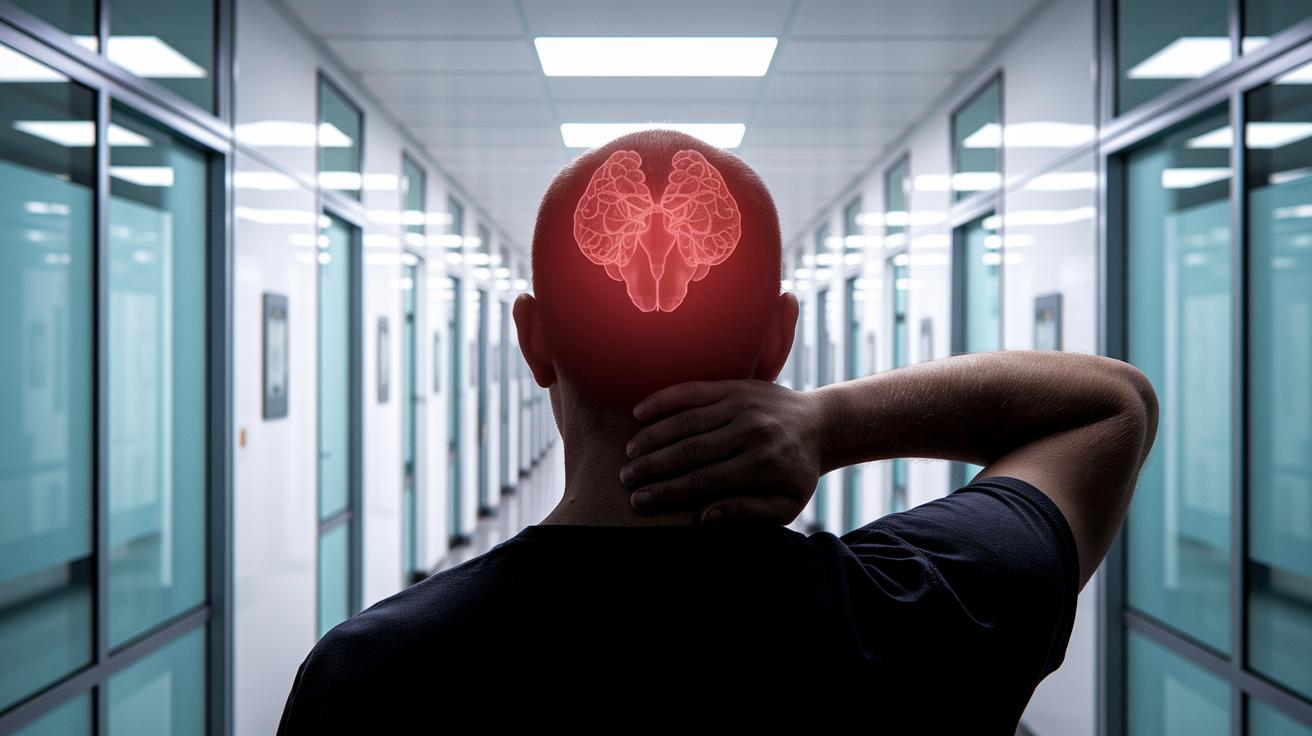
Occipital migraine symptoms can be similar to those found in other headache conditions. However, small differences in pain characteristics and how treatments respond are key to making an accurate diagnosis. By noting the specific signs at the rear of the head, healthcare providers can better differentiate these conditions and choose more effective treatments.
Occipital Migraine vs Occipital Neuralgia
In occipital neuralgia, pain tends to be sharp and stabbing, reflecting a nerve-related issue. By comparison, occipital migraine pain is more throbbing and pulsating. Treatments for migraine may not fully relieve occipital migraine pain, whereas occipital neuralgia often responds best to specialized nerve block therapies. Consider it like comparing a steady rhythm with abrupt, intense bursts.
Occipital Migraine vs Tension Headache
Tension headaches are usually felt as a constant, band-like pressure that encircles the head. In contrast, the pain from an occipital migraine is deep, rhythmic, and focused at the back of the skull. Where tension headaches create a general feeling of tightness, occipital migraine pain typically travels upward along the nerve pathway.
Occipital Migraine vs Cluster Headache
Cluster headaches are known for causing severe pain around the eye and are often accompanied by symptoms like tearing and nasal congestion. Occipital migraines start at the back of the head and then travel upward, making the location of the pain a useful clue. Imagine distinguishing between pain centered in the eye area and discomfort that spreads across the head.
Understanding these subtle differences in pain quality is vital. Recognizing that occipital migraine pain is pulsatile and may resist medication, in contrast to the sharp nerve pain, diffuse pressure, or orbital pain seen in other conditions, leads to a more accurate diagnosis and better-targeted treatment options.
Neurological and Cranial Cues in Occipital Migraine Signs
Patients frequently describe experiencing vivid aura events before the onset of pain in the back of the head. They often say they see a vibrant cascade of shifting colors, as if a dramatic light show signals an impending storm. In addition to these visual disturbances, many sufferers report that ordinary light becomes overwhelmingly intense and persists for several hours.
Other neurological indicators include an overload of sensory input. Patients commonly mention difficulty handling noise, brief spells of dizziness, and minor balance issues. Specific symptoms include:
- Noise intolerance – sudden sounds become so intense that they nearly incapacitate the affected person.
- Brief dizziness – short periods of disorientation that add to the overall sensory overload.
- Subtle vertigo – a slight imbalance or fleeting sensation of spinning that suggests nerve irritation extending into nearby balance circuits.
Diagnostic and Evaluation Methods for Occipital Migraine Signs

Diagnosing occipital migraines begins with an extensive clinical evaluation. Doctors examine how pain follows the path of the greater occipital nerve and consider details such as when the pain starts, its intensity, and how it spreads. They also observe if the pain is rhythmic or pulsating and whether it comes with other neurological symptoms like aura or light sensitivity. For example, one patient might describe a persistent pulsing at the base of the skull right before a deep, heavy sensation develops, which helps guide the early stages of diagnosis.
Even though there are no specific blood tests or scans designed solely for occipital migraines, cranial imaging plays a vital role in excluding structural issues like tumors or signs of vascular compression. MRI and CT scans are used to rule out other conditions that could present with similar symptoms, ensuring clinicians direct their attention toward nerve-related pain. Additionally, noninvasive tests that measure nerve conduction can highlight irritation along nerve pathways, adding clarity to the differential diagnosis process.
A complete patient history combined with a thorough neurologic examination is crucial in accurately diagnosing this condition. By discussing previous head discomfort episodes and identifying recurring pain patterns and triggers, healthcare professionals are better equipped to understand each patient. This method, which integrates clinical insight with imaging results and nerve examinations, allows providers to clearly differentiate occipital migraines and customize treatment plans that address the unique features of each case.
Home Management Strategies for Occipital Migraine Signs
Managing occipital migraine signs begins by identifying lifestyle triggers and making thoughtful adjustments. Improving your posture and ensuring an ergonomically sound setup can reduce pressure on your upper neck. Being mindful of extended periods of sitting and maintaining proper head alignment may ease scalp tension and lower the chance of triggering a migraine. Consider fine-tuning your workspace as you would calibrate a machine for best results.
Gentle manual therapies can also provide meaningful relief. A qualified therapist can perform mild neck mobilization to ease nerve compression and help relieve the persistent pain associated with occipital migraines. In the same way, targeted physiotherapy works to diminish cervical stiffness and restore spinal balance, much like recalibrating an instrument for smoother performance.
Staying properly hydrated is another key factor. Dehydration can increase scalp tension and intensify migraine symptoms, so ensure you drink water consistently throughout the day. Think of this practice as keeping a vital engine fueled properly, reducing the impact of potential migraine triggers.
Lastly, incorporating stress reduction techniques such as biofeedback and meditation may further ease migraine intensity. These methods help calm sensory overload and reduce nerve irritation, allowing both mind and body to relax, which can lead to a notable decrease in discomfort.
Professional Treatment Options for Occipital Migraine Signs

When dealing with ongoing occipital migraine symptoms, medication plays a key role in providing relief. One effective approach is using occipital nerve blocks with image guidance, which target specific areas of nerve irritation to quickly ease the pain. While over-the-counter pain relievers like NSAIDs can help with initial symptoms, many patients find that prescription treatments, such as triptans or nerve membrane stabilizers, offer more significant benefits. For example, a patient might experience a noticeable improvement after receiving a carefully administered nerve block, turning an intense headache into something much more manageable. This approach highlights the importance of a thorough evaluation in choosing the safest and most effective treatment plan.
Complementary therapies can also enhance the overall treatment strategy for occipital migraines. Techniques like acupuncture, pressure point massage, and chiropractic adjustments have shown promise in small studies and are increasingly being used alongside traditional medications. By blending these natural methods with standard pharmacologic treatments, patients may enjoy better overall results and higher satisfaction. For example, pairing the rapid relief of a nerve block with the balanced benefits of acupuncture creates a well-rounded approach to managing migraines. This combination of methods allows for a flexible and personalized plan to address persistent occipital migraine symptoms.
Final Words
In the action of exploring occipital migraine signs, this article navigated recognizing key symptoms, distinguishing them from similar back-of-head headaches, and interpreting neurological cues. It detailed diagnostic methods, home management strategies, and professional treatment options that can make a real difference.
Breaking down each section illuminated both self-care practices and advanced interventions. Embracing these insights inspires proactive care and optimizes overall well-being.
FAQ
What is occipital neuralgia and what are its early symptoms?
The occipital neuralgia condition presents as sharp, burning pain at the back of the head with early symptoms such as scalp tenderness and shooting discomfort along the occipital nerves.
How can occipital neuralgia be managed or cured at home?
The occipital neuralgia home management approach involves ergonomic adjustments, gentle neck exercises, and temperature therapies alongside stress reduction, while personalized medical advice remains essential for effective relief.
What treatments are available for occipital neuralgia including medication options?
The occipital neuralgia treatment options include over-the-counter pain relievers, prescription medications, and targeted nerve block injections, with choices tailored by healthcare professionals based on symptom severity.
What causes occipital headaches?
The occipital headache causes typically stem from nerve irritation, muscle tension, cervical spine issues, or structural abnormalities, necessitating careful diagnosis to determine the precise source of discomfort.
How dangerous is occipital neuralgia; can it be life-threatening?
The occipital neuralgia condition is generally not fatal, yet persistent severe pain should prompt medical evaluation to rule out underlying issues and prevent potential complications.
What does an occipital migraine feel like and what triggers it?
The occipital migraine experience involves throbbing pain at the base of the skull, sometimes accompanied by visual aura and light sensitivity, with triggers ranging from stress and dehydration to poor posture and specific dietary factors.
Are occipital nerve blocks safe during pregnancy?
The occipital nerve blocks administered during pregnancy require close risk-benefit analysis by healthcare providers, ensuring that treatment choices are customized for pain relief while prioritizing fetal safety.