
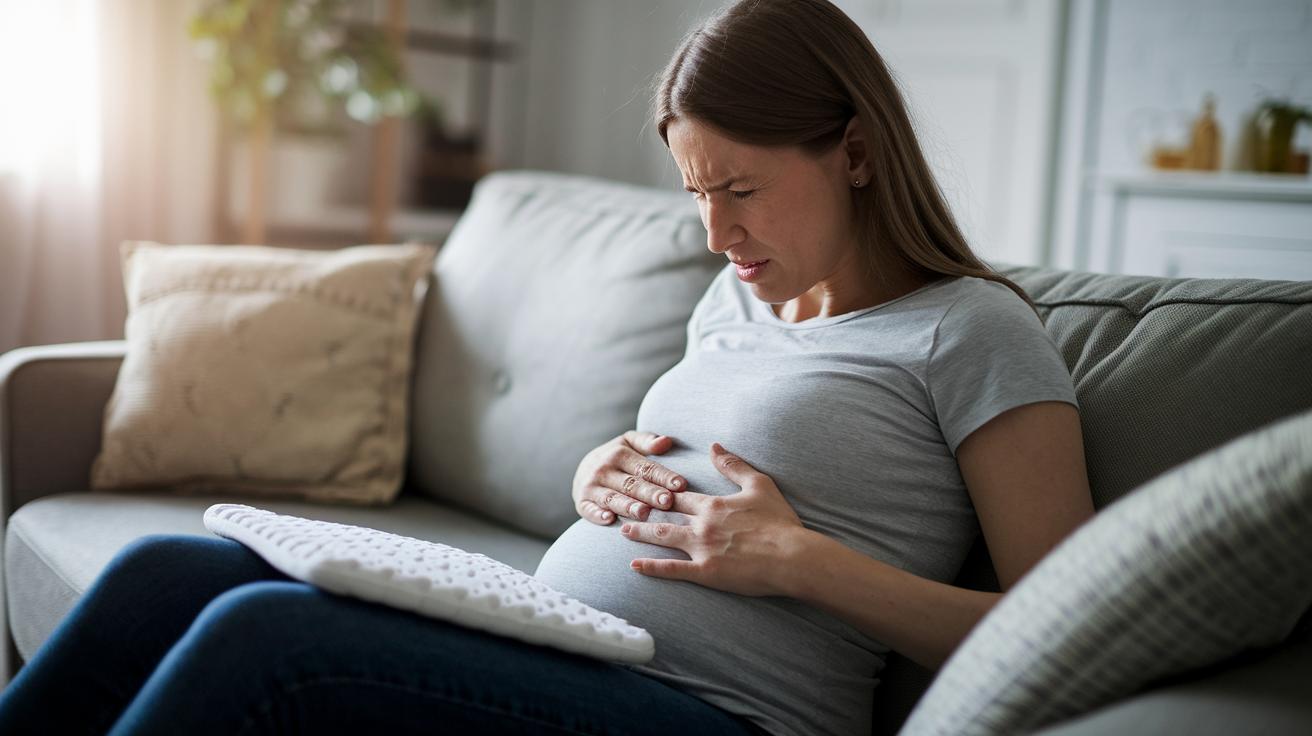

Quick take: Mild belly aches before your period are common and usually not a cause for alarm.
If you have any of these signs, call emergency services now:
• Severe pain that makes it hard to move
• Heavy bleeding
• Fever or feeling faint
Over 80% of women experience light cramps as their body gets ready to shed the uterine lining. These cramps feel like a gentle squeeze and are caused by natural hormonal shifts (normal changes in your body). Understanding this normal process can help you decide when to try soothing relief at home. Use a heating pad, over-the-counter pain relievers, or rest if your discomfort is mild. Keep track of your symptoms so you know what’s typical for you and when it might be time to seek extra care.
Why You Experience Premenstrual Belly Pain Before Your Period
Quick take: Mild belly pain before your period is a normal sign your body is getting ready for menstruation.
Triage Box:
• Call emergency services if you have severe, sharp pain, fever, vomiting, or heavy bleeding.
• If your pain stays mild to moderate and follows its usual timeline, monitor your symptoms at home.
• Seek same-day care from your clinician if you notice any sudden changes or extra symptoms.
Over 80% of women feel belly pain a day or two before their period. You may notice these cramps 1–3 days before your period starts and they usually last about 1–2 days. This discomfort shows that your body is getting ready to shed the uterine lining.
Hormonal shifts cause these cramps. As your cycle goes on, levels of estrogen (the hormone that builds up the uterine lining) and progesterone (the hormone that helps keep the lining once built) change. These shifts prompt prostaglandins (chemicals that trigger muscle contractions) to work. You might feel this as a gentle squeeze or mild massage in your belly. It is more like a soft, rhythmic wave than a forceful cramp, which is a normal part of your cycle.
When your pain is mild or moderate and fits this pattern, it is usually normal. But if the pain becomes very strong or comes with fever, vomiting, or heavy bleeding, it is a good idea to talk with a healthcare provider.
Common Causes of Belly Pain Before Period
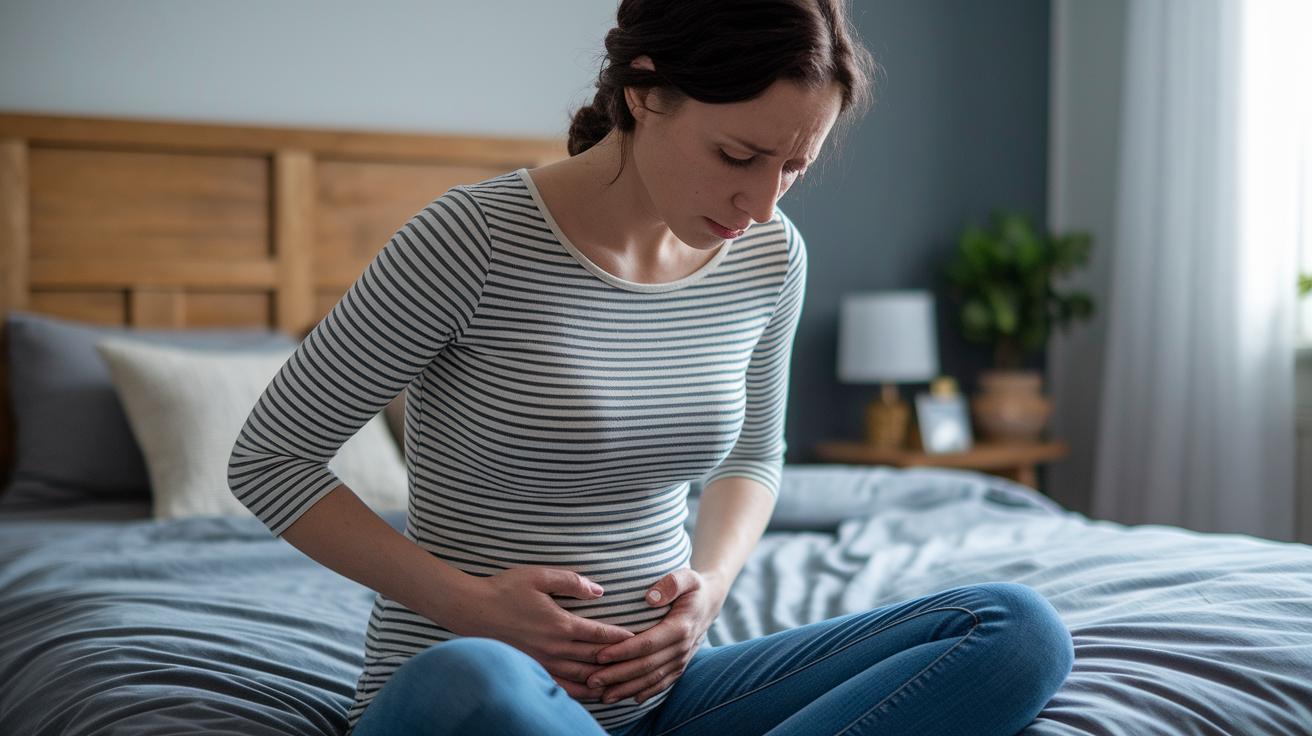
Quick take: Belly pain before your period is common, but if it becomes severe or unusual, act now.
Triage Box:
• If your pain is sharp, severe, or comes with fever, heavy bleeding, or dizziness, call emergency services now.
• If the pain worsens or lasts longer than your usual cycle, seek same-day medical care.
• For mild, expected cramps, track your symptoms and use basic self-care.
Belly pain may happen for several reasons. Here are some common causes:
• Ovulation pain (mittelschmerz): This pain occurs on one side of your lower belly when an egg is released mid-cycle.
• Implantation cramps: About 6–12 days after conception, mild pain may appear up to a week before your period.
• Uterine fibroids: These are non-cancerous growths in the muscle of the uterus that can press on surrounding areas and cause an ache.
• Endometriosis: In this condition, tissue like the uterine lining grows outside the uterus. It affects about 10% of people and causes more intense cramping.
• Ovarian cysts: These fluid-filled sacs often go away without treatment. If they persist, they might cause discomfort near your navel.
• Early period due to stress or lifestyle changes: Sometimes an early period can mimic premenstrual cramps, adding to the confusion.
Your pain might change from one cycle to the next. Some months, you may have light cramping for a day or two; other times, additional symptoms may show up. It can help to keep a simple diary. Write down the date, time, pain level (mild, moderate, or severe), and any extra symptoms. This record will give you and your healthcare provider a clear view of what’s normal for your body.
Distinguishing Normal Premenstrual Cramps From Concerning Belly Pain
Quick take: Mild cramps and slight bloating are usually normal, but sharp, long-lasting pain or extra symptoms need prompt action.
• Normal cramps come from regular hormonal changes. They feel mild and can be mixed with a bit of bloating.
• Keep a log of your cycle. Write down when the pain starts, how long it lasts, and note any extra signs. For example: "Cramps started at 8 AM, lasted 2 hours, with a little bloating." This helps you see if the symptoms are typical.
• If you experience severe or sharp pain, fever, vomiting, or heavy bleeding, and if the pain lasts more than 2 days, seek same-day medical care. These warning signs are your red flags.
Act on these guidelines to know when to monitor your symptoms and when to get medical help.
Premenstrual Belly Pain vs Early Pregnancy Discomfort

Quick take: Tracking your pain can show if it follows the usual premenstrual pattern or hints at early pregnancy. If your pain is severe or you notice heavy bleeding, call your healthcare provider.
Premenstrual cramps normally start 1–3 days before your period. They tend to last 24–48 hours and feel crampy and steady. On the other hand, implantation pain usually happens 6–12 days after conception. It is usually light, short, and can come with a slight twinge or light spotting.
Keep a simple diary of your symptoms. Note the date, time, and nature of your pain. This will help you see what is typical for your body and decide whether to simply monitor your symptoms or get in touch with a doctor.
| Feature | Premenstrual Cramps | Implantation Pain |
|---|---|---|
| Timing | Starts 1–3 days before your period | Occurs 6–12 days after conception |
| Pain Quality | Crampy and steady | Usually mild and brief, sometimes a slight twinge |
| Associated Signs | Bloating, headaches, or fatigue | May include light spotting |
| Duration | Lasts 24–48 hours | Goes away within a few hours |
Home Remedies for Belly Pain Before Period
Quick take: Mild belly pain before your period can often be eased with simple, safe home remedies.
Triage Box:
• Call emergency services right away if you have severe pain, heavy bleeding, a fever over 102°F, or feel faint.
• If your pain worsens or does not improve after a few days, get urgent medical advice.
• For regular discomfort, follow these steps and monitor your symptoms closely.
Heat therapy is a simple and effective way to ease cramping. A warm heat pack or bath helps relax your uterine muscles and reduces spasms. For example, you might use a heat pack for 20 minutes and notice a steady drop in your pain. This method feels like a soft hug for your lower belly.
Light exercise and gentle yoga can also help. Stretching or easy yoga poses improve blood flow and ease muscle tightness. Focusing on moves that target the lower abdomen can bring noticeable relief. Many people say that after a short yoga routine, they feel less tension and overall more relaxed.
Over-the-counter medications such as acetaminophen can lower pain. These medicines work by reducing the production of prostaglandins (hormone-like substances that trigger cramps). When you take the right dose as directed on the package, you may find your pain less intense.
Herbal approaches like ginger or chamomile tea offer natural relief. A warm cup of tea not only soothes with its gentle aroma but also helps lower inflammation. These remedies support your body as it goes through hormonal changes, offering a natural way to ease discomfort.
Lifestyle and Dietary Tips to Ease Belly Pain Before Period

Quick take: Simple changes in what you eat, how you drink, and relax can ease belly pain before your period.
Triage Box:
• Call emergency services now if you have very heavy bleeding, a high fever, or pain that is unbearable or worsening.
• If you feel moderately unwell with severe cramps or continued pain, seek same-day medical care.
• Otherwise, try these self-care steps and monitor your symptoms.
Focus on your diet. Eating anti-inflammatory foods like berries, fatty fish, and leafy greens may help calm uterine contractions (tightening of the uterus that causes cramps). Magnesium can also help relax your muscles. Try adding foods with magnesium such as nuts, seeds, and whole grains. You might consider a magnesium supplement, but talk with your provider first.
Proper hydration is key. Aim to drink at least 8 cups of water each day. Drinking water helps reduce uterine tension and flushes out extra salt. Cutting down on caffeine and salty snacks can also help reduce water retention and jittery feelings. Herbal teas can be a nice, caffeine-free alternative.
Also, work on reducing stress and getting good sleep. Try to sleep 7-9 hours each night. Simple steps like deep breathing or gentle stretching can make a big difference. Even a short walk or light yoga can ease muscle tension and calm your anxiety. Adjusting your daily routine to lower stress can help lessen pre-cycle aches and improve your overall well-being.
| Tip | Action |
|---|---|
| Nutrition | Eat berries, fatty fish, leafy greens, and magnesium-rich foods |
| Hydration | Drink 8 cups of water daily; limit caffeine and salty snacks |
| Stress and Sleep | Get 7-9 hours of sleep; try deep breathing, stretching, or light exercise |
When to Consult a Healthcare Provider for Belly Pain Before Period
Quick take: Belly pain before your period may be normal, but sudden, unusual symptoms need urgent care. Keep a pain diary to track changes in pain, mood, and daily routines. This diary, where you note what you eat, your stress level, and other signs, can give your provider useful clues.
If you have any of these emergency signs, call emergency services now:
- Sudden, very strong pain that feels different from your usual cramps.
- Fever, vomiting, or very heavy bleeding.
- Unexplained fatigue or big shifts in mood along with the pain.
For persistent pain that interferes with daily life, record details like the time pain starts, how bad it is, any changes in mood or energy, and what might have triggered it (such as certain foods or stress). Your provider might suggest tests, like a pelvic ultrasound (an imaging test) or hormone panels (blood tests), to look for other causes. Your clear notes help guide these tests and treatments.
Final Words
In the action of managing premenstrual discomfort, you explored what causes belly pain before period and learned how hormonal shifts, lifestyle adjustments, and home care can help reduce your discomfort. You also found clear tips on spotting red flags that need urgent attention.
Keep using these practical steps to track your symptoms and take charge of your well-being. Stay informed, stay safe, and remember that every step counts toward feeling better.
FAQ
What is the difference between period cramps and early pregnancy cramps?
The period cramps typically start 1–3 days before your period and last about 1–2 days with heavier flow, while early pregnancy cramps (implantation cramps) occur 6–12 days after conception, are milder, and may include light spotting.
What causes lower abdominal pain or cramps a week or 10 days before my period?
Lower abdominal pain a week or 10 days before your period may be due to uterine contractions from prostaglandins or early menstrual symptoms. This timing can also reflect ovulation discomfort in some cases.
Are painful periods a sign of good fertility?
Painful periods result from normal uterine contractions due to hormonal changes and do not indicate good fertility. Many women experience cramps regardless of their fertility levels.
Why do I experience upper stomach pain before or during my period?
Upper stomach pain before or during your period can be linked to hormonal shifts that cause bloating and gas, along with muscle tension in the upper abdominal area, which is common during the menstrual cycle.
How can I stop period pain immediately?
To ease period pain quickly, apply heat with a warm pack or bath, take over-the-counter pain relievers like ibuprofen, and try gentle stretching to relax your muscles and relieve cramps.
Why do I have lower cramps but no period?
Lower cramps without a period might result from ovulation pain or other conditions like uterine fibroids. If the pain is persistent or worsening, it is best to track your symptoms and consult a healthcare provider.