


Quick Take: Sudden or unusual pain can be a warning sign that something is wrong.
If you have any of these emergency signs, call emergency services immediately:
- Crushing chest pain
- Severe headache that comes on fast
- Sudden, intense pain in another part of your body
Your body sends signals when something isn’t right. These symptoms are red flags that you need help quickly. It can feel scary when this happens, but acting fast can make a big difference. Stay calm, check your symptoms carefully, and get medical attention if you notice any of these signs.
Recognizing Crucial Emergency Care Red Flags
Time is critical when these signs appear. They can point to a serious emergency, so act quickly if you have any of the following:
- If you feel a crushing pain in your chest that spreads to your arm, neck, jaw, or back. You might also feel short of breath, sweaty, or nauseous.
- If you suddenly have a hard time breathing, especially if you also feel chest pain, a fast heartbeat, confusion, or lightheadedness.
- If you experience heavy stomach pain that won’t go away and gets worse even with gentle pressure.
- If you get a sudden, severe headache that is different from your usual headaches, and it comes with vision changes, confusion, weakness, or trouble talking.
- If you faint or lose consciousness for no clear reason, especially if you then feel confused or weak.
- If you have a seizure for the first time or one that lasts more than 5 minutes, or if it leaves you with breathing trouble or injury.
- If you see heavy bleeding that does not stop even when you press on the area.
- If you notice swelling in your throat or face, a fast outbreak of hives, or difficulty breathing.
- If you have thoughts of suicide or feel driven to hurt yourself.
- If you suffer a major injury from an accident, such as broken bones or a head injury.
If you have any of these symptoms, call emergency services right away. Your safety is the top priority.
Cardiovascular Emergency Care Red Flags
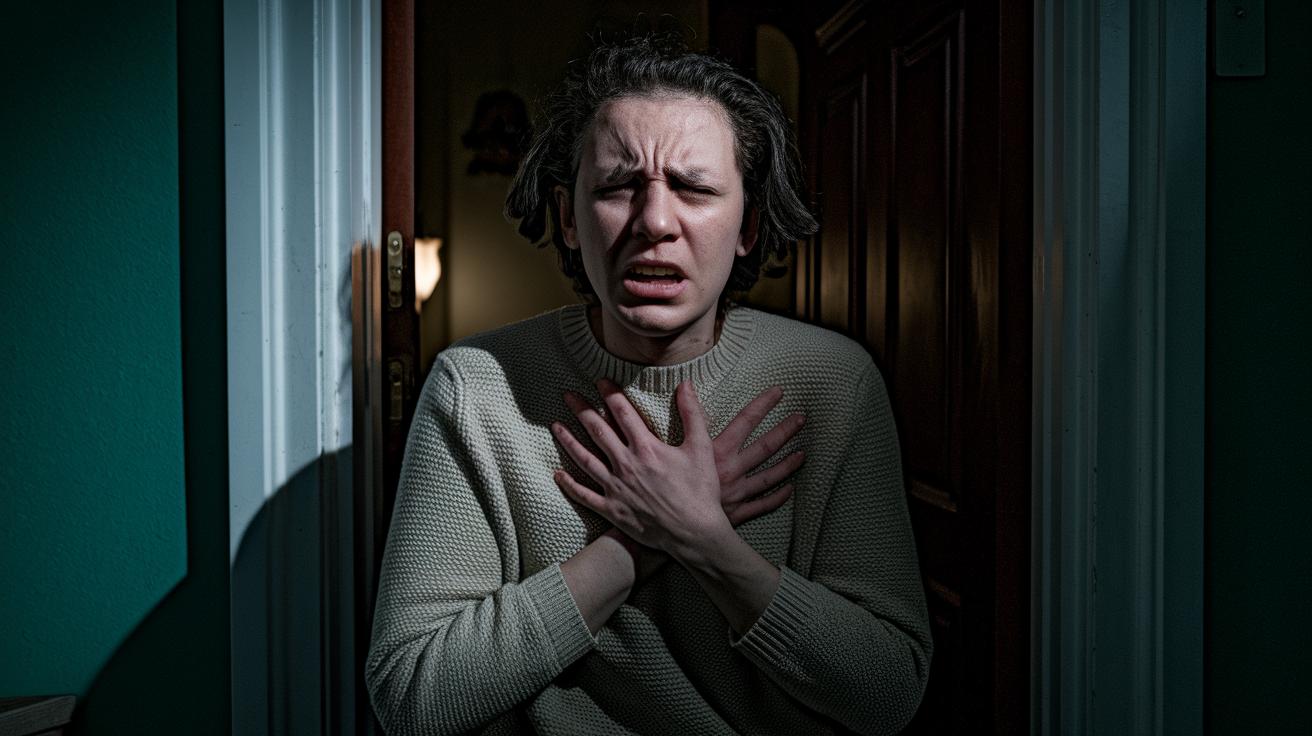
Time matters when heart symptoms appear. If you notice any of these signs, call 911 immediately.
Red flags – Call emergency services now if you have any of these:
- Chest pain or pressure that spreads to your arm, neck, jaw, or back. This may mean your heart isn’t getting enough blood.
- Trouble breathing or fast, shallow breaths with chest discomfort. This shows your heart might be struggling to deliver oxygen.
- Sudden, heavy sweating even when you’re not active. This can be a sign that your heart is under stress.
- Nausea or vomiting along with chest pain. These signs together can signal your body isn’t getting enough oxygen.
- A fast or irregular heartbeat (palpitations) that may disturb normal blood flow. Sometimes, you might even feel faint (syncope) after this.
- Dizziness, lightheadedness, or fainting. These could mean a sudden drop in blood pressure caused by an irregular heart rhythm.
Remember, these symptoms require urgent care. Do not wait if you notice them.
Respiratory Emergency Care Red Flags
Quick take: Sudden, hard breathing can be a warning sign that you need urgent medical help.
If you notice any of these signs, call emergency services immediately:
- Rapid breathing that starts suddenly
- Breathing that feels very hard, with nostrils widening (flaring), lips pressed into a small opening (pursed-lip breathing), or extra neck and chest muscles working
- Chest pain combined with breathing trouble, confusion, or dizziness
- A fast heart rate or a bluish tint on your lips or fingertips
When your breathing becomes difficult without a clear reason, it means your body might not be getting enough oxygen. A moment where you feel like you simply cannot breathe is a red flag that needs immediate attention.
Watch yourself for signs of extra effort. Your body may show that it is working hard by flaring your nostrils, using pursed-lip breathing, or even making the muscles in your neck and chest visible as you struggle to breathe.
If these breathing troubles come along with chest pain, confusion, or lightheadedness, it could point to a serious heart or lung problem. A very fast heart rate or a change in color, like blue lips or fingertips, signals that oxygen levels are dangerously low.
Each of these symptoms is a sign to get help now. Don't wait, if you experience these red flags, seek emergency care right away.
Recognizing Crucial Emergency Care Red Flags

Neurological Emergencies
A sudden, severe headache that comes on like a "thunderclap" and feels very different from your usual migraine can signal a serious problem, especially when paired with blurred vision, confusion, or body weakness. Before a stroke, some people have this harsh headache and blurry vision that makes them seek help immediately.
If you see constant flashes of light, it may be a sign of a detached retina or a stroke.
Watch for sudden weakness, numbness, or trouble speaking. These symptoms could mean there is an issue inside your brain that needs quick attention.
Unexplained fainting, especially if it is followed by confusion or ongoing weakness, is another important warning sign.
Any new seizure, a seizure lasting more than 5 minutes, or a first-time seizure should be treated as a medical emergency.
If you notice any of these neurological signs, call emergency services right away.
Gastrointestinal Emergency Care Red Flags
Quick take: These signs suggest a serious problem with your digestive system that needs immediate care.
If you have any of these emergency signs, call emergency services now:
- Sudden, severe stomach pain that does not go away or worsens with a light touch.
- Feeling full too quickly with added bloating, nausea, or vomiting.
- Changes in your bathroom habits, such as ongoing constipation, urgent diarrhea, or noticing blood in your stool or vomit.
- A fever lasting more than 3 days or rising above 103°F.
These symptoms may mean you have a condition like appendicitis, pancreatitis, a blockage, or even a ruptured organ. This persistent pain and other changes in your body are key warnings that something is very wrong. Do not ignore these signs.
If you see any one of these red flags, act immediately to protect your health and stop serious complications.
Trauma and Bleeding Emergency Care Red Flags

Quick Take: If you notice any of these signs, get emergency help right away.
If you experience any of these, call emergency services now:
- Bleeding that continues even after you apply firm pressure for several minutes.
- Deep wounds showing bone or tissue, or wounds with debris that could cause an infection.
- A suspected broken bone, where the area looks misshapen or you have trouble moving a limb.
- Head injury signs such as passing out, repeated vomiting, feeling confused, or a headache that worsens.
These signs are serious. They mean you could lose a lot of blood or go into shock. Act now if you see these symptoms.
Psychiatric Emergency Care Red Flags
Quick take: Sudden shifts in thought or mood can signal a mental health crisis that needs urgent help.
If you see any of these emergency signs, call emergency services now:
- Suicidal thoughts, plans, or actions
- Urges to self-harm or talk of suicide
- Sudden, strong confusion or difficulty focusing
- Agitation that is new or extreme
- Talks of hurting others
- Hallucinations (seeing things that aren’t really there) or delusions (believing things that aren’t true)
Changes in behavior or mood can be very upsetting. When you notice these red flags, reach out to a mental health professional or crisis team immediately. Early help can save lives. Act now.
Action Plan and Triage for Emergency Care Red Flags

When you notice any of these warning signs, act quickly. Check the table below to see which symptoms match your situation and learn the next steps. Start a symptom log by writing down when your symptoms begin, any new or worsening signs, and how severe they feel. For example, note "10:15 AM – sudden chest pain and heavy sweating" so healthcare providers can make a fast, clear decision.
| Category | Key Signs | Urgency Level | Recommended Action |
|---|---|---|---|
| Cardiovascular | Chest pain radiating, sweating, nausea | Life-threatening | Call 911 |
| Respiratory | Severe dyspnea, cyanosis, confusion | Life-threatening | Call 911 |
| Neurological | Thunderclap headache, visual changes | Critical | Call 911 |
| Gastrointestinal | Rigid abdomen, bloody stool/vomit | High | Go to ER |
| Trauma/Bleeding | Uncontrolled hemorrhage, fractures | High | Call 911 & apply pressure |
| Psychiatric | Suicidal ideation, severe agitation | High | Crisis line/911 |
Final Words
In the action, we broke down key warning signs across body systems and shared clear steps to follow when severe symptoms arise. We addressed signs like crushing chest pain, sudden breathing trouble, and severe headaches, outlining when to call 911 and when to head to the ER. This guide helps you quickly spot emergency care red flags and act fast. Stay mindful of these signals and trust your instincts. Every informed step can help protect your health and ensure you receive the immediate care you need.
FAQ
What are medical red flags and why are they important?
The medical red flags indicate warning signs that may signal life-threatening issues. They include severe chest pain, breathing difficulties, sudden severe headache, uncontrolled bleeding, or signs of stroke requiring immediate evaluation.
What might a Medical Red Flags PDF include?
The Medical Red Flags PDF usually lists urgent warning signs along with definitions and next steps. It is a quick reference tool that helps you and caregivers identify symptoms needing immediate medical attention.
What are some examples of emergency red flags, like the 4 signs of an emergency?
The 4 emergency signs often include crushing chest pain, sudden difficulty breathing, severe headache or loss of consciousness, and uncontrolled bleeding. These signs require prompt evaluation to prevent worsening conditions.
When should you not go to the emergency room?
You should avoid the emergency room for non-life-threatening issues that can be managed by your primary care provider. However, if you show red flag symptoms like chest pain or breathing trouble, you must get emergency care immediately.
What are the most common reasons for emergency room visits related to red flag symptoms?
Common reasons include chest pain, respiratory distress, fainting, severe abdominal pain, and head injuries. These symptoms often align with red flags and indicate a need for urgent medical attention.
What types of emergency care are available, and what are red flags for urgent care?
Emergency care options include full-service emergency departments, urgent care centers, and crisis intervention services. Red flag symptoms—such as rapid heart rate, severe pain, or trouble breathing—signal that urgent evaluation is needed.