
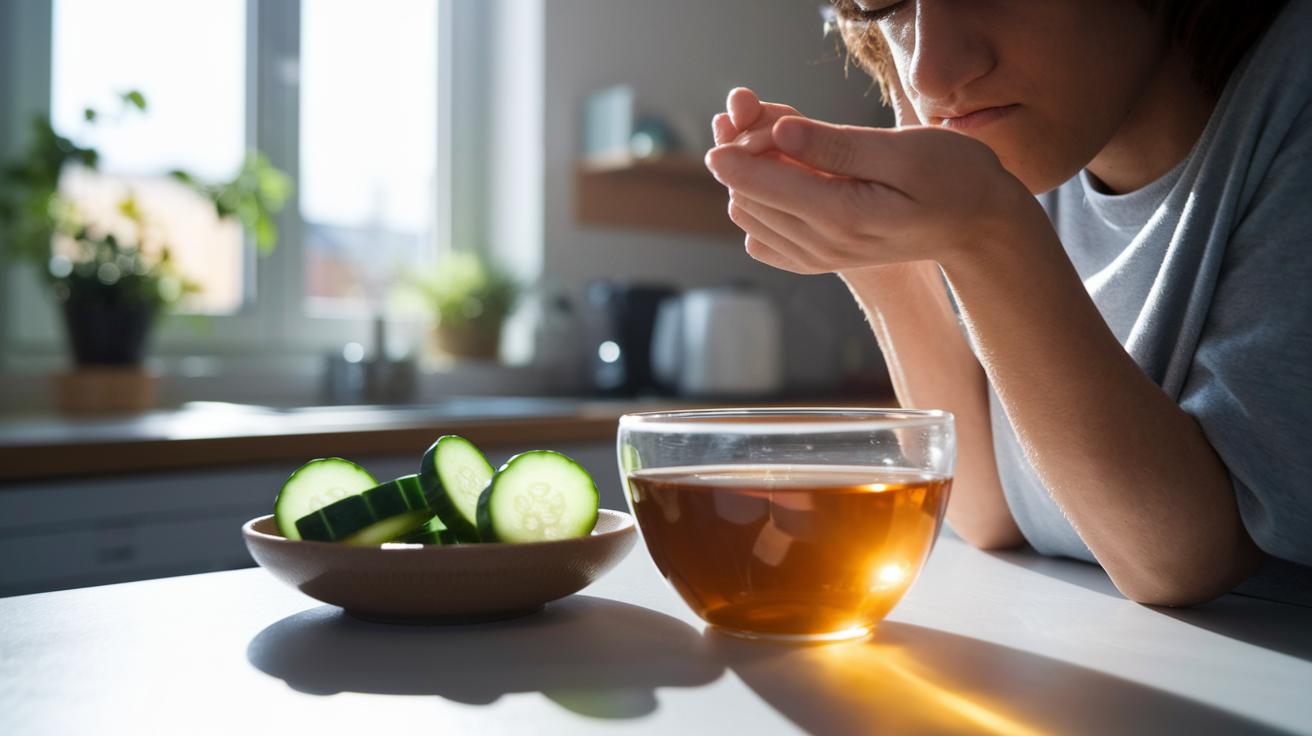

Quick Take: Mild itchy eyelids are common and can usually be managed at home unless symptoms worsen.
Triage:
• Emergency: Call emergency services now if you experience severe eye pain, vision changes, or major swelling.
• Urgent: Seek same-day care if redness, swelling, or discharge gets worse.
• Monitor: If symptoms remain mild, try these simple home remedies and keep track of any changes.
Itchy eyelids can be more than just a minor annoyance. Dust, pollen, or dry air can irritate your eyes and disrupt your day. We know how upsetting it is when your eyes feel uncomfortable.
Try these natural steps to ease the irritation:
• Apply a warm compress (a clean, warm washcloth on your eyelids for a few minutes) to relax tired skin.
• Rinse your eyes gently with cool water to lessen dryness and burning.
• Reduce exposure by keeping your home free of dust and pollen.
Using these tips can help soothe your eyelids fast so you can get back to enjoying your day. Remember to watch your symptoms and get help if they worsen.
Quick Home Remedies for Itchy Eyelids
Quick take: Home care may ease mild eyelid irritation caused by common triggers.
If you have any of these emergency signs, call emergency services now: severe eye pain, changes in vision, or intense swelling. If your symptoms last more than 48 hours, seek urgent care.
Your itchy and swollen eyelids may be due to irritants like dust, pollen, or dry eye debris. These home remedies help soothe the skin, clear blocked oil glands, and remove irritants before bacteria build up.
• Apply a warm compress by holding a warm washcloth gently over your closed eyelids to help open blocked oil glands.
• Rinse with cool, clean water to wash away dust and particles.
• Wash your eyelids gently using a mild cleanser to remove any irritants.
• Use a cooled green tea rinse for its natural antihistamine and calming effects.
• Avoid known irritants such as makeup or areas with high pollen counts.
These simple steps can relieve mild symptoms of allergies or dryness. Keep an eye on your symptoms, and if they worsen or do not improve within 48 hours, consult a healthcare provider for proper care.
Common Causes of Itchy Eyelids

Quick Take: Itchy eyelids are often due to allergies, gland issues, or minor infections. But if you notice sudden vision changes, intense pain, or heavy swelling, get help right away.
Triage Box:
• If you have sudden vision loss or severe eye pain, call emergency services now.
• If you experience intense redness, swelling, or fever, seek same-day medical help.
• Otherwise, monitor your symptoms and follow good eyelid hygiene.
Allergic Reactions
Allergies from pollen, pet dander, or dust mites can make your eyelids itch a lot. Your lids may turn red, feel irritated, and even water a bit, especially during seasonal changes.
Blepharitis
Blepharitis happens when bacteria upset the natural oil balance in your eyelids. This can lead to crusty lashes and swollen lids. Not cleaning your eyelids well can worsen the irritation.
Styes
A stye is a small, painful bump on the edge of your eyelid. It forms when an oil gland gets blocked and infected. Along with redness, you might feel a burning sensation in the area.
Chalazia
Chalazia are firm bumps that appear when oil gets trapped in a gland. They usually hurt little but can change the look of your eyelid. Even if they aren’t painful, they may be bothersome.
Explore natural relief options in the next sections.
Best Compresses for Itchy Eyelids at Home
Quick take: These simple compresses can soothe itchy eyelids fast.
If you experience severe pain, vision changes, or intense burning, call emergency services now. If symptoms get worse or last more than a day, seek same-day medical advice.
Compresses use temperature therapy to calm irritation and reduce swelling around your eyes. A warm compress opens clogged oil glands and improves blood flow. A cold compress tightens blood vessels to ease swelling and pain. Herbal tea bag compresses, like chamomile or green tea, bring natural anti-inflammatory benefits to calm your eyelids. Cucumber slices provide cooling moisture to lessen redness, and ginger compresses may ease eye strain. These methods offer fast, natural relief for different types of eyelid discomfort.
| Compress Type | Key Benefits | Preparation Steps |
|---|---|---|
| Warm Compress | Opens clogged glands and boosts blood flow | Soak a clean cloth in warm water, wring out extra water, and gently place it over your closed eyes |
| Cold Compress | Eases irritation and reduces swelling | Soak a cloth in cold water, wring out, and apply it to your eyelids |
| Chamomile Tea Bag | Natural anti-inflammatory and calms swelling | Steep a tea bag in hot water, let it cool completely, then set it on your eyelid |
| Cucumber Slices | Provides cooling moisture and relieves redness | Slice a cucumber, chill the slices in the fridge, then lay them over your eyes |
| Ginger Compress | Helps reduce redness and eye strain | Steep fresh ginger in hot water, allow it to cool, then apply it with a clean cloth |
Always check the compress temperature before use to avoid burns or extra irritation. Use a clean compress for 10-15 minutes at a time, with breaks between applications. Monitor your symptoms, and if they worsen, contact your healthcare provider.
Herbal and Botanical Remedies for Itchy Eyelids
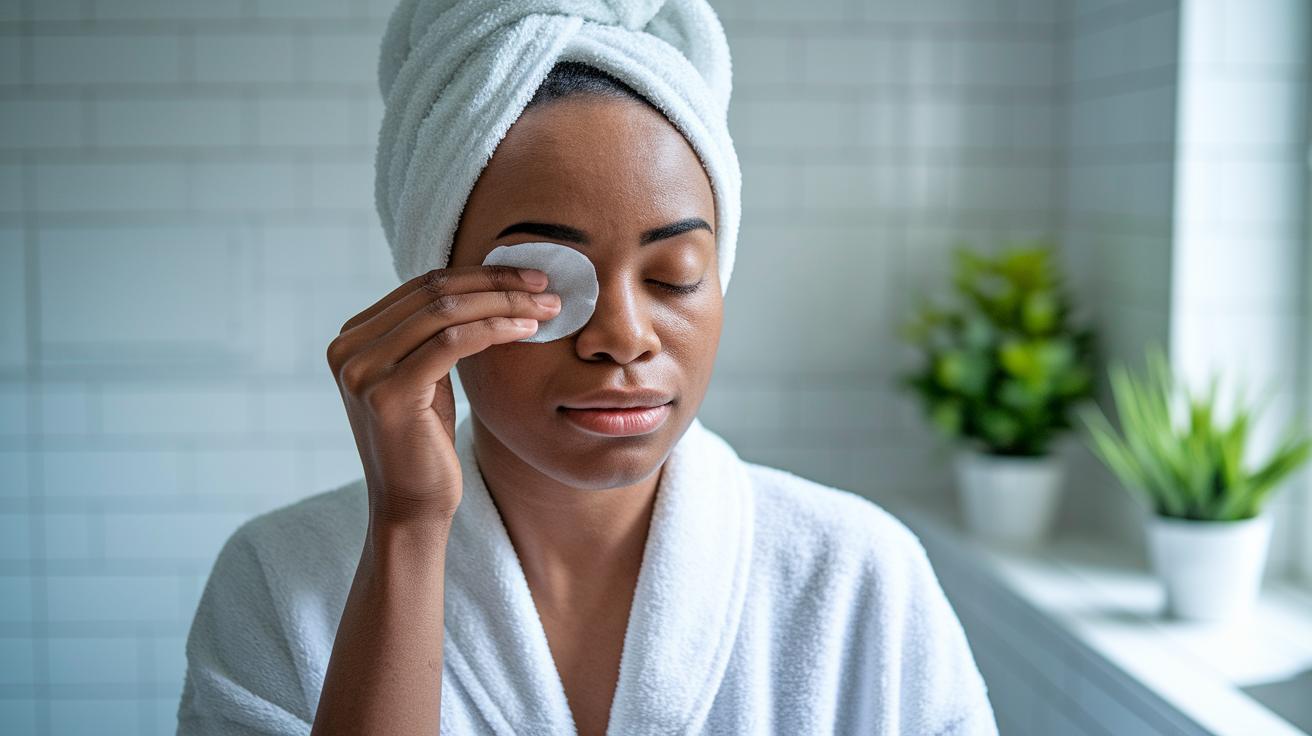
Quick Take: Natural remedies may relieve itchy eyelids but stop and get help if symptoms worsen.
Triage: If your eyelids become very red, feel more painful, or show signs of infection, stop these treatments immediately and consult a healthcare provider.
Chamomile, green tea, and calendula work like natural antihistamines (they block the chemical histamine that triggers itching). To make a soothing tea, steep one chamomile tea bag and one green tea bag in hot water for 3–5 minutes. Add a small pinch of calendula flowers for extra germ-fighting power. When the mixture cools, soak a clean cloth in it and gently press it onto your closed eyelids. This warm compress may help ease irritation and reduce swelling.
For extra relief, try dabbing aloe vera gel on your eyelids. It can soothe inflammation and add moisture. A light spritz of rosewater also helps calm irritation and reduce puffiness. You can finish your routine with a mild herbal rinse made from a cool brew. Use these methods twice a day and always do a patch test first. If you feel any discomfort or notice more irritation, stop using these remedies and consult your healthcare provider.
Eyelid Hygiene and Preventative Care for Itchy Eyelids
Quick take: Gently cleaning your eyelids every day helps cut germs and clear crust. If you have severe pain, vision changes, or heavy swelling, call emergency services immediately.
Clean your eyelids each day with a diluted baby shampoo solution or a soft, gentle wipe. This helps remove bacteria and the crust that can build up around your lashes. Wet a soft cloth in the solution and lightly wipe along the edge of your eyelids. Be gentle and avoid scrubbing too hard.
When your eyes are irritated, switch from contact lenses to glasses. Skip eye makeup during a flare-up because makeup may trap irritants and worsen inflammation. Also, replace mascara every 3 months to help keep germs at bay.
A warm compress is another simple way to support healthy eyelids. Use a clean, warm washcloth on your closed eyes for 10–15 minutes. The warmth boosts circulation and helps melt any blocked oils in your eyelids, easing discomfort and reducing inflammation.
Warning Signs and When to Seek Professional Help for Itchy Eyelids

Quick take: Itchy eyelids can be a mild irritation, but they sometimes signal a more serious infection.
Triage:
- If you have any of these emergency signs, call emergency services immediately:
- Eyelid itching that lasts more than 48 hours
- Sudden, sharp pain or increasing discomfort
- Blurry vision or hazy sight
- Thick discharge from your eye
- Fever or heavy swelling around the eye
Most often, these signs point to an infection such as blepharitis (eyelid inflammation) or a deep stye (infected oil gland).
Here’s what you should do:
- If your symptoms continue or get worse, call an eye specialist for help.
- Your doctor might prescribe antibiotics or steroid drops to clear the infection.
- If you can’t get to a clinic right away, try a telehealth service for an initial exam and treatment guidance.
Remember, it’s important to act if your symptoms worsen or don’t improve. Stay safe and keep track of any changes so you can explain them when you speak with your doctor.
Final Words
In the action, this guide has given clear home-care steps to ease discomfort and manage itchy eyelids. Each section offered practical fixes, natural remedies, and tips for daily eye care. Watch for red flags like worsening pain or vision changes, and track your symptoms to share with your clinician if needed. Rely on these strategies as a trusted itchy eyelids home remedy for prompt relief and healthier eyes. Stay proactive and take care every step of the way.
FAQ
What are some Indian home remedies for itchy eyes and burning eyelids?
Indian home remedies for itchy eyes include using warm compresses, gentle lid washing, and herbal rinses like green tea. These steps help soothe irritation and reduce burning without relying on eye drops.
What causes itchy or burning eyelids, including those on the edges and upper eyelids?
The causes for itchy or burning eyelids include allergies, dust, and irritants, as well as conditions like blepharitis or styes. These factors can trigger irritation along the eyelid edges and upper areas.
How is treatment for itchy eyelids managed using home remedies without eye drops?
The treatment for itchy eyelids often involves applying warm or cool compresses, gently washing the eyelids with a mild cleanser, and using herbal rinses. These home remedies help ease discomfort without using eye drops.
What can be applied on the eyelids to stop itching and ease irritation?
You can apply a mild cleanser, diluted herbal tea rinse, or aloe vera gel to ease itching and irritation. These options provide gentle relief, but avoid heavy products if there is any sign of infection.
Is vaseline a good option for treating itchy eyelids?
Vaseline may form a barrier on the skin, yet its heavy texture can trap irritants. It is usually better to choose products specifically designed for the delicate, sensitive skin of your eyelids.
How do you treat itchy eyes in kids safely at home?
Treating itchy eyes in kids safely includes gently cleansing with warm water, applying a cool compress to soothe irritation, and avoiding allergens. If symptoms continue or worsen, seek advice from a pediatrician.