
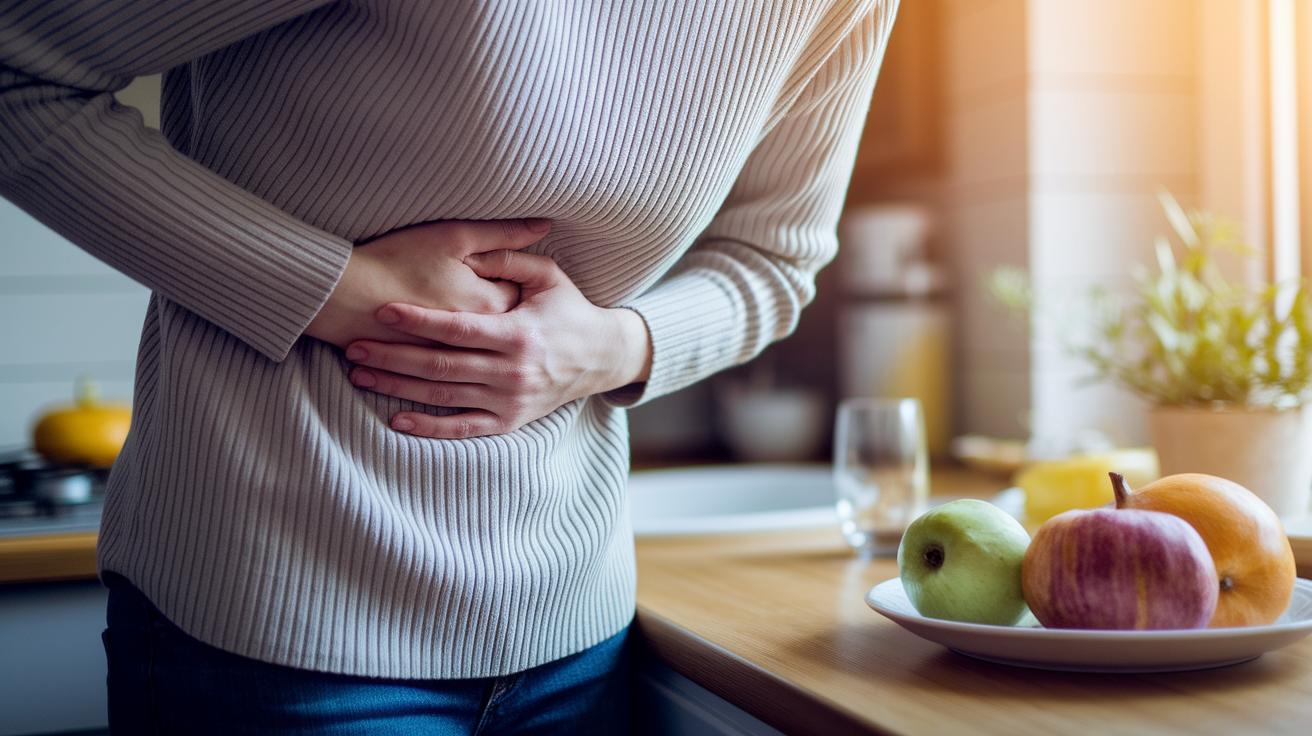

Quick Take: A sudden, sharp belly pain might be more than just a minor upset.
If you have any of these emergency signs, call emergency services now:
• Pain that is very severe and constant
• A fever of 102°F or higher
• Uncontrollable vomiting or bloody stool
• Dizziness or fainting
This kind of pain is common, but it can be your body’s way of saying something isn’t right. You deserve to understand what’s happening so you can act safely. This guide is here to help you check your symptoms and know when you need to seek help quickly. Follow the steps below, watch for any worrying signals, and use simple self-care tips to ease your discomfort until you can talk with a clinician.
Acute Belly Pain: Quick Self-Assessment
Quick take: Belly pain may start as a minor issue or signal something more serious.
If you have any of these emergency signs, call emergency services now:
- Very sharp, stabbing pain that won’t let up.
- Pain lasting longer than 24 to 48 hours.
- Vomiting, a fever above 100°F, or blood in your stool.
Sharp belly pain can come from many sources. It might be food poisoning, appendicitis (an inflamed appendix), gallstones (hard deposits in the gallbladder), acid reflux (a burning feeling), irritable bowel syndrome (IBS), inflammatory bowel disease (IBD), or diverticulitis (colon inflammation). Sometimes a tight muscle or an irritated organ causes the pain to feel sharp or piercing.
Since many issues can make your stomach hurt, it might be hard to tell if it’s a small upset or something serious. That’s why noticing red flags and acting on them matters. If your pain is very intense or you develop extra symptoms, get medical help right away.
Common Triggers Of Piercing Belly Pain

Sharp belly pain can come on suddenly. Your body may hurt after a big meal, during a spasm, or even with no clear reason. Noticing what starts the pain can help you decide whether home care is enough or if you need to see a doctor.
- GERD or acid reflux: This condition gives a burning or sharp pain in your upper belly, especially after eating or lying down.
- Gallstones: These can cause very strong pain in your upper-right belly after a fatty meal.
- Appendicitis: Pain on the lower-right side, often with a fever, may mean your appendix is inflamed.
- IBS or IBD: These disorders can cause cramping, pain in your lower belly, gas, and bloating that comes back again and again.
- Diverticulitis or constipation: Pain in the left lower side along with changes in bowel movements can point to these issues.
- Food poisoning: This usually causes a widespread belly ache with nausea and vomiting after eating bad food.
Because these symptoms may seem similar, it helps to keep track of when your pain starts, where it hurts, and any other signs you feel. This record can help a doctor quickly figure out what is wrong and recommend the best care.
Diagnosing Belly Pain By Location
Your belly pain can tell you a lot about what’s going on inside. Knowing whether the pain is in the upper, middle, or lower part of your abdomen can guide you in talking with your healthcare provider.
Upper Abdomen
Pain in the upper belly near the rib area might be heartburn (when acid irritates the tube that carries food to your stomach). A sudden, sharp pain on your upper-right side could be gallstones, which sometimes happen after eating fatty foods. Severe pain in the upper-left may be from pancreatitis (inflammation of the pancreas). These conditions are different, and knowing where your pain is can help your clinician decide what to do next.
Mid Abdomen
Pain just below your chest and above your belly button may point to gastritis (irritation of the stomach lining) or a peptic ulcer (a break in the stomach tissue). You might also feel cramping from indigestion or IBS (irritable bowel syndrome). Since many digestion-related issues show up here, track when the pain happens, how strong it feels, and how long it lasts.
Lower Abdomen
Sharp pain on the lower right side is especially worrisome because it could be appendicitis, which needs immediate care. On the other hand, cramping or dull pain in the lower belly might be from diverticulitis (inflammation in the colon) or constipation. Watch for extra symptoms like vomiting or fever and get help right away if the pain is severe.
| Region | Common Causes | Recommended Action |
|---|---|---|
| Upper Abdomen | Heartburn, gallstones, pancreatitis | Monitor pain. Seek care if it worsens or you develop a fever. |
| Mid Abdomen | Gastritis, peptic ulcer, IBS | Record pain details and consult your clinician if it persists. |
| Lower Abdomen | Appendicitis, diverticulitis, constipation | Seek prompt evaluation if pain is sharp or comes with other serious symptoms. |
When Sharp Belly Pain Requires Urgent Care
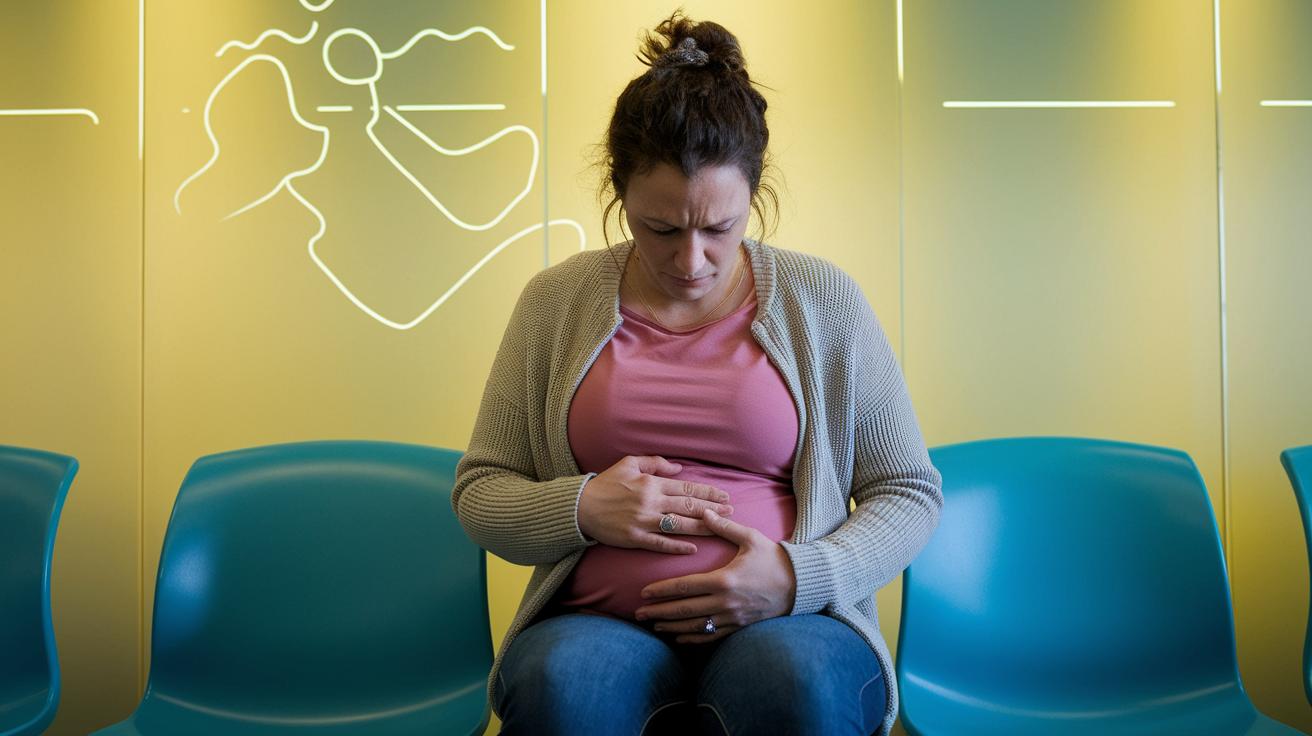
Quick take: Sudden, sharp belly pain that spreads to your back or shoulder may be a serious sign.
If you feel a sudden, strong pain in your belly that moves to your back or shoulder, note how long it lasts and any changes. Watch for red flags such as pain that continues for more than 24 to 48 hours, blood in your stool, ongoing vomiting, fever, or trouble keeping fluids down. These signs suggest you might have an urgent condition that needs medical attention.
For example, one person shared: "I felt a sharp, burning pain for over 36 hours and knew I needed to get checked." Conditions like appendicitis or a hole in your stomach lining (perforated ulcer) require emergency care.
Remember to record when your pain starts, how it feels, and where it moves. This simple log can help you and your doctor make fast, clear decisions about your care.
Sharp Belly Pain: Feel Better Fast
Quick take: Mild belly pain can often be eased with a few simple changes, but call for help if your symptoms worsen.
Triage Box:
• If you experience severe, spreading pain; a fever above 102°F; persistent vomiting; or blood in your stool, call emergency services now.
• If your pain lasts more than 3 days or you feel dizzy or weak, seek same-day medical care.
• For mild, short-lived pain, try self-care steps like adjusting your diet, gentle exercise, and over‑the‑counter remedies.
If you feel a bit of belly pain, a few easy changes at home might help you feel better fast. Start by adding foods rich in soluble fiber, like oats, bananas, or carrots (fiber that dissolves in water to ease digestion), to your meals. Drinking a full glass of water with each small meal and eating more often can also help move food through your system and reduce discomfort.
Another tip is to pick up a simple habit like a short, 15‑minute walk. Moderate exercise can get your digestion moving and relieve gas pain. You might also try sleeping on your left side, which can help lower acid reflux and make sleep more comfortable, especially if you have GERD (where stomach acid irritates your esophagus). A bit of gentle movement through the day not only distracts you from discomfort but also supports better gut health.
For quick relief, over‑the‑counter options like antacids and simethicone (a medicine that eases gas) can help settle your belly. These remedies work fast and can be taken when you need them. Keep in mind that these suggestions are meant to ease short-term symptoms, and sticking with these adjustments can help prevent discomfort from coming back during a flare-up.
Final Words
In the action, this article walked you through how to assess acute belly pain, note common triggers, and pinpoint pain by its location. It also covered when to seek urgent care and home strategies to ease discomfort.
Each section aimed to help you understand warning signs and care steps clearly. Remember, sharp belly pain could mean different issues, so track symptoms closely and act if red flags show. Stay calm, use these tips safely, and keep a close watch as you care for yourself.
FAQ
What are the types of stomach pain in females and males?
The types of stomach pain in females and males include cramping from digestive issues like indigestion (upset stomach) or hormonal changes, as well as pain from conditions such as GERD, IBS, or food-related sensitivities.
What causes lower abdominal pain in females, including sharp pain?
The causes of lower abdominal pain in females can include menstrual cramps, ovarian cysts, or appendicitis. Sharp pain may result from inflammation or more serious conditions that need a clinician’s review.
What does sharp stomach pain that comes and goes or in waves mean?
Sharp stomach pain that comes and goes may indicate muscle spasms, gas discomfort, or fluctuating digestive issues like GERD. This pattern should be monitored, especially if accompanied by other severe symptoms.
How can I quickly relieve a stomach ache or upper stomach pain?
Quick relief for a stomach ache or upper pain can include mild antacids, sipping water slowly, or gentle rest. These measures may help ease discomfort, but persistent pain warrants professional evaluation.
What might cause a stabbing pain in the stomach, and how do I manage it?
Stabbing stomach pain might be caused by trapped gas, muscle spasms, or conditions like appendicitis. Managing mild pain involves resting and staying hydrated, but seek urgent care if the pain worsens or persists.
Can gas pain be sharp and stabbing?
Gas pain can be sharp and stabbing when trapped, creating brief, intense discomfort. If such pain is frequent or severe, it is wise to consult a clinician for possible underlying concerns.