


Quick Take: A squeezing chest pressure can come from several causes; it is important to know when to act fast.
If you have any of these emergency signs, call emergency services now:
• Severe chest pain that does not go away
• Shortness of breath or trouble breathing
• Pain spreading to your arm, neck, or jaw
• Feeling dizzy or faint
Chest pressure may feel heavy or tight, and while it can be scary, it is not always a heart problem. It might come from high stress or even acid reflux (when stomach acid flows back into the esophagus). Other causes can include anxiety or muscle strain.
Stay alert. Monitor your symptoms closely. If your chest pressure worsens or you develop any of the red flag signs above, seek medical help right away. Otherwise, keep a note of when the pressure occurs, how long it lasts, and any other symptoms you notice.
This guide is here to help you understand your symptoms and know what steps to take next.
Understanding Why You Feel Pressure on Your Chest
Quick Take: Chest pressure may be caused by heart issues, other physical problems, or stress. If you experience severe pain, trouble breathing, or pain that spreads to your arm, neck, or jaw, call emergency services now.
You might feel a heavy or tight sensation behind your breastbone. This can be scary and may appear suddenly or last for a while. Chest pressure does not always mean you have a serious heart problem, but it does need careful attention.
There are three common reasons you may feel this pressure:
- Heart issues, like a heart attack, angina (heart pain from reduced blood flow), or blocked arteries.
- Other physical problems, such as muscle strain, acid reflux (when stomach acid comes back up), asthma, or pneumonia.
- Stress and anxiety, which can make your muscles tense up and speed up your breathing.
In the next sections, we explain each cause in more detail. Heart-related problems might bring quick pressure along with pain that spreads to your arm, neck, or jaw. Other issues may show up with breathing problems or stomach discomfort. Stress can also cause similar feelings by tightening your muscles and making you breathe faster. Knowing these signs can help you decide when to act immediately and when to follow up with your doctor.
Cardiac Conditions That Cause Chest Pressure
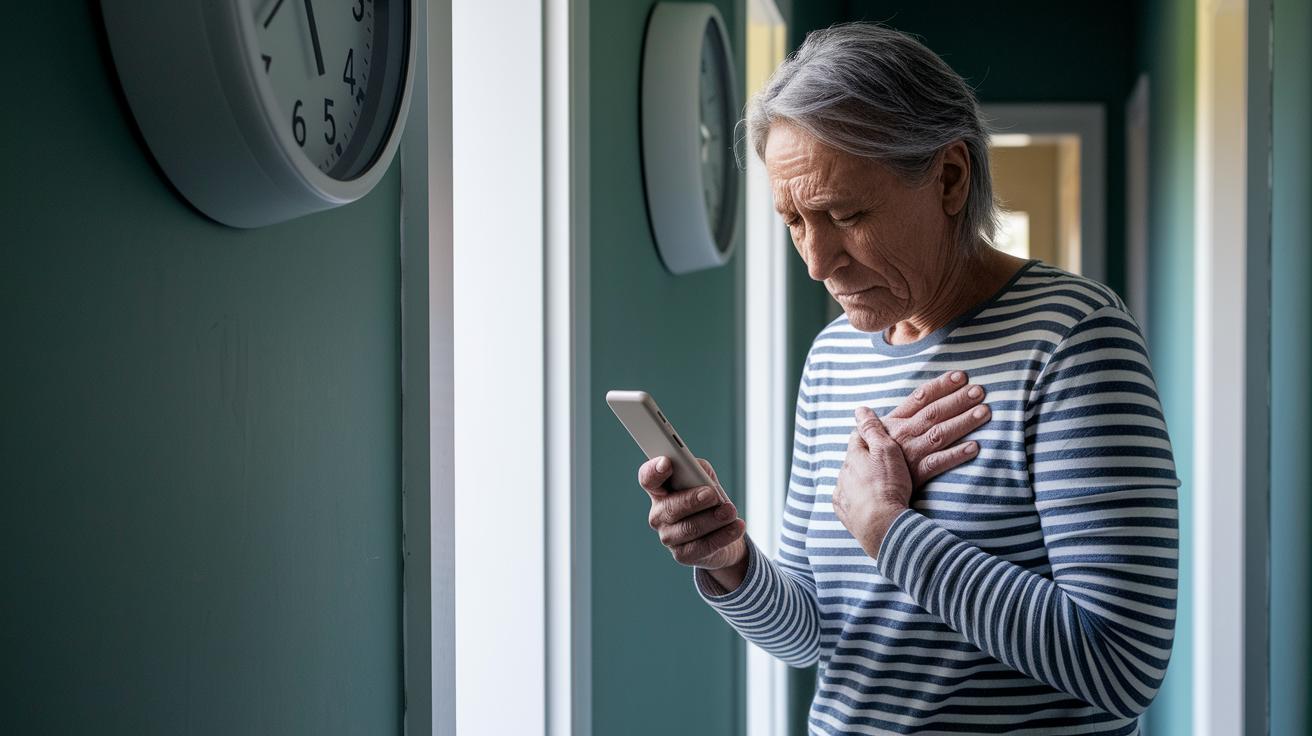
Quick take: Chest pressure can signal a serious heart problem. Check your symptoms carefully.
If you have any of these signs, call emergency services now:
- Severe chest squeeze or pressure
- Pain that moves to your arm, neck, or jaw
- Trouble breathing or a queasy stomach
If your symptoms are milder but still concerning, seek same-day medical help. Keep a note of when the pain starts, how long it lasts, and any other symptoms you feel.
Heart Attack
A heart attack happens when a blockage stops blood from reaching your heart. This sudden loss of blood makes you feel a strong pressure in your chest that may spread to your arm, neck, or jaw. You might also feel sick to your stomach and short of breath. That tight, squeezing feeling is serious and needs you to act quickly.
Angina and Coronary Artery Disease
Angina is chest pressure that hits during activity because your heart isn’t getting enough blood. It is usually linked to coronary artery disease, where plaque buildup narrows your arteries. You might feel a heavy, tight pressure when you exercise or do routine tasks. This reduced blood flow means your heart isn’t getting the oxygen it needs, so even simple tasks can feel exhausting.
Other Cardiac Conditions
Other heart problems may also cause chest discomfort. For example, pericarditis (swelling in the heart’s lining), mitral valve prolapse (when a valve in your heart doesn’t close properly), and hypertrophic cardiomyopathy (a thickened heart muscle) can lead to similar pressure. These conditions are less common, but they still need a doctor’s evaluation to be sure of the diagnosis.
Non-Cardiac Physical Causes of Chest Pressure
Musculoskeletal Strain
Overusing the muscles between your ribs can make your chest feel tight. Heavy exercise or lifting can strain these muscles (called intercostal muscles) and cause pain when you move. Bruised ribs may also give you a tight feeling. In costochondritis (inflammation of the rib cartilage), you might notice sharp or aching pain near your breastbone. Often, rest and gentle stretching help ease the discomfort. For example, a runner may feel chest tightness after a long workout, which then eases during a cool-down.
Respiratory Conditions
Lung issues can also lead to chest tightness. Pneumonia is an infection that causes lung inflammation and fluid buildup, making your breathing feel heavy and your chest tight. Asthma narrows your airways (the tubes that carry air), which may create a squeezing pressure when you breathe. Other conditions like a pulmonary embolism (a blood clot in a lung artery), pleuritis (inflammation of the lung lining), or a pneumothorax (a collapsed lung) can cause sudden and alarming chest tightness along with difficulty breathing.
Digestive and Abdominal Triggers
Problems with your digestive system can push discomfort up into your chest. GERD (acid reflux) makes stomach acid irritate your esophagus, leading to a burning, tight feeling. Peptic ulcers and hiatal hernia can also cause pressure in the upper chest. Inflammation from pancreatitis or pain from gallstones may radiate upward, adding to the tightness. These symptoms often worsen after meals or when lying down. Keeping a simple diary of your meals and symptoms can help your doctor figure out the cause.
The Role of Anxiety and Stress in Chest Pressure

Quick take: Anxiety and panic can cause chest tightness and fluttering without heart damage.
If you have any of these emergency signs, call emergency services now:
- Severe chest pain
- Difficulty breathing
- Dizziness or fainting
When you feel very anxious or have a panic attack, your body releases stress hormones. These hormones tighten your chest muscles and speed up your breathing (hyperventilation means taking rapid, shallow breaths). This reaction can make your chest feel tight or like it is fluttering, similar to pain from heart issues. For example, during a stressful moment you might suddenly feel your heart pounding hard and notice quick, shallow breaths.
Panic attacks can make your chest feel like it is under intense pressure. Along with muscle tension, a rush of adrenaline can leave you short of breath and with a sense that something terrible is about to happen. Although these symptoms can be very alarming, they are part of your body’s natural stress response and do not indicate heart damage.
Chest tightness from anxiety usually starts quickly during emotional stress and eases when you relax or slow your breathing. This pattern is different from heart-related pain, which typically develops during physical activity and lasts longer.
At-Home Strategies to Ease Chest Pressure
Quick take: These home tips can help relax your chest muscles, but you must seek help if your symptoms worsen.
If you have any of these emergency signs, call 911 now:
- Severe chest pain
- Trouble breathing
- Fainting or passing out
- Pain that spreads to your arm or jaw
Try these steps at home:
- Breathe deeply: Sit or lie down and take slow, deep breaths from your belly.
- Fix your posture and stretch: Sit or stand up straight and do gentle chest stretches to ease tightness.
- Use a warm compress: Apply a warm cloth or heating pad over your chest to relax tight muscles.
- Take antacids if needed: If you think acid reflux (a burning sensation in your chest) is causing your discomfort, an over-the-counter antacid may help.
- Stay hydrated: Drink water throughout the day to help prevent muscle cramps.
- Practice relaxation: Try mindfulness or listen to calming audio to lower your stress.
These methods are meant for temporary relief. They are not a substitute for professional care. If your chest pressure continues or gets worse, please see a doctor.
When Chest Pressure Requires Immediate Attention
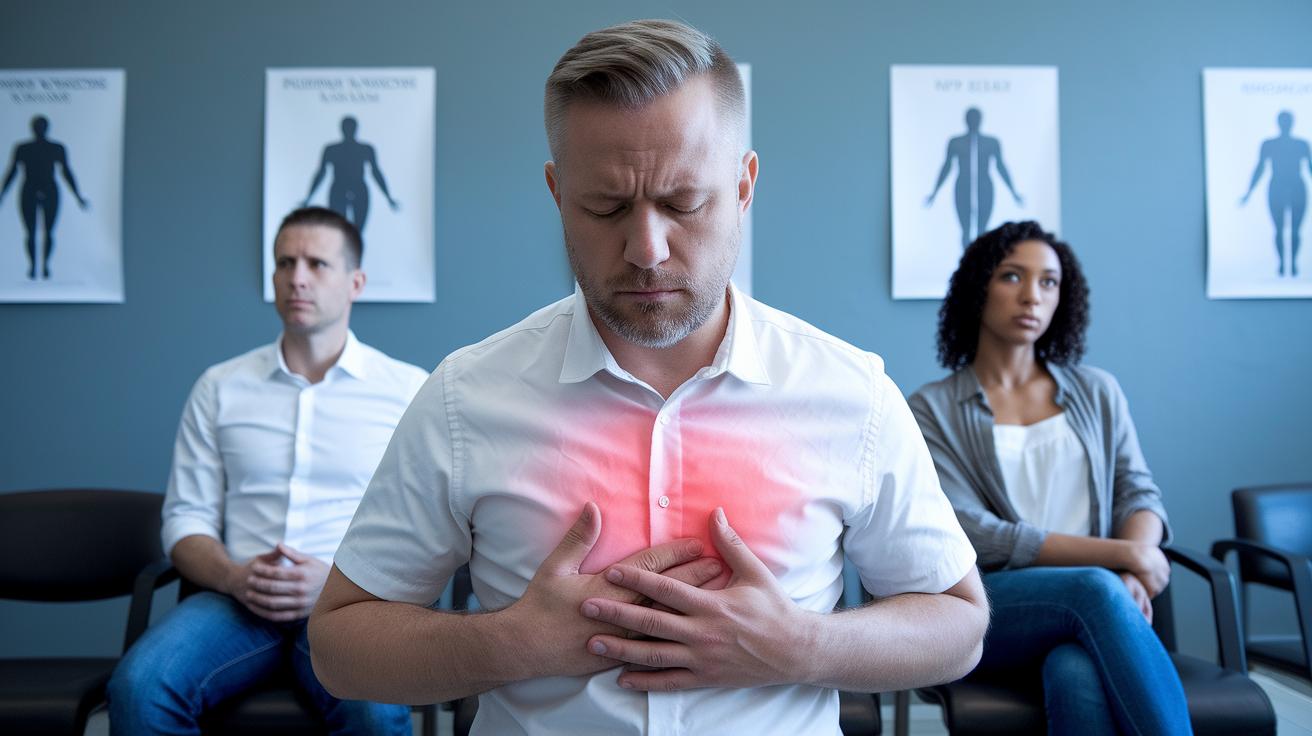
Quick take: Sudden chest pressure can be a sign of a serious problem with your heart or lungs, so act right away.
If you have any of these emergency signs, call 911 immediately:
- Crushing chest pressure
- Pain that spreads to your arm, jaw, neck, or back
- Severe shortness of breath with dizziness or fainting
- Heavy sweating, nausea, or vomiting
- A fast or irregular heartbeat or signs of shock
Don't wait. When these symptoms occur, seek help immediately to protect your health.
Follow-Up and Professional Evaluation for Chest Pressure
If your chest feels tight often or the pressure keeps coming back, call your doctor right away. It is best to see a primary care doctor when the tightness does not go away or happens frequently. Keeping a diary of your symptoms can help your doctor understand what is happening. Write down the time they occur, how long they last, and any other signs you notice.
When you see your doctor, they may run tests to check your heart and chest. These tests can include an ECG (a test that shows the electrical signals of your heart), a stress test, or a chest X-ray (an image of your chest). Sometimes, your doctor may ask for an echocardiogram (an ultrasound picture of your heart) or a CT scan. If needed, you might also be referred to a heart specialist, lung specialist, or stomach specialist. Acting early can help lower risks and lead to a better outcome.
Final Words
In the action, we broke down chest pressure by outlining possible heart, lung, digestive, and stress causes. We also offered clear, at-home care steps and highlighted red flags that need immediate attention.
Review your symptoms and remember to ask, “why do i feel pressure on my chest” when discussing concerns with your clinician. Stay informed and take prompt, careful steps toward getting the care you may need. Stay safe and positive.
FAQ
What does it mean when I have a weird feeling in my chest with no pain or an uncomfortable sensation in my chest?
The weird feeling in your chest without pain may link to muscle strain, mild anxiety, or digestive issues. It often isn’t a sign of a heart condition but should be evaluated if it worsens.
How can I relieve chest tightness, including pressure from anxiety?
The chest tightness relief can include deep breathing, gentle stretches, a warm compress, and mindfulness techniques to ease anxiety. If the pressure continues or intensifies, get medical attention promptly.
Why does my chest feel tight and heavy, both physically and emotionally?
The chest feeling tight and heavy can occur from physical issues like muscle strain, reflux, or heart-related problems and emotional stress such as anxiety. Both factors may contribute to a sense of constriction.
Why does my chest feel heavy and make it hard to breathe?
The chest heaviness combined with difficulty breathing may indicate conditions like asthma, pneumonia, or heart issues. This combination of symptoms needs immediate evaluation by a healthcare provider.
What causes middle-chest pain in women and why does it occur?
The middle-chest pain in women can be triggered by cardiac issues, muscle strain, or acid reflux, and sometimes anxiety. Women often present signs differently, so a timely checkup is important.
Should I be concerned if I feel pressure on my chest?
The chest pressure feeling can signal various conditions. While it may be due to non-cardiac causes, if you experience pressure along with shortness of breath or pain radiating elsewhere, seek medical evaluation immediately.
What are three early warning signs that your heart might be failing?
The early warning signs of heart failure include unexpected fatigue, decreased exercise tolerance, and shortness of breath. These signs highlight the need for a prompt medical evaluation.