


Quick take: Tape can sometimes trigger a sudden skin reaction that is painful but usually treatable at home.
If you notice any of these emergency signs, call emergency services now:
• Severe swelling or blisters
• Widespread rash or intense pain
If your symptoms worsen or don’t improve in a few days, seek same-day medical advice.
You might notice your skin turning red and sore after using tape. It can feel like your skin is under attack, even when you use a simple adhesive strip. This quick reaction is common and can be both alarming and painful.
The good news is that simple home care steps can help calm the irritation and bring back comfort fast. In this guide, we explain how to gently clean the area, soothe your skin, and protect it so that it can heal without further damage.
Let’s work together to get you on the path to relief.
Quick Home Treatments to Relieve Tape-Induced Skin Irritation
Quick take: Clean and protect your irritated skin right away to help it heal.
Triage Box:
If you have any of these signs, call emergency services now:
- Increasing pain
- Spreading redness or swelling
- Fever or pus drainage
If none of these are present, follow these steps to care for your skin at home:
- Gently remove the tape.
- Rinse the area with fresh, mild soap and lukewarm water.
- Pat the skin dry softly without rubbing.
- Apply a thin layer of hydrocortisone 1% cream or zinc oxide ointment.
- Cover the area with a hypoallergenic dressing or a silicone strip.
- Keep an eye on the area over the next 24-48 hours.
Tape can leave adhesive that worsens irritation. Over-the-counter creams like hydrocortisone help lower swelling and soothe the skin fast. Natural gels such as aloe vera cool down the burning and redness. Using these after a gentle clean creates a barrier that helps protect the skin while it heals. If your irritation does not improve or seems to get worse over the next few days, seek advice from your healthcare provider.
The Science Behind Tape-Related Skin Irritation (MARSI)
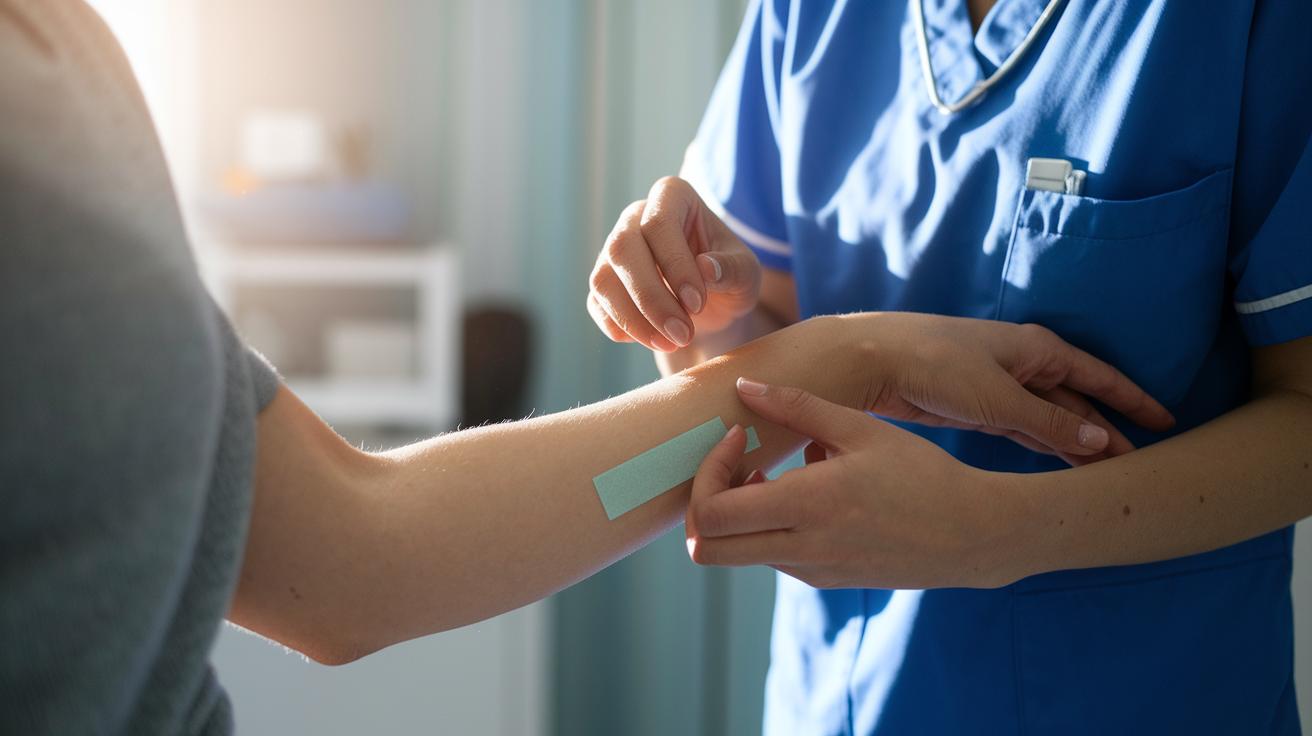
Tape-related skin injury, or MARSI (medical adhesive-related skin injury), happens when tapes or bandages hurt your skin. It can lead to pain, red patches, and a higher chance of infection if your skin’s natural protection is damaged.
If you notice sharp pain, red or open skin, or signs of infection like swelling or fever after using adhesive tapes, contact your doctor immediately.
Every year in the US, about 1.5 million older adults in long-term care experience skin tears from adhesives, and nearly 17% of babies in neonatal ICUs face MARSI. Outpatient centers report a rate as low as 5.8%. These numbers show that MARSI can affect many different groups.
Risk factors include fragile or thin skin, often linked with aging or chemotherapy, and conditions like dryness, poor circulation, malnutrition, or dehydration. Using steroid medications or having skin conditions such as eczema (a skin rash) or dermatitis also increases your risk. In short, if your skin is already weak, you are more likely to develop MARSI when tapes and bandages are applied or removed.
To help keep your skin safe:
- Use hypoallergenic tapes whenever possible.
- Remove adhesives slowly and gently.
- Watch for any changes in your skin, like increasing pain or redness.
Taking these steps can lower your risk of MARSI and help you recover more quickly.
Preventing Skin Irritation with the Right Tape and Application Techniques
If you have sensitive skin, choosing the right adhesive and technique is key. Start by picking tapes made for delicate skin. Look for labels like "hypoallergenic" and "breathable" so you know they are gentle and less likely to cause irritation.
Before applying tape, use a barrier wipe or spray. This creates a protective layer between your skin and the tape. Let the barrier dry completely, about 30 seconds works well, so the tape does not stick directly to your skin.
When you secure dressings, avoid stretching the tape. Keeping the tape loose and tension-free helps prevent damage when you remove it. For example, if you are using a spray barrier on a cut, let it dry fully before putting on the bandage, allowing room for your skin to move naturally.
Modern adhesive technologies, like some with tiny perforations, boost breathability. When treated with a bit of rubbing alcohol, these tapes often remove pain-free. This method helps protect your skin during use and makes removal simple and quick.
Safe Tape Removal Strategies to Protect Delicate Skin
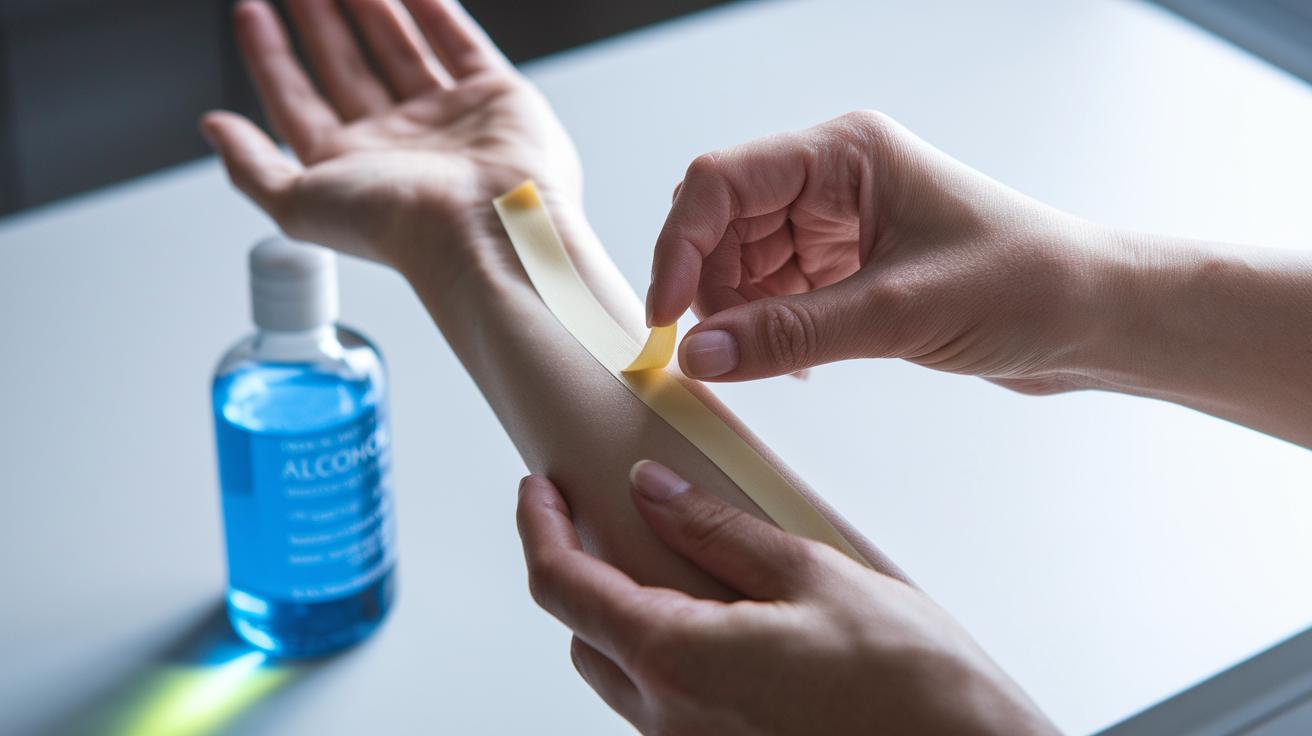
Peeling tape quickly can hurt your skin. If you pull tape too fast or hard, it can rip delicate skin and let germs in. Taking a slow, careful approach helps keep your skin safe and comfortable.
Two gentle methods can help you remove tape without pain:
• Alcohol-Assisted Release
- Dab 70% isopropyl alcohol along the edge of the tape.
- Wait about 30 seconds so the alcohol softens the adhesive (gluey stickiness).
- Slowly lift the tape starting from the edge.
• Slow-Tension Peel
- Hold your skin tight with one hand.
- Gently pull the tape back at a 180° angle (straight back, close to the skin).
- This method reduces stretch and eases discomfort.
Special adhesives like Comfort Release have tiny holes that allow alcohol or gentle tension to work better. They help lower the chance of skin tearing and protect sensitive areas.
Topical Treatments: Choosing the Best Creams and Ointments for Tape Rash
When tape sticks to your skin, it can leave the area red and sore. Some creams and ointments help calm the irritation by lowering inflammation, soothing the skin, and locking in moisture.
For instance, hydrocortisone 1% cream can ease itching and swelling for up to 8 hours. Zinc oxide ointment forms a protective layer that stops moisture from causing further damage. Aloe vera gel cools the skin and can visibly reduce redness within 24 hours.
| Treatment | Active Ingredient | Usage Guidelines |
|---|---|---|
| Hydrocortisone 1% Cream | Hydrocortisone | Apply twice daily on clean, dry skin |
| Zinc Oxide Ointment | Zinc Oxide | Apply a thin layer after washing; reapply as needed |
| Aloe Vera Gel | Aloe Extract | Smooth on twice daily for cooling relief |
If your irritation is mild, try aloe vera gel for quick, cooling relief. Zinc oxide ointment works well to shield the skin. For more persistent redness and itching, hydrocortisone 1% cream may help reduce the symptoms. Your choice depends on the rash’s severity and what feels best for your skin.
Warning Signs: When Tape Irritation Needs Medical Attention

Quick Take: If your skin reaction worsens, act quickly.
Red Flags:
- Pain that lasts over 2 days
- A rash that spreads beyond the tape area
- Blisters that grow larger or cluster more
- Unusual skin discharge
- A fever
If you see any of these signs, gently wash the area with mild soap and lukewarm water, stop using the tape, and contact your healthcare provider immediately.
Post-Tape Skin Care: Repairing and Strengthening Your Skin Barrier
Quick take: Follow this simple routine to help your skin heal safely after tape removal.
If you notice your skin becoming more irritated or red, call your clinician.
Every morning, start with clean skin. Spray a barrier mist and let it dry completely. Then, gently wash your skin with lukewarm water and a mild cleanser to remove any leftover adhesive. Once dry, smooth on a fragrance-free moisturizer that is rich in ceramides (fats that help rebuild your skin’s natural barrier).
Repeat this routine each morning and again every evening to keep your skin strong. This steady practice helps reduce future irritation from adhesively related issues.
When you need extra soothing, try a non-steroidal zinc oxide cream. These formulations calm your skin without the risks of using steroids for too long. And remember, it’s a good idea to have periodic skin checks to see how well you’re healing.
Final Words
In the action, you learned key steps to manage tape-related skin issues. The guide explained prompt cleaning, gentle removal, and the use of soothing creams to calm irritation. It also covered ways to prevent damage with the right tape and proper application, warnings for when a reaction may need a clinician’s care, and methods to help your skin recover after irritation.
By following these tips on how to treat skin irritation from tape, you can work toward fast relief and healthier skin.
FAQ
How to treat rash from bandage adhesive?
Treating rash from bandage adhesive involves gently cleaning the affected area, patting it dry, and applying a soothing cream such as hydrocortisone 1% or zinc oxide ointment. Protect the site with a hypoallergenic dressing.
How to treat blisters from medical tape?
Treating blisters from medical tape means carefully cleaning the area, covering the blister with a nonstick, sterile bandage, and using over-the-counter anti-inflammatory creams. Avoid direct tape contact to prevent further irritation.
How to treat skin irritation from tape?
Treating skin irritation from tape requires prompt cleansing with mild soap and water, gently drying the skin, and applying soothing products like hydrocortisone cream or aloe vera gel to help calm discomfort quickly.
What is adhesive allergy treatment and how does one manage an allergic reaction to wound dressing?
Adhesive allergy treatment involves removing the tape immediately, cleaning the skin, and applying a hypoallergenic ointment to ease irritation. If allergic reactions such as swelling or persistent discomfort occur, contact a healthcare provider.
How to cure rashes on the face naturally?
Curing rashes on the face naturally includes gentle cleansing and applying natural soothing agents like aloe vera gel. Use a fragrance-free, barrier-repair moisturizer to help calm and protect delicate skin.
How long does tape rash last?
Tape rash usually lasts a few days to about a week if mild. If the rash worsens or persists beyond this period, it is important to seek advice from a healthcare professional.
How to get rid of tape burn?
Getting rid of tape burn starts with gently removing the tape, then washing the area with lukewarm water and mild soap. Apply an anti-inflammatory cream to reduce discomfort and promote healing.
What does a tape rash look like?
A tape rash typically appears as red, irritated skin along the tape area, sometimes with small bumps or mild blistering. The affected skin may also feel itchy or tender to touch.