


Quick take: Heavy, tight chest pressure might be a heart issue.
If you have severe pain, trouble breathing, pain that spreads to your arm or jaw, or feel lightheaded, call emergency services now.
You may sometimes feel a heavy, tight pressure on your chest that makes you worry it’s more than just stress. This kind of pain can be very scary and might mean your heart is in trouble. In this post, we explain the warning signs and give you clear steps to act fast.
Below are some steps to follow:
• If you feel sharp pain, pressure, or discomfort that won’t go away, it could be a red flag.
• If the pain spreads to your arm, neck, or jaw, do not wait, seek help immediately.
• If you also feel lightheaded or have trouble breathing, call emergency services right away.
Take a moment to relax and note any changes in your symptoms. Record when the pressure starts, how long it lasts, and if it comes with other signs like shortness of breath or pain in other areas.
Remember, your health comes first. If your symptoms worsen or you feel unsure, seek urgent care to get the right treatment fast.
Pressure on Chest Explained: Immediate Steps and Red Flags
Quick take: Chest pressure may be a sign of a heart problem. Act fast if you have these symptoms.
If you have any of these emergency signs, call emergency services now:
• Crushing pressure or tightness that does not go away
• Pain spreading to your arm, neck, or jaw
• Trouble breathing or shortness of breath
• Feeling lightheaded or faint
• Heavy sweating along with nausea
A heavy or tight feeling in your chest can feel like a band around you. It might spread to your arm, neck, or jaw. You may also feel tired, sick to your stomach, or short of breath. These symptoms are common when the heart is under stress, so it is important not to ignore them.
Here’s what to do right away:
- Call emergency services if these red flags appear.
- Sit or lie down safely.
- Stay calm and try to remember all your symptoms.
- Note down any changes or other signs to share with your healthcare provider.
Chest pressure is serious. Keep your notes handy and tell your clinician everything you feel during the checkup. Your care team is there to help you get the right treatment as soon as possible.
Reviewed by Dr. Jane Smith, Cardiologist, Last reviewed: 10/2023
Common Causes Behind Feels Pressure on Chest

Quick take: Chest pressure may come from problems with your heart or other body systems.
Triage Box:
If you have any of these emergency signs, call emergency services now:
- Severe or worsening chest pain
- Trouble breathing or shortness of breath
- Pain spreading to your arm, neck, or jaw
- Feeling faint or very dizzy
Cardiac-Related Causes
Heart issues need your careful attention. A heart attack happens when a blockage stops blood from reaching your heart, causing a heavy, crushing pressure. Coronary artery disease narrows the arteries with plaque buildup, which limits blood flow (ischemia) and creates a constant squeezing feeling. Myocarditis (inflammation of the heart muscle) can disturb your heart’s rhythm and weaken its pumping power. Pericarditis (inflammation of the lining around the heart) tends to cause sharp or stabbing pain that gets worse when you move or take deep breaths. Another critical condition is pulmonary embolism, where a blood clot blocks an artery in the lung. This can lead to sudden chest pressure, shortness of breath, and sometimes coughing. Recognizing these signs is very important because you may need emergency care.
Noncardiac-Related Causes
Other conditions outside the heart can also cause chest pressure. Pneumonia inflames the lungs and makes breathing hard. Asthma triggers tightening in the chest, especially during flare-ups. GERD (acid reflux) often creates a burning pressure that may worsen when you lie down. Problems affecting the chest wall, like costochondritis (inflammation of the rib cartilage), lead to localized, sharp pain that can seem like heart trouble. Muscle strain from overuse or injury can produce a similar pressure. Although muscle strain is usually less serious, you should follow up if the pain keeps coming back or grows worse.
Keep an eye on your symptoms and share them with your healthcare provider if things change.
Reviewed by: Dr. Jane Smith, Cardiology
Last reviewed: 10/25/2023
Pattern and Location: Interpreting Feels Pressure on Different Areas of the Chest
Quick Take: Where you feel chest pressure can tell you a lot about what might be wrong. Check for these red flags and act fast if needed:
- Call emergency services now if you feel a heavy, crushing pressure on the left side during activity.
- Seek urgent help if the pressure comes with shortness of breath, pain spreading to the arm, or excessive sweating.
- Monitor mild or inconsistent pressure but share details with your doctor if it sticks around.
Chest pressure can show up in different spots and patterns. Noting where the pressure occurs and when it gets worse helps you decide if you need help. For example, pressure that comes and goes might be less worrisome than tightness that lasts, especially if it happens during or after exercise.
If you feel pressure on the left side of your chest when you’re active, it may be heart related. This pressure can feel heavy or like a crushing pain and might mean your heart isn’t getting enough blood. When this happens during activities like walking or climbing stairs, it’s a signal to call for help immediately.
Discomfort on the right side of your chest usually comes from stomach or muscle problems, not the heart. A burning or tight feeling here could come with indigestion or a muscle strain from heavy use. For instance, a burning pressure after a big meal might be acid reflux (a burning feeling in the chest) or a sign of overworked muscles.
If you feel tension at the top of your chest that worsens with a deep breath, this may point to a lung issue. On the other hand, tightness in the middle of your chest while lying down might be due to pericarditis (inflammation of the heart’s lining). Noting when and where the pressure occurs can help you explain your symptoms clearly to your doctor.
Evaluating Feels Pressure on Chest: Diagnostic Pathways
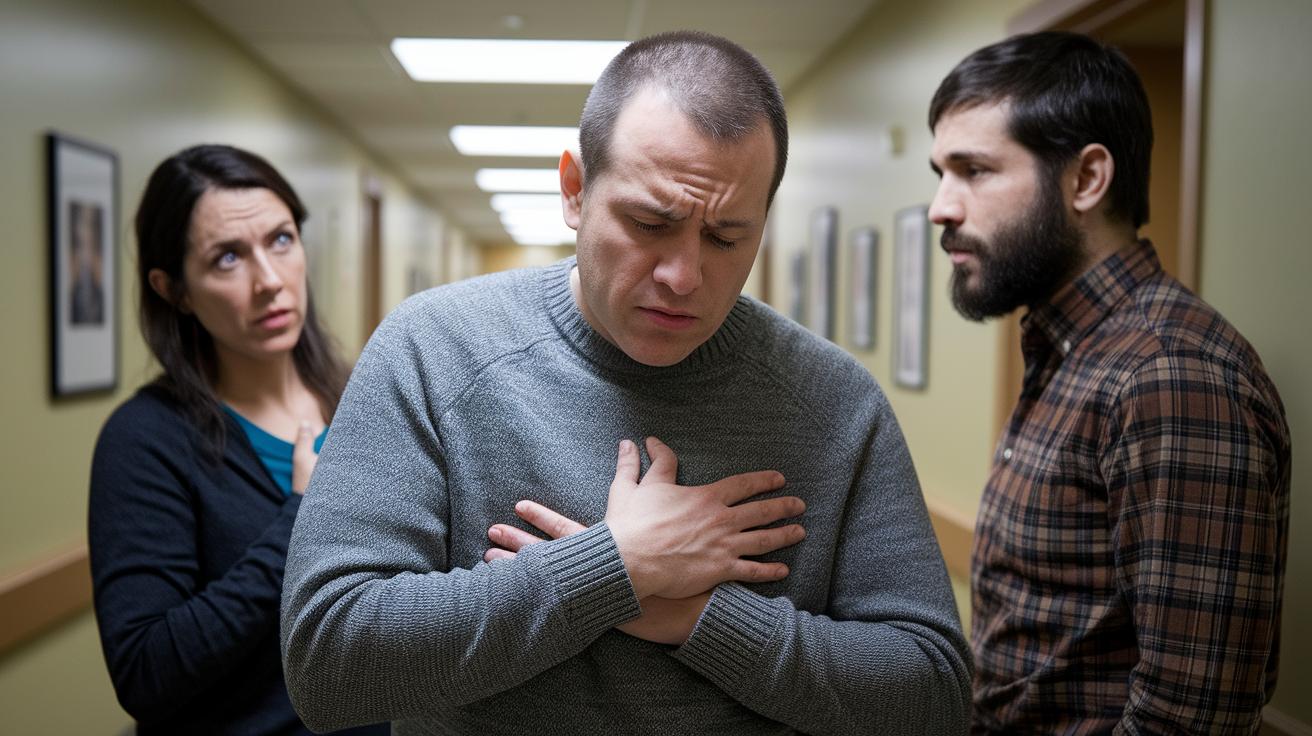
Quick Take: Unexplained chest pressure can be a warning sign. Act quickly if you have red flags.
If you experience any of these emergency signs, call emergency services now:
- Severe chest pain or pressure
- Trouble breathing or shortness of breath
- Rapid or irregular heartbeat
- Lightheadedness or fainting
- Pain that spreads to your jaw, shoulder, or arm
Your doctor will start by reviewing your medical history, doing a physical exam, and checking vital signs like your heart rate and blood pressure. This helps decide if the chest pressure is heart-related or due to another issue.
Cardiac Assessments
If your symptoms might be from the heart, your care team may order an EKG (a test that records your heart’s electrical signals to find irregular rhythms). They may also run blood tests to check troponin levels (proteins that increase when the heart muscle is stressed or damaged). An echocardiogram uses ultrasound to show the heart’s structure and function, while a stress test evaluates how well your heart performs during exercise. Together, these tests can uncover blockages or other heart problems that might be causing the pressure.
Additional Diagnostic Tools
Other tests focus on non-heart causes. A chest X-ray or CT scan can reveal lung issues like pneumonia or a pulmonary embolism (a blood clot in the lung) that might cause chest tension. If you have symptoms of acid reflux, an endoscopy (a small camera exam of the esophagus) may be used to check for GERD (acid reflux disease). For suspected inflammation in the heart muscle (myocarditis), an MRI provides detailed images of heart tissue. This complete approach makes sure all possible causes of your chest pressure are looked into.
Treatment Options for Persistent Pressure on Chest
Persistent chest pressure needs care that targets its cause. Your doctor will look at your symptoms and health history to decide the best treatment plan.
If the pressure comes from your heart, your doctor may prescribe medicines like nitroglycerin to ease chest pain (angina) and beta blockers or calcium channel blockers to lighten your heart’s workload and improve blood flow. These medicines help lower heart strain and prevent further problems.
If your chest pressure is due to digestion or muscle issues, treatments might include proton pump inhibitors and antacids to ease acid reflux (GERD) and heartburn. For pain in the rib area (costochondritis), over-the-counter nonsteroidal anti-inflammatory drugs (NSAIDs) and rest can ease inflammation and relieve the discomfort.
If anxiety is playing a part, your clinician might suggest short-term use of medications such as SSRIs or benzodiazepines to calm your symptoms. Addressing anxiety can help lower the chest tightness linked to stress.
Along with these treatments, simple lifestyle changes can make a big difference. Regular exercise, quitting smoking, and eating a balanced diet all help improve heart and lung health. These steps work well with medical treatments to reduce the frequency and intensity of chest pressure over time.
Self-Care Strategies to Alleviate Feels Pressure on Chest
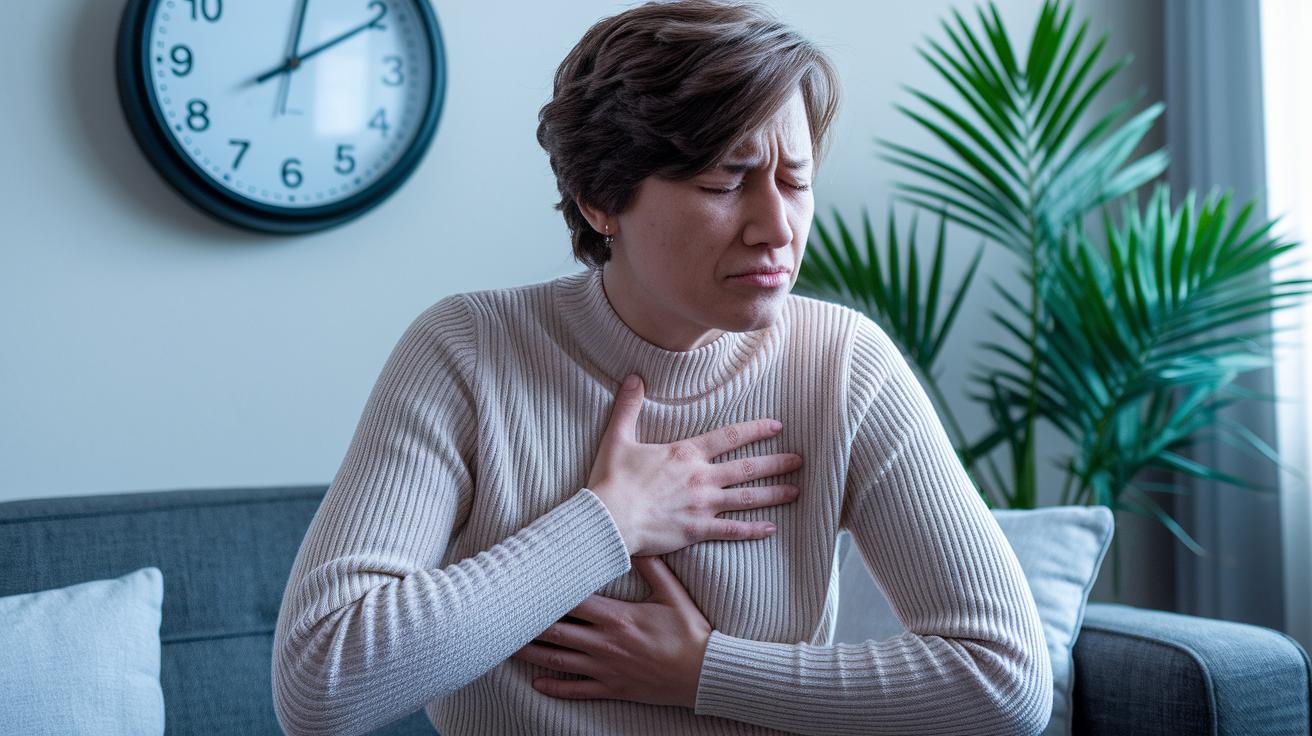
Quick take: Chest pressure might come from acid reflux, muscle tension, or posture issues. If you have severe pain, trouble breathing, or pain spreading to your arm or jaw, call emergency services immediately.
If you have any of these emergency signs, call emergency services now:
- Severe chest pain that lasts more than a few minutes
- Difficulty breathing or shortness of breath
- Pain that spreads to your arm, jaw, or back
- Feeling faint or dizzy
If your symptoms worsen or new ones appear, seek same-day medical attention. Otherwise, here are some simple steps to try at home:
Home Remedies:
- Mix a small amount of baking soda in water. This can help ease a burning feeling from acid reflux.
- You might try a teaspoon of apple cider vinegar or a serving of plain yogurt to help balance stomach acid.
- Always check with your doctor before trying new remedies to avoid any issues with your medications or diet.
Breathing and Relaxation:
- Practice deep belly breathing: Slowly inhale through your nose so your belly expands, then exhale gently. This can help reduce tightness in your chest.
- Try guided meditation or yoga to relax your mind and ease muscle tension.
Diet and Hydration:
- Drink plenty of water throughout the day.
- Include anti-inflammatory foods like leafy greens, nuts, and fatty fish. These foods may help reduce acid reflux and inflammation, which can lessen chest discomfort over time.
Posture and Movement:
- Keep good posture at work by using ergonomic seating and adjusting your workspace.
- Do gentle stretches or light exercises to relieve tension in your chest muscles and improve blood flow.
- Regularly check your posture to help reduce the heavy feeling in your chest.
Monitoring and Follow-Up When Feels Pressure on Chest
Quick take: Chest pressure may be a sign of heart trouble. Watch your symptoms closely and act if red flags show up.
If you have any of these emergency signs, call emergency services now:
- Trouble breathing
- Feeling lightheaded or faint
- Pain that spreads to your arm or jaw
- Pressure that lasts more than a few minutes
Keep a simple diary to track your symptoms. Write down the date, time, and how long the pressure lasts. Note what you were doing when it started, like climbing stairs or after eating. Also record any extra signs, such as sweating, shortness of breath, or pain moving to other areas.
Review these notes regularly. They help you and your doctor notice any changes that might need prompt care.
For long-term management, schedule follow-up visits with your primary care provider or heart specialist. Your doctor might suggest tests like a stress test or an electrocardiogram (EKG, a test that checks your heart’s electrical signals) to keep an eye on your heart health. A clear record of your chest pressure can guide your healthcare team in making the best treatment decisions.
Final Words
In the action, we broke down key insights about what feels pressure on chest. We explained urgent red flags, common causes spanning heart issues, digestion, and muscle strain, and how tests and treatments help guide care. We also shared practical self-care tips, symptom trackers, and when to seek follow-up care.
Quick recognition and decisive action can make a big difference. Stay steady, take safe steps, and keep hope as you follow these clear, clinician-reviewed guidelines.
FAQ
What does a weird, isolated chest feeling indicate?
The weird, isolated chest feeling without pain can be linked to muscle strain or anxiety. It usually does not signal a serious condition; however, monitor your symptoms and seek advice if they change.
How can you relieve chest tightness or pressure?
The approach to relieve chest tightness involves practicing slow, deep breathing, gentle stretching, and other relaxation techniques. If the discomfort continues or worsens, get medical advice promptly.
What causes a tight and heavy chest feeling?
The tight and heavy chest feeling can stem from muscle strain, acid reflux, or cardiac issues. Persistent or severe symptoms need prompt evaluation to rule out life-threatening conditions.
What does middle chest pain in females indicate?
Middle chest pain in females may result from heart-related issues or other conditions like acid reflux. Because women sometimes experience atypical signs, it’s important to consult a doctor if you’re concerned.
Can anxiety cause chest tightness and how can you relieve it?
Anxiety can cause chest tightness through muscle tension and shallow breathing. Using relaxation techniques such as deep breathing exercises or meditation may help, but consult a healthcare provider if symptoms persist.
What does a heavy chest with trouble breathing indicate?
A heavy chest combined with difficulty breathing could point to serious heart or lung issues. This situation needs immediate medical attention, especially if accompanied by lightheadedness, sweating, or rapid heartbeat.
What causes an emotionally heavy chest feeling?
An emotionally heavy chest feeling is often tied to stress or anxiety, which can trigger physical tension. Managing stress through relaxation techniques or professional support may offer relief.