


Quick take: Sinus congestion can make your head feel heavy and pressure build up quickly.
If you have any of these emergency signs, call emergency services now:
• Severe pain with a high fever (above 102°F)
• Confusion, trouble waking, or blurred vision
If your pain gets worse or you notice changes in vision, seek same-day medical attention.
For most people, this sinus head pain starts when your nasal passages get blocked. When you're sick with a cold or allergies, mucus can build up and cause pressure. You may feel steady pain in your forehead, cheeks, or the area between your eyes. While it might seem like a simple headache, sinus pain happens for a different reason.
Here’s what you can do at home:
- Drink plenty of fluids and rest.
- Use a warm compress on your face.
- Try over-the-counter pain relievers if you need it (always follow the label instructions).
Keep track of your symptoms. Write down the pain level, any fever, and other new signs. If your pain or fever lasts more than a few days, let your clinician know.
This guide is here to help you act safely and feel better fast.
Head Pain from Sinuses: Causes, Symptoms, and Triggers
Quick take: Sinus pressure can cause a steady, dull head pain that may need medical attention if it lasts too long.
Triage:
• If you have a fever or severe pain lasting more than 10 days, call your doctor.
• If you experience intense facial pain or vision changes, seek urgent care.
Sinus headaches often start when your body is fighting a cold or an allergic reaction. The sinuses swell and mucus builds up, which presses on your head and causes a persistent, heavy pain. You may feel steady pressure in your forehead, cheeks, or between your eyes. A clogged nose can make it harder for the mucus to drain, and sometimes you might even have a fever.
Many sinus headaches follow a viral infection, about 50% occur this way. The swollen sinuses block mucus drainage, leading to a dull, unrelenting weight on your face and head. If your symptoms last longer than 10 days, you might have acute bacterial sinusitis, which can require antibiotics rather than just home care. Remember, sinus headaches are different from migraines; migraines usually bring throbbing pain, light sensitivity, and nausea, so knowing your triggers can help you get the right treatment.
Sinus Anatomy Related to Head Pain from Sinuses
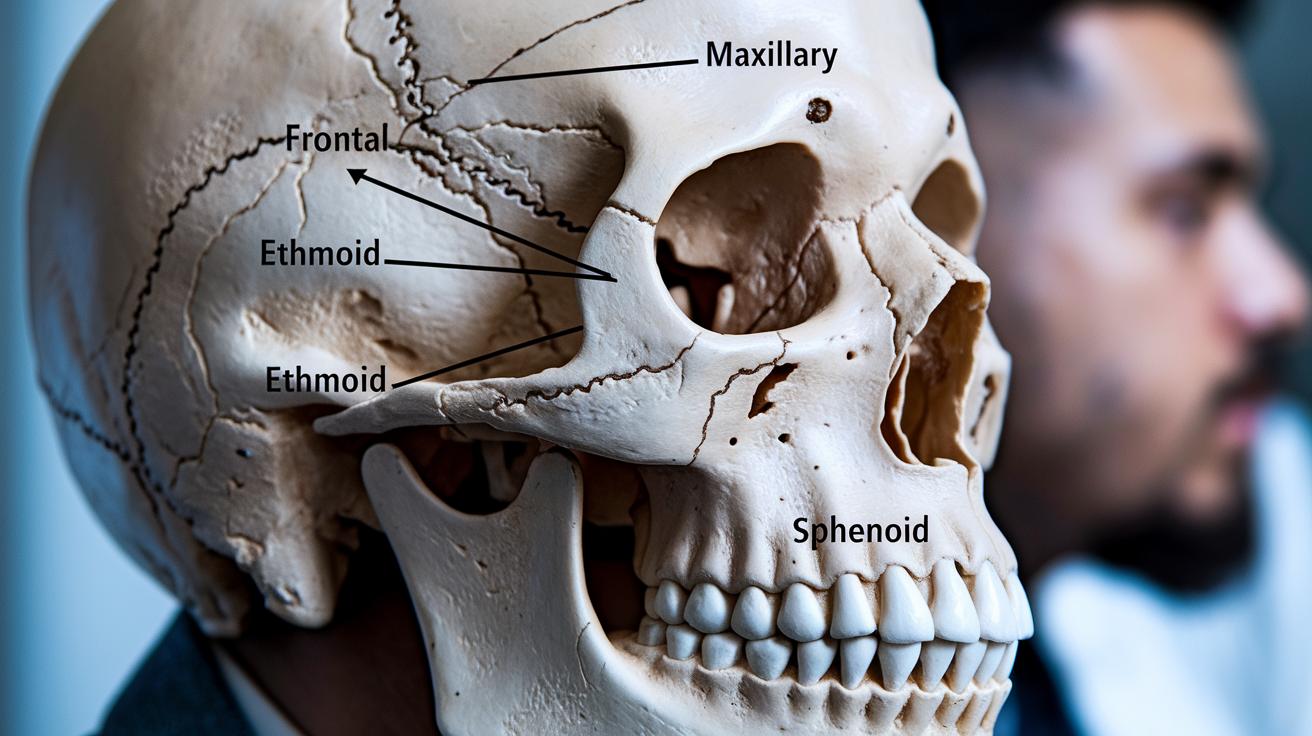
Your skull has four pairs of air-filled pockets called sinuses. These include the frontal sinuses behind your forehead, the maxillary sinuses in your cheeks, the ethmoid sinuses between your eyes, and the sphenoid sinuses deeper in your head. Each sinus connects to your nasal passages through small openings called ostia. They create mucus to trap germs and particles, while tiny hairs called cilia (small, hair-like structures) help move the mucus into your nose for drainage. When everything flows normally, you hardly notice these functions. But if the flow slows, discomfort can start.
When a cold or allergy causes swelling, the ostia may get blocked. Mucus then builds up inside the sinuses and raises the pressure. This pressure can lead to head pain that feels heavy and constant. For example, pressure in the frontal sinuses might give you pain in your forehead, and a build-up in the maxillary sinuses could cause aching in your cheeks. Problems with the ethmoid or sphenoid sinuses might spread pain around your head or even to the top. The trapped mucus presses on nearby tissues, sending pain signals that make you feel a full-blown sinus headache.
Differentiating Head Pain from Sinuses vs Other Headaches
Quick take: Sinus pain gives you steady, heavy pressure and a stuffed nose that worsens when you bend over, while migraine pain is pulsing and comes with light and sound sensitivity.
If you have any of these emergency signs, call emergency services now.
• If your face feels heavy and you have a blocked nose, the pain is likely from sinus issues.
• If your head thumps and you become very sensitive to light and sound, you may be dealing with a migraine.
• Use these clues to decide if you need to speak with a doctor.
Sinus headaches usually cause a steady, heavy pressure around your face and head. This pain often increases when you bend forward. Migraines, on the other hand, tend to come in pulses or thumps and make you very sensitive to light and sound. Sometimes, migraines can also bring on nausea. It matters if your pain comes with a stuffy nose or if it beats in waves, because that can help guide the best next steps. Doctors might use imaging tests like CT scans or MRIs to check for sinus inflammation or other causes.
| Symptom | Sinus Headache | Migraine | Notes |
|---|---|---|---|
| Pressure | Steady, heavy pressure around the face | Pulsing, beating pain | Makes pain worse when you bend over |
| Nasal Congestion | Often with a stuffed, runny nose | Rarely happens | Clear sign of sinus issues |
| Pain Location | Forehead, cheeks, between the eyes | Usually one-sided, near the temple or eye | Location helps point to the cause |
| Sensory Sensitivities | Mild or missing | High sensitivity to light and sound | Key difference in symptoms |
| Response to Movement | Pain increases with bending or lying down | Less influenced by posture | Moving can boost sinus pressure |
If you feel steady pressure in your face with a clogged nose that gets worse when you move, you likely have a sinus headache. But if your head hurts in a throbbing way and makes you sensitive to light and sound with no nasal issues, it may be a migraine. Knowing these signs can help you decide when to get more help.
At-Home Solutions to Relieve Head Pain from Sinuses

Quick take: You can ease sinus head pain at home with simple steps, but call emergency services now if you have severe symptoms like a high fever over 102°F, confusion, or swelling around your eyes.
Red Flags – Call emergency services now if you experience:
- Very high fever (over 102°F)
- Confusion or stiff neck
- Swelling in your eyes or face
- Severe, sudden headache
If none of these warning signs occur, try these home care steps:
• Steam Inhalation: Boil water and carefully inhale the warm steam. This helps open blocked sinus passages quickly.
• Warm Compress: Soak a towel in warm water and gently apply it to your face. This soothes pain while loosening mucus.
• Saline Nasal Rinse: Use a saltwater solution (saline) to flush out mucus and irritants. Rinse twice daily to clear congestion.
• Over-the-Counter Decongestants: Medications like pseudoephedrine reduce swelling in nasal tissues, helping you breathe better.
• NSAIDs: Drugs such as ibuprofen lower inflammation and relieve sinus pain.
• Hydration and Rest: Drink plenty of water to thin mucus. Sleep with your head elevated so fluid does not pool.
• Gentle Facial Massage: Lightly massage your forehead and cheekbones. This can stimulate drainage and ease the pressure.
These at-home remedies can help you manage sinus-related head pain. If your symptoms persist or worsen, keep a note of what you’ve tried and share this with your healthcare provider. Your care team can then decide if further evaluation is needed to ensure a safe recovery.
Advanced Treatments for Persistent Head Pain from Sinuses
Quick take: These treatments can help if your sinus issues lead to stubborn head pain.
Triage Box:
• Call emergency services now if you have severe symptoms such as a high fever (102 F or above), sudden vision changes, or intense pain that comes on quickly.
• Seek same-day care if your headache suddenly worsens, if you develop severe facial pressure, or if new symptoms appear.
• For steady symptoms, track your pain and sinus issues and follow up with your doctor if they do not improve.
Diagnostic Imaging
Doctors use imaging tests like CT scans and MRIs to check if your sinuses are blocked or if another issue is causing your head pain. These scans give clear pictures so your doctor can spot problems like swelling or mucus buildup. This helps them decide on the best treatment for you.
Minimally Invasive Procedures
One common option is balloon sinuplasty. This treatment gently opens up blocked sinus passages using real-time imaging. In about 80-90% of cases, patients feel quicker relief and recover faster. For more severe cases, endoscopic sinus surgery may be needed to clear blockages and restore drainage, usually letting you recover in 1-2 weeks.
Medical and Immunotherapy Treatments
If your sinus infection is caused by bacteria and symptoms last more than 10 days or become strong, your doctor may prescribe antibiotics. Allergy immunotherapy (allergy shots) can also help by reducing chronic inflammation in those with allergic sinusitis, giving you long-lasting relief from head pain.
When to Seek Professional Care for Head Pain from Sinuses

Quick take: Some sinus head pains can signal an emergency, while others need a specialist’s review.
Emergency Warning Signs
If you have any of these symptoms, call 911 right away:
| Symptom | Action |
|---|---|
| The worst headache of your life | Call 911 now |
| Sudden, intense headache with a fever above 102°F | Seek emergency care |
| Changes in your vision | Call 911 immediately |
| A stiff neck | Go to the emergency room now |
These signs need urgent attention. Don’t wait if any of them occur.
Scheduling an ENT Consultation
If your sinus pain lasts longer than 10 days, happens more than 3 times a year, or doesn’t improve with regular over-the-counter care, make an appointment with an ear, nose, and throat (ENT) specialist. A visit with an ENT can reveal the cause behind recurrent sinus pain and help set up a clear treatment plan for lasting relief.
Final Words
In the action, this article pinpointed common causes and symptoms of head pain from sinuses, compared them with other types of headaches, and outlined practical at-home remedies. It also touched on advanced treatments and tips for when to seek care. The guide aimed to give clear, easy-to-follow steps for managing discomfort and knowing when to get professional help. Stay positive and take this information step by step to help ease your head pain from sinuses and improve your comfort.
FAQ
How do I instantly ease a sinus headache?
Instantly easing a sinus headache involves using a warm compress, steam inhalation, or over-the-counter pain relievers to help relieve pressure and open blocked sinus passages.
Where is sinus headache pain usually felt, including the back of the head?
Sinus headache pain is typically experienced in the forehead, cheeks, and sometimes the back of the head due to pressure from blocked sinus cavities near the nasal passages.
Are sinus headaches dangerous?
Sinus headaches are generally not dangerous; however, severe pain with a high fever, vision changes, or signs of complications should prompt you to seek urgent medical care.
What are the common treatments for a sinus headache?
Common treatments for a sinus headache include decongestants, NSAIDs, steam inhalation, and saline nasal rinses, which help reduce congestion and ease the pressure causing the pain.
How long does a sinus headache usually last?
A sinus headache can last anywhere from a few hours to several days; if it continues longer than 10 days, you should consult a healthcare provider for further evaluation.
What are the symptoms of a sinus headache?
Sinus headache symptoms include steady facial pressure, nasal congestion, reduced sense of smell, and pain that often worsens when you bend forward.
What does it mean if I experience sinus headaches every day?
Experiencing daily sinus headaches may indicate chronic sinusitis or another underlying issue; it is wise to consult a healthcare provider for proper diagnosis and treatment.
How can I relieve sinus congestion when my head hurts from sinuses?
To relieve congestion when your head hurts, use warm compresses, steam therapy, and over-the-counter decongestants to improve drainage and reduce sinus pressure.
How can sinusitis be treated during pregnancy?
Treating sinusitis during pregnancy safely usually involves using saline nasal sprays, humidifiers, and doctor-approved medications while consulting your healthcare provider for guidance.
When should I worry about sinus headaches?
Worry if sinus headaches are accompanied by high fever, severe pain, stiff neck, or vision changes, or if they persist beyond 10 days, as these may signal a need for urgent medical attention.
Can an infant develop a sinus infection?
While it is uncommon, infants can develop sinus infections; signs include nasal congestion, irritability, and difficulty feeding, and you should consult a pediatrician if these symptoms occur.